Casting Workflow Software: A Complete Guide for Modern Talent Agencies
The purpose is not simply to digitize individual tasks. It is to create a consistent process that allows teams to know what is happening, what has already been completed, and what needs to happen next.
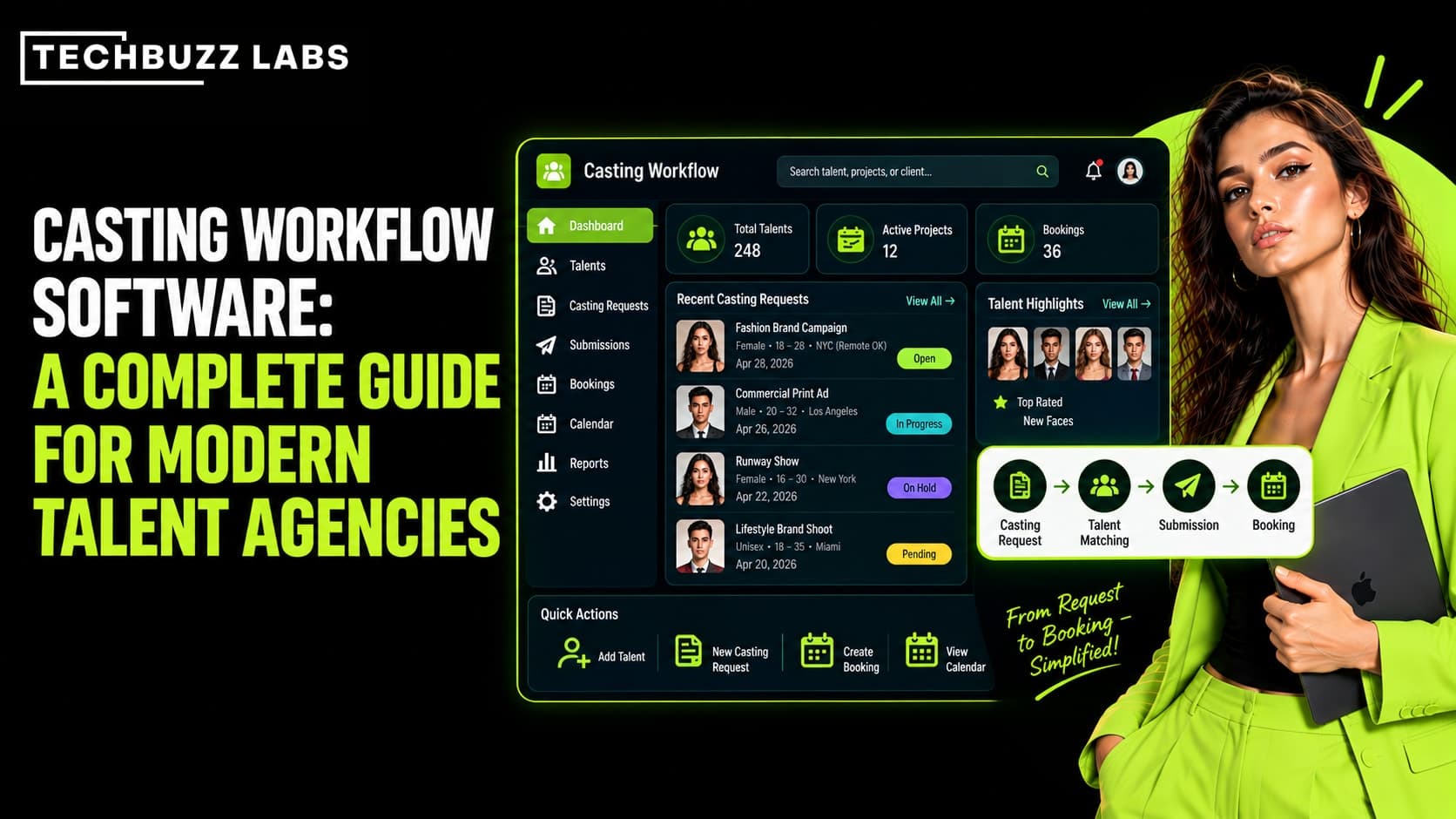
Modern talent agencies manage far more than talent profiles. They handle casting requests, client requirements, talent availability, submissions, feedback, auditions, bookings, schedules, and ongoing communication. When these activities are managed through spreadsheets, emails, messaging apps, and disconnected tools, it can become difficult to maintain an organized workflow.
Casting Workflow Software provides a centralized way to manage these activities and create a more connected casting operation. Instead of treating every stage as a separate administrative task, agencies can organize casting projects within a structured workflow that gives agents and managers better visibility.
For growing talent and modeling agencies in the USA, understanding how this technology works and what features matter can help them choose a solution that fits their operations.
What Is Casting Workflow Software?
Casting Workflow Software is a technology solution designed to organize the different stages of a talent agency's casting process.
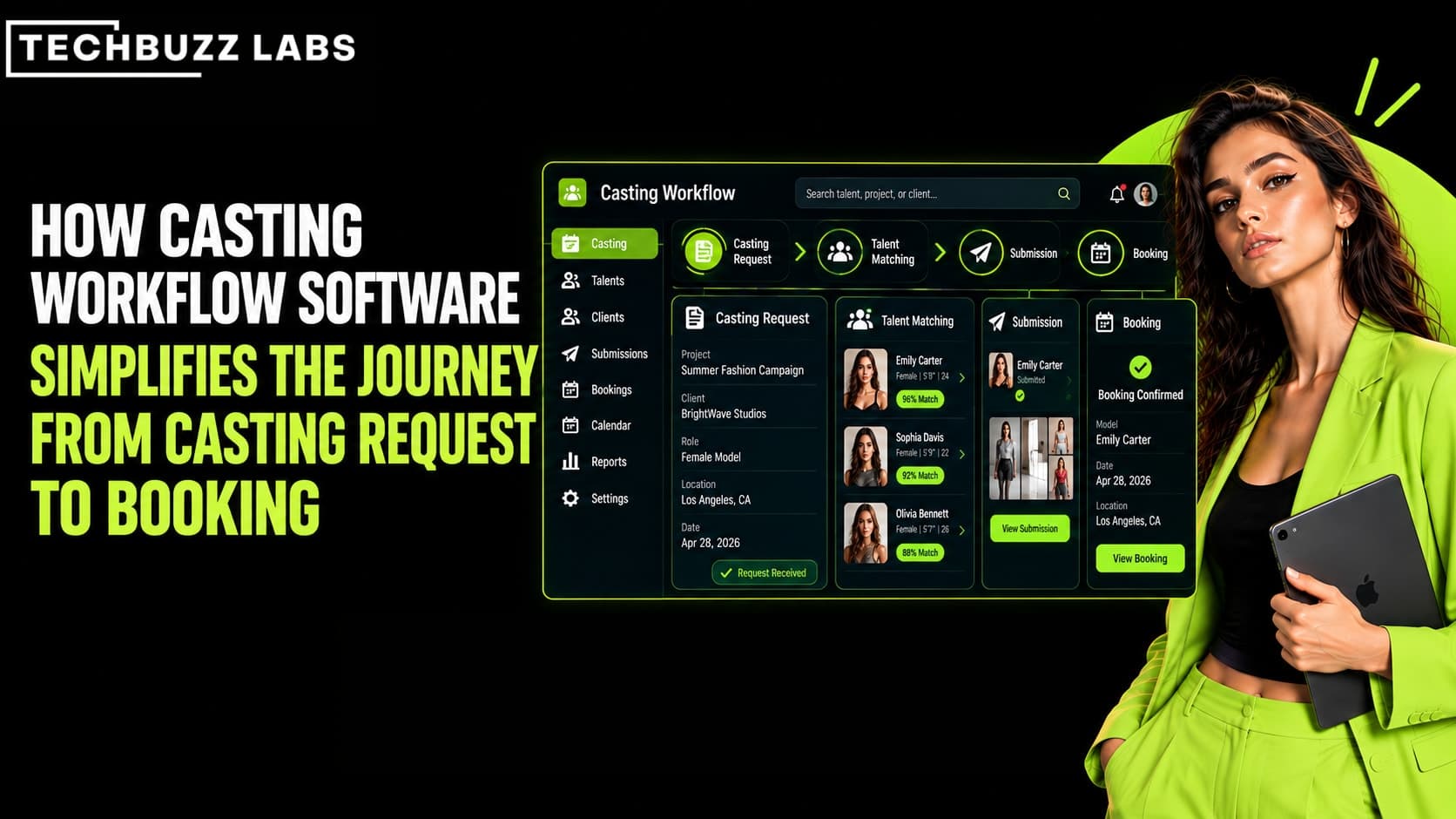
A typical workflow can begin with a client sending a casting brief. The agency reviews the requirements, searches its talent database, identifies suitable candidates, checks availability, creates a shortlist, submits talent to the client, manages feedback, and eventually moves selected talent toward booking.
Instead of keeping information across separate systems, casting workflow software connects these stages within a centralized environment.
Why Modern Talent Agencies Need a Structured Workflow
A small agency may be able to manage a limited number of casting opportunities with spreadsheets and email. As the talent roster and client base grow, however, the same approach can become difficult to maintain.
An agency could have dozens of active castings at different stages. One project may be waiting for client feedback, another may require availability confirmation, and another may already have approved talent ready for booking.
Without a centralized workflow, employees may need to search through different tools to understand the status of each project.
Casting workflow software provides a structured view of these activities, helping agencies manage more opportunities without relying entirely on manual tracking.
The Core Components of Casting Workflow Software
The exact features differ between platforms, but effective casting workflow software generally focuses on several important areas.
Centralized Talent Database
A searchable talent database is one of the foundations of an efficient casting operation.
Instead of keeping model or talent information in separate spreadsheets and folders, agencies can maintain profiles in a centralized system.
Profiles can contain photographs, portfolio information, location, experience, skills, measurements, availability, previous work, and other details relevant to the agency.
Having structured information makes it easier for agents to find appropriate talent when a new opportunity arrives.
Advanced Talent Search
A large talent database is only useful when agents can quickly find the right profiles.
Search and filtering tools allow teams to narrow the roster according to specific casting requirements.
Depending on the system, an agency may search by location, category, experience, skills, availability, measurements, or custom fields.
This can be particularly useful when clients need talent quickly and the agency has hundreds or thousands of profiles to review.
Casting Project Management
Each casting opportunity should have a clear place within the system.
A casting project can contain information such as the client, project type, dates, location, talent requirements, notes, submissions, deadlines, and current status.
This creates a central record for the opportunity.
Rather than searching through an email thread to understand the requirements, team members can access the project information directly.
Talent Shortlisting
Once suitable talent has been identified, agencies need to create and manage shortlists.
Casting workflow software can allow agents to organize selected profiles around individual projects.
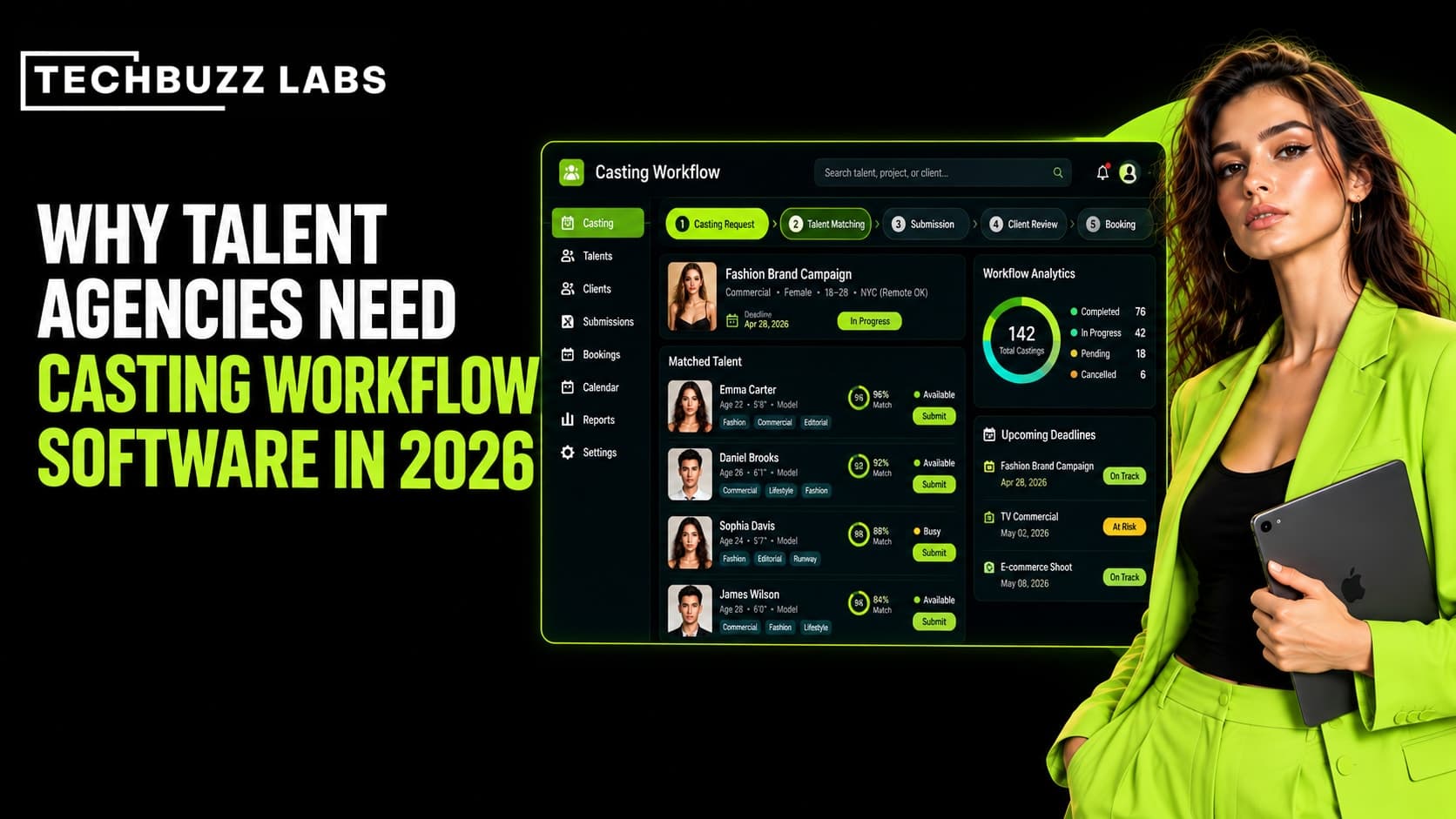
This helps teams distinguish between potential candidates, shortlisted talent, submitted profiles, approved candidates, and those who are no longer being considered.
Clear status management can make large casting projects easier to coordinate.
Availability Management
Talent availability can change frequently.
A model may be available when a casting request arrives but become unavailable later because of another booking.
For this reason, availability should be connected to the casting workflow rather than maintained separately.
Modern agency platforms increasingly connect talent profiles, availability, opportunities, and submissions within the same workflow.
This gives agents better information when deciding which talent should be submitted.
Submission Tracking
After creating a shortlist, agencies need to know which talent has been submitted and what happened afterward.
A workflow system can help track submission stages and prevent teams from losing track of candidates.
For example, talent may move through stages such as shortlisted, submitted, client reviewing, callback, approved, rejected, or booked.
The exact stages can vary according to the agency's process.
Client Feedback Management
Client feedback is another important part of the casting process.
A client may approve certain talent, request more options, reject candidates, or change the requirements of a project.
Keeping this information connected to the casting project helps teams understand the latest client decision.
It can also make it easier for another team member to take over the project without having to reconstruct the entire communication history.
How Automation Fits Into Casting Workflows
Automation can reduce repetitive administrative activities without replacing human judgment.
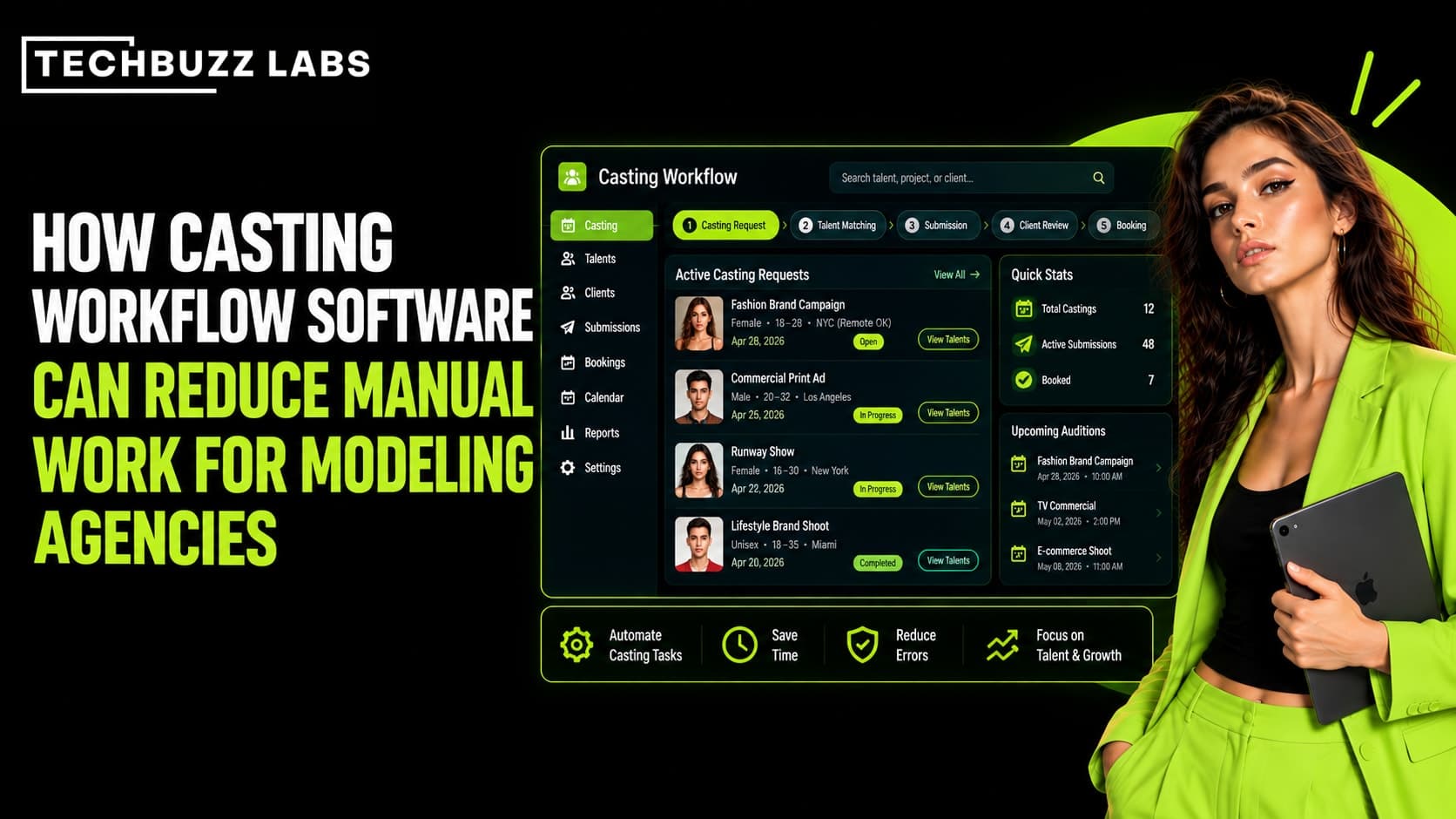
For example, agencies may automate reminders, internal notifications, availability requests, follow-ups, status updates, or other routine actions.
Some modern casting platforms specifically position automation around reminders, notifications, and repetitive workflow activities.
The most valuable automation is usually the automation that removes unnecessary administration while allowing agents to remain responsible for important talent and client decisions.
Casting Workflow Software and Team Collaboration
Casting is often a team activity.
One employee may receive a client request, another may search the talent database, and another may coordinate availability and booking details.
If everyone is working from separate documents and conversations, information can become fragmented.
A centralized workflow gives authorized team members access to the same project information.
This can improve handoffs and reduce duplicated work because employees can see what has already been done.
Connecting Casting With Booking
A modern casting workflow should not stop when a client selects talent.
The selected candidate often needs to move into the booking process, where the agency may need to confirm dates, availability, rates, schedules, usage requirements, and other project details.
Connecting casting and booking can reduce the need to manually transfer information between different systems.
The broader trend in talent-management software is toward connecting casting, client management, scheduling, and booking rather than treating them as completely separate processes.
Reporting and Operational Visibility
Casting software can also provide agencies with useful operational data.
Managers can potentially track active casting projects, submissions, response rates, bookings, pending actions, and workflow bottlenecks.
This information can help answer practical questions.
Which types of castings generate the most bookings? Where are projects slowing down? How quickly is the team responding to new requests? Which clients regularly send casting opportunities?
Instead of relying only on assumptions, agencies can use their workflow data to identify patterns and improve operations.
Customization Matters for Talent Agencies
Not every agency follows the same process.
A commercial talent agency may have different requirements from a fashion modeling agency. Agencies operating across multiple locations may also need different workflows from smaller specialized agencies.
This makes customization an important consideration.
The system should ideally allow agencies to configure fields, statuses, workflows, permissions, and other processes according to their business requirements.
A customized solution can be particularly useful when an agency has developed specialized processes that standard software cannot easily support.
Security and Access Control
Talent agencies manage valuable information, including personal details, portfolios, contact information, availability, client records, and project information.
Security should therefore be considered when evaluating casting workflow software.
Agencies should look at user permissions, access controls, data management practices, backups, and other security features before selecting a platform.
Different employees may need different levels of access, so role-based permissions can also help agencies control who can view or modify specific information.
How to Choose the Right Casting Workflow Software
Agencies should not choose software based only on the number of features advertised.
The most important question is whether the system fits the agency's actual workflow.
Before selecting a platform, agencies should consider how easily it handles talent search, casting management, availability, submissions, client feedback, booking, reporting, automation, and team collaboration.
Scalability is also important. A system that works for a small roster should ideally be capable of supporting a larger talent database, additional team members, more clients, and a higher volume of casting projects.
How TechBuzzLabs Supports Modern Talent Agencies
TechBuzzLabs takes a custom approach to technology for talent and modeling agencies.
Instead of requiring an agency to completely change its existing processes to fit a rigid platform, a custom system can be designed around the agency's specific workflow.
This can include centralized talent profiles, casting management, client requests, availability tracking, submissions, booking workflows, dashboards, automation, and other agency-specific functionality.
For agencies with unique processes or complex requirements, building technology around the business can provide more flexibility as the operation grows.
The Future of Casting Workflow Software
Casting technology is continuing to move toward more connected and intelligent workflows.
Centralized databases, automation, analytics, AI-assisted matching, and predictive insights can potentially help agencies manage large amounts of talent and casting information more effectively.
However, technology should support the expertise of agents rather than attempt to replace it.
The strongest agency workflows combine structured data and automation with human judgment, industry knowledge, talent relationships, and client understanding.
Final Thoughts
Casting Workflow Software can provide the technology foundation for a modern talent agency.
By connecting talent databases, casting projects, search, availability, submissions, client feedback, team collaboration, and bookings, agencies can create a more organized way to manage their daily operations.
The right system should not simply add another tool to an agency's technology stack. It should reduce fragmentation and create a clear workflow around how the agency actually works.
For growing talent and modeling agencies, investing in a well-designed casting workflow can provide better visibility, more consistent processes, and a stronger foundation for future automation and technology.