Deep dives, product updates, and the no-code playbook — fresh stories from our team to yours.
Many agency owners believe growth requires expanding their team. While hiring can help, the most scalable agencies in 2026 are improving systems before increasing headcount.
Most modeling agency owners focus on getting more clients and signing more talent. But many overlook a much bigger issue. Operational inefficiencies silently cost agencies thousands of dollars every year.
In 2026, brands and casting directors expect agencies to respond quickly. Whether it is a commercial campaign, fashion shoot, influencer collaboration, or brand activation, the agency that submits qualified talent first often wins the booking.
Brands no longer want large email chains filled with attachments and outdated PDFs. Today, clients expect fast access to professional talent presentations that help them make decisions quickly.
For many modeling and casting agencies, scheduling is one of the most overlooked operational challenges. A single double booking can create client frustration, damage agency credibility, and impact future business opportunities. As agencies grow, manual scheduling methods become increasingly risky.
In 2026, clients expect fast, organized, and professional experiences throughout the casting process. This is why more agencies are implementing client portals.
One of the biggest mistakes startup founders make is overbuilding their MVP. Many founders spend months creating advanced features before validating whether customers actually want the product.
The modeling and casting industry is moving faster than ever. Brands expect agencies to provide qualified talent recommendations almost immediately. Agencies that cannot confirm availability quickly often lose opportunities to competitors.
Many growing businesses use multiple tools to manage daily operations. One platform handles customer data. Another manages projects. A third handles communication. A fourth tracks payments. A fifth generates reports.
In 2026, casting agencies are competing in a faster industry than ever before. Brands expect talent recommendations within hours, not days. The agency that responds first with qualified talent often wins the project.
Many founders spend months building products before talking to potential users. Unfortunately, this often results in software nobody wants.
Many companies start with spreadsheets and eventually move to off the shelf CRM software. However, generic solutions often fail to match unique business processes.
Many modeling and casting agencies believe they lose bookings because of competition. In reality, many agencies lose opportunities long before clients make a final decision.
Businesses across the USA are under constant pressure to do more with fewer resources. The good news is that artificial intelligence is making automation accessible to companies of all sizes. Instead of spending hours on repetitive tasks, businesses can now automate major workflows and focus on growth.
One of the most common reasons SaaS startups fail is simple. Founders start building before validating. Many entrepreneurs spend months developing products only to discover there is little market demand.
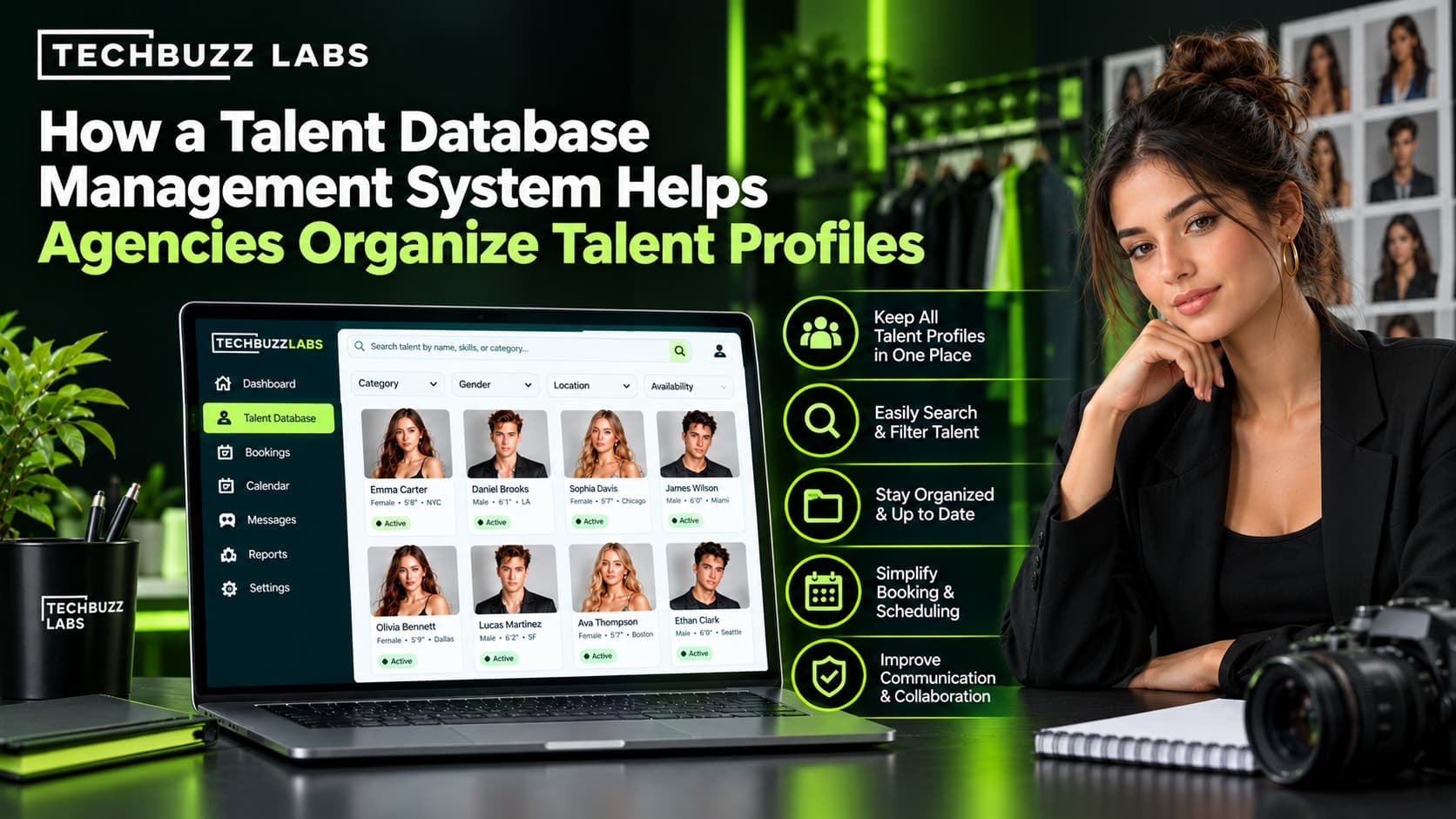
The Modeling Industry Is Becoming Technology Driven Across the United States, talent agencies are facing growing pressure to deliver faster submissions, better talent matches, and smoother client experiences.
Business applications are becoming smarter. One of the biggest trends shaping software in 2026 is the adoption of AI recommendation systems.
The casting industry is changing rapidly across the United States. Brands expect faster responses, better talent matches, and smoother booking experiences than ever before.
Businesses across the United States are using AI to eliminate repetitive tasks, improve customer experiences, and increase productivity.
The modeling industry is becoming increasingly competitive across the United States. Boutique modeling agencies are no longer competing only with local firms.
A Beautiful Website Does Not Guarantee Results Many businesses believe having a modern website automatically generates leads. In reality, most websites fail because they are designed for appearance instead of conversion.
Speed Is The Biggest Startup Advantage In 2026 Startup founders across the USA are no longer spending months building products before testing demand.
In 2026, startups are launching products faster than ever before. The reason is simple.
In 2026, talent agencies across the United States are rapidly moving toward digital operations. Agencies still relying on spreadsheets, WhatsApp messages, manual submissions, and disconnected workflows are struggling to keep up with modern client expectations.
In 2026, website speed is no longer just a technical preference. It directly affects SEO rankings, conversion rates, user trust, and lead generation.
In 2026, white label SaaS is becoming one of the most attractive business models for founders and agencies. Instead of building custom software separately for every client, businesses are creating reusable platforms that can be branded and sold repeatedly.
In 2026, many agency owners across the United States are reaching an important realization. Service businesses create income.
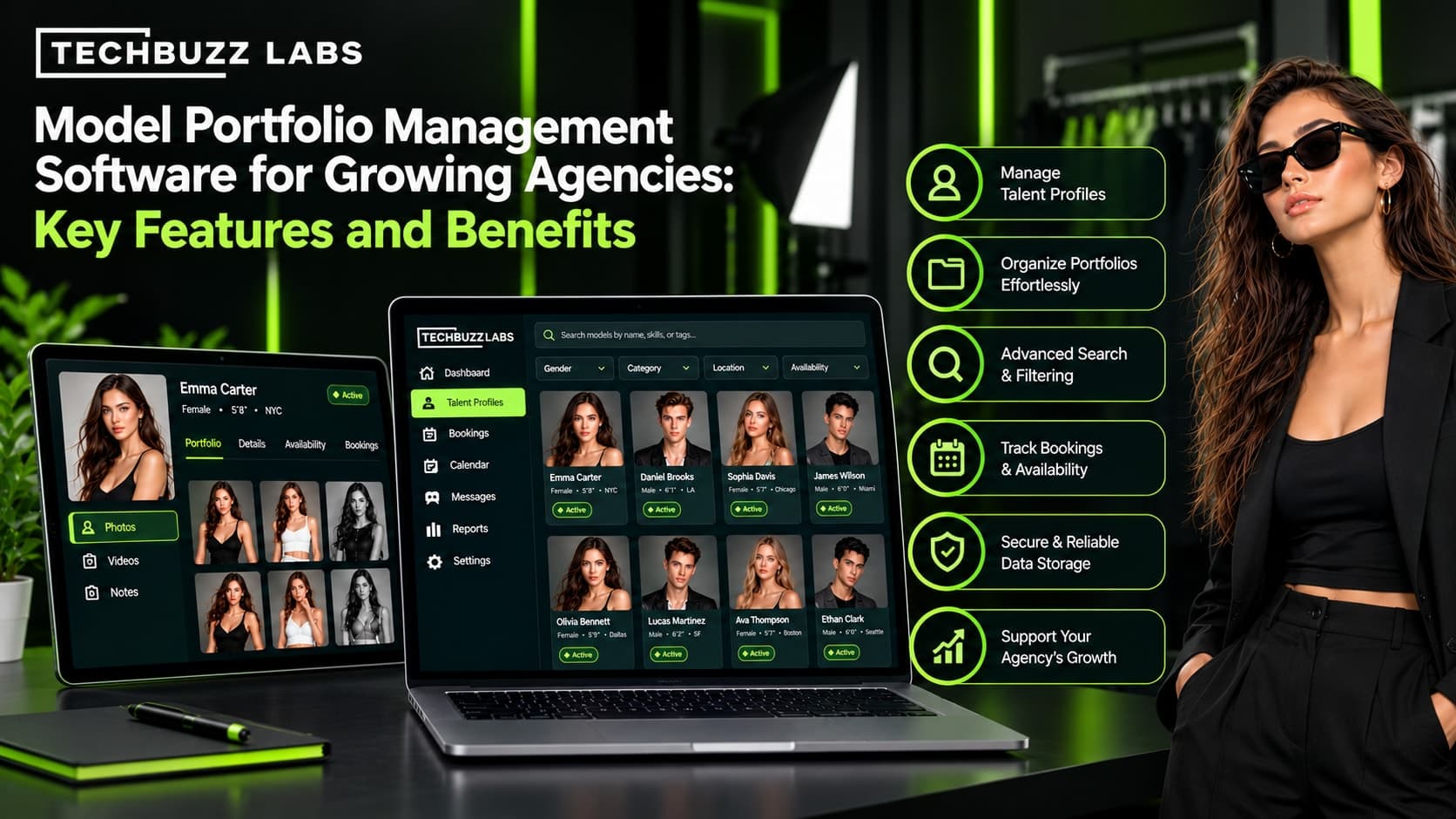
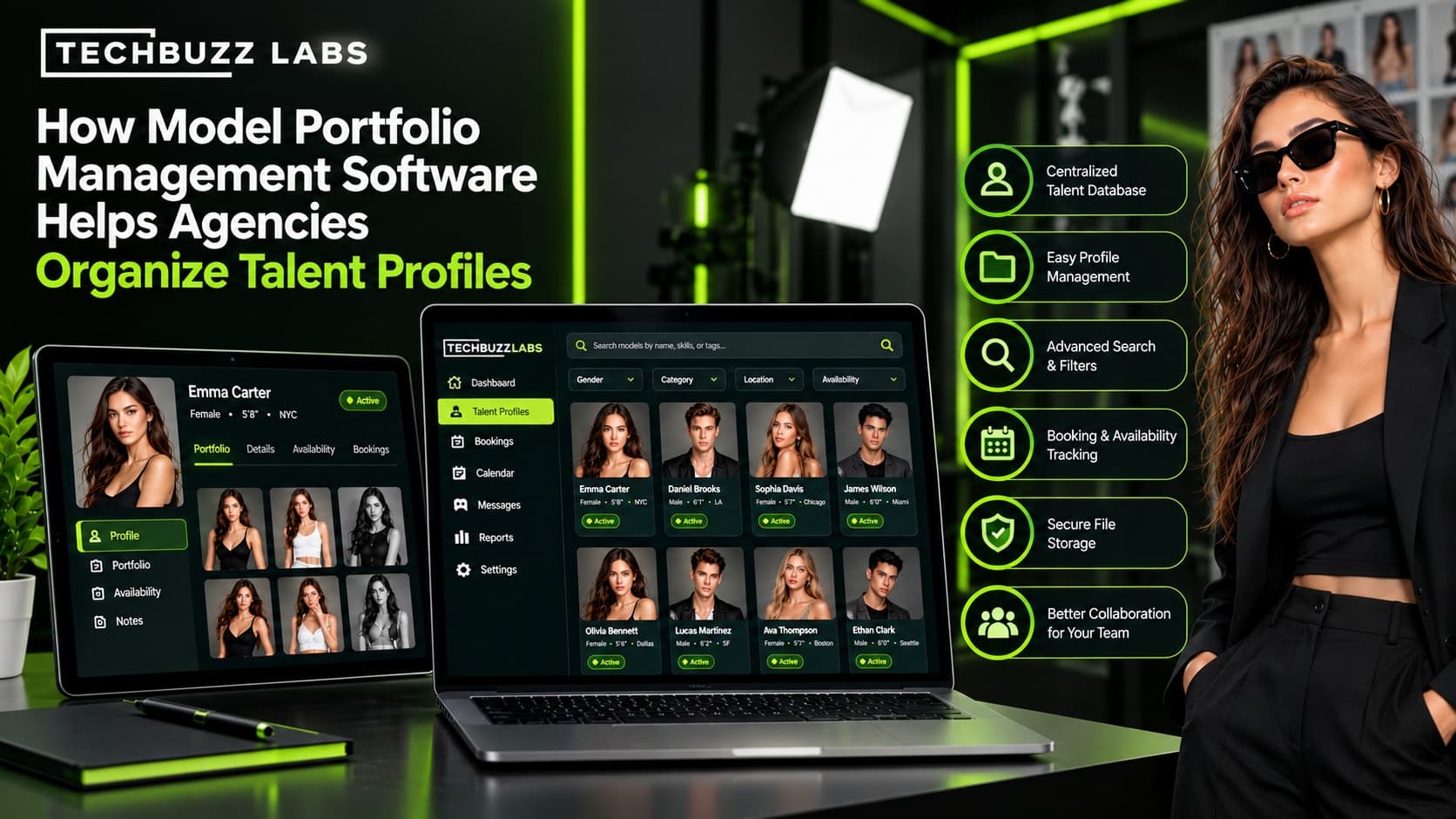
In 2026, the casting and modeling industry across the United States is becoming increasingly digital. Agencies that once relied heavily on PDF comp cards and static talent packages are now moving toward interactive digital talent profiles.
In 2026, businesses are spending more money than ever on software subscriptions. CRMs, booking tools, workflow apps, communication systems, dashboards, and project management platforms often create expensive operational stacks.
In 2026, having a good looking website is no longer enough. Service agencies across the United States are discovering that beautiful websites can still perform poorly if they are not optimized for conversions.
In 2026, casting and modeling agencies across the United States are under more pressure than ever. Brands expect faster submissions, clients expect professional communication, and talent expects instant updates.
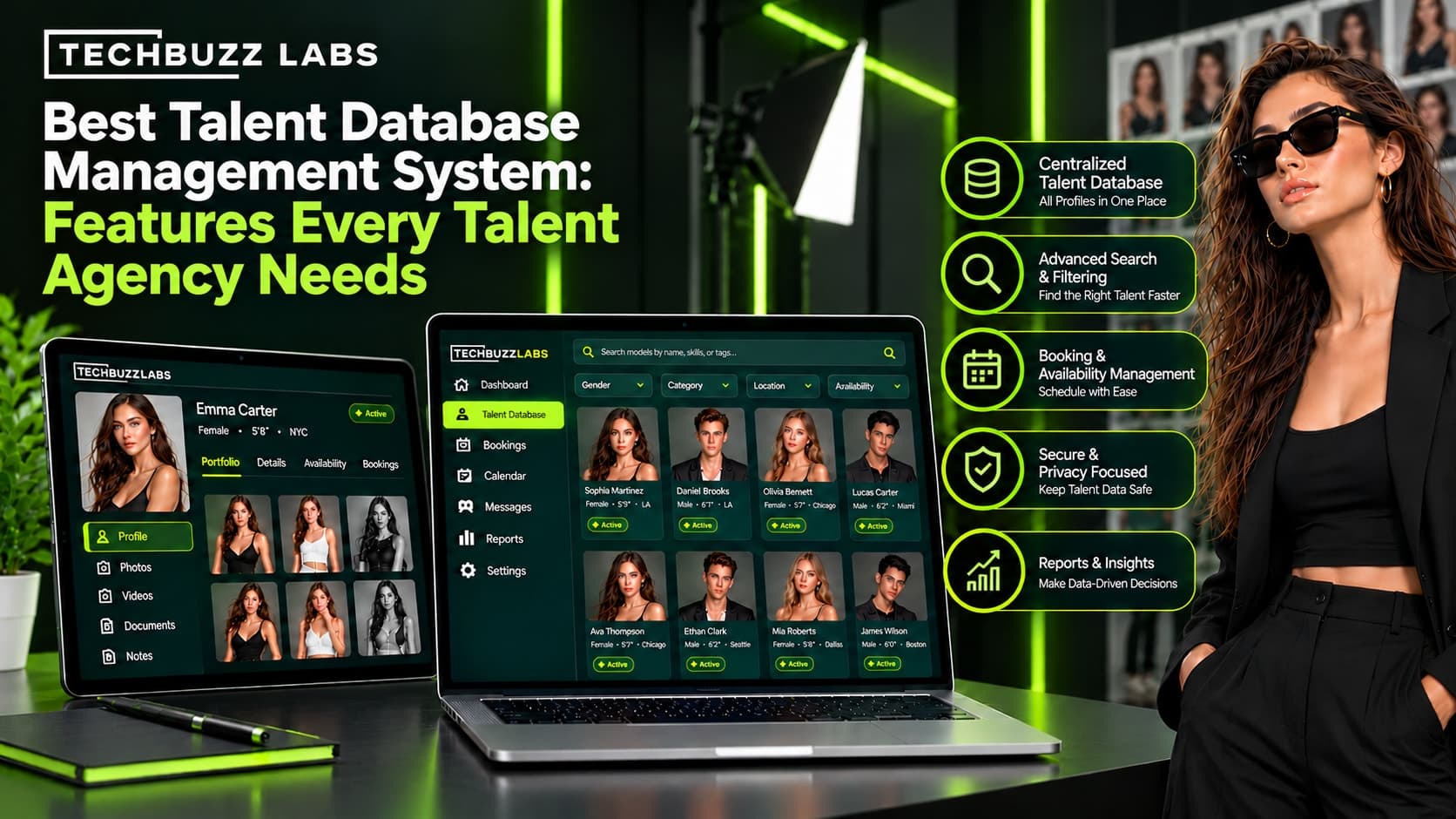
In 2026, talent agencies across the United States are evolving far beyond traditional spreadsheets, endless email threads, and scattered communication channels.
In 2026, startup speed matters more than ever. Founders across the United States and Europe are realizing that long development cycles create unnecessary risk.
In 2026, AI powered applications are no longer experimental technology projects. They are becoming operational assets for businesses across the United States and Europe.
In 2026, casting and modeling agencies across the United States are competing in a much more demanding industry than ever before. Brands are no longer choosing agencies based only on talent portfolios or industry connections.
In 2026, thousands of SaaS startups launch every single month across the United States, Finland, Germany, the Netherlands, Sweden, and other fast growing technology markets.
In 2026, businesses across the United States, Finland, Germany, Sweden, the Netherlands, and other technology driven European countries are changing how they manage operations.
In 2026, speed is one of the biggest competitive advantages for startups. Founders who launch quickly gather feedback faster, validate ideas earlier, and improve products more efficiently.
In 2026, the global SaaS market continues to grow at an extraordinary pace. Small startups and solo founders across the United States are entering industries that were previously dominated by massive software companies.
In 2026, casting and modeling agencies across the United States are moving faster than ever. Brands expect rapid responses, organized presentations, and smooth communication during the casting process.
In 2026, mobile first design is no longer a trend. It is the standard.
In 2026, digital payments are a core feature of almost every modern application. Startups and businesses across the United States are integrating payment systems directly into their apps to simplify transactions, automate billing, and improve customer experience.
In 2026, talent agencies across the United States are under more operational pressure than ever before. Between influencer campaigns, virtual auditions, self tape submissions, availability tracking, and brand communication, the old way of managing talent is breaking down fast.
In 2026, startup founders across the United States are under pressure to launch products quickly while managing limited budgets.
In 2026, businesses across the United States are realizing that spreadsheets and disconnected tools are slowing down sales growth.
In 2026, casting and modeling agencies across the United States are investing heavily in operational systems to manage talent, bookings, submissions, and client communication more efficiently.
In 2026, websites are no longer digital brochures. They are conversion systems, search engines for trust, and one of the biggest growth assets for businesses across the United States.
Internal business tools fail for one simple reason. Most companies build systems based on assumptions instead of real workflows.
In 2026, the casting industry reached a historic milestone with increased recognition at major entertainment awards. For talent agencies across the United States, this moment represents more than industry validation.
In 2026, artificial intelligence has become deeply integrated into everyday business applications. From customer support to personalized recommendations, AI systems are shaping how users interact with products across the United States.
In 2026, no code startups are attracting more investor attention than ever before. Across the United States, founders are launching products faster using platforms that reduce development costs and speed up validation.
In 2026, brands expect more from casting and modeling agencies than ever before. Fast communication, organized workflows, and seamless collaboration are no longer optional.
In 2026, having a visually appealing website is no longer enough. Businesses across the United States are realizing that design without SEO performance delivers limited results.
In 2026, AI chatbots have become one of the most valuable tools for businesses in the United States. From customer support to lead generation, AI powered conversations are helping companies automate communication and improve customer experience.
In 2026, casting and modeling agencies across the United States are facing a growing operational problem that most teams still underestimate.
In 2026, agencies across the United States are under pressure to move faster, manage more clients, and operate efficiently without constantly increasing team size.
In 2026, thousands of startups in the United States are launching products faster than ever using no code platforms. These tools have transformed how founders build MVPs, automate workflows, and test business ideas.
In 2026, boutique modeling agencies across the United States are facing intense competition from larger firms with bigger teams, larger budgets, and stronger market visibility. But size is no longer the deciding factor in agency success.
In 2026, AI agents have become one of the most important technologies in modern business software. Companies across the United States are integrating intelligent automation into their apps to improve efficiency, reduce operational costs, and enhance customer experience.
In 2026, one of the biggest trends in the United States startup ecosystem is the rise of micro SaaS businesses. Small focused software products built by solo founders are generating consistent recurring revenue without large teams or investor funding.
In 2026, casting agencies across the United States are moving toward a new approach to talent selection. Traditional instinct based decisions are being replaced by data driven casting systems that provide faster, smarter, and more accurate results.
In 2026, website traffic in the United States is more mobile driven than ever. Businesses that fail to optimize for mobile users are losing traffic, engagement, and conversions daily.
In 2026, businesses across the United States are automating scheduling and bookings faster than ever. Customers expect convenience, instant confirmation, and smooth online experiences.
In 2026, talent agencies across the United States are operating in a faster and more competitive environment than ever before.
In 2026, turning an idea into a live product no longer requires months of development. Across the United States, founders are using no code tools to launch products faster than ever.
In 2026, artificial intelligence has become a core layer of modern business applications. From customer support to workflow automation, AI is now integrated into products across the United States.
In 2026, self tape submissions have become the default method for casting across the United States. What once started as a convenient alternative has now turned into a core part of the casting process.
In 2026, your website is more than just an online presence. For agencies across the United States, it is the primary driver of leads, credibility, and client acquisition.
In 2026, founders across the United States are faced with a critical decision when building a product. Should they choose no code tools or invest in traditional development?
In 2026, businesses across the United States are focusing on internal efficiency as much as external growth. One of the most effective ways to improve operations is through internal business applications.
In 2026, personalized user experience is no longer optional. Apps that recommend the right content, products, or actions keep users engaged and increase retention.
In 2026, casting and modeling agencies across the United States are moving faster than ever. Clients expect quick responses, accurate talent matches, and smooth booking processes.
In 2026, building a SaaS product no longer requires a large team, significant funding, or advanced coding skills. Across the United States, founders are launching products faster than ever using no code tools and lean development strategies.
Choosing the right website platform has become one of the most important decisions for businesses in the United States. In 2026, two platforms dominate the conversation. Webflow and WordPress.
The casting industry in the United States is evolving at a rapid pace. In 2026, casting directors are no longer relying on traditional workflows built around emails, spreadsheets, and manual coordination.
Artificial intelligence is no longer limited to large corporations. In 2026, small businesses across the United States are actively exploring AI powered tools to improve operations, reduce manual work, and enhance customer experience.
Startup failure is not new. But in 2026, the reasons behind it are clearer than ever. Across the United States startup ecosystem, a large percentage of founders fail not because of poor execution, but because they build products that people do not need.
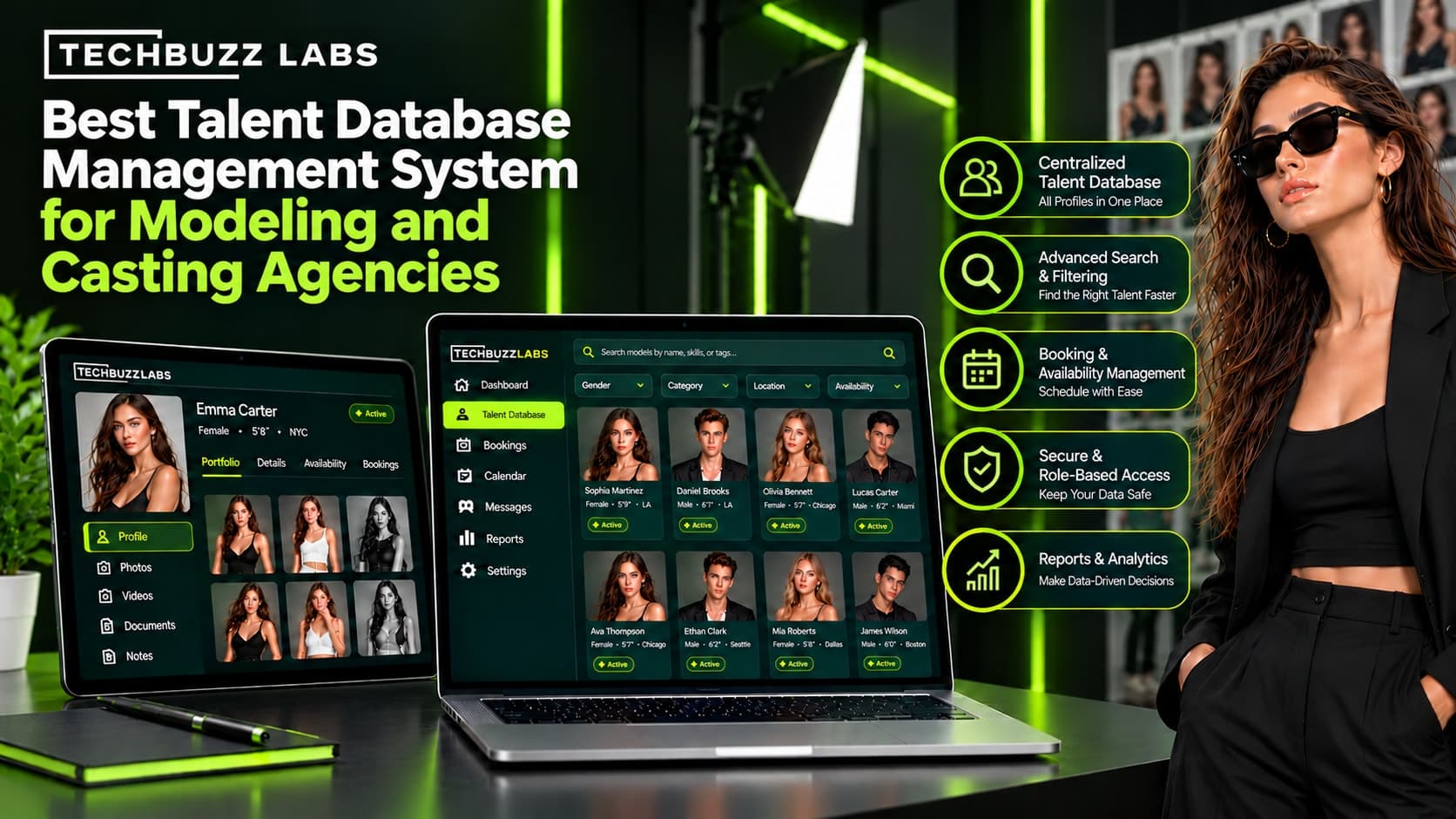
In 2026, modeling and casting agencies across the United States are shifting away from spreadsheets and manual workflows toward centralized digital systems.
In 2026, some of the most successful SaaS products are not built by large engineering teams. They are built by founders who understand a problem deeply.
In 2026, building a SaaS product is easier than ever. But building something people actually want is still the hardest part.
The modeling and casting industry in the United States has entered a new phase in 2026. Agencies are no longer competing only on talent. They are competing on speed, organization, and client experience.
For founders and startups in 2026, choosing the right no code platform is one of the most important early product decisions. Two of the biggest names in this space are FlutterFlow and Bubble.
The casting and modeling industry has changed dramatically over the last few years, and by 2026 virtual auditions are no longer an optional convenience. They have become the standard workflow for agencies across the United States.
In 2026, having traffic is no longer enough. For businesses across the USA, the real challenge is conversion. A landing page should do one thing exceptionally well.
In 2026, businesses are increasingly moving away from spreadsheets, scattered messaging apps, and disconnected workflows. One recent example is TeamSync, an internal workflow application designed to centralize team operations. The goal was simple.
One of the biggest trending terms in tech and startup communities in 2026 is vibe coding. Across the USA founder ecosystem, this phrase is rapidly gaining attention. But what does it actually mean?
In 2026, casting agencies across the USA are under more pressure than ever to move faster. Clients expect quicker turnarounds, more accurate talent matches, and polished shortlists delivered in hours rather than days. This is where AI is changing the game.
In 2026, the SaaS industry is shifting rapidly toward vertical software solutions. Across the USA startup ecosystem, niche software products are outperforming generic business tools in both adoption and customer retention.
Webflow continues to be one of the most popular website design platforms in 2026. Across the USA, startups, agencies, SaaS companies, and local businesses rely on Webflow for fast, clean, and SEO friendly websites.
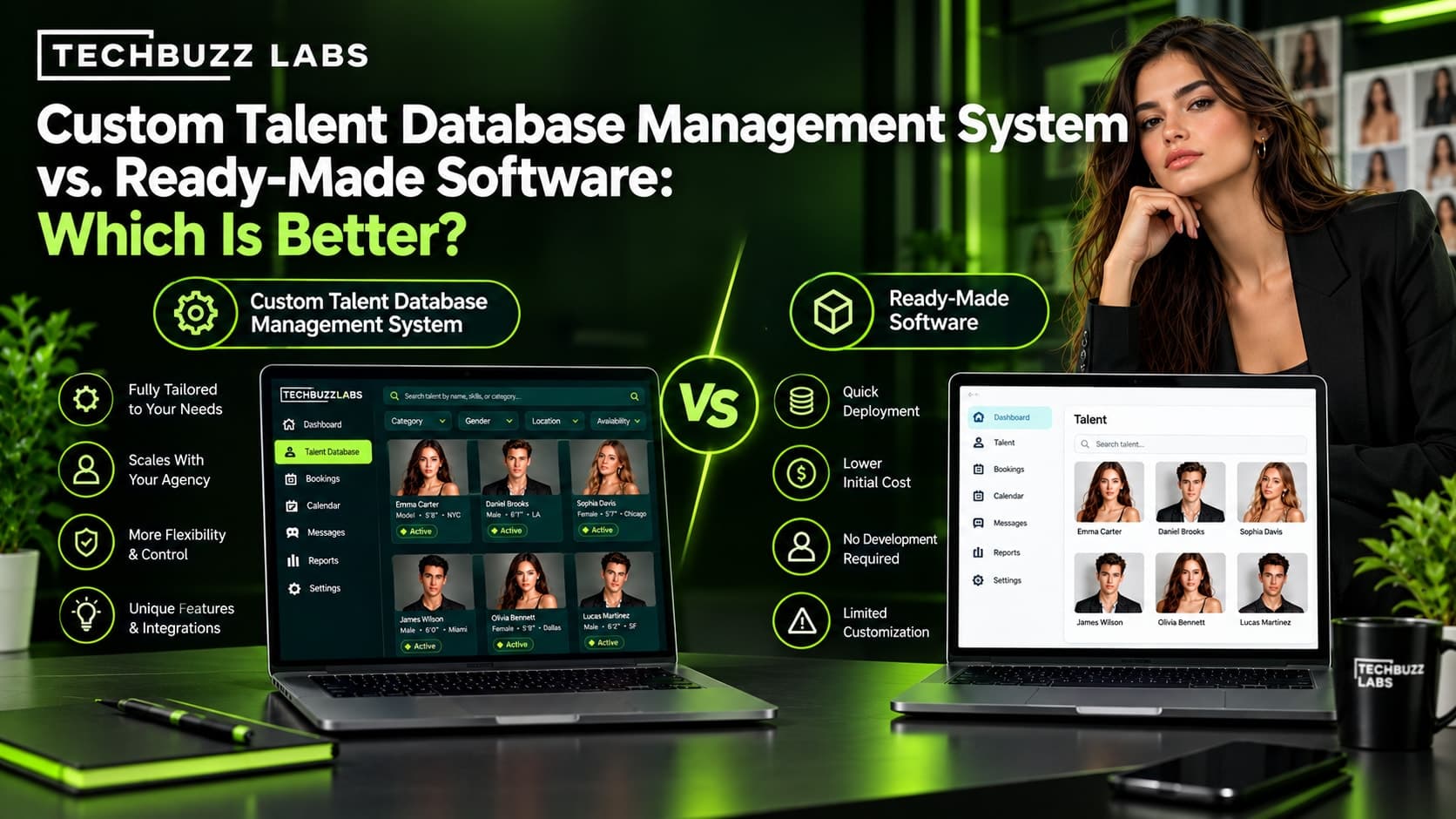
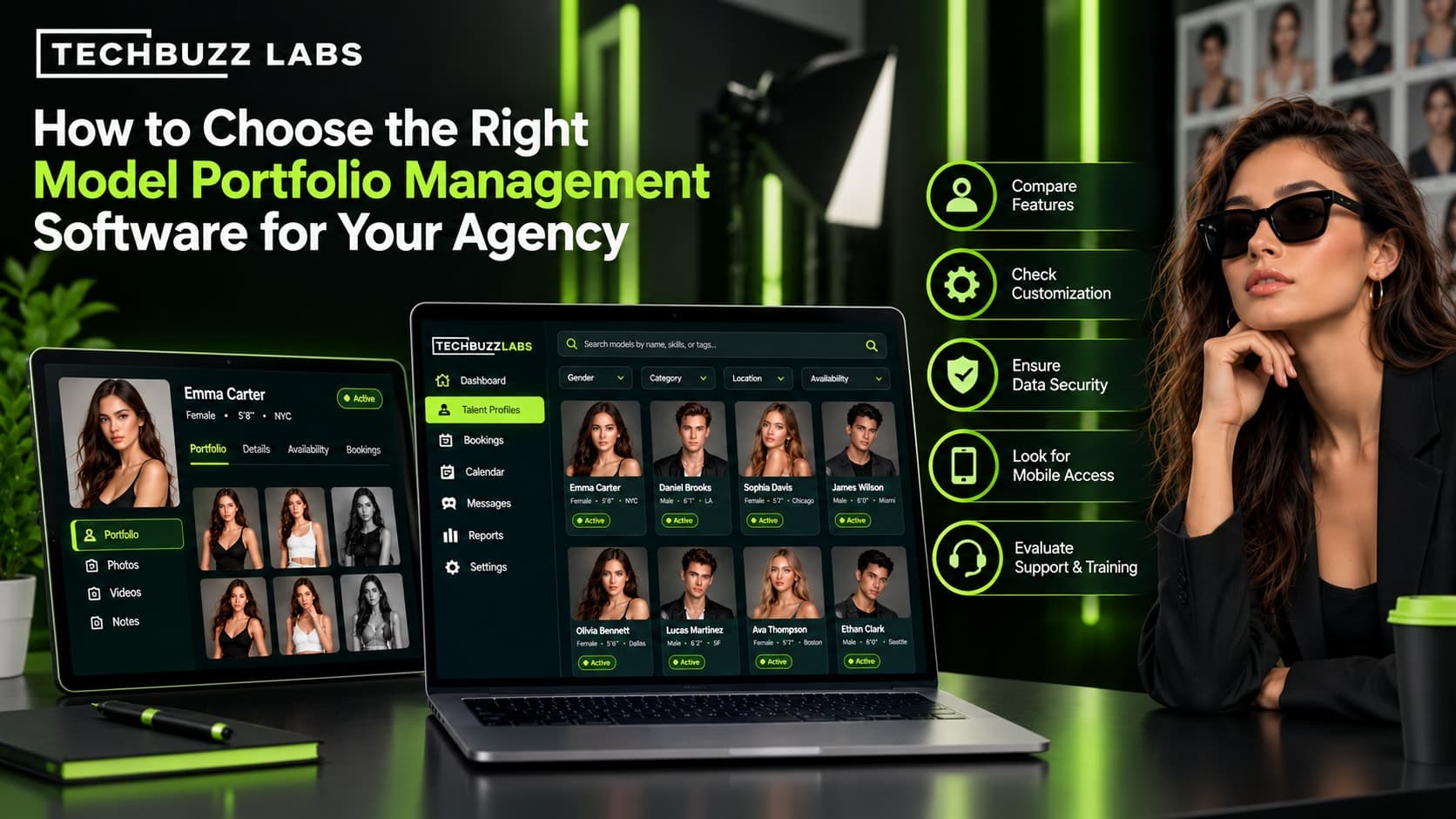
In 2026, boutique casting and modeling agencies across the USA are facing a major technology decision: should they use a ready made talent management platform like Syngency, or invest in a custom built system designed around their workflow?
Launching a startup in 2026 requires speed, smart budgeting, and fast validation. For most founders, one of the first major decisions is choosing how to build the MVP.
For many small modeling and casting agencies, spreadsheets still feel like the easiest way to manage daily operations. They are familiar, simple to use, and easy to share across teams. In the beginning, this setup may seem practical.