How Casting Workflow Software Can Reduce Manual Work for Modeling Agencies
When every step is handled manually, agents may spend significant time transferring information from one place to another.
Modeling agencies manage a surprising amount of administrative work behind every casting opportunity. An agent may need to read a client brief, enter project information, search through talent profiles, check availability, prepare submissions, send emails, update spreadsheets, track client feedback, and follow up with models. When an agency is handling multiple castings at the same time, these repetitive tasks can consume hours that could otherwise be spent on talent development and client relationships.
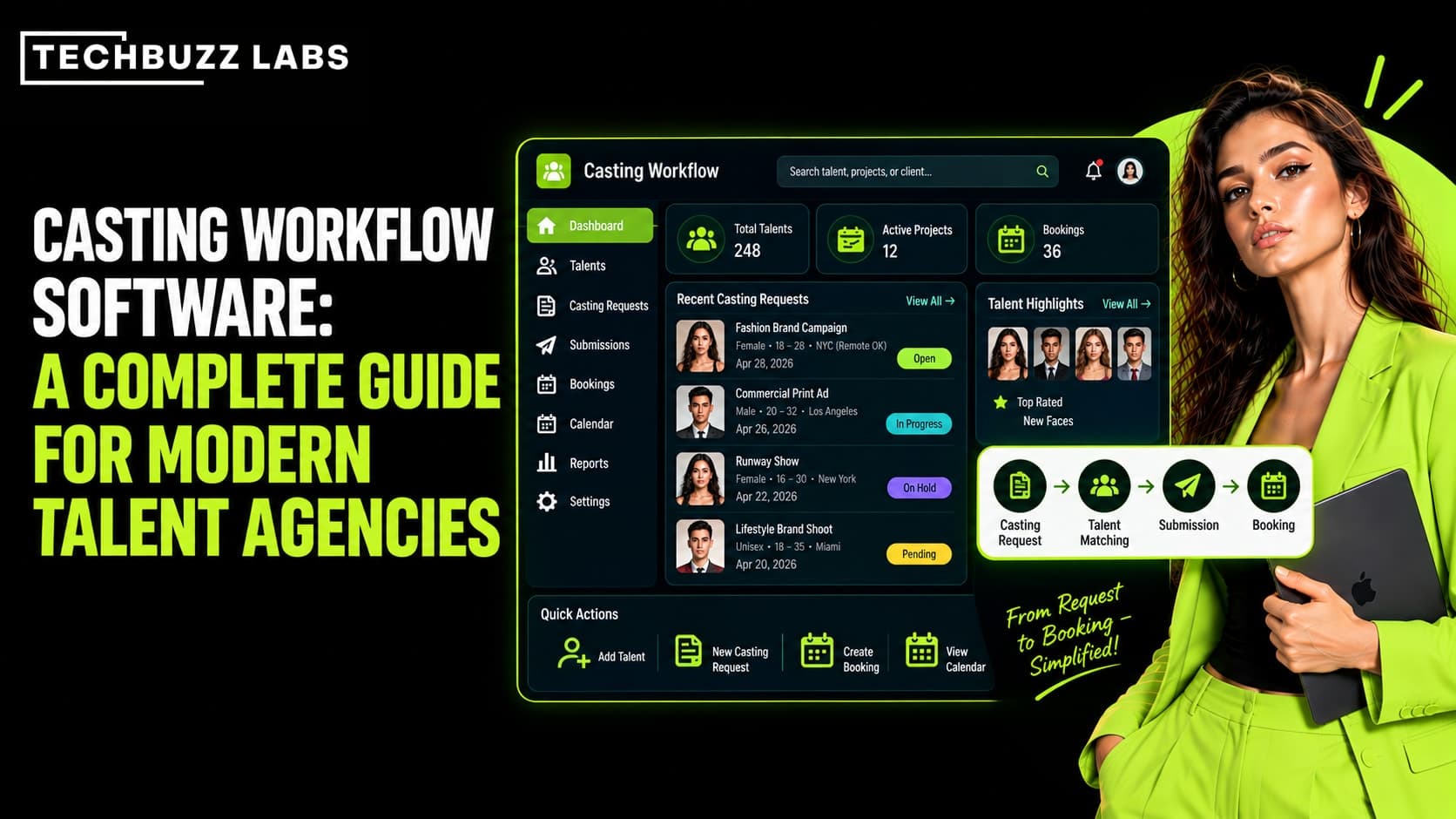
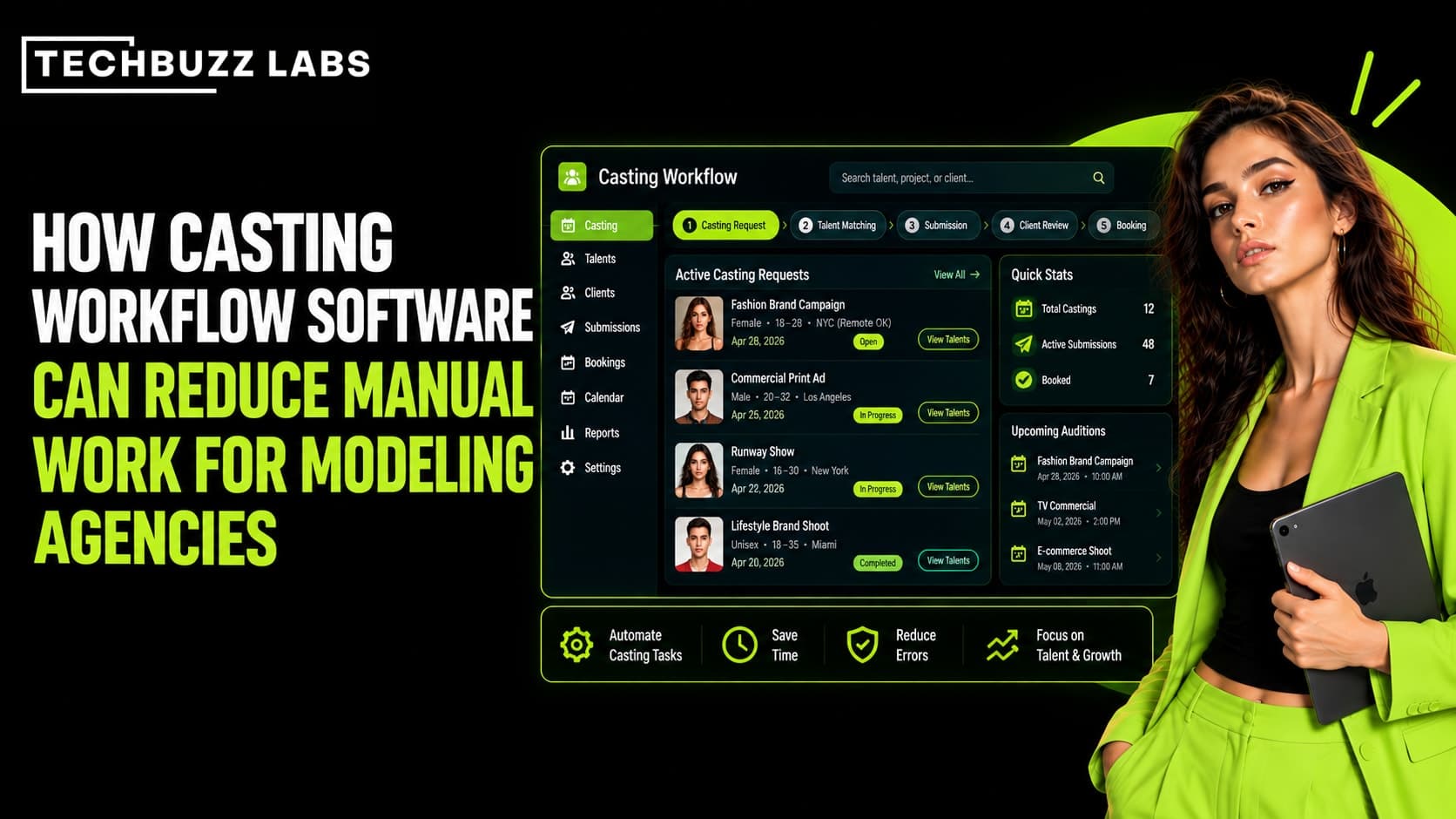
Casting Workflow Software can help modeling agencies reduce this manual workload by connecting the different stages of the casting process in one organized system. Instead of moving information between spreadsheets, emails, messaging apps, and separate databases, agencies can create a more connected workflow where repetitive administrative tasks are easier to manage.
For modeling agencies across the USA, including agencies working in New York, Los Angeles, Miami, Chicago, and other competitive markets, reducing unnecessary manual work can help teams respond faster while managing larger talent pools more efficiently.
What Is Casting Workflow Software?
Casting Workflow Software is a technology solution designed to organize the steps involved in managing casting opportunities.
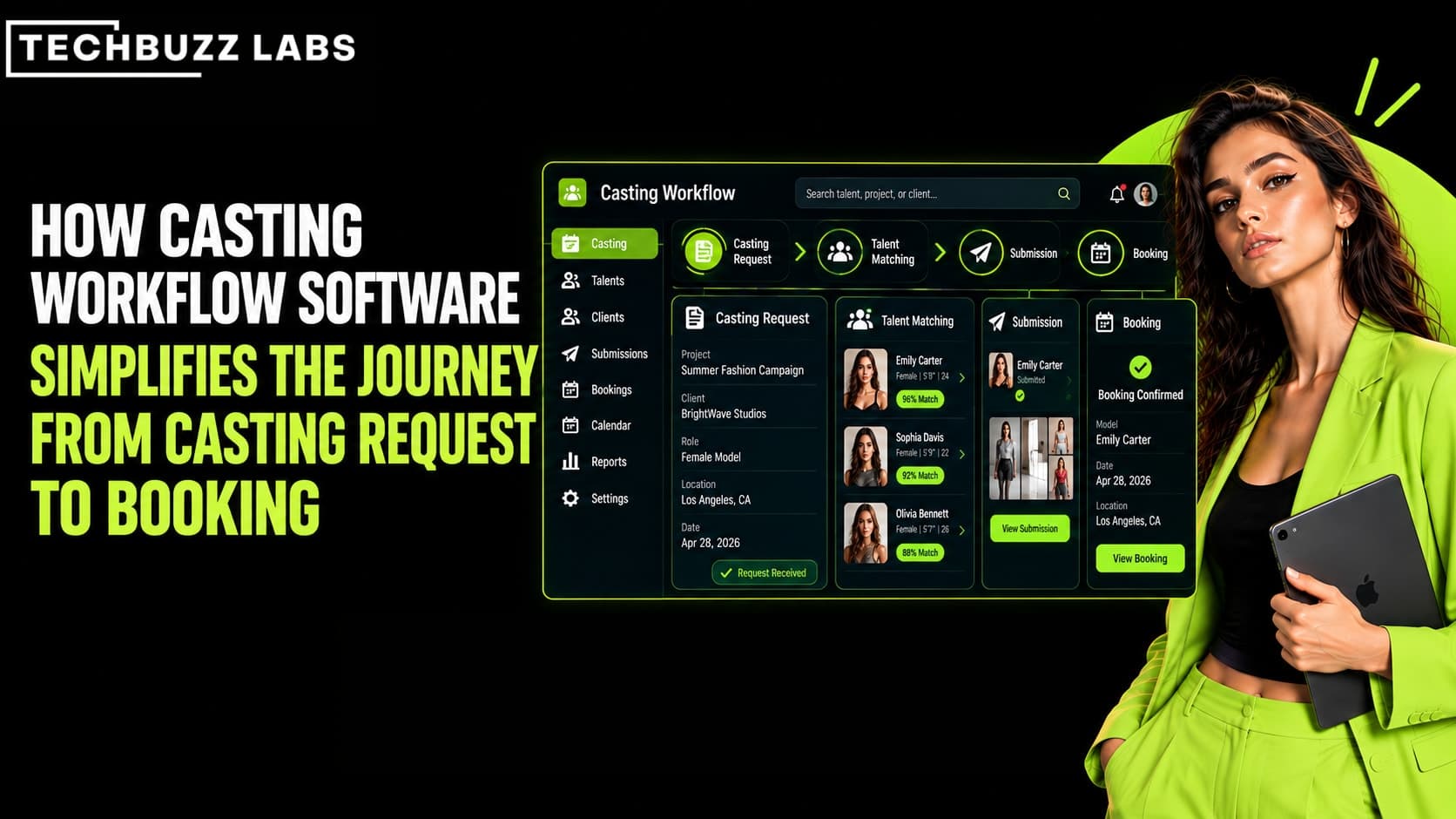
A typical agency workflow may start with a client sending a casting brief. The agency then records the requirements, searches for suitable talent, checks availability, prepares submissions, communicates with the client, tracks feedback, and eventually moves selected talent toward booking.
Casting Workflow Software can connect these stages so information remains organized throughout the process.
Why Manual Casting Work Creates Problems
Manual work is not always avoidable, but repetitive administrative tasks can become a major burden as an agency grows.
An agent might copy client requirements from an email into a spreadsheet, search another file for suitable models, message several models about availability, create a submission document, send it to the client, and then manually update the casting status.
Repeating this process for multiple opportunities can quickly become inefficient.
There is also a greater chance of duplicate data entry, outdated information, missed deadlines, or forgotten follow-ups.
Modern casting platforms increasingly focus on centralizing talent, opportunities, availability, submissions, and follow-ups specifically to reduce this type of fragmented work.
Centralizing Talent Information
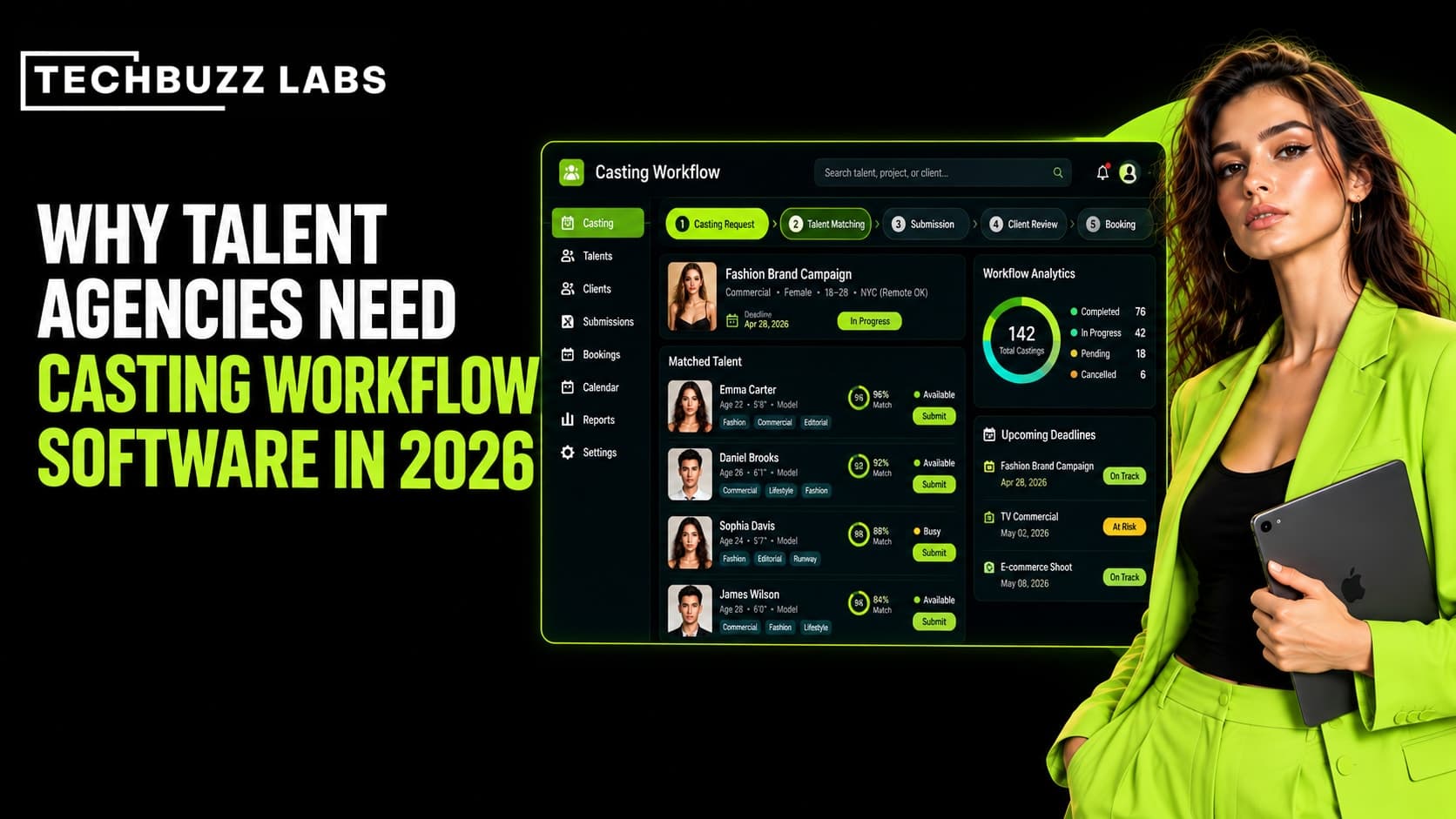
One of the easiest ways to reduce manual work is to keep talent information in one centralized database.
Instead of searching through separate spreadsheets, folders, and documents, agents can access organized talent profiles containing information such as portfolio materials, experience, location, skills, availability, and other agency-specific details.
When a casting opportunity arrives, the agent can search the existing database rather than manually collecting information from different sources.
This can save time while also creating a more consistent source of talent information.
Faster Talent Search and Shortlisting
Talent search can become one of the most time-consuming parts of the casting process, particularly for agencies managing large rosters.
Casting Workflow Software can provide search and filtering tools that allow agents to narrow down talent according to the requirements of a project.
For example, an agent may need talent in a particular city who have relevant experience and are available on specific dates.
Instead of reviewing every profile manually, the agent can use structured filters to create a more relevant starting shortlist.
Some modern platforms are also adding smart matching capabilities that analyze project criteria and surface potentially relevant talent.
Reducing Manual Availability Checks
Availability can change frequently in the modeling industry.
A model who was available in the morning may receive another booking later in the day. If availability is managed through separate messages or spreadsheets, agents may need to contact talent repeatedly before confirming whether someone can participate.
A connected workflow can keep availability information associated with talent profiles and casting opportunities.
This does not eliminate the need for confirmation when appropriate, but it can reduce unnecessary back-and-forth and give agents a clearer starting point when building a shortlist.
Automating Repetitive Notifications
Communication is another major source of repetitive work.
Agents may need to notify models about casting opportunities, request availability, send reminders, communicate deadlines, and follow up after submissions.
Casting Workflow Software can automate certain routine notifications based on predefined workflow rules.
For example, when a model is selected for a casting, the system may trigger an appropriate notification or create a task for the responsible team member.
Automation should be used carefully, but handling routine communication can give agents more time for conversations that require personal attention.
Making Submissions More Efficient
Preparing model submissions can involve collecting photographs, profile information, experience, measurements, and other relevant details.
When this information is stored centrally, agents do not have to repeatedly search for and copy the same information.
A connected system can make it easier to create consistent submissions from existing talent profiles.
This can reduce repetitive data entry and help agents prepare client-ready information more efficiently.
Modern agency software commonly connects talent profiles with submissions and project tracking rather than treating each submission as a separate manual task.
Automatically Tracking Casting Status
Another repetitive task is updating the status of every casting opportunity.
An agency may have statuses such as:
New → Shortlisting → Submitted → Client Review → Audition → Selected → Booked
If these statuses are manually maintained across spreadsheets, keeping them current can become difficult.
A workflow-based system can make status management more structured. When an opportunity progresses to another stage, the relevant information can be updated within the centralized workflow.
This gives agents and managers a clearer picture of active opportunities without requiring separate manual reports.
Reducing Follow-Up Work
Follow-ups are important, but they can also become difficult to manage when an agency has many active castings.
An agent may need to remember which client has not responded, which model needs to confirm availability, or which casting deadline is approaching.
A centralized workflow can create reminders and tasks around these activities.
Instead of relying entirely on memory, agents can see outstanding actions and prioritize them.
This can be particularly useful when an agency is managing dozens of casting opportunities simultaneously.
Connecting Client Feedback With Casting Records
Client feedback is valuable information, but it can easily become disconnected from the original casting.
For example, feedback might be stored in an email conversation while the casting status remains in a spreadsheet.
A connected casting workflow can keep client communication and feedback associated with the relevant opportunity.
This means agents can review what happened during previous stages without searching through multiple communication channels.
Over time, this information can also help agencies understand client preferences and improve future submissions.
Improving Team Collaboration
Manual workflows can create another problem: different team members may have different versions of the same information.
One agent may know that a client has already responded, while another may still be preparing a follow-up. Someone else may have updated a model's availability without notifying the rest of the team.
Casting Workflow Software provides a shared operational view.
When authorized team members work from the same information, it becomes easier to understand who is handling an opportunity, what has already happened, and what needs to happen next.
This can reduce duplicated work and improve internal coordination.
Reducing Manual Data Entry
Repeated data entry is one of the clearest areas where workflow technology can save time.
If model information, client details, casting requirements, and booking information are entered into several different systems, agents are essentially doing the same administrative work multiple times.
A centralized platform allows information to be stored once and reused across connected workflows.
For example, a model's existing profile information can support a casting submission without requiring an agent to recreate the profile from scratch.
This can also reduce the risk of inconsistent or outdated information.
Connecting Casting to Booking
The work does not stop when a client selects a model.
The agency may still need to confirm dates, communicate with talent, update booking details, and coordinate the next stage of the project.
A connected workflow can make this transition smoother by keeping relevant casting information available as the opportunity moves toward booking.
Instead of manually transferring information from one system to another, the agency can maintain continuity throughout the process.
This approach is increasingly reflected in modern talent platforms that connect opportunities, submissions, confirmations, follow-ups, and bookings in one workflow.
How TechBuzzLabs Can Help Reduce Manual Agency Work
TechBuzzLabs focuses on custom technology solutions designed around the actual workflows of businesses. For modeling and talent agencies, this can include connecting talent profiles, casting opportunities, availability, submissions, client requests, and bookings within one centralized system.
For agencies that have outgrown spreadsheets, email chains, messaging apps, and disconnected tools, a custom Casting Workflow Software solution can be designed around their specific processes.
Instead of forcing agents to completely change how they work, the system can be built to support the agency's existing workflow while reducing repetitive administrative steps.
This can help teams spend less time moving information between tools and more time focusing on talent, clients, and casting decisions.
Preparing for More Efficient Agency Operations
Reducing manual work does not mean automating every decision.
Modeling remains a relationship-driven business where agents need to evaluate talent, understand client expectations, communicate professionally, and make decisions based on experience.
The goal of workflow software is to remove unnecessary administrative friction.
When repetitive tasks such as data entry, searching, notifications, status updates, and follow-ups are better organized, agents can dedicate more time to work that requires human judgment.
This can become particularly valuable as an agency expands its roster and takes on more casting opportunities.
Conclusion
Modeling agencies can spend a significant amount of time managing repetitive casting administration. Searching for talent, checking availability, preparing submissions, updating statuses, sending reminders, tracking feedback, and transferring information between tools can quickly add up.
Casting Workflow Software can reduce this burden by connecting the different stages of the casting process and centralizing important information.
For U.S. modeling agencies, a well-designed workflow can make talent search faster, availability management easier, submissions more organized, follow-ups more reliable, and team collaboration more efficient.
TechBuzzLabs can help agencies build custom systems around their specific casting and talent management processes, allowing technology to handle more of the repetitive administrative workload while agents remain focused on the decisions and relationships that drive the business.
The real advantage is not simply doing more work with software. It is removing unnecessary manual work so the agency can spend more time doing the work that actually requires people.