How Casting Workflow Software Simplifies the Journey From Casting Request to Booking
The biggest advantage is not simply having more software. It is having a clear process where information can move from one stage to the next without being repeatedly copied, searched for, or recreated.
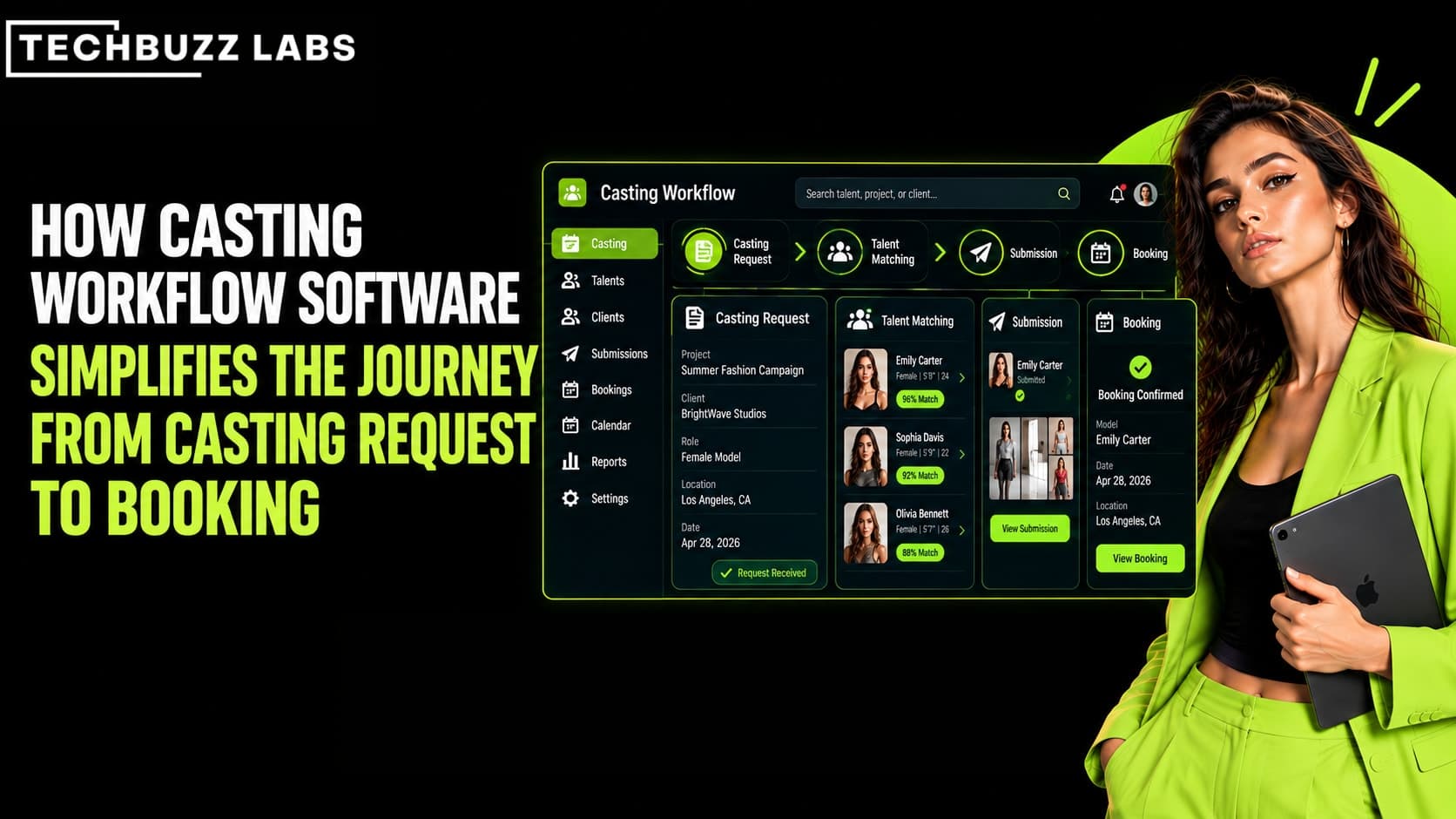
For modeling and talent agencies, turning a casting request into a confirmed booking can involve many steps. A client may send a brief by email, WhatsApp, or phone, while agency teams search talent databases, check availability, prepare shortlists, collect feedback, and coordinate final booking details. When these activities are handled across disconnected tools, even a simple casting request can become difficult to manage.
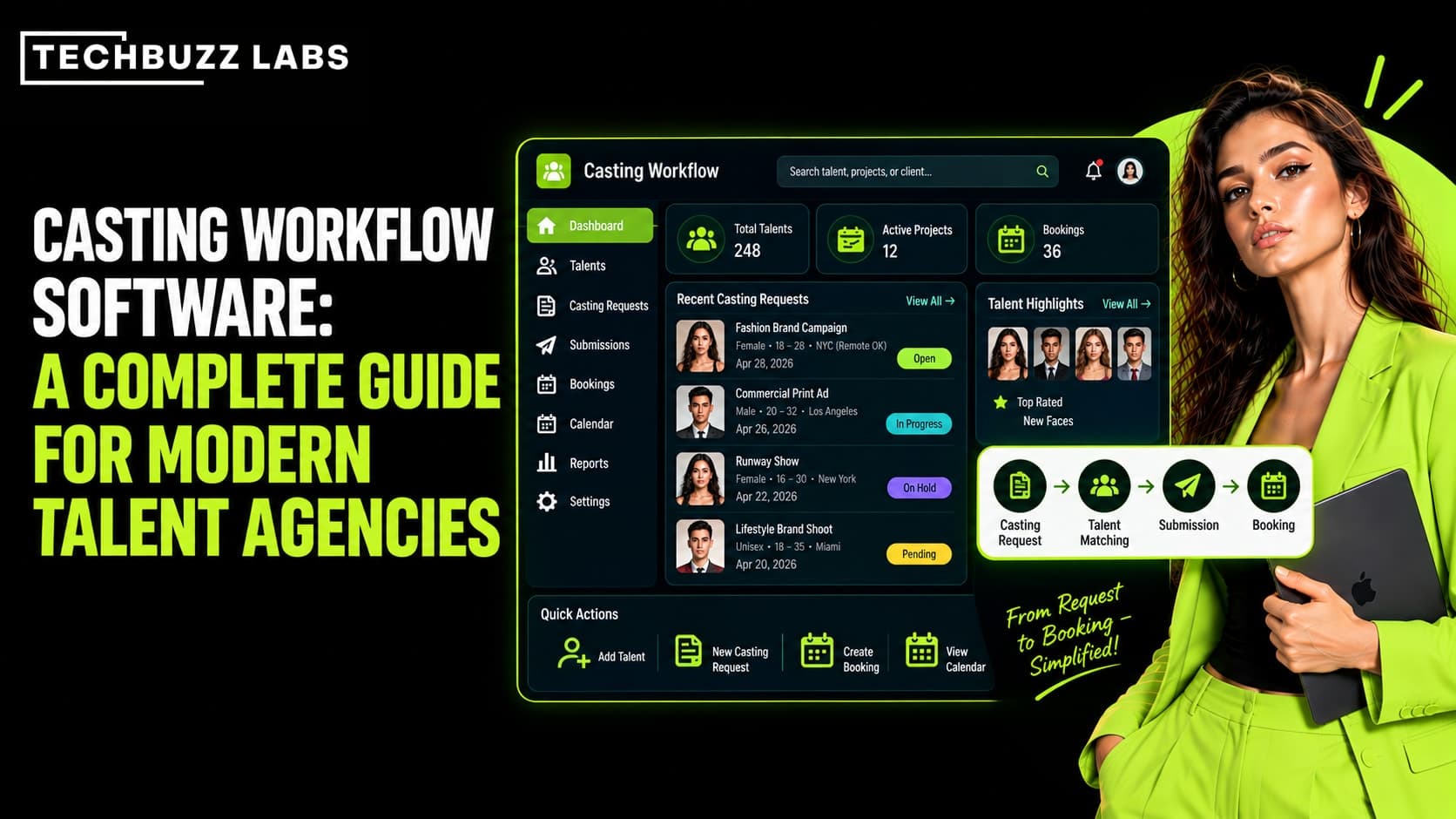
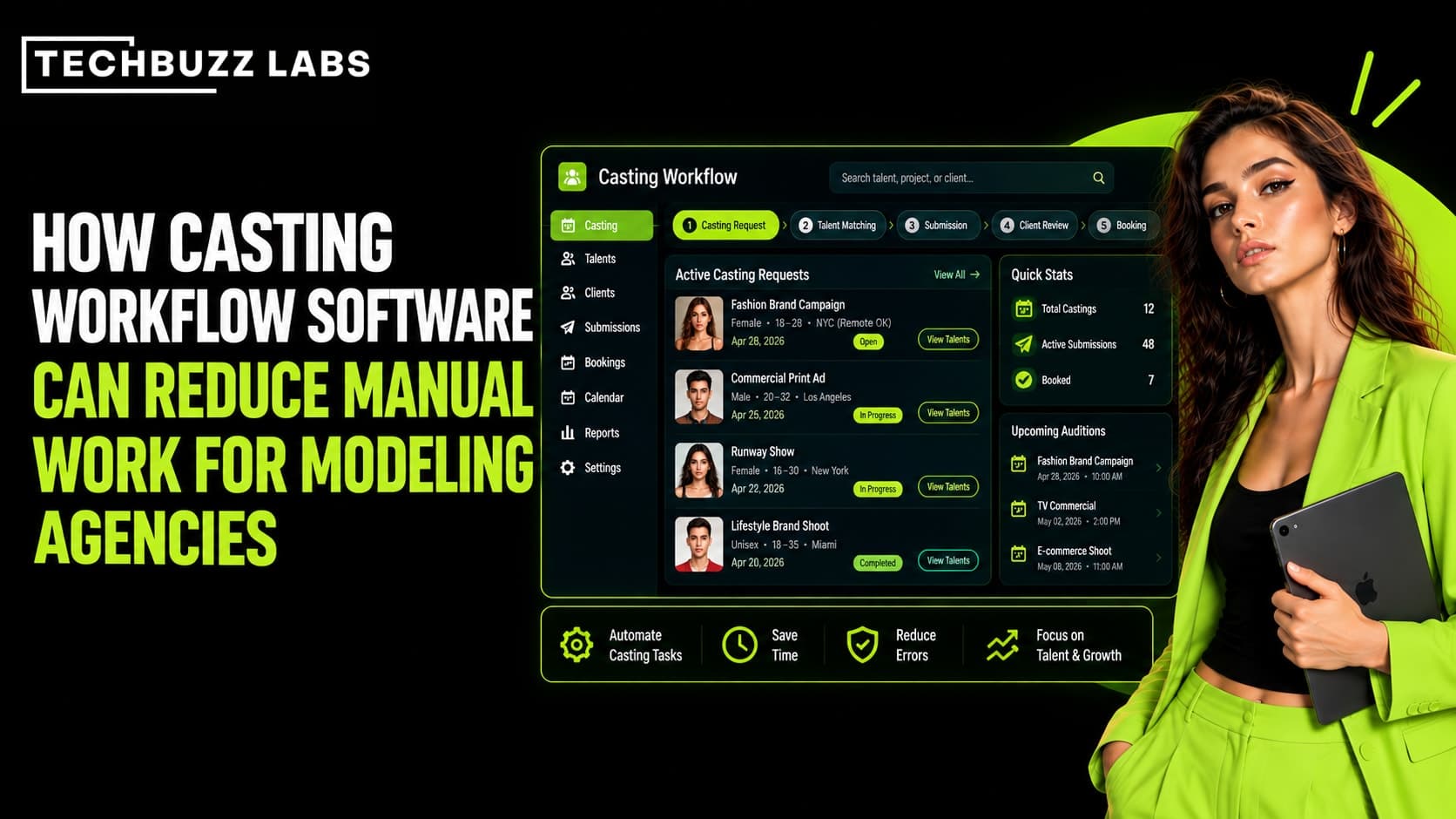
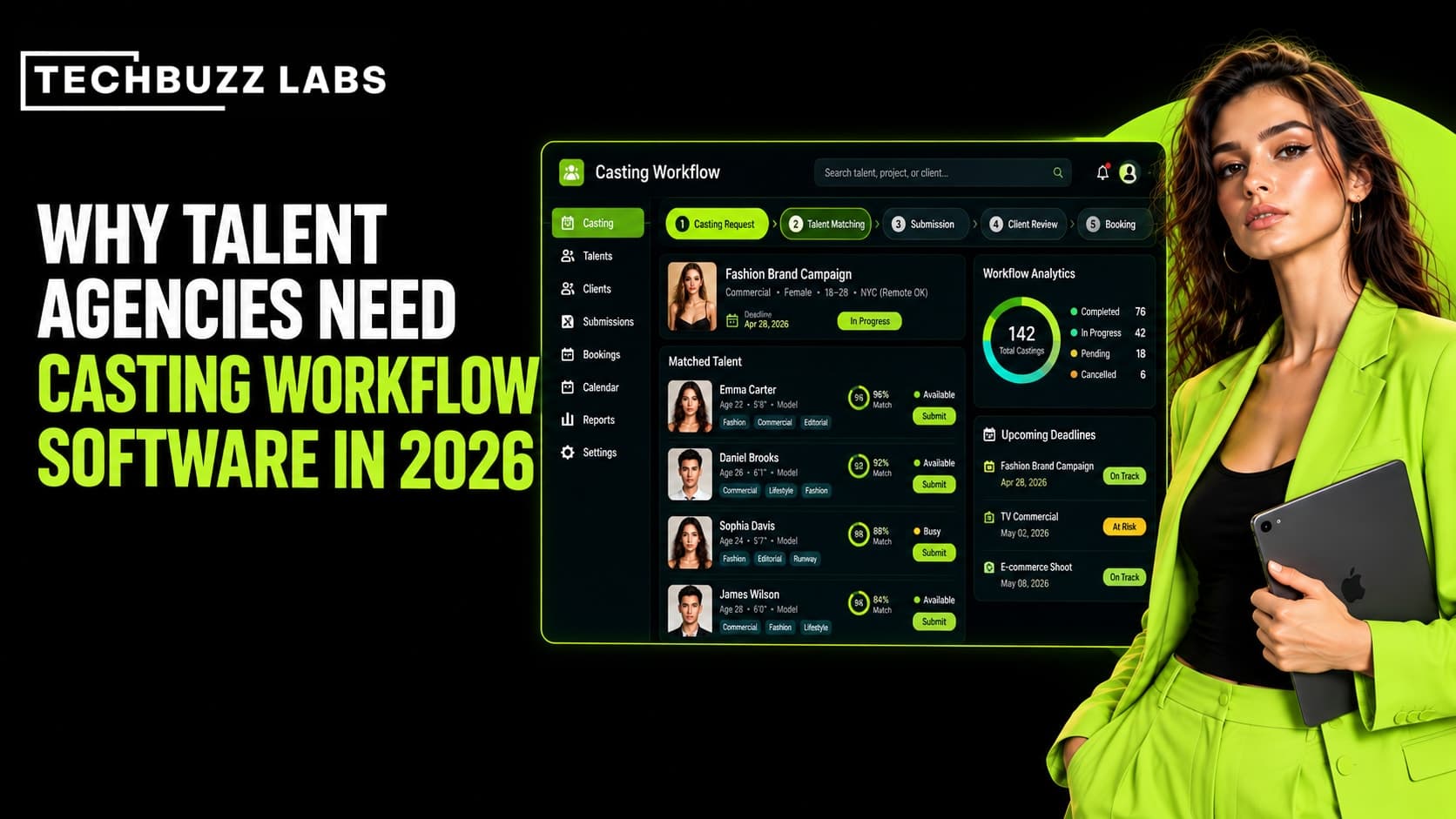
Casting workflow software helps agencies connect these stages in one structured process. Instead of treating casting, talent management, communication, and booking as separate tasks, the software creates a connected workflow that helps teams move from the initial client request to the final booking with greater visibility and consistency.
What Is Casting Workflow Software?
Casting workflow software is a technology solution designed to organize the different stages involved in finding, evaluating, submitting, and booking talent.
For a modeling agency, this can include managing casting briefs, searching talent profiles, checking availability, creating shortlists, sending submissions to clients, tracking feedback, and moving selected models toward confirmed bookings.
Modern casting platforms increasingly bring talent profiles, opportunities, availability, submissions, follow-ups, and bookings into connected workflows rather than requiring agencies to manage each area separately.
1. Turning a Client Request Into a Structured Casting Brief
The process usually starts when a client sends a casting request.
The request may include details such as the type of model required, age range, location, appearance, experience, project dates, campaign type, usage requirements, and budget.
Without a structured system, these details can remain inside an email thread or message conversation. Team members may then have to manually interpret the request before beginning the search.
Casting workflow software can organize these requirements into a structured casting brief. This gives the agency a central reference point for the project and helps the team understand exactly what the client is requesting.
2. Finding Relevant Talent Faster
Once the casting brief is created, the next challenge is finding suitable talent.
A large modeling agency may have hundreds or thousands of profiles. Searching manually through spreadsheets, folders, emails, or separate profile systems can make the process inefficient.
With a centralized talent database, agencies can search and filter profiles according to relevant criteria. They may be able to review measurements, location, experience, portfolio information, skills, previous work, availability, and other agency-specific information from one system.
This makes the transition from casting request to talent search much more organized.
3. Building a Strong Shortlist
Finding potential models is only part of the process. Agencies also need to create a shortlist that matches the client's requirements.
Casting workflow software can help teams compare relevant profiles and organize selected talent into a project-specific shortlist.
Instead of creating separate spreadsheets or manually collecting profile information, the team can work from the same casting record. This helps keep the shortlist connected to the original client request.
For agencies handling multiple castings at the same time, this organization can make it easier to see which talent has been considered, shortlisted, submitted, or rejected.
4. Checking Talent Availability Before Submission
Availability is an important part of the casting process.
A model may match the client's requirements perfectly but still be unavailable on the project dates. If an agency discovers this too late, valuable time can be lost.
Casting workflow software can connect talent profiles with availability information, allowing teams to consider scheduling constraints before moving candidates further through the workflow.
Some modern casting platforms specifically include availability management and automated availability requests as part of the casting-to-booking process.
This can help agencies submit more realistic options to clients and reduce unnecessary back-and-forth.
5. Presenting Talent to Clients
After creating a shortlist, the agency needs to present the selected talent to the client.
Instead of manually preparing separate emails, attachments, spreadsheets, or presentation documents, a connected workflow can allow agencies to organize talent selections around the casting project.
Client feedback can then remain associated with the relevant talent and project.
This becomes especially useful when clients are reviewing several models. The agency can maintain a clearer record of who was selected, who was declined, who requires follow-up, and who is moving forward.
6. Managing Client Feedback and Decisions
Casting decisions can change quickly.
A client might approve one model, request additional options, reject several submissions, or ask for a new category of talent.
When these decisions are tracked through scattered emails and messages, it becomes easier to miss important updates.
Casting workflow software provides a central place for tracking casting statuses and decisions. The agency team can see what stage each talent profile has reached and what action should happen next.
This creates a more transparent workflow from submission to approval.
7. Moving From Approval to Booking
One of the most important stages is the transition from client approval to confirmed booking.
Selecting a model does not necessarily mean the job is complete. The agency may still need to confirm availability, rates, dates, usage, contracts, logistics, and other booking information.
A connected workflow allows the approved talent to move into the booking stage while keeping the original casting information connected.
Modern casting systems increasingly treat approval and booking as connected stages rather than separate processes.
This reduces the need to recreate information after the client has made a decision.
8. Giving Teams a Clear View of Every Casting
Another major advantage is visibility.
An agency may have dozens of active projects at different stages. One casting could be waiting for client feedback, another could be checking availability, while another may already have approved talent ready for booking.
A workflow-based system can give teams a clearer view of these stages.
Instead of asking, “What happened with this casting?” team members can look at the project record and understand where it currently stands.
This becomes increasingly valuable as an agency grows and multiple employees begin working on the same projects.
9. Reducing Delays Between Casting Stages
Casting opportunities can move quickly, particularly when clients have tight deadlines.
Delays often occur when information has to move manually between people or systems. A client request may sit in an inbox, availability may need to be confirmed separately, and booking information may later be entered into another system.
Casting workflow software connects these stages and makes the next step more visible.
The goal is not to remove human decision-making. Instead, it gives the team a structured environment where important information and actions are easier to manage.
10. How TechBuzzLabs Can Support a Connected Casting Workflow
For modeling and talent agencies, the right workflow may vary depending on the agency's roster size, client process, and booking requirements.
TechBuzzLabs focuses on custom-built systems that can be designed around an agency's specific workflow. This can include centralized talent profiles, casting management, availability tracking, client requests, submissions, booking processes, dashboards, and automation.
Rather than forcing every agency into exactly the same process, a customized platform can be structured around how the agency actually manages its casting operations.
The Future of Casting Is More Connected
The journey from casting request to booking involves many individual decisions, but the process does not have to feel fragmented.
Casting workflow software can connect the major stages: capturing the client request, structuring the brief, finding suitable talent, checking availability, creating a shortlist, collecting client decisions, and moving approved talent toward booking.
For growing modeling agencies, this connected approach can provide better visibility, faster coordination, and a more consistent way to manage casting projects.
The real value of casting workflow software is not simply automating individual tasks. It is creating a clear path from the moment a client asks for talent to the moment that talent is successfully booked.