How to Build an Internal Tool Your Team Will Actually Use (Lessons From 40 Plus Projects)
Internal business tools fail for one simple reason. Most companies build systems based on assumptions instead of real workflows.
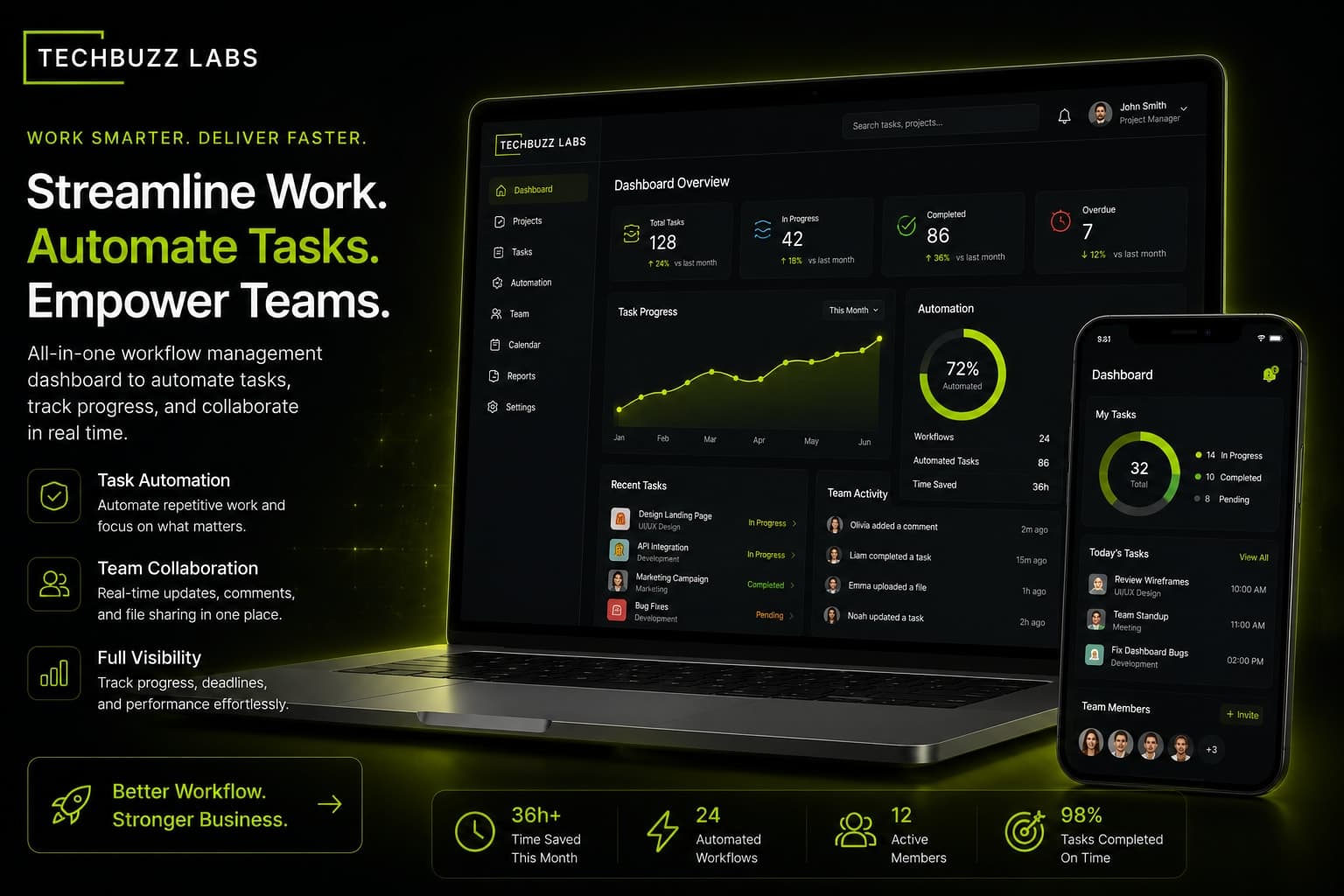
Internal business tools fail for one simple reason.
Most companies build systems based on assumptions instead of real workflows.
In 2026, businesses across the United States are investing heavily in internal apps to improve productivity, automate operations, and organize workflows. But many of these tools end up ignored by employees because they are difficult to use or disconnected from daily tasks.
After working on dozens of business app projects, one lesson becomes clear.
Successful internal tools focus on simplicity before complexity.
The first step is understanding the actual workflow.
Before building anything, teams should map out how work currently happens. The goal is not adding more software. The goal is reducing friction.
The second lesson is prioritizing usability.
Employees will not adopt systems that feel confusing or slow. Clean interfaces, simple navigation, and fast actions matter more than overloaded features.
The third lesson is reducing manual work.
The best internal tools automate repetitive tasks such as approvals, reporting, notifications, and data organization.
The fourth lesson is integration.
Internal apps should connect with the tools teams already use. Email platforms, databases, calendars, and communication systems should work together smoothly.
The fifth lesson is involving the team early.
Employees who use the system daily should contribute feedback during development. This improves adoption and reduces resistance.
Another critical factor is mobile accessibility.
In 2026, many teams work remotely or across multiple devices. Internal tools must function smoothly on both desktop and mobile.
The most effective business apps are not the most complicated ones.
They are the systems that remove operational friction and help teams work faster with less effort.
Technology should simplify work, not create more obstacles.