What I Learned Building a Talent Management System for a Real Agency From Scratch
In 2026, talent agencies across the United States are under more operational pressure than ever before. Between influencer campaigns, virtual auditions, self tape submissions, availability tracking, and brand communication, the old way of managing talent is breaking down fast.
In 2026, talent agencies across the United States are under more operational pressure than ever before. Between influencer campaigns, virtual auditions, self tape submissions, availability tracking, and brand communication, the old way of managing talent is breaking down fast.
Last year, I worked directly with a real modeling and casting agency to build a fully customized talent management system from scratch.
What started as a simple CRM project quickly turned into something much bigger.
It became clear that most agencies are not struggling because they lack talent.
They are struggling because their workflows are outdated.
The first lesson I learned was that spreadsheets destroy scalability.
At small scale, spreadsheets seem manageable. But once an agency starts handling dozens of active models, multiple bookings, and daily submissions, information becomes impossible to organize efficiently.
The second lesson was that availability management is one of the biggest hidden problems in the industry.
Most agencies still rely on WhatsApp messages, calls, and manual updates to track who is available. This creates delays, double bookings, and communication chaos.
The third lesson was that agencies need operational visibility.
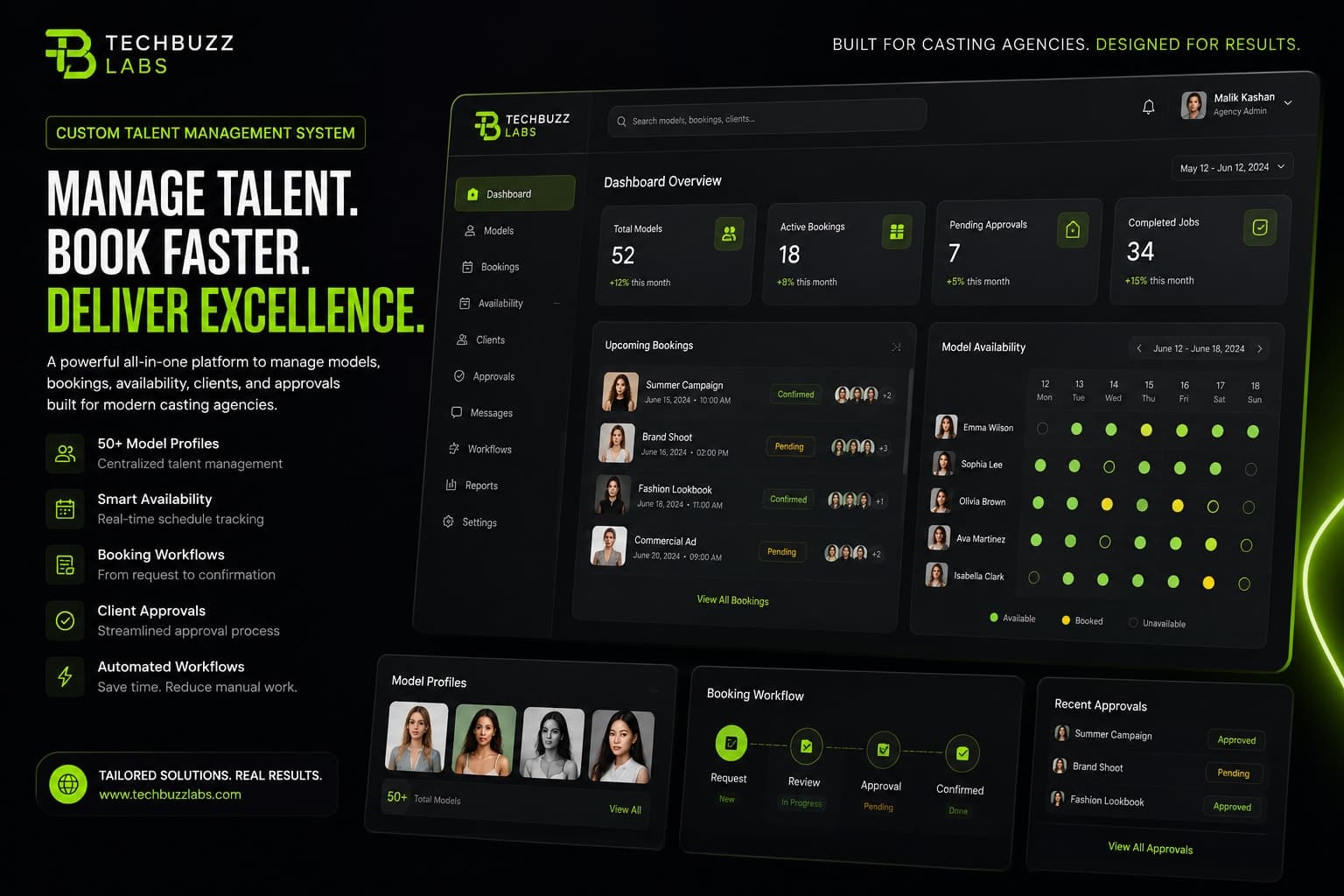
Teams should instantly understand booking status, model availability, client approvals, and pending submissions without asking multiple people for updates.
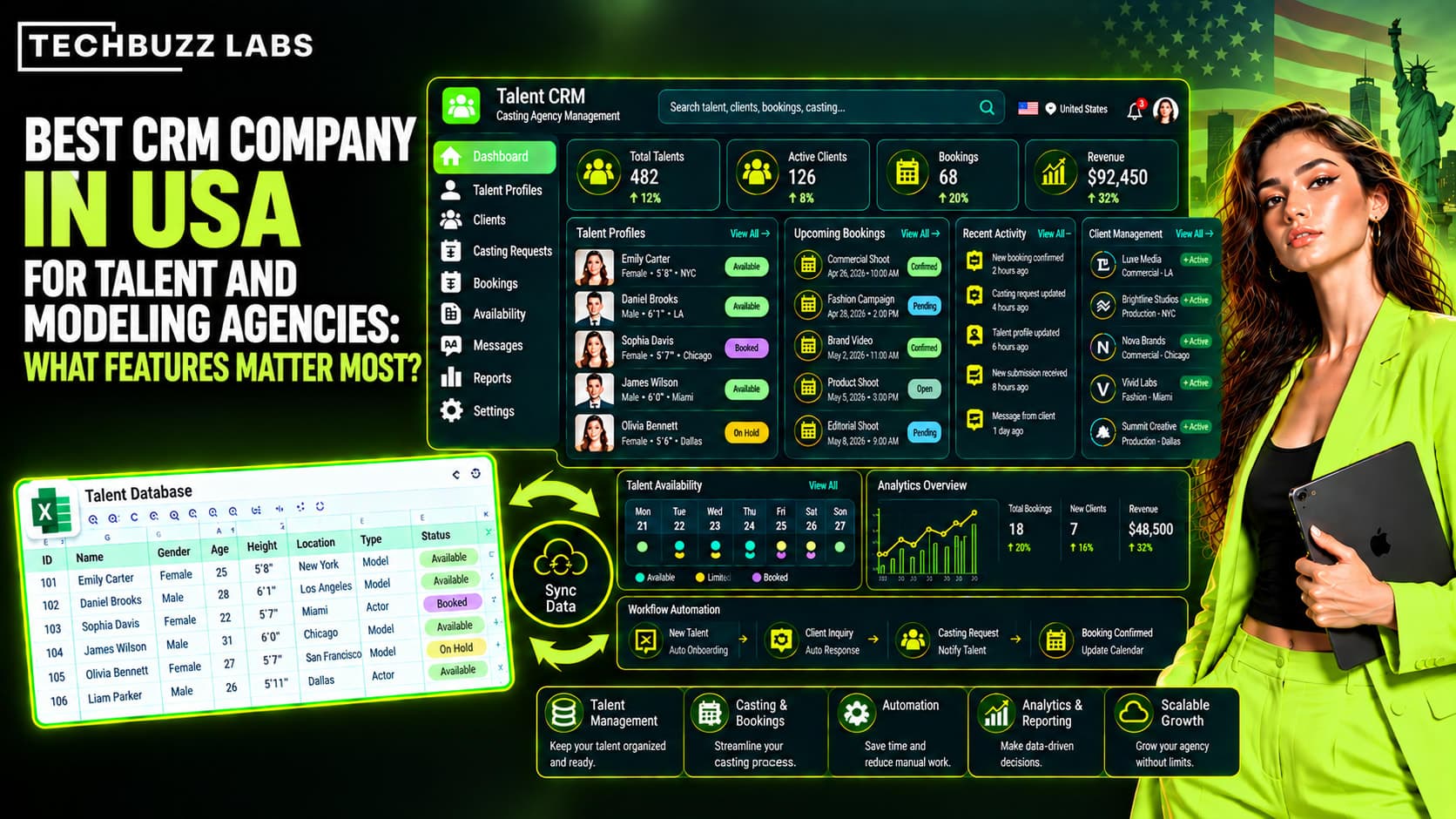
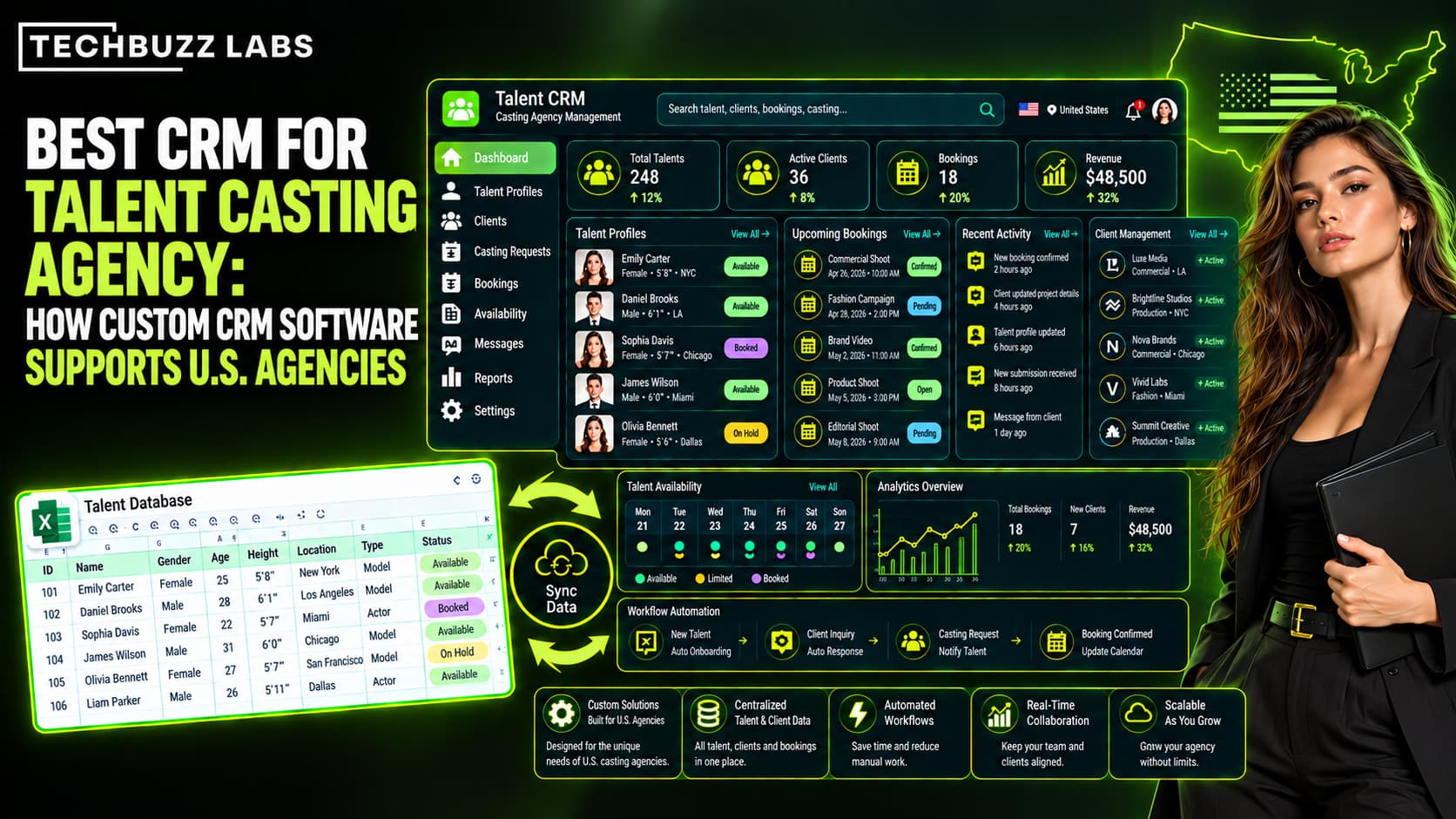
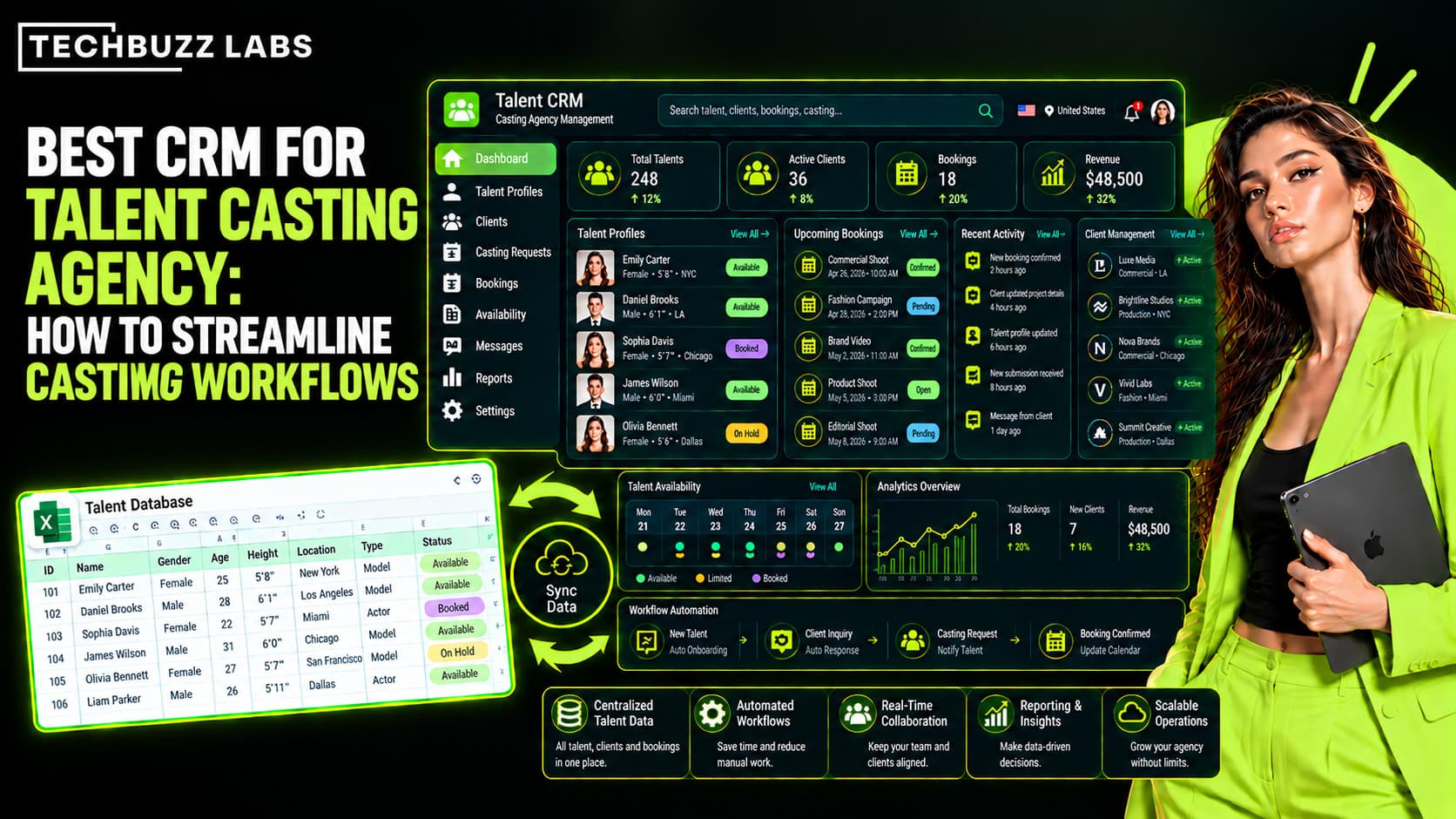
This was one of the biggest reasons we introduced centralized dashboards and automated workflows.
Another major lesson was the importance of client experience.
Brands expect fast communication and organized systems in 2026. Agencies using outdated processes appear slower and less professional.
This is why the platform included client portals where brands could review talent, approve shortlists, and track casting progress in real time.
The fifth lesson was that automation saves teams from burnout.
Booking confirmations, reminders, availability updates, and follow ups should not require constant manual coordination.
Once automated systems were introduced, response times improved dramatically.
Perhaps the most important lesson was this.
Every agency operates differently.
Some focus on influencer casting. Others manage fashion campaigns, commercial shoots, or entertainment talent.
That is why custom workflows matter so much.
Generic software often forces agencies to adapt to the platform instead of supporting how the agency actually works.
In 2026, the agencies growing fastest are not necessarily the biggest agencies.
They are the agencies building smarter operational systems behind the scenes.
Technology is no longer optional in the talent industry.
It is becoming the foundation of how modern agencies scale.