Why Talent Agencies Need Casting Workflow Software in 2026
Agents may need to search through spreadsheets for talent, check availability through messages, find client requirements in email threads, and manually update casting statuses.
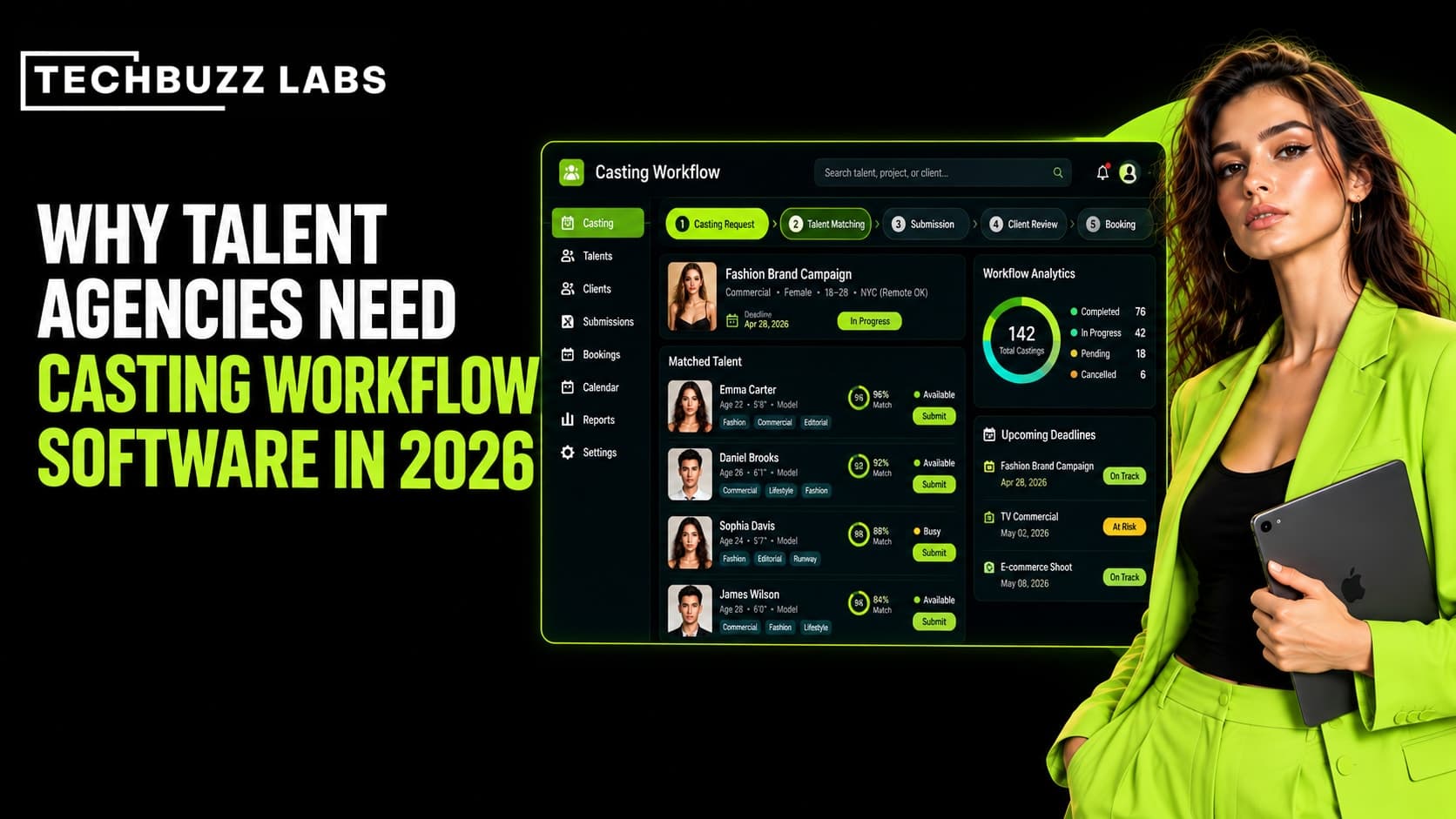
Talent agencies are managing more casting opportunities, client requests, talent profiles, submissions, auditions, and bookings than ever before. As agency operations become more digital, relying on spreadsheets, email threads, messaging apps, and disconnected tools can make everyday casting management unnecessarily complicated.
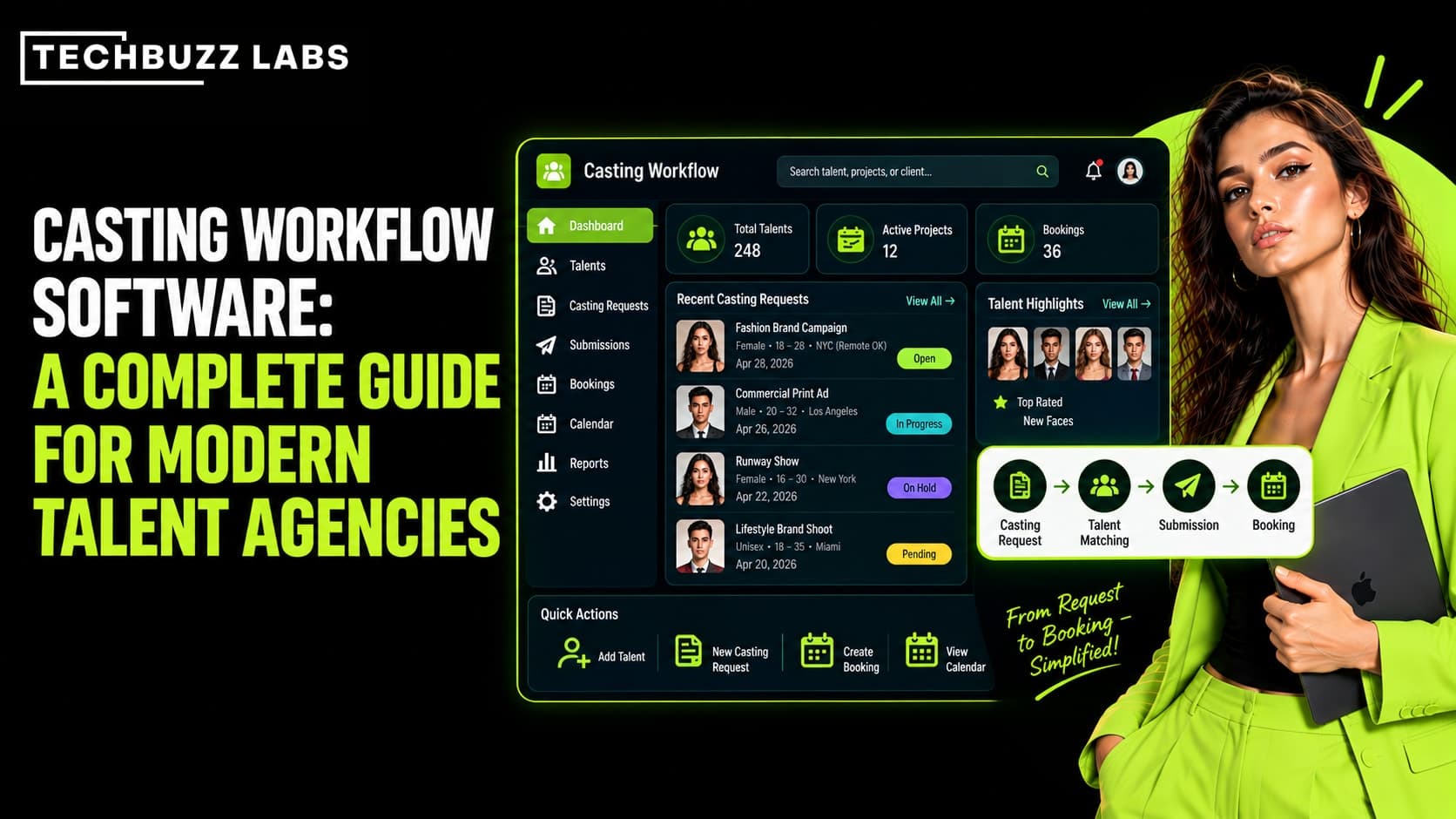
Casting Workflow Software gives talent agencies a centralized way to manage the journey from receiving a casting request to submitting talent and tracking the final client decision. In 2026, this type of software is becoming increasingly valuable for agencies that want to improve organization, response times, collaboration, and operational visibility.
For talent and modeling agencies across the USA, particularly those working in competitive markets such as Los Angeles, New York, Miami, Chicago, and Atlanta, an efficient casting workflow can make it easier to manage opportunities while providing a more consistent experience for both clients and talent.
What Is Casting Workflow Software?
Casting Workflow Software is technology designed to organize and manage the different stages of a casting process.
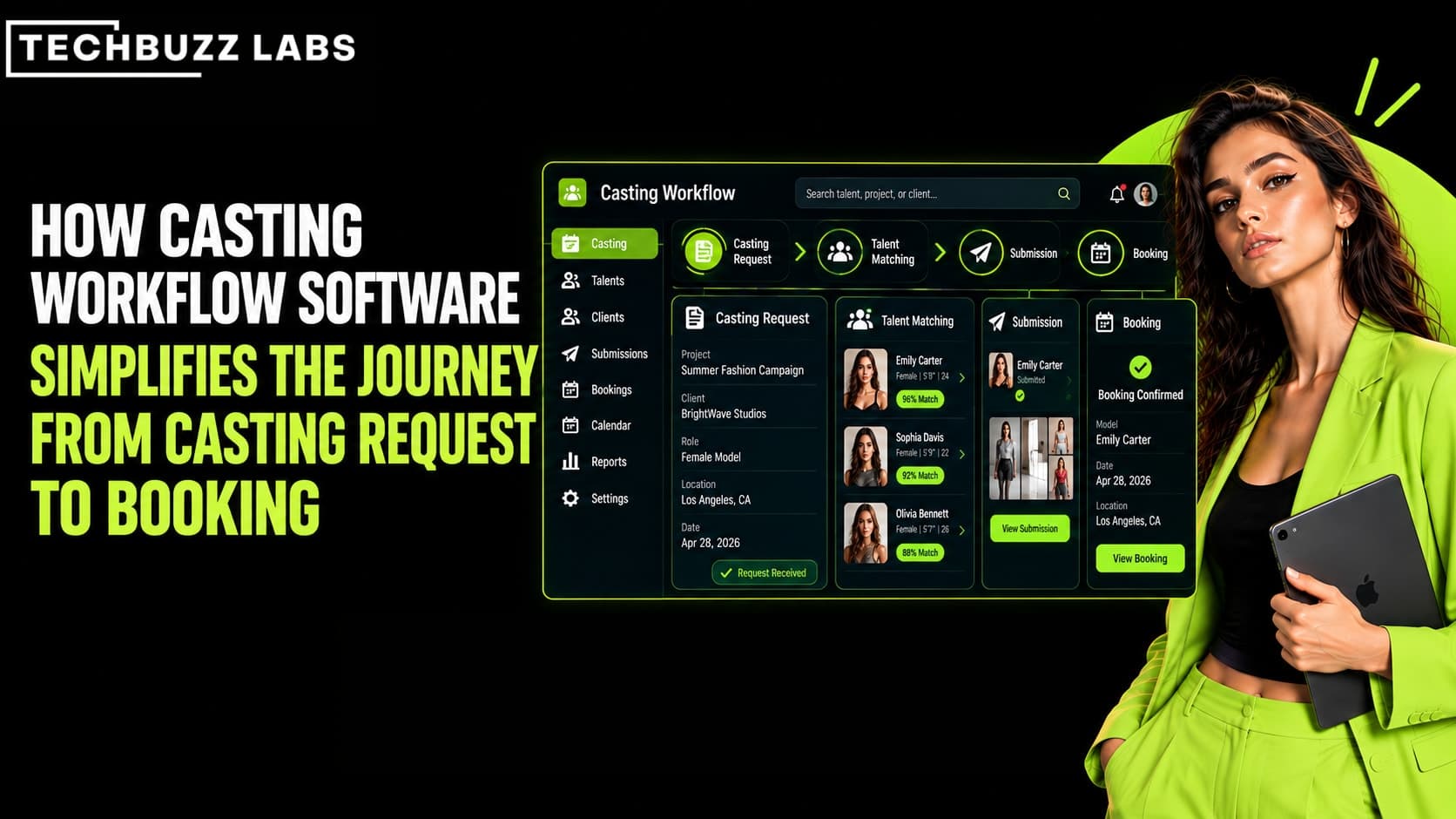
A typical casting workflow may begin when a client sends a brief. The agency then reviews the requirements, searches its talent database, checks availability, prepares a shortlist, submits talent, communicates with the client, tracks feedback, and eventually moves selected talent toward booking.
Without a centralized system, each stage may be managed through a different tool.
Casting workflow software connects these activities so agencies can see where each opportunity stands and what needs to happen next.
Why Traditional Casting Workflows Can Become Difficult
Manual processes may work when an agency has a small talent roster and only a few active casting opportunities. As the agency grows, however, the same approach can create operational problems.
This creates more administrative work and increases the possibility of missed information.
A centralized casting workflow gives teams a structured process for managing opportunities without constantly switching between different sources of information.
Faster Response to Client Casting Requests
Speed can be important when dealing with casting opportunities. Clients may contact several agencies and expect relevant talent options within a limited timeframe.
A well-organized workflow allows agents to record the casting brief immediately and move quickly into talent search and availability checks.
Instead of spending unnecessary time locating information, agents can focus on evaluating suitable talent and preparing a professional submission.
Faster response times can also help agencies demonstrate reliability to clients.
Better Talent Shortlisting
Finding the right talent is one of the most important parts of casting.
Casting Workflow Software can connect casting requirements with a centralized talent database. Agents can search and filter profiles according to relevant criteria such as location, experience, skills, availability, and other agency-specific requirements.
This can make it easier to build a focused shortlist instead of manually reviewing an entire talent roster.
The technology supports the search process while agents retain control over the final selection.
Centralized Talent Availability
Talent availability can change frequently.
A model may receive another booking, become unavailable for specific dates, or update their schedule. When availability is stored separately from the casting workflow, agents may have to manually confirm information before every submission.
A connected system can keep availability associated with talent profiles and casting opportunities.
This allows agents to consider availability earlier in the process and can reduce unnecessary submissions to talent who are unable to participate.
Managing Multiple Casting Opportunities
Busy agencies may have dozens of active casting opportunities at the same time.
Each opportunity can have its own deadline, client, requirements, talent submissions, feedback, and booking status.
Without a structured workflow, it can become difficult to understand which opportunities are new, which require submissions, and which are waiting for client feedback.
Casting Workflow Software can organize these opportunities according to their current stage.
Agents and managers can quickly identify what requires attention and prioritize their work accordingly.
Reducing Missed Follow-Ups
A casting opportunity does not end when talent is submitted.
Agencies may need to follow up with clients, confirm auditions, provide additional information, update talent, or respond to changes in project requirements.
When follow-ups depend entirely on memory or individual notes, important tasks can be overlooked.
A centralized workflow can make outstanding activities more visible. Teams can see which opportunities are waiting for feedback and which require the next action.
This can help reduce missed follow-ups and keep casting projects moving.
Improving Team Collaboration
Talent agencies often have multiple people working on the same opportunities.
One agent may receive the client brief, another may search for talent, and a coordinator may manage availability or scheduling.
When information is spread across private spreadsheets and conversations, team members may not always know the latest status.
A shared casting workflow provides a centralized view of the opportunity.
Authorized team members can see relevant updates and understand what has already been completed. This can reduce duplicated work and make handoffs more efficient.
Creating Better Client Management
Casting workflows also contain valuable client information.
Agencies can track previous casting requests, submitted talent, client feedback, bookings, and communication history.
Over time, this information can help teams understand individual client preferences and working patterns.
When a repeat client sends a new casting request, agents can review previous activity and use that context when preparing talent recommendations.
This can support more personalized client management.
Connecting Casting With Bookings
Casting and booking should not be treated as completely separate processes.
Once a client selects talent, the information needs to move toward scheduling, booking confirmation, and other operational activities.
A connected casting workflow can make this transition more organized.
Instead of manually transferring information from a casting spreadsheet into another booking system, agencies can create a workflow where relevant information moves through connected stages.
This can reduce repetitive data entry and help maintain consistency.
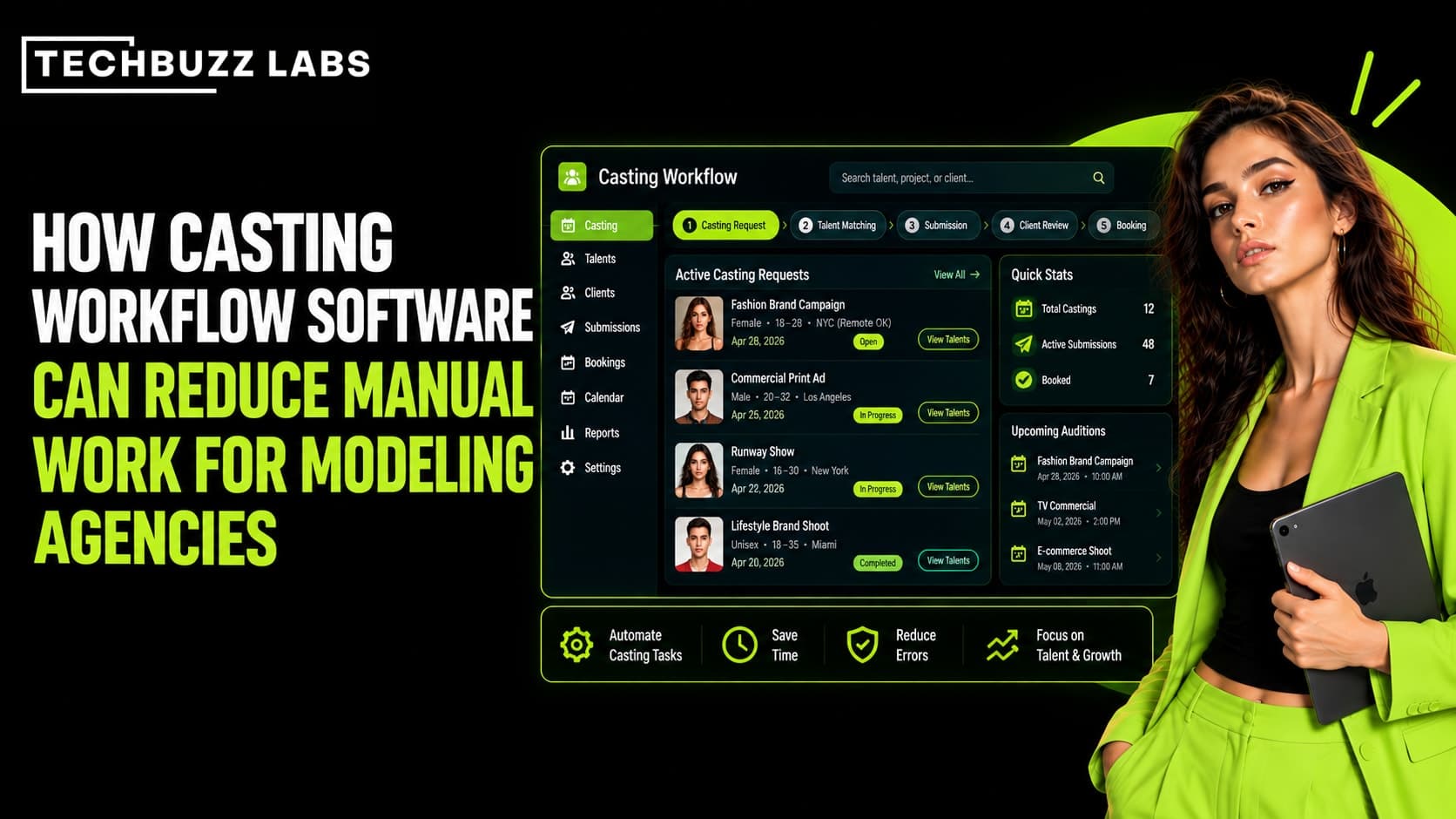
Using Automation to Save Time
Many casting tasks are repetitive.
Agencies may need to send notifications, update statuses, request availability confirmations, remind team members about deadlines, or organize follow-ups.
Automation can help handle some of these routine activities.
For example, when a casting reaches a particular stage, the system could trigger a relevant internal task or notification.
Automation should not replace important human decisions. Instead, it can reduce repetitive administrative work and give agents more time to focus on talent and client relationships.
Using Casting Data for Better Decisions
Every casting creates useful operational data.
Agencies can track the number of opportunities received, talent submitted, auditions generated, bookings completed, and client responses.
When this information is stored consistently, managers can analyze patterns and identify areas for improvement.
For example, an agency may discover that certain casting categories produce higher booking rates or that some workflow stages regularly experience delays.
This turns casting software into a source of business intelligence rather than simply an administrative tool.
Why Customization Matters in 2026
Every talent agency has a different workflow.
Some agencies specialize in fashion, while others focus on commercial talent, advertising, television, lifestyle, or multiple categories. Their talent databases, client processes, approval stages, and booking requirements can therefore vary.
A flexible casting system allows agencies to build workflows around their actual operations.
TechBuzzLabs focuses on custom technology solutions that are designed around specific business workflows. For talent and modeling agencies, a custom platform can connect talent profiles, casting opportunities, client requests, availability, submissions, and bookings within one centralized system.
This approach can help agencies avoid forcing their existing operations into a rigid software structure.
Preparing Talent Agencies for the Future
Technology in talent management is moving beyond simple databases.
Modern agencies can benefit from connected systems that combine talent management, casting workflows, automation, analytics, client management, and potentially AI-assisted tools.
Starting with an organized casting workflow creates the data foundation required for these capabilities.
When an agency consistently records casting requirements, submissions, client feedback, and booking outcomes, that information can later support more advanced reporting and decision-making.
Conclusion
In 2026, talent agencies need more than a database of models and performers. They need an organized way to manage the complete casting process.
Casting Workflow Software can help agencies centralize casting requests, search talent, manage availability, track submissions, coordinate teams, monitor client feedback, and move successful opportunities toward booking.
For U.S. talent and modeling agencies, a connected workflow can reduce administrative work while improving visibility across daily operations.
TechBuzzLabs can help agencies build custom systems around their specific casting and talent management processes. By connecting the right information in one platform, agencies can create a more efficient workflow today while building a stronger technology foundation for future automation, analytics, and AI.
The goal of modern casting technology is not simply to automate everything. It is to give agents better tools, better information, and a clearer workflow so they can spend more time making the decisions that matter.