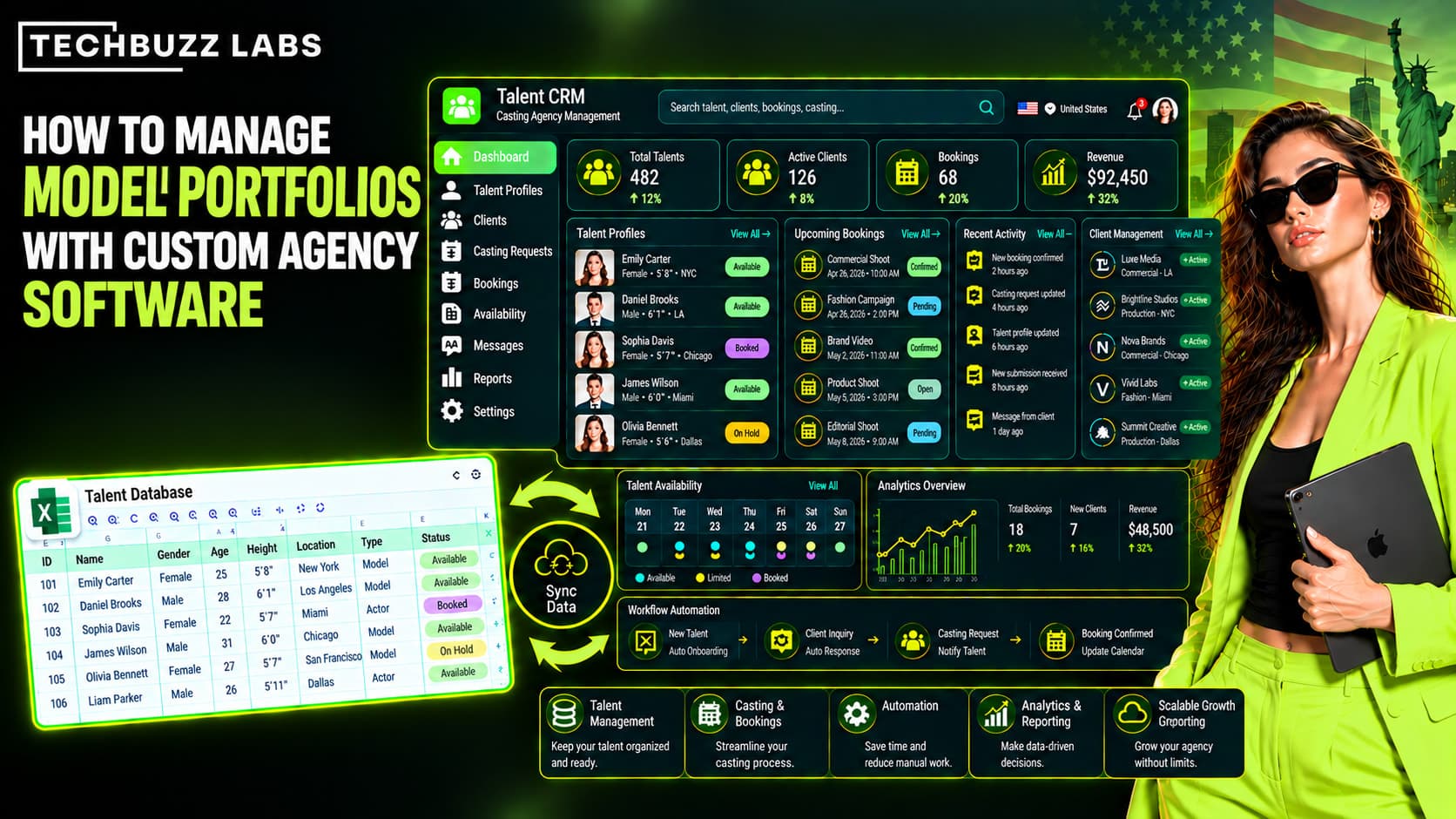
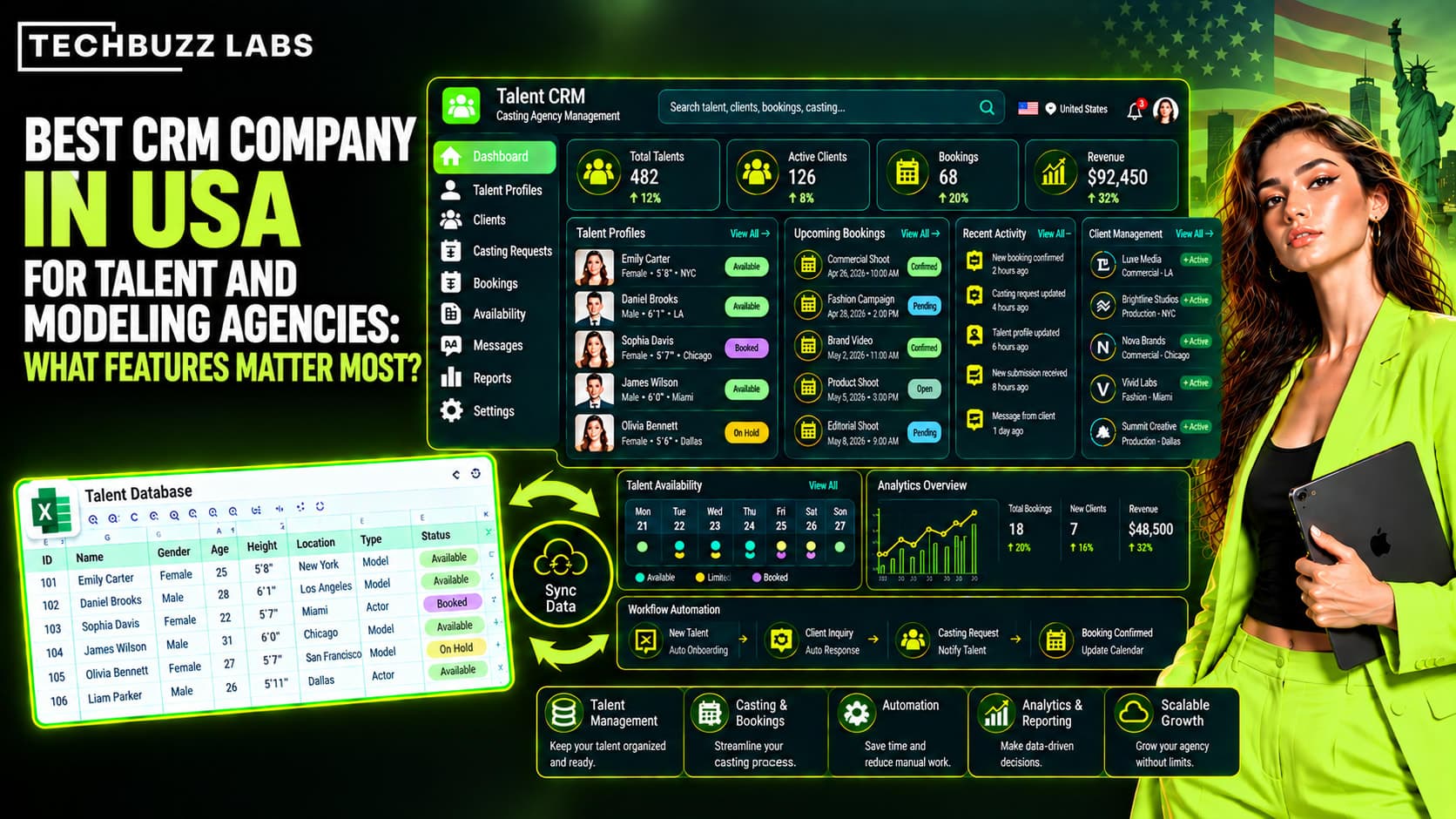
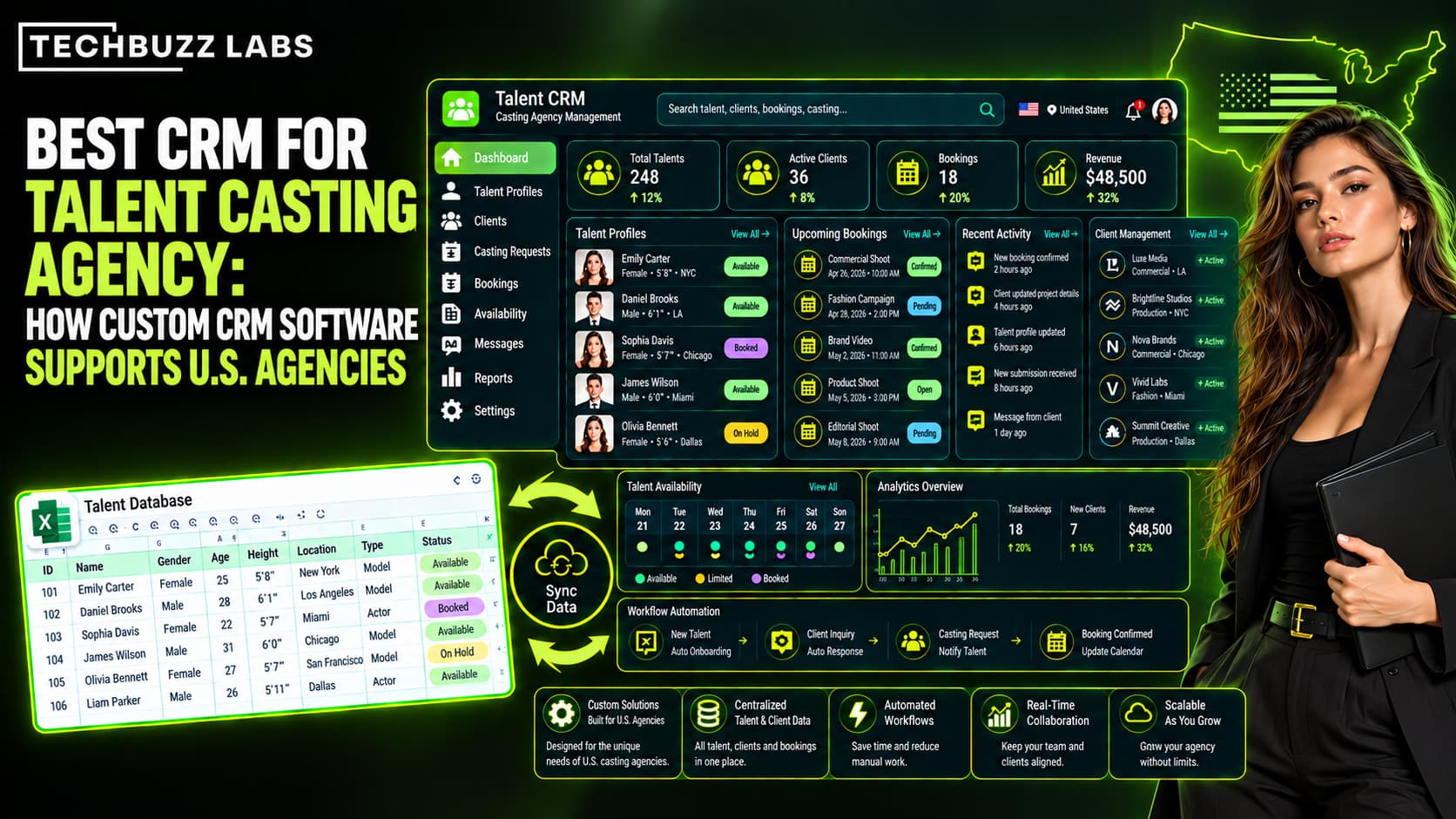
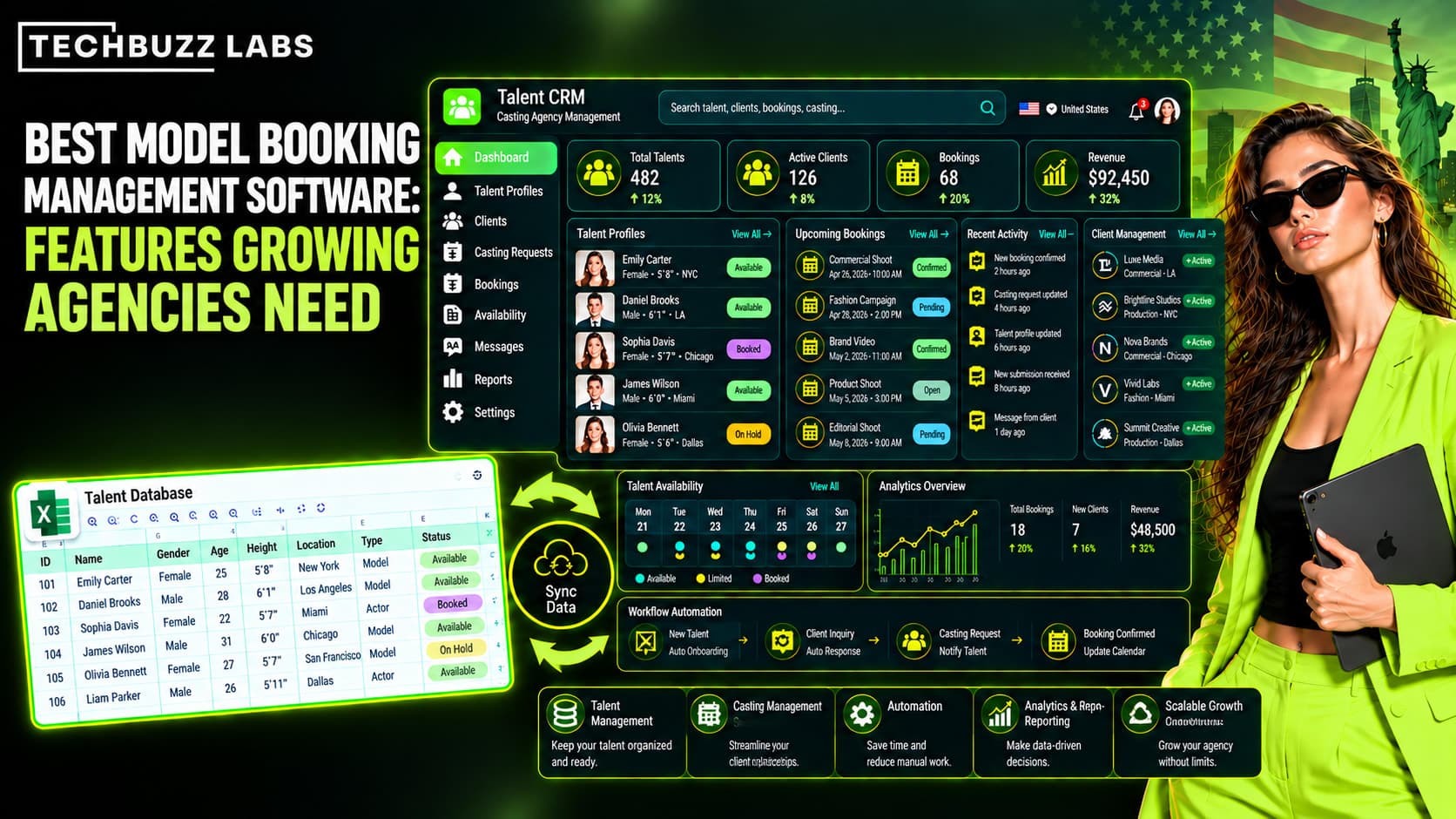
Best Model Booking Management Software: Features Growing Agencies Need
Instead of switching between multiple tools, agency teams can access important booking information in one place. This makes it easier to coordinate fashion shoots, advertising campaigns, commercial projects, runway shows, and other modeling assignments.
The modeling industry in the United States is becoming increasingly competitive. Modeling agencies must manage talent profiles, client inquiries, casting calls, availability, bookings, contracts, and payments while delivering a professional experience to clients and models. As an agency grows, handling these responsibilities through spreadsheets, emails, and separate applications can become time-consuming and difficult to maintain.
This is where model booking management software can make a significant difference. The right platform helps agencies organize their daily operations, reduce manual work, improve communication, and manage more bookings efficiently. For growing modeling agencies in the USA, choosing software with the right features is essential for long-term success.
What Is Model Booking Management Software?
Model booking management software is a digital solution designed to help modeling agencies manage talent, clients, booking schedules, and business operations from one centralized platform. Depending on its capabilities, the software may include talent databases, availability calendars, casting management, client relationship management (CRM), automated notifications, reporting, and invoicing.
For agencies working with multiple clients and models across different US cities, centralized booking management can also improve visibility and coordination.
Essential Features Growing Modeling Agencies Need
1. Centralized Model Database
A searchable model database is one of the most important features of effective booking management software. Agencies need a reliable way to store and organize model profiles, photographs, portfolios, measurements, experience, skills, locations, and contact details.
Advanced search and filtering capabilities help booking managers identify suitable talent according to a client's requirements. For example, an agency handling a commercial photography project in Los Angeles may need to filter models by location, experience, availability, and specified casting criteria.
A centralized database reduces duplicate records, saves time, and helps agency teams make informed booking decisions.
2. Real-Time Booking and Availability Calendar
Managing model availability becomes more complicated as agencies handle multiple bookings simultaneously. A shared booking calendar allows teams to review schedules, track confirmed assignments, and identify potential scheduling conflicts.
Look for software that distinguishes between tentative holds, confirmed bookings, completed assignments, and cancellations. Availability information should be easy to update so that booking managers can coordinate schedules without repeatedly contacting models.
For US agencies working across different time zones, time-zone support is particularly valuable when coordinating clients, photographers, and talent in multiple states.
3. Client Relationship Management (CRM)
Strong client relationships are essential for repeat business. A built-in CRM helps agencies organize client information, maintain communication histories, track inquiries, and monitor opportunities from the initial request to the final booking.
For example, when a fashion brand requests models for an upcoming campaign, the team can record the project requirements, shortlist suitable talent, schedule follow-ups, and track the booking status in one system.
A CRM also helps agencies understand client preferences and booking history, making it easier to deliver personalized service and identify opportunities for future collaborations.
4. Casting and Model Shortlisting Tools
Casting can involve reviewing numerous profiles, sharing portfolios, collecting feedback, and presenting suitable candidates to clients. Booking management software should simplify this process with organized shortlists, searchable talent profiles, and easy-to-share model presentations.
Client feedback and selection status should be accessible to authorized team members. This helps agencies avoid scattered email conversations and reduces confusion about which models have been approved, rejected, or selected for a project.
Efficient casting tools are especially useful for agencies managing commercial campaigns, fashion productions, and recurring advertising assignments.
5. Automated Notifications and Reminders
Missed appointments, delayed responses, and forgotten follow-ups can disrupt bookings. Automated notifications help agencies communicate important updates, including casting deadlines, booking confirmations, schedule changes, and upcoming assignments.
Depending on the platform, notifications may be sent through email, text messages, or in-app alerts.
Automation allows booking managers to spend less time on repetitive administrative tasks and more time building relationships with clients and talent. Agencies should choose tools that support customizable notifications and appropriate communication preferences.
6. Contracts, Invoicing, and Payment Tracking
Administrative work does not end when a model is selected. Agencies may need to coordinate agreements, usage terms, invoices, commissions, and payment records.
Software with contract management and invoicing features can help organize these processes and maintain a clearer record of each assignment. Integrations with accounting or payment systems may further reduce duplicate data entry.
US agencies should also evaluate whether their chosen platform supports their operational needs, including applicable tax documentation, privacy requirements, and recordkeeping practices. Legal and tax obligations vary, so software should support—not replace—professional advice.
7. Reporting and Business Analytics
As an agency expands, owners need to understand which activities contribute to growth. Reporting features can provide insights into booking volume, client activity, talent utilization, revenue, cancellations, and outstanding invoices.
These insights help management identify workflow bottlenecks, evaluate repeat business, and make better-informed staffing and operational decisions.
Customizable dashboards can be particularly helpful when agency owners want an overview of multiple teams, locations, or projects.
How to Choose the Right Software for Your Agency
Before investing in model booking management software, define your agency's most pressing operational challenges. A smaller agency may prioritize a centralized database, scheduling, and client communication. A larger organization may require advanced CRM capabilities, workflow automation, detailed reporting, and integrations.
Consider these factors before making a decision:
Ease of use: Can your team learn the platform without extensive training?
Scalability: Will it support additional models, clients, bookings, and locations?
Customization: Can workflows reflect your agency's booking and casting processes?
Security: Does the provider offer appropriate access controls, data protection, and backup practices?
Integrations: Can the software work with your existing email, calendar, accounting, and communication tools?
Total cost: Do subscription fees, onboarding, integrations, and additional user charges fit your budget?
Request a demonstration and test the most important workflows before committing to a long-term plan.
How Techbuzz Labs Can Support Modeling Agency Growth
Technology should adapt to an agency's operations rather than force the team to work around unnecessary limitations. Techbuzz Labs can be considered by modeling agencies exploring technology solutions, CRM development, and customized business software to support their workflows.
For agencies with specialized requirements, a tailored CRM or booking management platform may bring talent records, client communication, casting activities, and booking information into a more connected system. The appropriate solution depends on the agency's processes, budget, integration requirements, and growth plans.
When evaluating Techbuzz Labs or any software development partner, agencies should discuss their specific booking challenges, required features, implementation timeline, data security expectations, and ongoing support needs. Requesting a clear project scope and demonstration can help establish whether a proposed solution matches the agency's objectives.
Final Thoughts
Choosing the best model booking management software is an important step for modeling agencies that want to improve efficiency and prepare for growth. A centralized talent database, reliable booking calendar, integrated CRM, streamlined casting tools, automated reminders, financial tracking, and actionable reporting can help teams manage daily operations more effectively.
For US modeling agencies, the best choice is not necessarily the platform with the most features. It is the solution that fits the agency's current workflow, supports future expansion, and improves the experience for both clients and models.
By evaluating available platforms carefully and exploring suitable solutions with technology partners such as Techbuzz Labs, agencies can build a more organized booking process and establish a stronger foundation for sustainable growth.