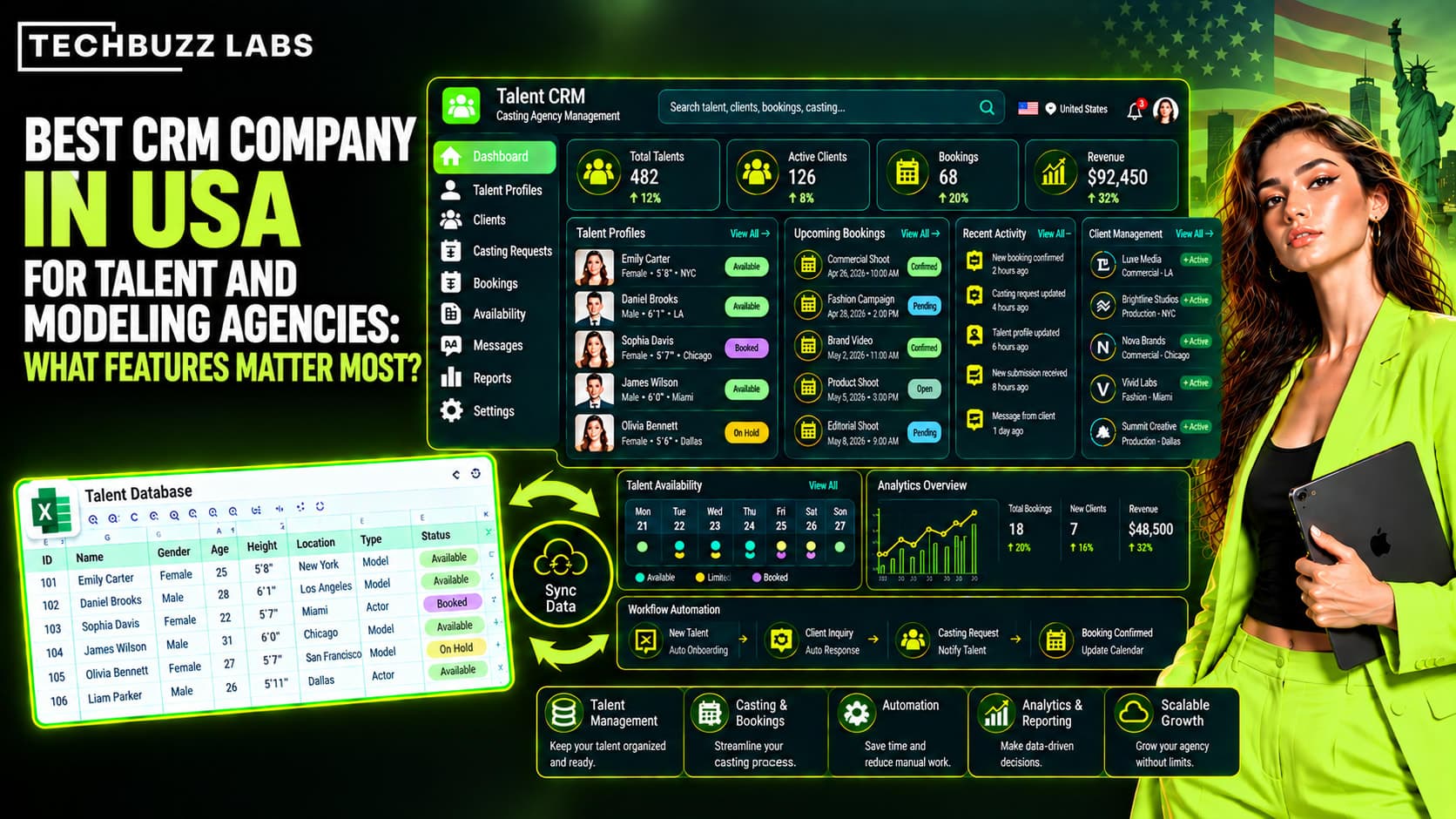
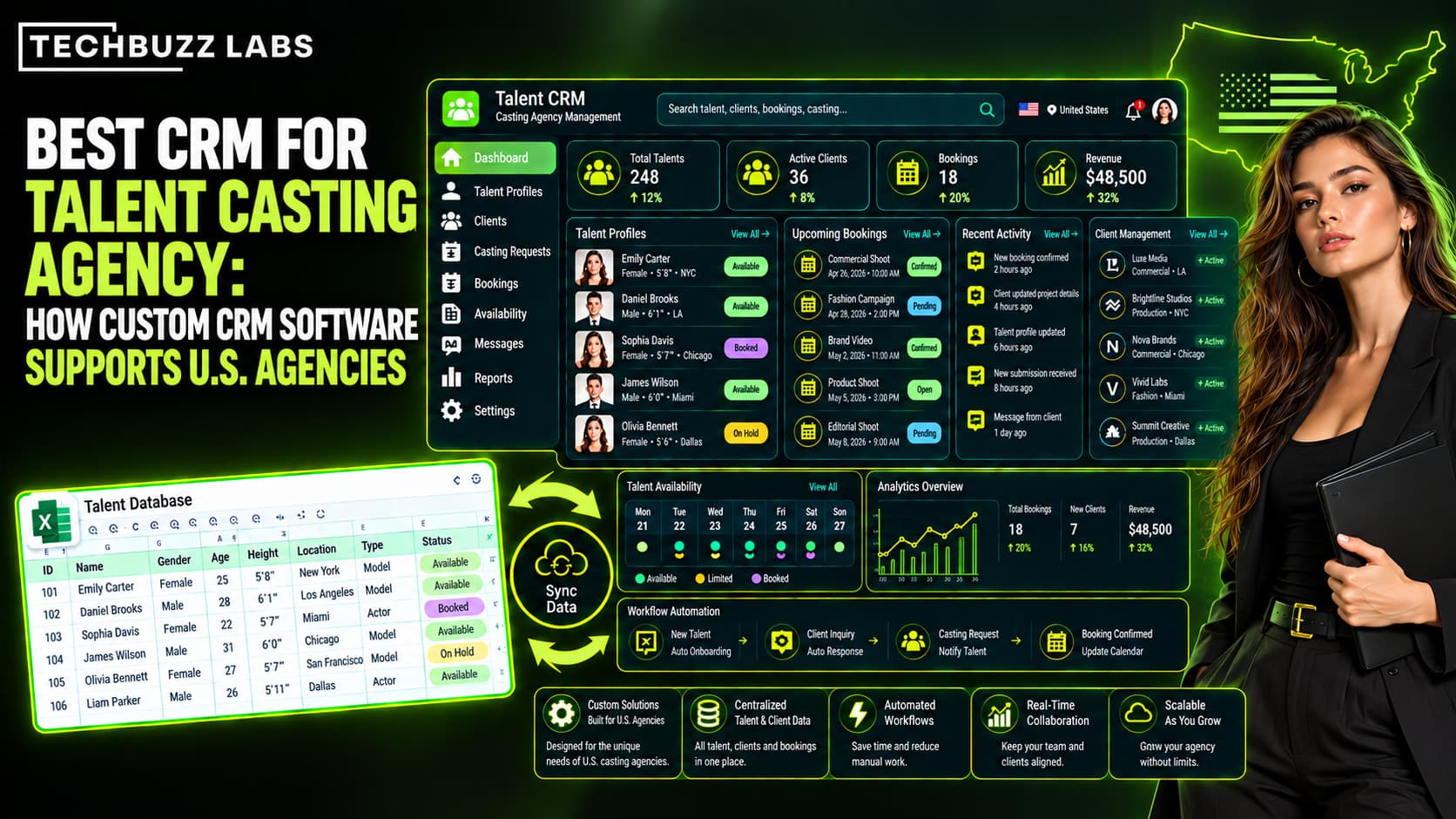
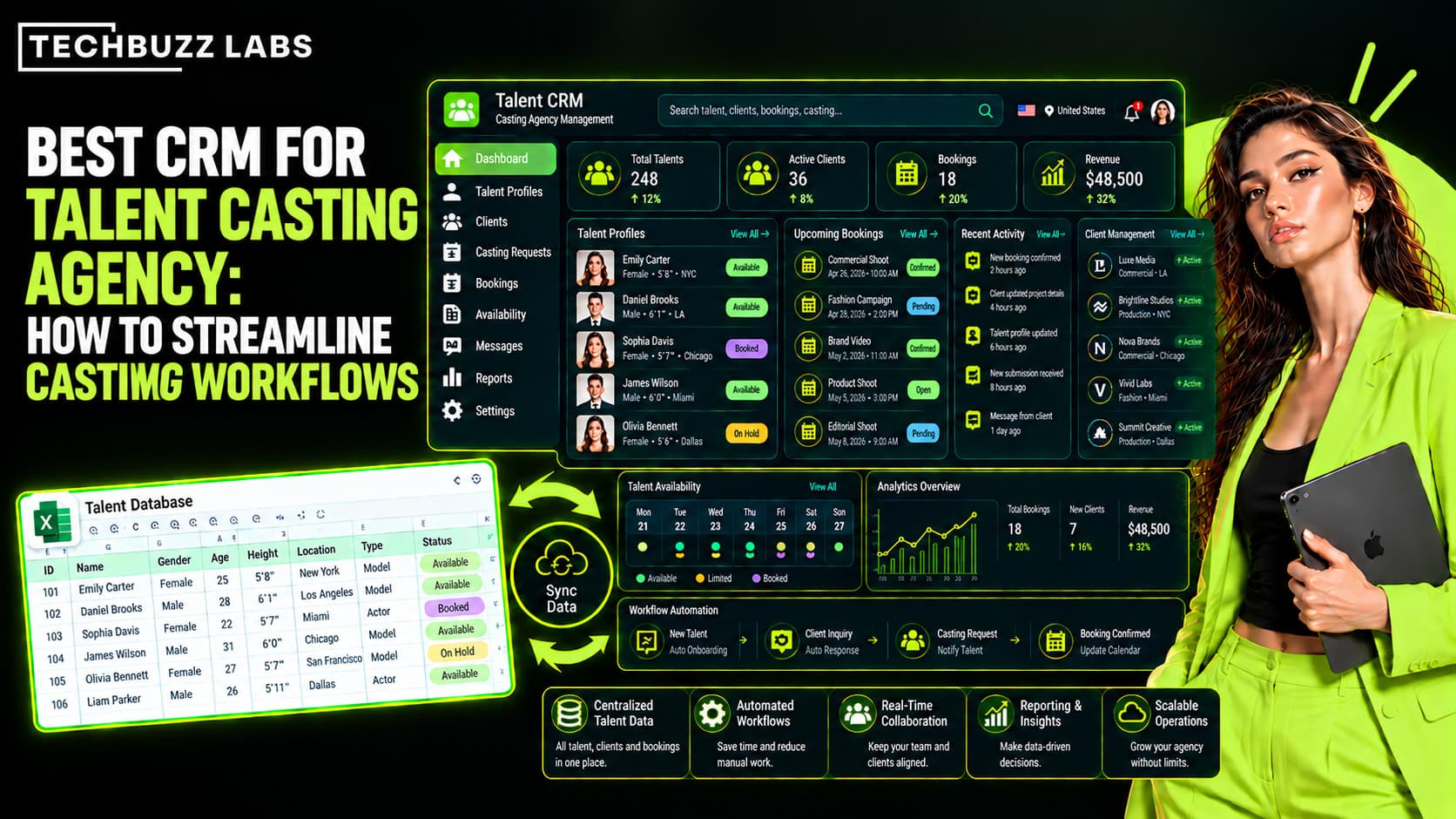
Casting Management Software: A Complete Guide for Modeling Agencies
Instead of searching through spreadsheets and email conversations, agents can access important information through one centralized system.
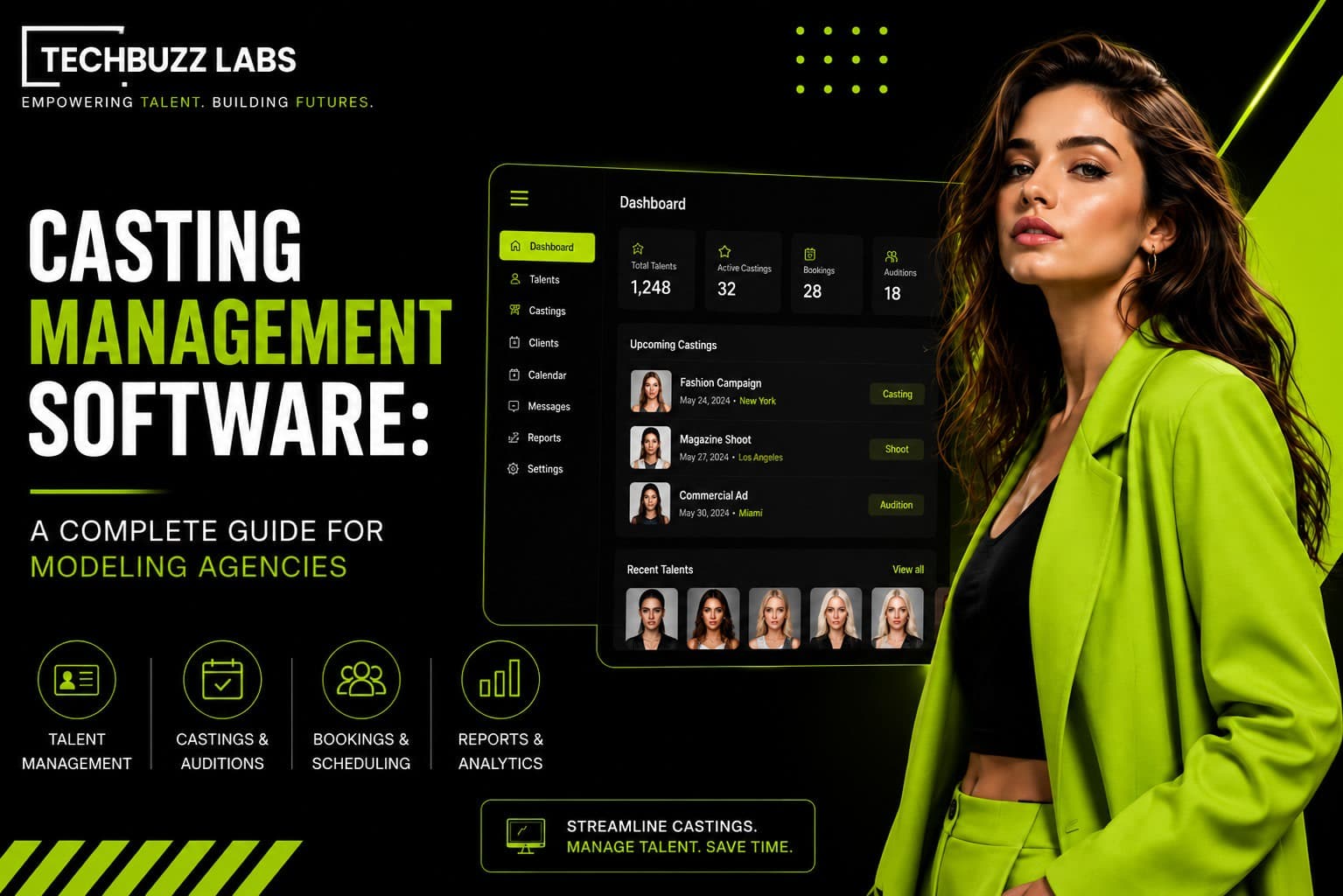
Managing castings can be one of the most time-consuming responsibilities for a modeling agency. Agents need to review talent profiles, match models with client requirements, communicate with clients, schedule auditions, track selections, and manage bookings. When these tasks are handled through spreadsheets, emails, and separate files, important information can easily become difficult to track.
This is where casting management software can help. Designed to organize the casting process digitally, this type of software allows modeling agencies to manage talent, clients, casting calls, submissions, and bookings from a centralized platform.
For modeling agencies in the United States, adopting the right technology can improve efficiency and help teams manage increasingly competitive casting environments. TechBuzzLabs recognizes the role technology plays in modern modeling and talent management, making casting software an important tool for agencies looking to streamline their operations.
What Is Casting Management Software?
Casting management software is a digital platform designed to organize and simplify the casting process. It can help agencies create casting calls, manage model profiles, review talent submissions, communicate with clients, and track casting results.
Depending on the platform, casting software may also include features for scheduling, booking management, notifications, reporting, portfolio management, and client relationship management.
Why Do Modeling Agencies Need Casting Software?
A modeling agency may manage hundreds or even thousands of talent profiles. Each model can have different measurements, skills, locations, availability, experience, and portfolio images.
At the same time, clients may have specific requirements for each project.
Manually comparing these requirements with large talent databases can take considerable time. Casting management software helps agencies organize this information and quickly identify models who may be suitable for a specific opportunity.
This can reduce administrative work while allowing agents to focus more on clients and talent.
Key Features of Casting Management Software
Talent Database
A centralized talent database is one of the most important features. Agencies can create detailed profiles containing photographs, measurements, experience, skills, locations, availability, and contact information.
Advanced search and filtering can help agents find suitable talent quickly.
Casting Call Management
Agencies should be able to create and manage casting calls within the platform. Information such as project requirements, dates, locations, client details, and submission deadlines can be organized in one place.
This makes it easier for agents and casting teams to keep track of multiple projects.
Model Matching
Some platforms provide search and matching tools that help agencies identify models based on specific requirements.
For example, an agent might search for models located in Los Angeles who meet particular height, experience, or category requirements.
Automated or advanced matching can significantly reduce the time required to review a large talent database.
Portfolio Management
Professional images are essential in modeling. Casting software should allow agencies to store and organize model portfolios.
Agents can quickly access photographs when presenting talent to clients or submitting models for casting opportunities.
Client Management
Casting is closely connected to client relationships. A good platform can store client contact information, project history, communication records, and previous bookings.
This allows agencies to maintain organized relationships with fashion brands, advertising companies, photographers, retailers, and production teams.
Scheduling and Calendar Tools
Casting schedules can become complicated when agencies manage multiple projects simultaneously.
Calendar and scheduling features can help track auditions, callbacks, fittings, shoots, and booking dates.
This can reduce scheduling conflicts and improve communication between agents, models, and clients.
Notifications and Communication
Fast communication is important when casting opportunities have short deadlines.
Software can help agencies send notifications, updates, and reminders to models or internal team members.
Centralizing communication can also make it easier to track important project information.
Benefits of Casting Management Software
The biggest advantage is improved organization. Instead of maintaining multiple spreadsheets and folders, agencies can manage important information in one system.
Casting software can also save time by making talent searches faster. Agents can filter databases based on relevant criteria instead of manually reviewing every model.
Better organization can also improve the client experience. When an agency can respond quickly with relevant talent and accurate information, it can appear more professional and reliable.
Another benefit is scalability. As an agency adds more models, clients, and projects, digital systems can make growing operations easier to manage.
Choosing the Right Software
Not every casting management platform will suit every modeling agency.
Before choosing software, consider the agency's size, number of models, client volume, casting workflow, budget, and technical requirements.
Important features to evaluate include talent management, advanced search, portfolio storage, client management, scheduling, communication, reporting, integrations, and data security.
Ease of use is also important. A powerful platform will not provide much value if employees find it difficult to learn or use.
Agencies should consider requesting a demonstration or trial when available before making a long-term decision.
Casting Software vs. Spreadsheets
Many smaller agencies begin by managing talent and casting information with spreadsheets. While spreadsheets can work for a small database, they become increasingly difficult to maintain as operations grow.
Multiple team members may need access to the same information, while frequent updates can create duplicate or outdated records.
Casting management software provides a more centralized approach and can connect talent profiles, client information, casting calls, schedules, and bookings.
For agencies managing a growing number of models, moving beyond spreadsheets can improve efficiency and organization.
The Future of Casting Management
Technology is continuing to change how modeling agencies operate. Digital portfolios, online submissions, remote communication, automated workflows, and data-driven talent searches are becoming increasingly important.
Modern agencies need systems that allow them to respond quickly to clients while maintaining accurate information about their talent.
At TechBuzzLabs, the connection between technology and the modeling industry highlights how digital solutions can help agencies modernize their workflows and manage talent more effectively.
Conclusion
Casting management software can help modeling agencies simplify one of the most important parts of their business. From organizing model portfolios and creating casting calls to matching talent, managing clients, scheduling auditions, and tracking bookings, the right platform can bring multiple processes together.
For agencies in the USA, investing in suitable casting technology can improve efficiency, reduce administrative work, and create a more organized experience for agents, models, and clients.
As modeling and talent management become increasingly digital, agencies that adopt efficient technology can position themselves for sustainable growth and better day-to-day operations.