Editorial Fashion Modeling: A Complete Guide to Starting Your Career
For aspiring models in the United States, editorial fashion modeling can provide opportunities to work with photographers, designers, stylists, makeup artists, and creative directors.
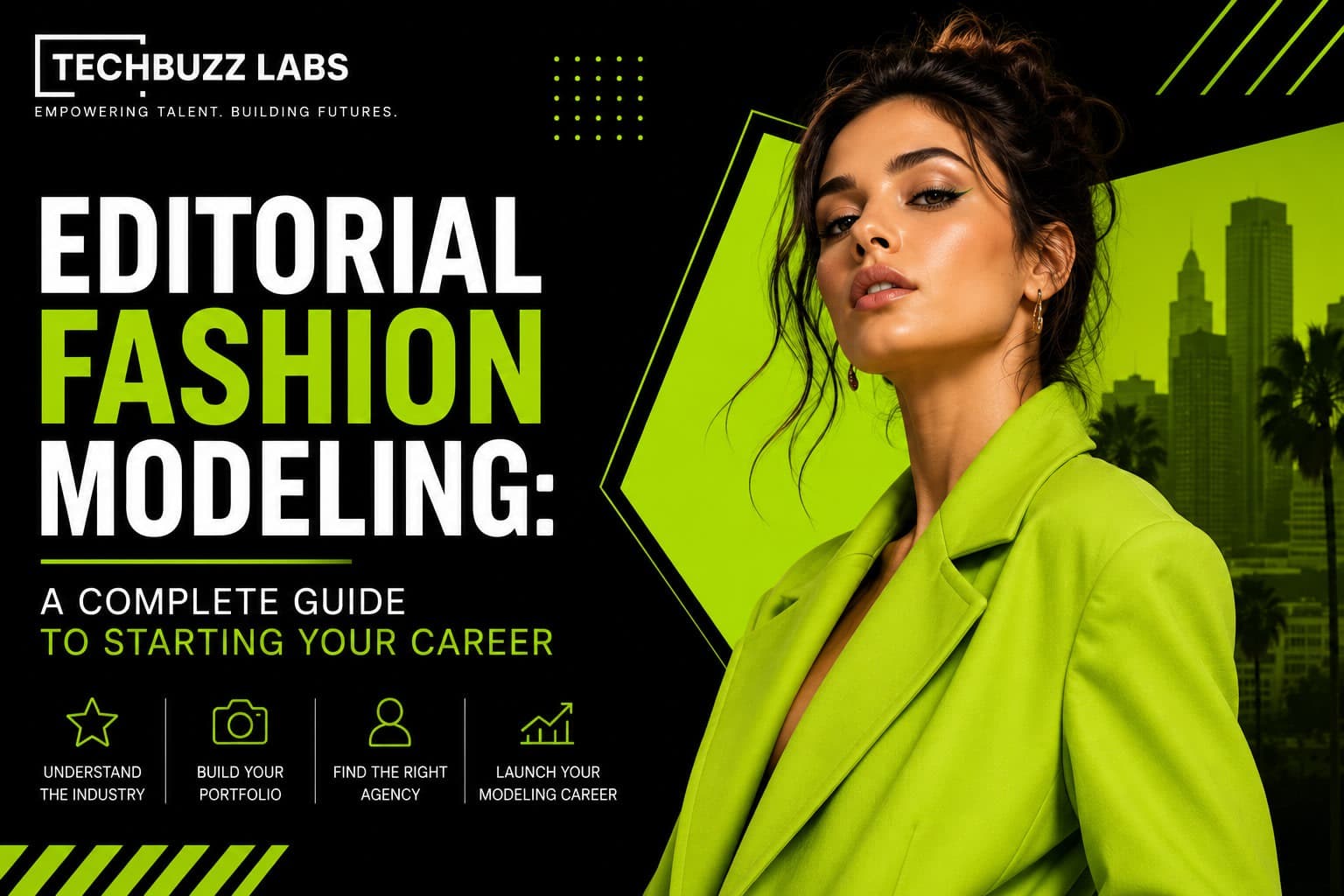
Editorial fashion modeling is one of the most creative and recognizable areas of the fashion industry. Unlike commercial modeling, which is primarily focused on advertising products and connecting with everyday consumers, editorial modeling is centered on visual storytelling, artistic concepts, and fashion trends. Models featured in magazines, designer lookbooks, fashion publications, and creative campaigns often work as part of a larger artistic team.
What Is Editorial Fashion Modeling?
Editorial fashion modeling involves creating photographs or visual content that communicates a fashion story or creative concept. These images may appear in fashion magazines, online publications, designer campaigns, and other forms of fashion media.
The focus is not always on selling one particular product. Instead, editorial photography often highlights clothing, styling, mood, composition, and artistic direction. Models may be asked to use dramatic poses, distinctive facial expressions, and different forms of body language to communicate the concept behind a shoot.
Because editorial work is highly creative, models need to be comfortable experimenting with different styles and following the photographer's or creative director's vision.
How Is Editorial Modeling Different From Commercial Modeling?
Editorial and commercial modeling can look similar, but their objectives are different.
Commercial modeling is generally designed to promote products or services. Commercial models may appear in advertisements for clothing brands, beauty products, retail stores, websites, and lifestyle campaigns. A friendly and approachable appearance is often valuable in this type of work.
Editorial modeling is more focused on fashion, creativity, and storytelling. Editorial models may work with unusual styling, dramatic lighting, artistic poses, and conceptual themes. The final photographs are intended to create a strong visual impression and showcase fashion in an interesting way.
Many professional models work in both areas, but developing editorial skills can help models build a strong fashion portfolio.
What Are the Requirements for Editorial Fashion Modeling?
There is no single formula for becoming an editorial model. Traditional fashion agencies have historically looked for certain height, proportions, and facial characteristics, but the industry has become increasingly diverse.
Today, agencies and clients may consider models with different body types, ages, backgrounds, and appearances depending on the project.
More important than meeting a specific measurement is having confidence, professionalism, camera awareness, and the ability to take direction. Models should also understand how to pose, move naturally, and express different emotions.
Build a Professional Modeling Portfolio
One of the most important steps for starting an editorial modeling career is creating a strong portfolio. Your portfolio should show agencies and clients what you can do in front of the camera.
Include professional headshots, full-body images, beauty portraits, editorial photographs, and images that demonstrate different posing styles. Avoid filling your portfolio with too many similar photographs.
Quality is more important than quantity. Working with an experienced fashion photographer can help you create images that demonstrate your potential while accurately representing your appearance.
As you gain experience, regularly update your portfolio with stronger and more recent work.
Find Reputable Modeling Agencies
A reputable modeling agency can help aspiring models connect with legitimate opportunities. Agencies may represent models for editorial shoots, runway shows, fashion campaigns, and other assignments.
When researching agencies in the United States, look at their current models, clients, industry reputation, and submission requirements. Avoid companies that guarantee modeling jobs or promise instant success in exchange for large upfront payments.
You can submit your portfolio and basic information through an agency's official submission process. If an agency is interested, they may invite you for an interview, casting, or evaluation.
Develop Your Modeling Skills
Editorial modeling requires more than looking good in photographs. Models need to understand their bodies and learn how to communicate through movement and facial expressions.
Practice different poses and expressions regularly. Study professional fashion editorials to understand how models interact with clothing, lighting, and their surroundings.
You can also practice walking, posture, hand positioning, and movement. The more comfortable you become in front of a camera, the easier it will be to respond to direction during professional shoots.
Network Within the Fashion Industry
Networking is another important part of building a modeling career. Connect with photographers, makeup artists, stylists, designers, casting professionals, and other models.
Fashion events, creative collaborations, portfolio shoots, and industry networking opportunities can help you meet professionals and gain experience. Maintaining a professional attitude is essential because the fashion industry is highly relationship-driven.
Always communicate clearly, arrive on time, respect contracts, and treat everyone on a production team professionally.
Prepare for Casting Calls
Casting calls can be competitive, especially for editorial and high-fashion projects. Before attending a casting, research the project and follow all instructions provided by the agency or casting team.
Bring updated portfolio materials if requested and choose simple, professional clothing that allows casting directors to see your natural appearance and proportions.
Confidence is important, but professionalism matters just as much. Listen carefully, follow directions, and remain respectful even if you are not selected.
Be Patient and Consistent
Editorial fashion modeling can be competitive, and rejection is a normal part of the process. Not being selected for a particular project does not necessarily mean you lack talent. Casting decisions can depend on the creative concept, clothing requirements, client preferences, and many other factors.
Use every experience as an opportunity to learn. Continue improving your portfolio, developing your skills, and researching legitimate opportunities.
Conclusion
Starting a career in editorial fashion modeling requires more than having an interest in fashion. You need a professional portfolio, strong posing and communication skills, industry knowledge, networking abilities, and persistence.
For aspiring models in the United States, cities such as New York, Los Angeles, Miami, and Chicago offer significant fashion and creative opportunities. However, digital platforms have also made it easier for new talent across the country to connect with photographers, agencies, designers, and publications.
By developing your skills, creating high-quality portfolio images, researching reputable agencies, and maintaining a professional attitude, you can take meaningful steps toward an editorial fashion modeling career. The journey may take time, but consistent preparation and dedication can help you build a strong foundation in the competitive fashion industry.