Editorial Modeling Meaning: A Complete Guide for Beginners
Unlike commercial advertisements that focus on selling a specific product, editorial photo shoots emphasize creativity, style, and artistic expression. Models are expected to bring emotion, movement, and personality to every image.
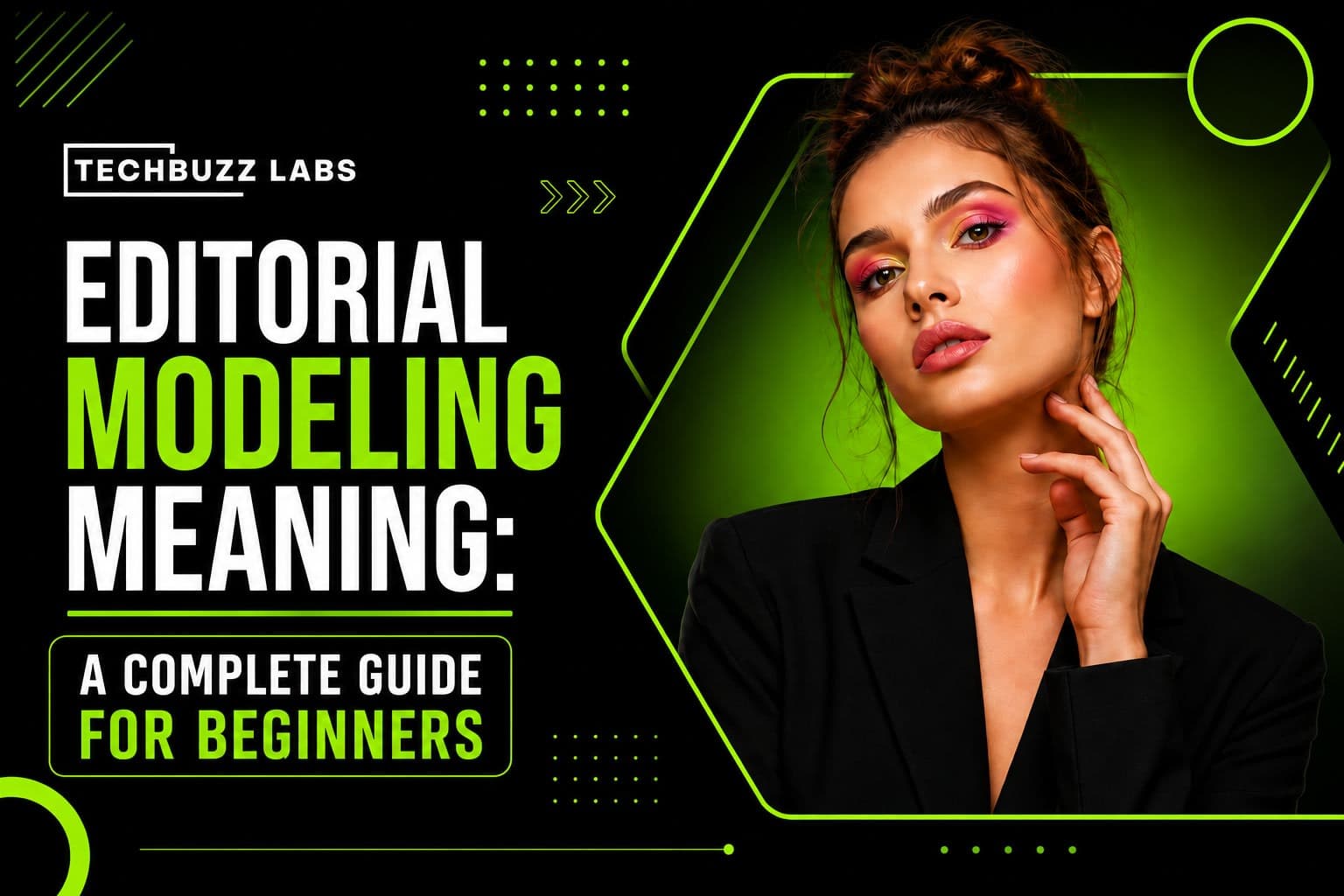
Editorial modeling is one of the most respected and creative areas of the fashion industry. Unlike commercial modeling, which focuses on promoting products and services, editorial modeling is all about telling a story through fashion photography. Editorial models work with photographers, designers, stylists, and magazines to create visually striking images that showcase clothing, beauty, and artistic concepts.
For aspiring models in the United States, understanding the meaning of editorial modeling is an important first step toward building a successful fashion career. While it can be a competitive field, editorial modeling offers opportunities to work with leading fashion publications, luxury brands, and creative professionals. Platforms such as TechBuzzLabs regularly share helpful resources on modeling careers, portfolio development, and industry trends, making it easier for beginners to understand the fashion world.
What Is Editorial Modeling?
Editorial modeling refers to modeling for fashion magazines, online editorials, lookbooks, and creative campaigns where the primary goal is storytelling rather than direct advertising. The photographs are designed to inspire, educate, or highlight fashion trends while expressing a particular theme or emotion.
Editorial work often appears in fashion magazines, digital publications, designer lookbooks, and high-end fashion campaigns.
How Editorial Modeling Differs from Commercial Modeling
Many beginners confuse editorial modeling with commercial modeling, but they serve different purposes.
Commercial modeling focuses on promoting products such as clothing, cosmetics, healthcare products, and lifestyle brands. These campaigns are designed to appeal to a broad audience and encourage consumers to make purchases.
Editorial modeling, on the other hand, is centered on fashion storytelling. Models work closely with creative teams to produce images that reflect the vision of designers, photographers, or magazine editors. The emphasis is placed on artistic presentation rather than product promotion.
Both career paths offer excellent opportunities, and many successful models work in both areas throughout their careers.
Skills Every Editorial Model Needs
Editorial modeling requires much more than good looks. Successful editorial models possess a combination of technical ability, creativity, and professionalism.
Some of the most important skills include:
Strong posing techniques
Confident body language
Expressive facial expressions
Ability to communicate emotion
Adaptability during photo shoots
Professional attitude
Confidence in front of the camera
Learning how to respond naturally to creative direction allows models to perform well in a variety of fashion concepts and themes.
Build a Professional Editorial Portfolio
A strong portfolio is essential for anyone interested in editorial modeling. Agencies and photographers rely on portfolios to evaluate a model's versatility and potential.
An editorial portfolio should include:
Professional headshots
Fashion editorials
Beauty close-up images
Full-length fashion photographs
Black-and-white portraits
Creative concept shoots
High-quality images that demonstrate different moods, expressions, and styles help show your range as a model.
Work with Reputable Modeling Agencies
Many editorial opportunities come through established modeling agencies. These agencies connect models with fashion magazines, designers, photographers, and advertising agencies.
When choosing an agency:
Research its reputation.
Review its current models.
Read contracts carefully.
Understand commission policies.
Avoid agencies requesting large upfront fees.
A reputable agency provides career guidance, professional support, and access to quality opportunities.
Build Your Personal Brand
Modern editorial models also need a professional online presence. Social media allows photographers, agencies, and brands to discover new talent more easily than ever before.
Maintain a polished profile by sharing:
Portfolio photographs
Behind-the-scenes content
Fashion collaborations
Creative projects
Professional achievements
Consistency and authenticity help establish your personal brand while attracting industry attention.
Gain Experience Through Creative Projects
Editorial modeling is highly creative, so experience plays a significant role in career development. Many successful models begin by working on independent fashion shoots, student photography projects, and collaborations with emerging designers.
These opportunities allow you to improve your posing skills, become comfortable in front of the camera, and build a stronger portfolio before applying for larger assignments.
Every professional project helps increase your confidence while expanding your network within the fashion industry.
Stay Updated with Fashion Trends
Editorial modeling constantly evolves as new fashion trends, photography styles, and creative concepts emerge. Staying informed allows models to adapt to changing industry expectations.
Reading fashion publications, following leading photographers, and learning about current runway trends can improve your understanding of the editorial market.
Reliable platforms like TechBuzzLabs regularly publish articles covering modeling careers, portfolio development, agency advice, and fashion industry updates. These resources help beginners stay informed while preparing for long-term success.
Common Mistakes Beginners Should Avoid
Many aspiring editorial models make mistakes that slow their career growth.
Some common mistakes include:
Using poor-quality portfolio images
Working with unverified agencies
Ignoring contracts and image usage rights
Failing to practice posing regularly
Arriving late to photo shoots
Neglecting professional communication
Avoiding these mistakes helps build a strong reputation within the industry and increases your chances of securing future opportunities.
Conclusion
Understanding the meaning of editorial modeling is the first step toward building a successful career in the fashion industry. Editorial models are storytellers who help bring creative ideas to life through fashion photography, magazine features, and designer campaigns. While the field is competitive, it offers exciting opportunities for individuals who are passionate about fashion, creativity, and professional growth.
For aspiring models in the United States, developing strong posing skills, creating a professional portfolio, working with reputable agencies, and maintaining a polished personal brand are all essential steps toward success. Staying informed through trusted resources such as TechBuzzLabs can also help you keep up with industry trends and make smarter career decisions as you pursue a rewarding career in editorial modeling.