From Casting Calls to Bookings: How Casting Agency Software Saves Time
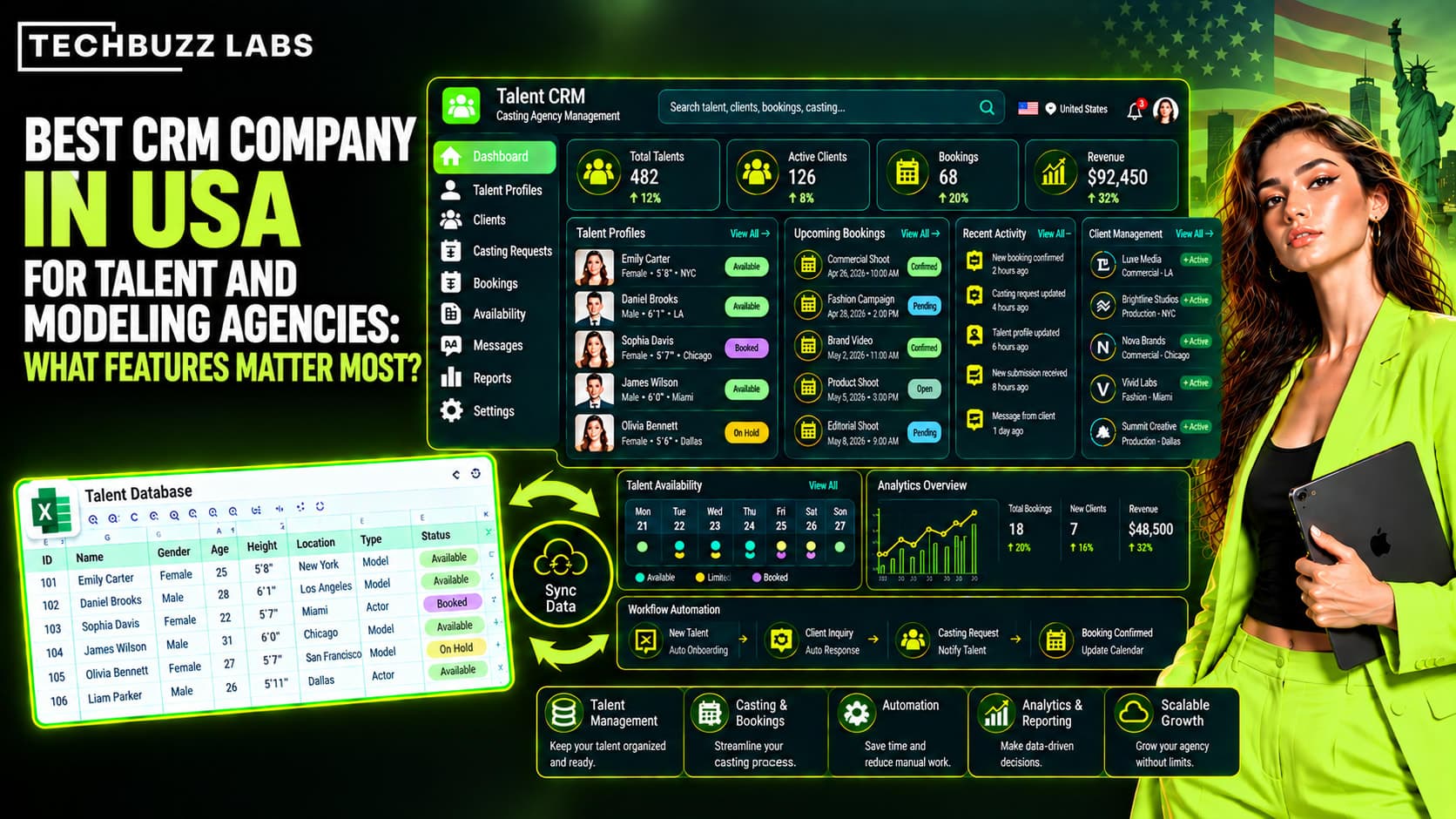
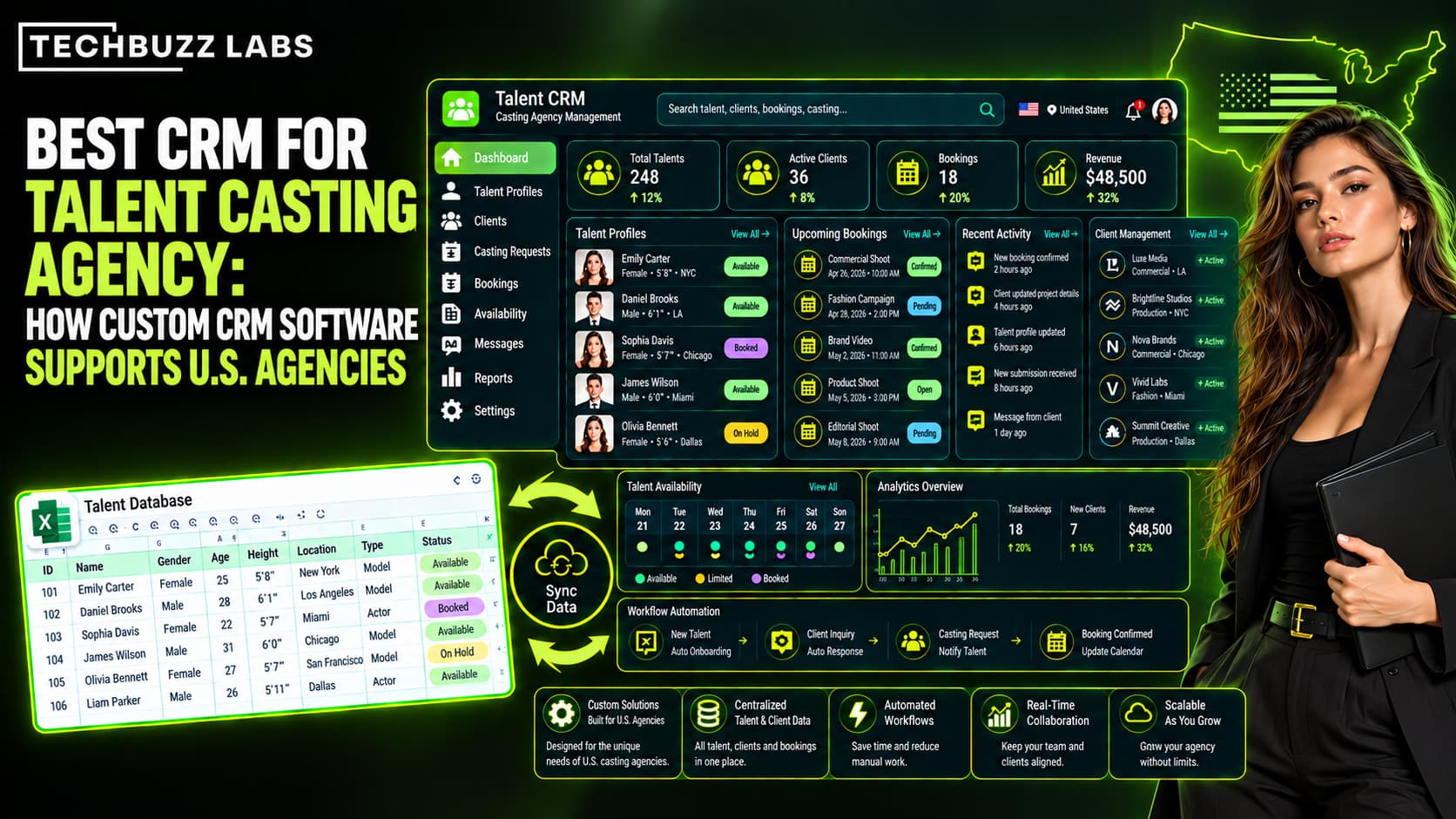
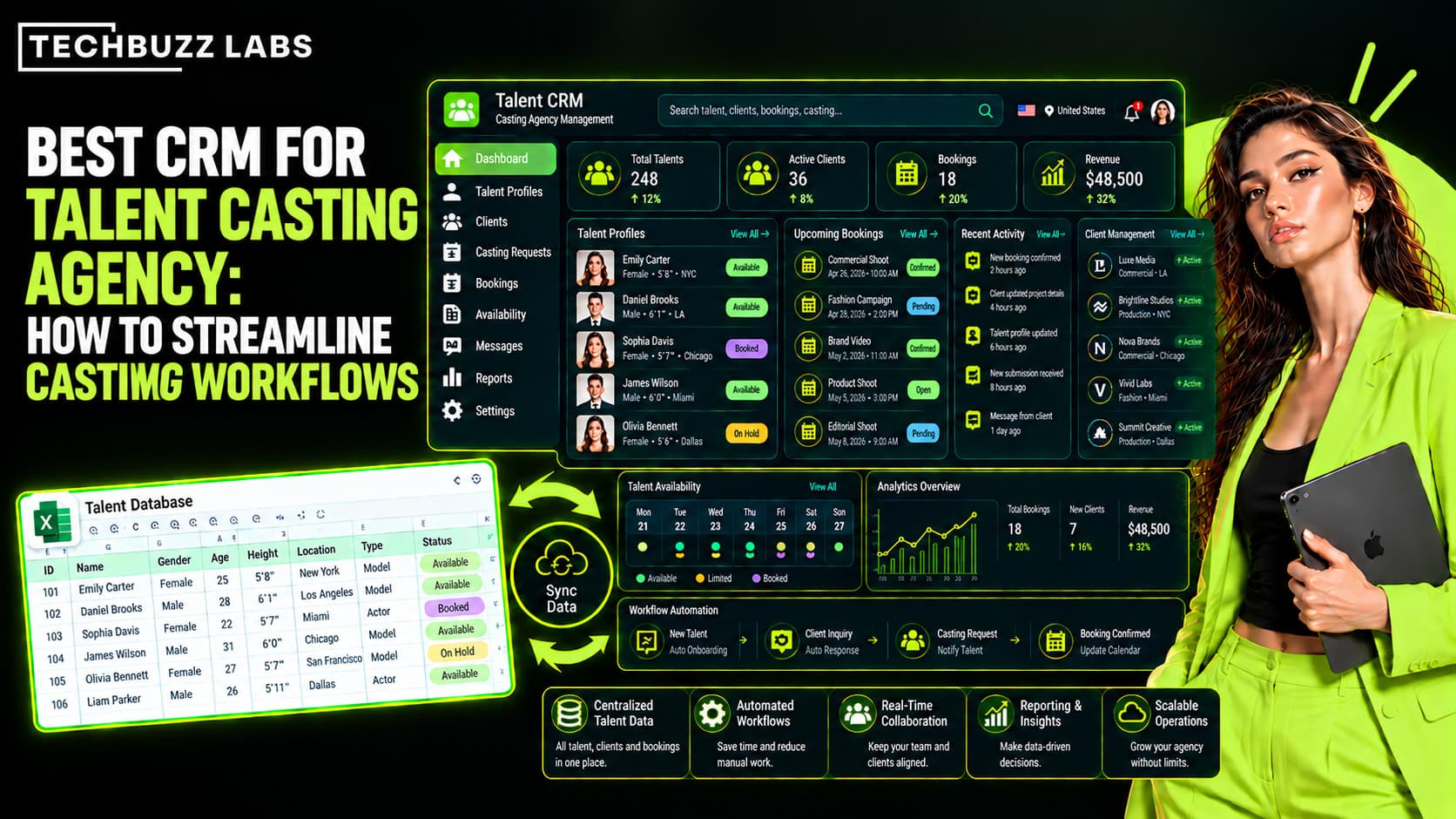
Depending on the platform, it may include features for talent profiles, casting calls, searchable databases, client management, availability, submissions, scheduling, bookings, communication, and reporting.

The casting industry moves quickly, particularly in the United States, where talent agencies may manage hundreds of models, actors, influencers, and other performers while handling multiple casting opportunities at the same time. Agents need to review talent profiles, respond to clients, check availability, send submissions, coordinate auditions, and finalize bookings. When these activities are managed manually, they can consume a significant amount of time.
Casting agency software provides a centralized way to organize these processes. By connecting talent management, casting, client communication, scheduling, and bookings, modern software can help agencies reduce repetitive administrative work and create a smoother workflow.
For U.S. agencies operating in markets such as Los Angeles, New York, Miami, Chicago, and Atlanta, efficient technology can help teams respond to casting opportunities faster while managing growing talent pools more effectively. TechBuzzLabs develops technology solutions for modeling and talent agencies, helping businesses modernize their casting and talent-management workflows.
What Is Casting Agency Software?
Casting agency software is a digital platform designed to help agencies manage talent and casting operations from a centralized system.
Instead of keeping information in separate spreadsheets, email accounts, folders, and messaging applications, agencies can connect important information within one platform.
This makes it easier to move a project through the different stages of the casting process.
1. Organizing Casting Requests
The process usually begins when a client sends a casting request.
A casting may include information about the project, location, dates, talent requirements, compensation, deadlines, and other production details.
When this information is managed through email alone, agents may need to search through conversations repeatedly to find important details.
Casting agency software can organize each opportunity into a dedicated casting record. Agents can access the project requirements and track its progress from one place.
This creates a more structured starting point for the entire workflow.
2. Finding Suitable Talent Faster
One of the biggest challenges for a growing agency is finding the right talent quickly.
An agency may represent hundreds or thousands of people. Manually reviewing every profile whenever a new casting arrives can take considerable time.
Casting agency software can provide a centralized talent database with search and filtering capabilities.
Agents can search based on relevant criteria such as location, experience, skills, category, availability, or other agency-defined requirements.
For example, if a Los Angeles client needs commercial talent for a campaign, an agent can narrow the database to potentially suitable models instead of reviewing the entire roster manually.
3. Keeping Talent Profiles Organized
A centralized talent profile can contain important information about each model or performer.
This may include professional photographs, portfolio materials, measurements, experience, skills, location, contact information, and availability.
When these details are stored in one system, agents can access the information they need without searching through multiple folders.
Profiles can also be updated as talent gain experience, receive new photographs, change locations, or update their availability.
Maintaining accurate profiles helps agencies create more relevant submissions.
4. Checking Availability
Finding the right person is only useful if they are available for the project.
Without centralized scheduling, agents may need to contact talent individually to confirm availability. This can become particularly difficult when several casting opportunities overlap.
Casting agency software can connect availability information with casting and booking records.
Agents can check schedules before submitting talent and identify potential conflicts earlier in the process.
For agencies managing talent across different U.S. cities, centralized availability can make scheduling considerably easier.
5. Simplifying Talent Submissions
Once agents identify suitable talent, they need to submit their profiles to the client.
Manual submissions can require agents to collect photographs, profile information, measurements, and other details from different sources.
Casting agency software can connect talent profiles directly with casting opportunities.
Agents can select appropriate talent and prepare submissions using information already stored in the system.
This reduces repetitive data entry and can help agencies respond to client requests more quickly.
6. Tracking Client Responses
After submissions are sent, agents need to track client decisions.
A client may shortlist certain talent, request additional options, ask for more information, or reject specific candidates.
When this information is spread across email threads, it can be difficult to determine the current status of a project.
A centralized casting platform can keep submissions and client feedback connected to the relevant casting.
Agents can quickly identify which talent has been shortlisted and which candidates require follow-up.
7. Automating Repetitive Tasks
Administrative tasks can consume a large portion of an agent's working day.
Agents may need to send casting notifications, request availability, send reminders, follow up with clients, and update project statuses.
Automation can help reduce some of this repetitive work.
For example, software can create reminders for upcoming casting deadlines or prompt agents to follow up with a client after a submission.
Automation does not eliminate the need for human agents. Instead, it allows them to spend more time on relationship building, talent development, and client service.
8. Moving From Casting to Booking
The casting process does not end when a client selects talent.
The agency may still need to confirm dates, location, rates, contracts, usage details, and other booking information.
When casting and booking workflows are connected, agents can move selected talent into the booking stage without recreating information from scratch.
The workflow can become:
Casting Call → Talent Search → Submission → Client Selection → Booking
This connected approach can reduce duplicate data entry and make project management easier.
9. Improving Team Collaboration
Casting agencies often have multiple agents and staff members working on the same projects.
If each employee maintains separate notes and spreadsheets, other team members may not have access to the latest information.
A centralized system gives authorized employees access to shared project and talent information.
An agent can review casting status, model availability, client feedback, and booking information without repeatedly asking another employee for updates.
This can improve communication and keep projects moving.
10. Helping Agencies Scale
Time savings become even more valuable as an agency grows.
A small agency may manage its operations through spreadsheets and email, but these tools can become increasingly difficult to maintain as the talent pool and client base expand.
Casting agency software provides a more structured foundation for growth.
Instead of adding more manual processes as the agency takes on more projects, technology can help manage larger amounts of information through centralized databases, automation, and connected workflows.
The Role of TechBuzzLabs
TechBuzzLabs focuses on technology solutions for modeling and talent agencies, helping agencies bring important operational processes into centralized digital systems.
Technology can connect talent profiles, casting opportunities, availability, bookings, and client requests, giving agencies a clearer view of their operations.
For agencies that have outgrown spreadsheets, shared folders, and manual workflows, a customized technology approach can provide tools designed around their specific business processes.
This can help agencies reduce administrative bottlenecks while creating a more scalable foundation for future growth.
Choosing the Right Casting Agency Software
Before selecting casting agency software, businesses should evaluate their specific needs.
Important features may include a searchable talent database, casting management, client CRM, availability tracking, digital submissions, scheduling, booking management, automation, reporting, and secure access.
Ease of use should also be considered. Software should simplify the agency's workflow rather than create additional complexity.
Scalability is equally important. The platform should be capable of supporting more talent, clients, and casting projects as the agency expands.
Conclusion
Casting agency software can save time by connecting the entire journey from casting calls to bookings.
Instead of searching through spreadsheets, checking availability manually, preparing separate submissions, and tracking client feedback across multiple communication channels, agencies can manage more of their workflow from a centralized system.
For U.S. casting, modeling, and talent agencies, this can lead to faster talent searches, more organized submissions, improved communication, fewer scheduling problems, and less repetitive administrative work.
The real value of casting agency software is not simply having another digital tool. It is creating a connected workflow that allows agencies to spend less time managing information and more time working with talent and clients.
As the U.S. talent industry continues to adopt digital technology, solutions such as TechBuzzLabs can help agencies build more organized, efficient, and scalable operations—from the initial casting call all the way to the final booking.