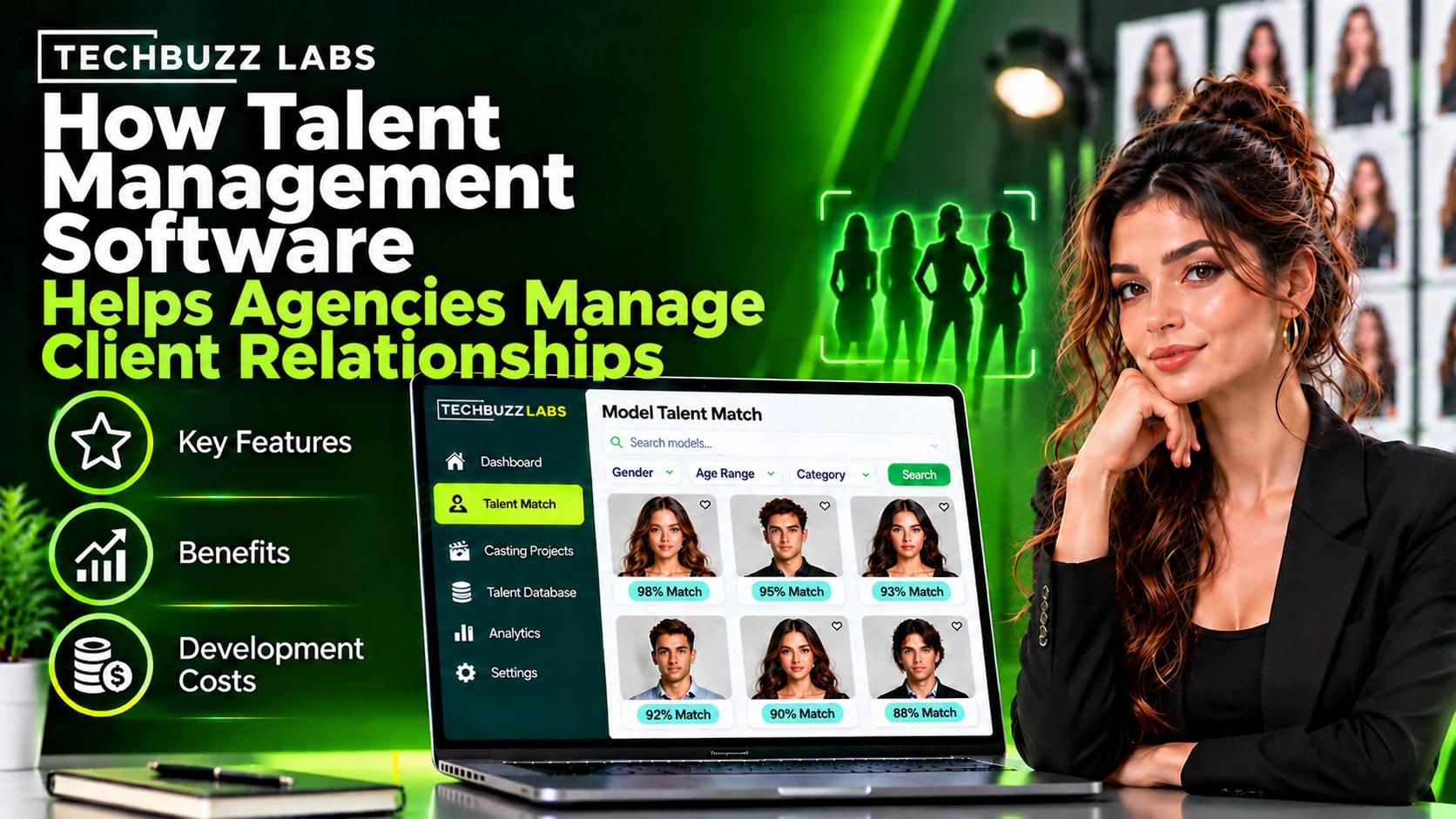
How Talent Management Software Helps Agencies Manage Client Relationships
For agencies in the USA, using the right software can create more organized client interactions and support stronger long-term business relationships.
Building strong client relationships is essential for modeling agencies, talent agencies, casting companies, and entertainment businesses. Agencies regularly communicate with brands, production houses, photographers, casting directors, event organizers, and other clients. Managing these relationships requires consistent communication, accurate records, timely follow-ups, and a clear understanding of client requirements.
As an agency grows, handling all these activities through emails, spreadsheets, and separate applications can become difficult. Important conversations may get overlooked, client preferences can be forgotten, and follow-ups may be delayed.
This is where talent management software becomes valuable. Modern platforms help agencies organize client information, manage inquiries, track projects, coordinate bookings, and maintain communication history in one centralized system.
1. Centralizes Client Information
One of the biggest challenges agencies face is keeping client information organized. Contact details, project requirements, previous bookings, communication records, and payment information may be stored in different places.
Talent management software can bring these details together through a centralized client database.
Depending on the platform, client records may include:
Company and contact information
Email addresses and phone numbers
Previous casting and booking requests
Preferred talent categories
Project history and feedback
Contracts, invoices, and related documents
Internal notes and follow-up reminders
When an agent receives a new inquiry, they can review the client's previous interactions before responding. This gives the team useful context and reduces the need to repeatedly request information.
2. Improves Client Communication
Consistent communication helps agencies build trust with clients. Whether a client is requesting models for a fashion campaign or performers for a commercial production, they need timely updates throughout the process.
Talent management software can help organize communication by connecting client records with relevant projects and bookings.
For example, an agency may use the platform to track when a client submits a casting brief, when talent profiles are shared, and when feedback is received.
Some platforms also support automated notifications, email integrations, and communication reminders. These features help teams stay informed without manually checking multiple communication channels.
A centralized communication history also allows authorized team members to understand previous conversations when another agent takes over a project.
3. Helps Agencies Track Client Inquiries and Leads
Every new inquiry can represent a potential business opportunity. However, agencies may lose opportunities when requests are not recorded or followed up on consistently.
A talent management platform with CRM functionality can organize incoming inquiries and track them through different stages.
A typical client inquiry process may include:
New Inquiry → Initial Contact → Requirements Discussion → Proposal or Talent Submission → Follow-Up → Confirmed Booking
Agents can assign responsibilities, add notes, and update the status of each opportunity.
For example, when a fashion brand requests models for an upcoming campaign, the agency can record the brief, expected dates, location, talent requirements, and communication history. Team members can then monitor the opportunity until the client makes a decision.
4. Makes Client Requirements Easier to Manage
Different clients have different expectations. A fashion brand may prefer models with specific experience and portfolio styles, while a production company may require actors with particular skills, availability, and location preferences.
Talent management software allows agencies to record these requirements within individual client profiles or project records.
This information helps agents prepare more relevant talent recommendations instead of starting every search from the beginning.
A well-organized system may also allow teams to save previous project briefs, preferred talent categories, budget information, and feedback.
Over time, these records help agencies understand what different clients need and improve the quality of their submissions.
5. Streamlines Casting and Booking Coordination
Client relationships do not end when an agency sends talent profiles. Agencies must also coordinate auditions, availability, approvals, contracts, and final bookings.
Talent management software connects these activities with client records, making it easier to track project progress.
For example, a casting manager may:
Create a project using the client's requirements.
Search the talent database for suitable professionals.
Prepare and submit a shortlist.
Record client feedback.
Coordinate auditions and availability.
Confirm the selected talent.
Maintain booking and project records.
This connected workflow reduces confusion and helps clients receive more consistent updates.
6. Supports Timely Follow-Ups and Notifications
Following up at the right time can make a difference in client relationships. Agencies often need to remind clients about pending approvals, confirm audition schedules, request feedback, or share booking updates.
Without an organized system, these responsibilities can be forgotten during busy periods.
Talent management software can provide task assignments, reminders, and automated notifications for important activities.
For example, an agent may receive a reminder when a client has not responded to a submitted shortlist. Another notification may alert the team when an upcoming booking requires confirmation.
Automation should support communication rather than replace personal interaction. Important client conversations still benefit from individual attention and professional judgment.
7. Provides Better Client Service Through Reporting
Understanding client activity can help agency managers improve their service.
Reporting features may provide information about:
Number of incoming client inquiries
Active casting projects
Pending client approvals
Confirmed bookings
Repeat client activity
Project completion status
Booking and revenue trends
These reports help managers identify delays, understand business activity, and determine where additional attention is needed.
For instance, if several projects remain in the client approval stage for longer than expected, managers can review the process and improve follow-up practices.
8. Protects Client Information With Access Controls
Agencies often handle confidential project briefs, contracts, contact details, rates, and other business information. Keeping these records secure is important for maintaining professional relationships.
A reliable talent management platform should support role-based permissions, secure authentication, encrypted data storage, backups, and activity tracking.
For example, an agent may have access to assigned client projects, while an administrator may manage broader system settings and reporting.
Agencies should also review applicable privacy requirements, contractual obligations, and data retention practices based on the information they collect.
9. How Custom Talent Management Software Improves Client Relationships
Ready-made software can support standard CRM and talent management activities. However, some agencies need more specialized workflows that generic platforms may not fully accommodate.
Custom talent management software allows agencies to connect client management with their specific casting, portfolio, scheduling, and booking processes.
For example, a custom platform could include:
Dedicated client portals for project requests
Custom casting approval workflows
Client-specific talent shortlists
Integrated booking calendars
Automated project status updates
Custom reports and dashboards
Connections with existing business applications
TechBuzz Labs works with modeling and talent agencies exploring custom software solutions for managing talent, client relationships, casting workflows, and bookings. A tailored platform can help connect these operations within a centralized system based on the agency's actual business requirements.
Before investing in custom development, agencies should identify their biggest communication and workflow challenges, prioritize essential features, and plan for future maintenance and scalability.
Conclusion
Managing client relationships requires more than maintaining a contact list. Agencies need organized communication, accurate client records, timely follow-ups, and reliable coordination throughout casting and booking projects.
Talent management software helps bring these activities together by centralizing client information, tracking inquiries, recording project requirements, and connecting communication with everyday agency workflows.
For modeling and talent agencies in the USA, the right platform can support more consistent client service and make it easier to manage long-term business relationships. Whether an agency chooses ready-made software or a custom-built solution, the goal should be to create a more organized and responsive experience for every client.