How to Build the Perfect Portfolio for Editorial Fashion Modeling
Agencies and clients want to see whether you can express emotion, work with dramatic lighting, pose naturally, and bring fashion ideas to life. Your portfolio should demonstrate flexibility, professionalism, and confidence rather than simply showcasing your appearance.
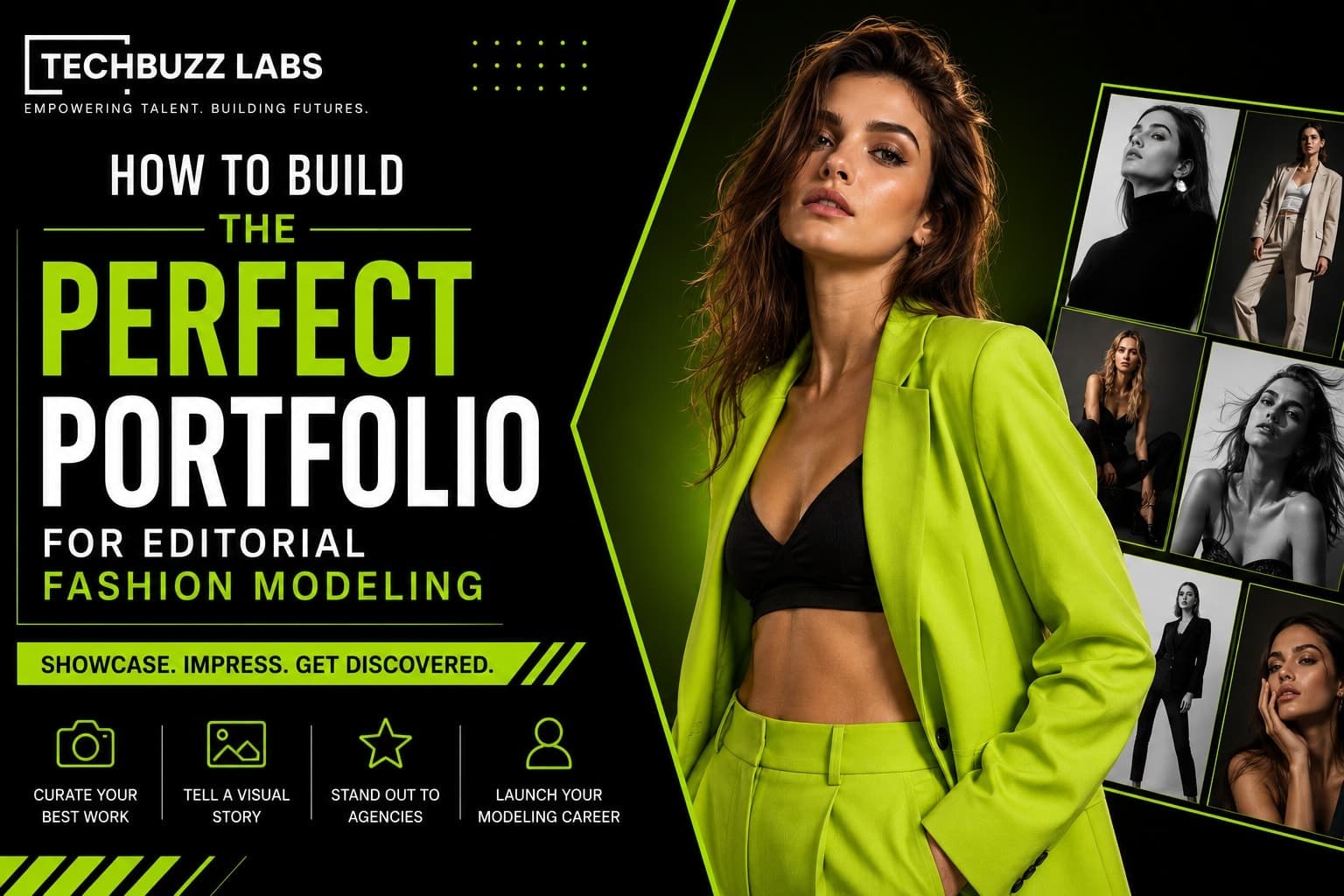
Breaking into editorial fashion modeling starts with one essential tool—a professional portfolio. Whether you're an aspiring model hoping to work with top fashion magazines or aiming to sign with a leading modeling agency in the United States, your portfolio is often the first impression you make. A well-crafted editorial portfolio showcases your versatility, confidence, and ability to tell a story through fashion photography.
Unlike commercial modeling, editorial fashion modeling focuses on creativity, artistic expression, and high-fashion concepts. Your portfolio should reflect these qualities while demonstrating your potential to photographers, casting directors, designers, and modeling agencies. At TechBuzzLabs, we believe that building a strong portfolio is one of the smartest investments any aspiring editorial model can make. Here's a complete guide to creating the perfect portfolio.
Understand the Purpose of an Editorial Portfolio
An editorial modeling portfolio is more than just a collection of attractive photos. It tells a visual story about who you are as a model and highlights your ability to adapt to different fashion styles and creative concepts.
Start with High-Quality Professional Photos
Quality always matters more than quantity. Instead of filling your portfolio with dozens of average images, focus on creating a smaller collection of exceptional photographs.
Work with experienced fashion photographers who understand editorial photography. Professional lighting, composition, and styling can make a significant difference in how your portfolio is perceived.
Avoid excessive editing or filters. Agencies prefer images that accurately represent your natural features while maintaining a polished and professional look.
Include Essential Portfolio Shots
A balanced editorial portfolio should showcase different aspects of your modeling abilities.
Some of the most important images include:
Clean headshots
Full-body photographs
Beauty portraits
Editorial fashion images
Black-and-white portraits
Natural light photographs
Close-up facial expressions
Dynamic fashion poses
These images allow agencies and clients to evaluate your facial features, posing ability, body proportions, and versatility.
Showcase Your Range
Editorial fashion modeling requires flexibility. One photoshoot may call for elegant luxury fashion, while another may feature bold avant-garde styling.
Your portfolio should include multiple fashion moods, such as:
Minimalist fashion
High-fashion editorials
Street style
Luxury clothing
Modern beauty campaigns
Dramatic conceptual shoots
Showing variety proves that you can adapt to different creative visions and work successfully with diverse brands and photographers.
Keep Styling Simple and Fashion-Focused
While creative styling is important, your portfolio should never allow clothing or accessories to overshadow you.
Choose outfits that complement your body shape and suit editorial photography. Neutral colors, clean silhouettes, and fashionable pieces often produce timeless images that remain effective for years.
Hair and makeup should also vary slightly throughout the portfolio to demonstrate versatility without appearing overly dramatic in every shot.
Work with a Professional Creative Team
Building an impressive editorial portfolio is rarely a solo effort.
Collaborate with experienced professionals, including:
Fashion photographers
Makeup artists
Hair stylists
Wardrobe stylists
Creative directors
A skilled team understands current fashion trends and knows how to produce images that meet industry standards. These collaborations also help you gain valuable experience working in professional editorial environments.
Focus on Natural Expressions and Strong Posing
Editorial fashion modeling depends heavily on body language and facial expressions.
Practice posing regularly in front of a mirror or camera. Study fashion magazines to understand how professional editorial models create movement, emotion, and confidence in every image.
Avoid repetitive poses. Each photograph should offer something unique while maintaining a consistent professional appearance.
Update Your Portfolio Regularly
As your experience grows, your portfolio should evolve with you.
Replace older beginner images with stronger editorial work, recent collaborations, and higher-quality photographs. Updating your portfolio regularly demonstrates growth and ensures agencies see your current skill level.
Many successful models refresh their portfolios several times each year to reflect changing fashion trends and career achievements.
Create Both Digital and Printed Portfolios
Today's modeling industry relies heavily on digital portfolios.
Maintain a professional online portfolio that is easy to share with agencies, photographers, and clients. Include only your strongest work and organize images neatly.
At the same time, keep a high-quality printed portfolio for casting calls and in-person agency meetings. A professionally printed book still leaves a lasting impression during face-to-face interviews.
Avoid Common Portfolio Mistakes
Many beginners unintentionally weaken their portfolios by including unsuitable images.
Common mistakes include:
Low-resolution photographs
Heavy photo editing
Too many similar poses
Casual selfies
Outdated fashion styles
Poor lighting
Distracting backgrounds
Unprofessional wardrobe choices
Remember that every image should strengthen your overall presentation. If a photo does not add value, it should not be included.
Build Industry Connections
Networking plays an important role in editorial fashion modeling.
Attend fashion events, collaborate with emerging photographers, participate in creative projects, and connect with industry professionals through social media platforms like Instagram and LinkedIn. These relationships often lead to portfolio-building opportunities and future modeling jobs.
Building a positive reputation for professionalism and reliability can be just as valuable as having beautiful photographs.
Final Thoughts
Creating the perfect portfolio for editorial fashion modeling takes time, dedication, and continuous improvement. Your portfolio should highlight your versatility, creativity, professionalism, and ability to bring fashion stories to life. Rather than focusing on the number of photos, prioritize quality, variety, and authenticity.
The editorial modeling industry in the United States continues to offer exciting opportunities for aspiring talent who are willing to invest in their skills and presentation. By working with experienced professionals, practicing consistently, and updating your portfolio as you grow, you'll be well-positioned to attract agencies, designers, and high-fashion clients.
At TechBuzzLabs, we encourage aspiring editorial models to stay informed about industry trends, invest in professional development, and build portfolios that reflect their unique strengths. With persistence, creativity, and the right preparation, your portfolio can become the key that opens the door to a successful career in editorial fashion modeling.