Virtual Auditions Are Now Standard: Here’s How Your Agency’s Tech Stack Needs to Catch Up
The casting and modeling industry has changed dramatically over the last few years, and by 2026 virtual auditions are no longer an optional convenience. They have become the standard workflow for agencies across the United States.
The casting and modeling industry has changed dramatically over the last few years, and by 2026 virtual auditions are no longer an optional convenience. They have become the standard workflow for agencies across the United States.
From fashion campaigns and commercial shoots to film roles and influencer partnerships, clients now expect agencies to move quickly, shortlist talent faster, and coordinate auditions without geographical limitations.
For boutique casting and modeling agencies, this shift has created both an opportunity and a challenge.
The opportunity is speed and reach.
The challenge is technology.
Many agencies are still relying on outdated workflows built around spreadsheets, messaging apps, email chains, and manual scheduling. That system no longer supports the pace of modern casting.
Virtual auditions require a connected tech stack.
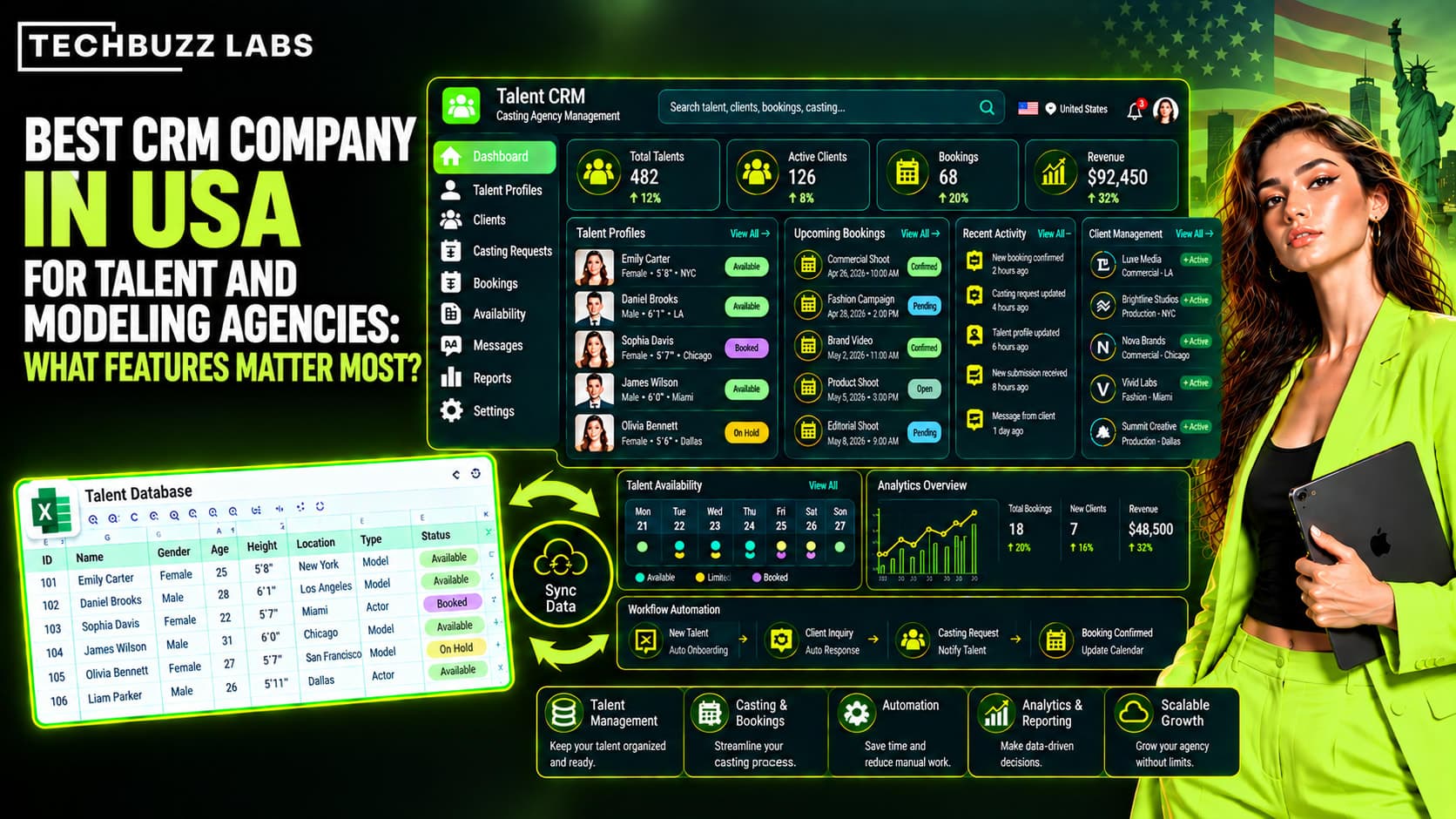
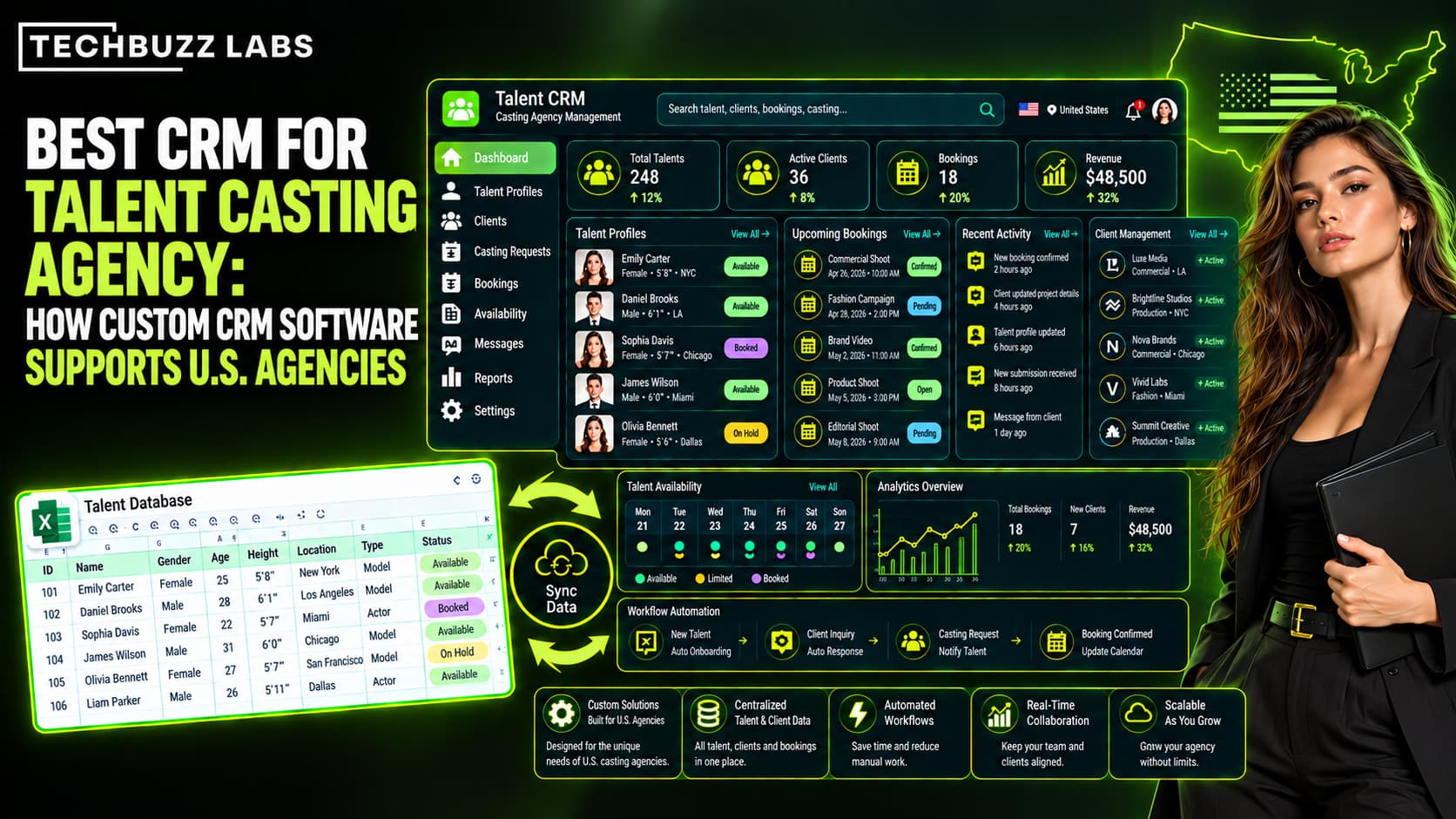
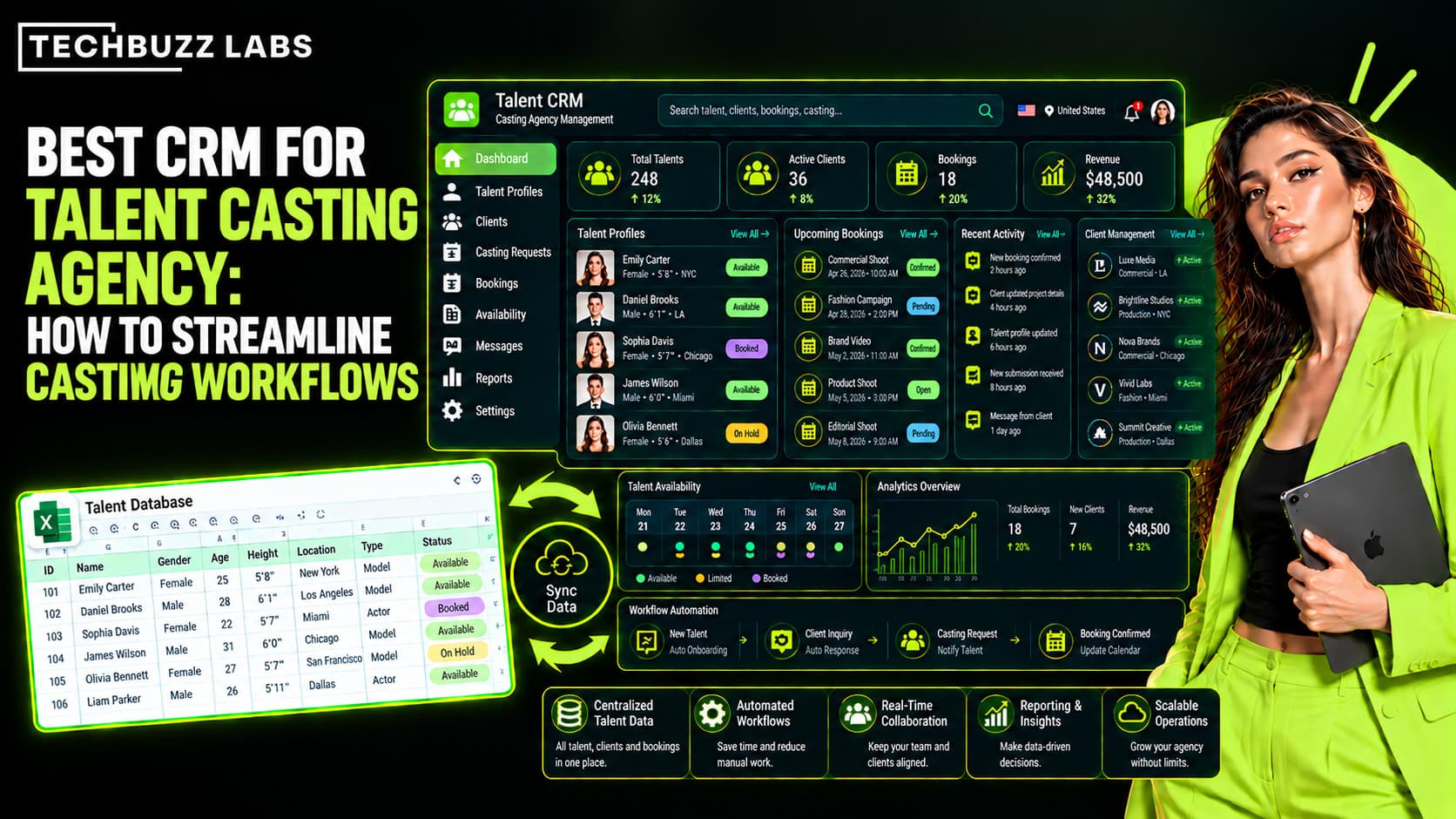
At the center of this stack should be a reliable talent management system.
This includes searchable talent profiles, digital portfolios, availability tracking, automated shortlisting tools, and real time communication dashboards.
Without these systems, agencies struggle to respond quickly to client requests.
The second layer is video infrastructure.
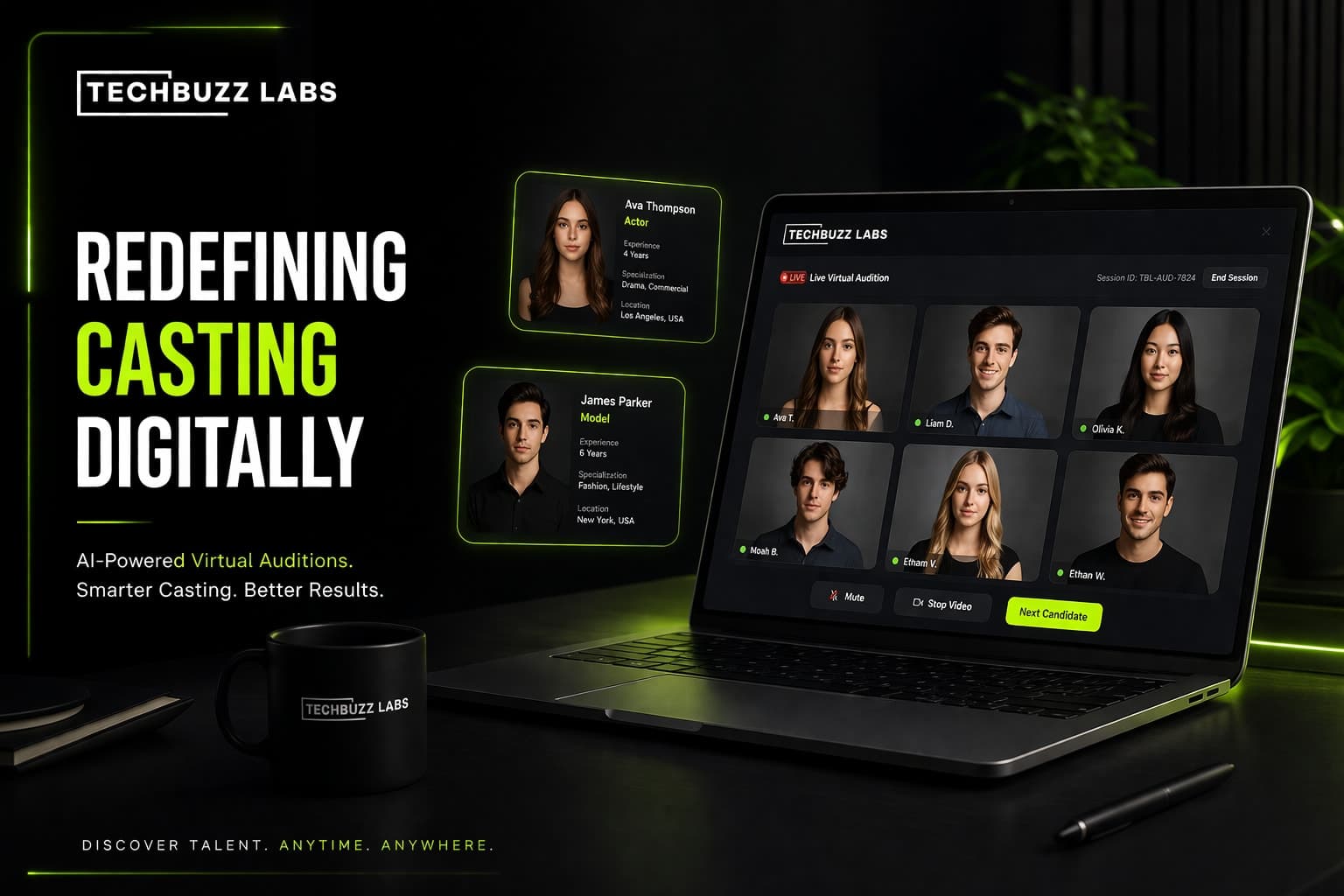
A professional virtual audition workflow should include high quality video submission portals, scheduled live audition rooms, recorded playback storage, and feedback tracking.
Clients want to review auditions quickly and compare shortlisted talent side by side.
Agencies that make this process smooth create a much stronger client experience.
The third layer is automation.
In 2026, leading agencies are using AI tools to filter submissions, organize portfolios, and rank candidates based on client requirements.
This reduces manual workload and improves turnaround speed.
For USA based agencies, especially those handling talent across multiple cities, virtual audition technology has become a major competitive advantage.
The agencies that modernize their tech stack will book faster, scale smarter, and deliver a more professional client experience.