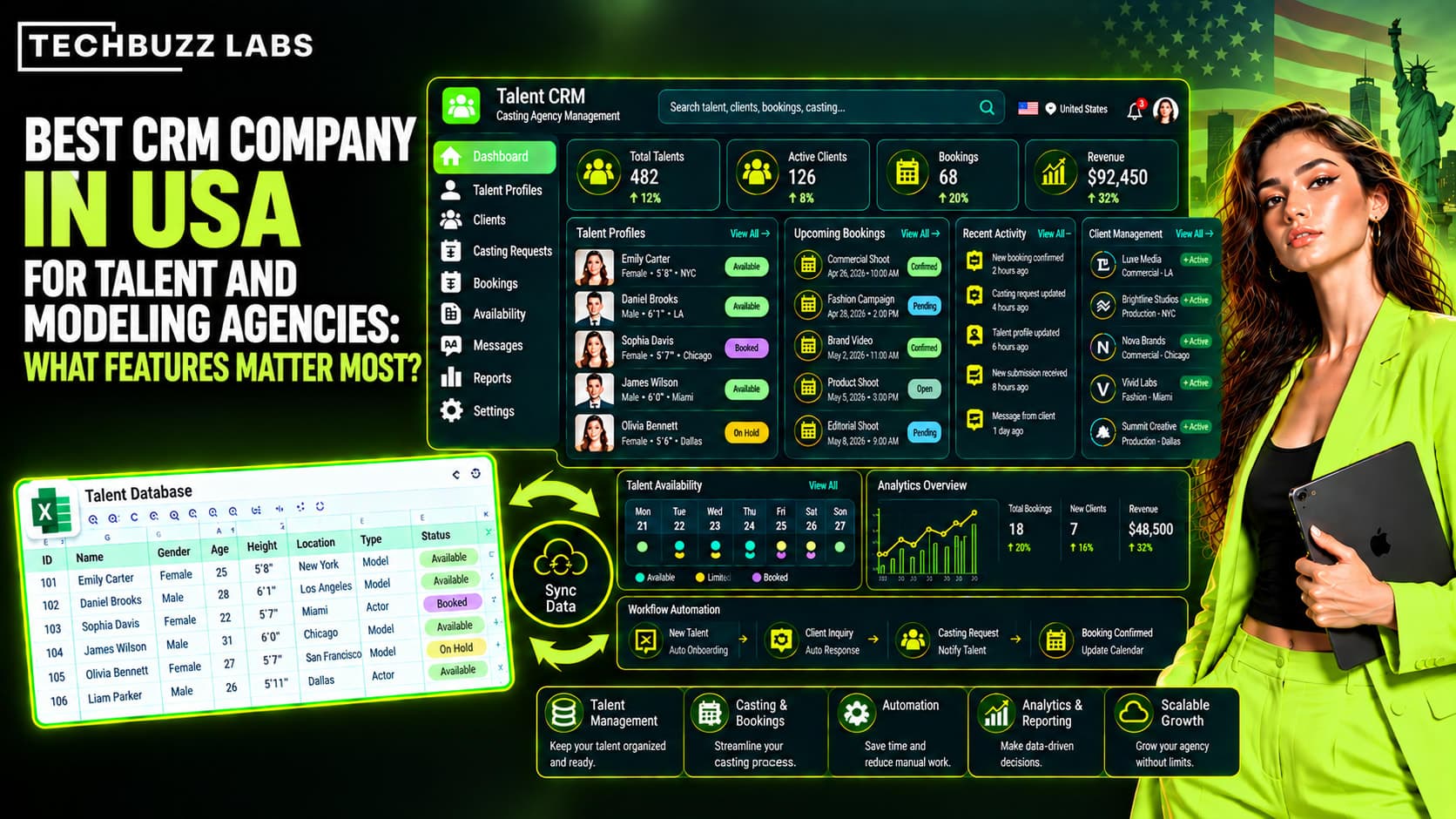
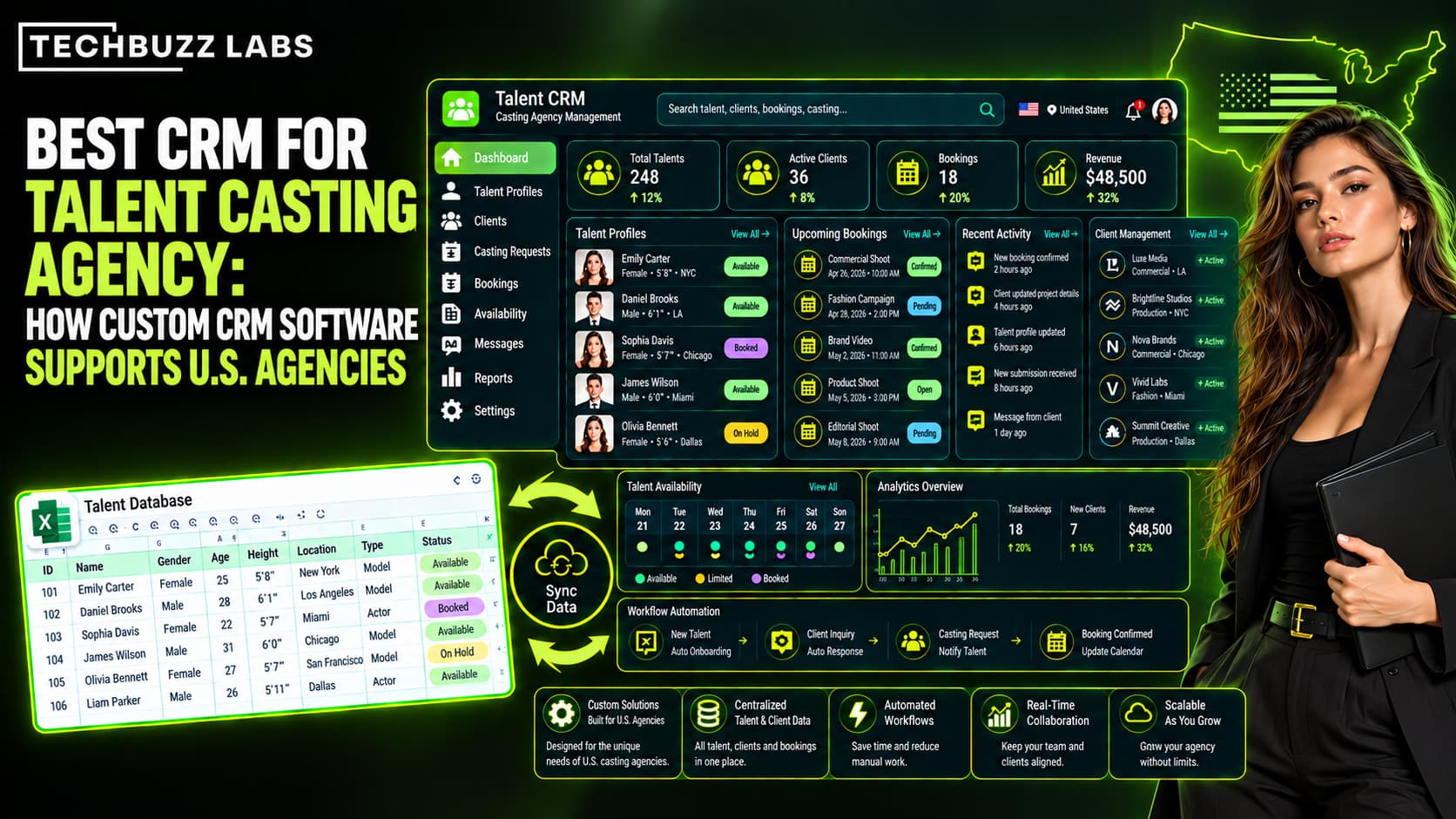
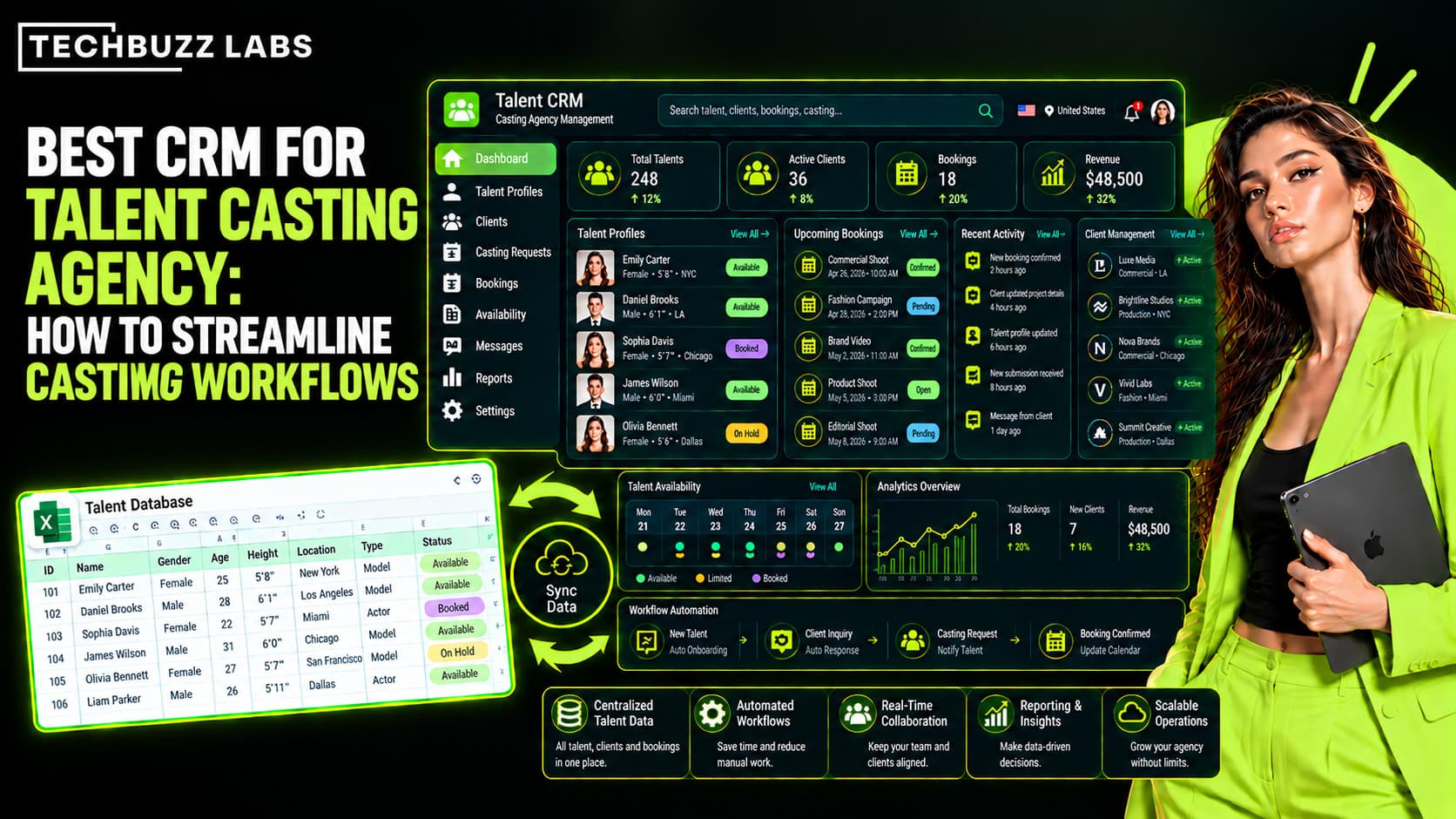
Best Casting Management Software for Talent and Modeling Agencies
At TechBuzzLabs, we recognize the growing role of technology in the modeling industry and how specialized software can help agencies create more organized and scalable operations.
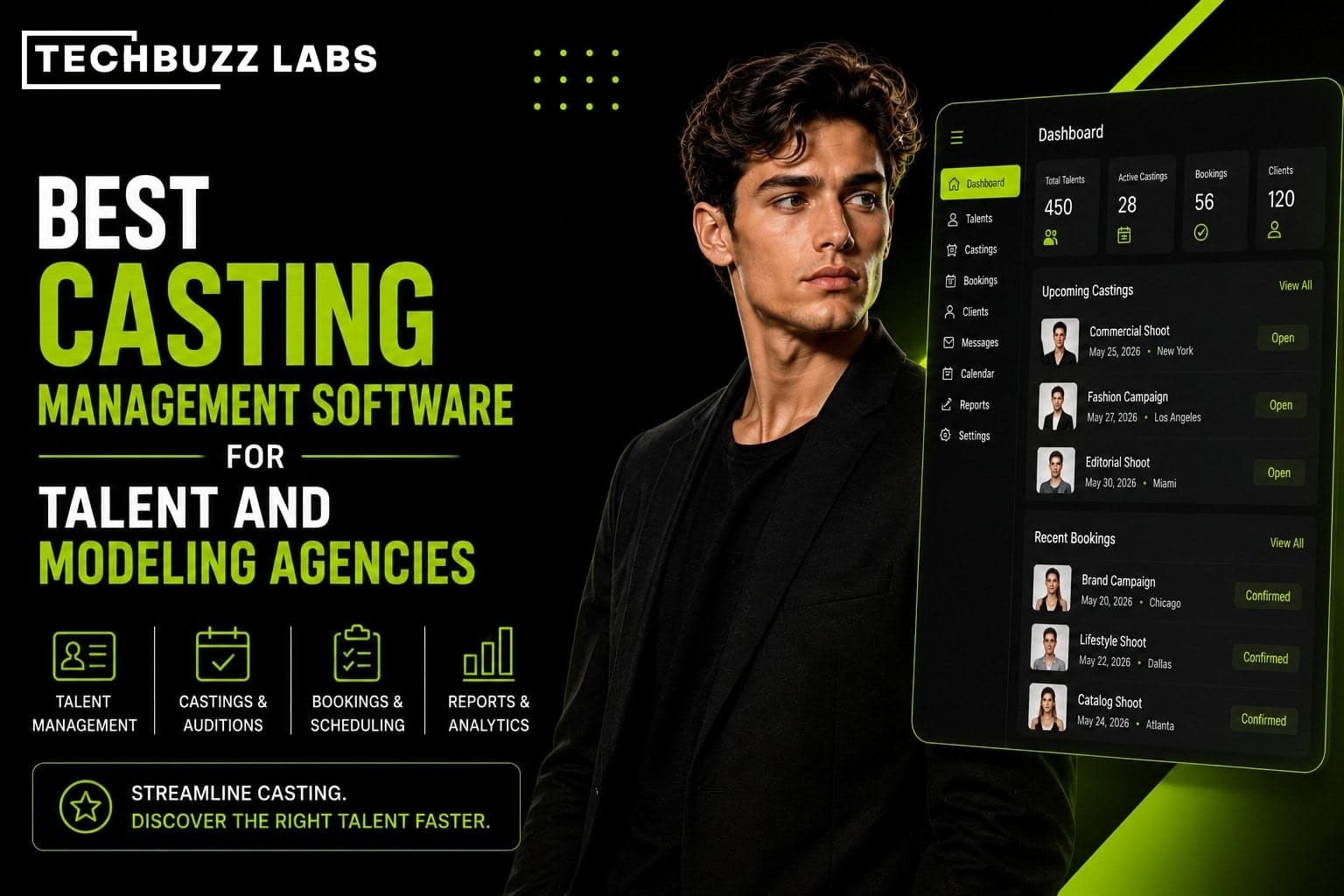
Managing talent and modeling agencies involves many moving parts. Agents need to organize model profiles, review casting opportunities, communicate with clients, check talent availability, send submissions, manage bookings, and keep track of contracts and payments. When these activities are handled through spreadsheets, emails, messaging apps, and separate files, important information can easily become difficult to manage.
This is why casting management software has become an important technology for modern talent and modeling agencies. A well-designed platform can bring casting, talent management, client communication, scheduling, and booking workflows into one centralized system. For agencies in the USA, this can help reduce administrative work while allowing agents to respond faster to clients and casting opportunities.
What Is Casting Management Software?
Casting management software is a digital platform designed to organize the casting process from the initial client request through talent selection and booking.
Depending on the platform, agencies can manage talent profiles, casting briefs, submissions, auditions, client approvals, bookings, contracts, and payment information. Some modern platforms are designed specifically for talent agencies, while others are customizable CRM or workflow systems.
The goal is simple: keep the casting process organized in one place instead of relying on disconnected tools.
Modern casting platforms can connect talent information with opportunities, availability, submissions, and follow-ups, helping agencies reduce manual coordination.
Why Do Talent and Modeling Agencies Need Casting Software?
A modeling agency may represent hundreds or thousands of models. Every casting can have different requirements, deadlines, locations, rates, and client preferences.
Managing this information manually can become challenging as the agency grows.
Casting management software can help agencies quickly search talent, organize casting projects, track submissions, and monitor the status of each opportunity. Some platforms also provide advanced search tools that allow agents to filter talent based on characteristics such as location, experience, availability, or other profile information.
For U.S. agencies working across markets such as New York, Los Angeles, Miami, Chicago, and other major cities, centralized management can be especially useful.
Key Features to Look For
1. Centralized Talent Database
A strong platform should provide detailed profiles for every model or talent.
Profiles may include photographs, videos, measurements, skills, experience, location, contact information, availability, contracts, and previous work.
Having this information in one place allows agents to find appropriate talent quickly instead of searching through multiple folders or spreadsheets.
2. Casting Call Management
The software should allow agencies to create and organize casting projects.
Agents can record client requirements, project dates, locations, deadlines, rates, usage details, and other important information. This provides the team with a central reference point for each casting.
3. Talent Search and Matching
Search and filtering are among the most valuable features for a modeling agency.
An agent may receive a request for models with particular characteristics, experience, availability, or location. Advanced search can help narrow the agency's roster and create a relevant shortlist.
Some modern platforms also offer matching capabilities that suggest talent based on opportunity criteria.
4. Client Submission Tools
Once an agent creates a shortlist, the next step is usually presenting talent to the client.
Casting software can allow agencies to create professional talent packages containing photographs, videos, measurements, and other relevant information. Some platforms also allow clients to review submissions and provide feedback digitally.
This can make the process faster and more professional.
5. Availability and Scheduling
Model availability can change frequently, so scheduling tools are essential.
The right software should help agents determine whether talent is available for a casting, fitting, shoot, or other assignment. Calendar features can also help identify scheduling conflicts and reduce the possibility of double bookings.
6. Booking Management
Casting does not end when a client selects a model. Agencies then need to manage the booking.
Useful software can connect approved talent to booking information such as dates, rates, locations, clients, contracts, and project requirements.
Some platforms also connect bookings with contracts, invoices, and payment tracking, creating a more complete workflow from casting to completion.
7. Communication
Communication is one of the biggest challenges for agencies.
Casting information can arrive through email, texts, phone calls, and social media messages. Specialized software can centralize conversations and project updates so that agents and talent can see the same information.
Some platforms provide dedicated communication threads for individual castings and bookings, reducing the risk of important updates being lost.
Benefits of Casting Management Software
The biggest benefit is organization. Instead of managing information across multiple tools, agencies can centralize their workflows.
Software can also improve speed. Agents can search talent, create shortlists, send submissions, and check availability more efficiently.
Another advantage is better collaboration. Multiple team members can access the same project information, making it easier for agents to continue work even when another team member is unavailable.
Casting software can also support scalability. As an agency adds more talent and clients, a centralized digital system can make it easier to handle increased workloads.
Casting Software vs. Spreadsheets
Spreadsheets can be useful for small agencies, but they become increasingly difficult to maintain as the business grows.
Information may become duplicated, outdated, or separated across multiple files. Scheduling and communication can also require additional tools.
Casting management software is designed to connect talent, opportunities, submissions, schedules, and bookings within a structured workflow. This makes it more suitable for agencies that manage large and continuously changing talent databases.
How to Choose the Best Software
There is no single casting platform that is best for every agency. The right solution depends on the agency's size, workflow, budget, and business model.
Before choosing software, consider whether it provides talent profiles, advanced search, casting management, client submissions, availability tracking, scheduling, booking management, communication, contracts, invoicing, reporting, and data security.
Ease of use is equally important. Agents should be able to learn the platform without spending excessive time on technical training.
Agencies should also consider whether the software can grow with their business.
The Role of TechBuzzLabs
Technology is becoming an increasingly important part of modern modeling and talent management. TechBuzzLabs focuses on the connection between technology and the modeling industry, where tools such as CRM platforms, casting management software, and model management systems can help agencies improve their workflows.
For agencies looking to modernize, understanding how these digital systems work can help them choose technology that supports both their current operations and future growth.
Conclusion
The best casting management software for talent and modeling agencies is ultimately the platform that fits the agency's specific workflow. A strong solution should make it easier to manage talent profiles, casting calls, submissions, client relationships, availability, bookings, communication, and payments.
For U.S. modeling and talent agencies, adopting specialized software can reduce administrative work, improve response times, and create a more organized experience for agents, models, and clients.
As the industry continues moving toward digital casting and centralized talent management, the right technology can give agencies a practical foundation for managing more opportunities while maintaining accuracy, professionalism, and strong client relationships.