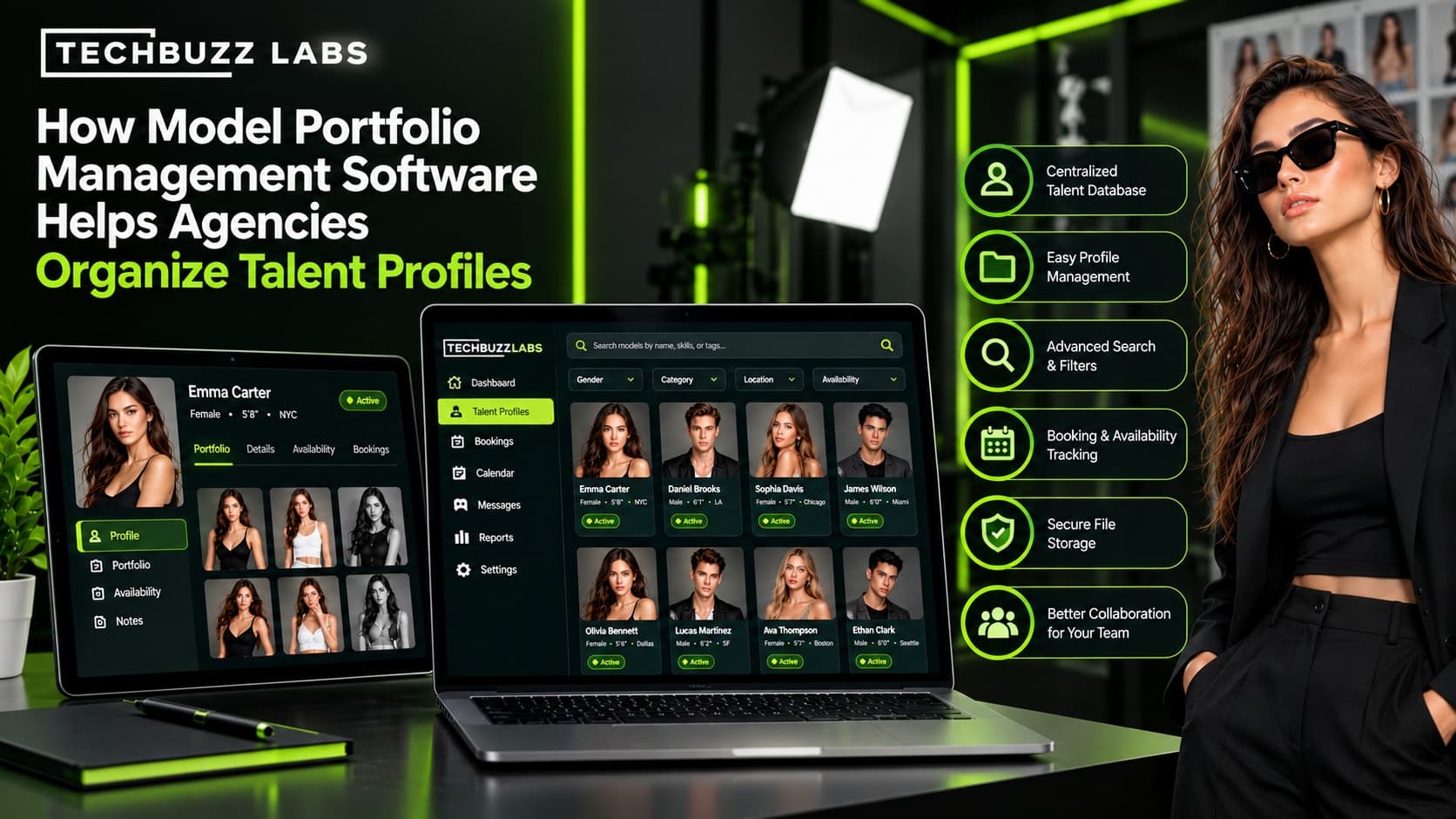
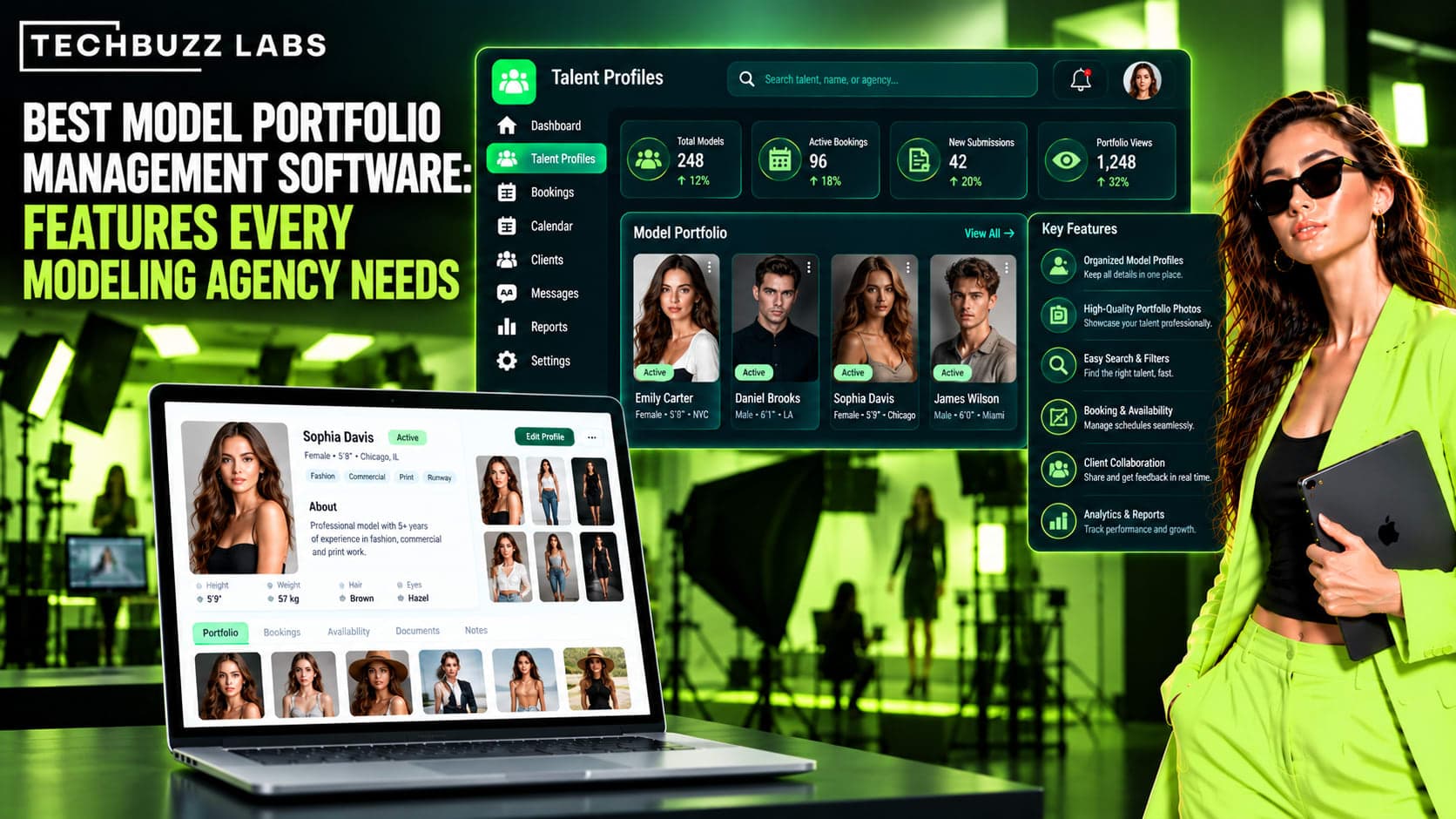
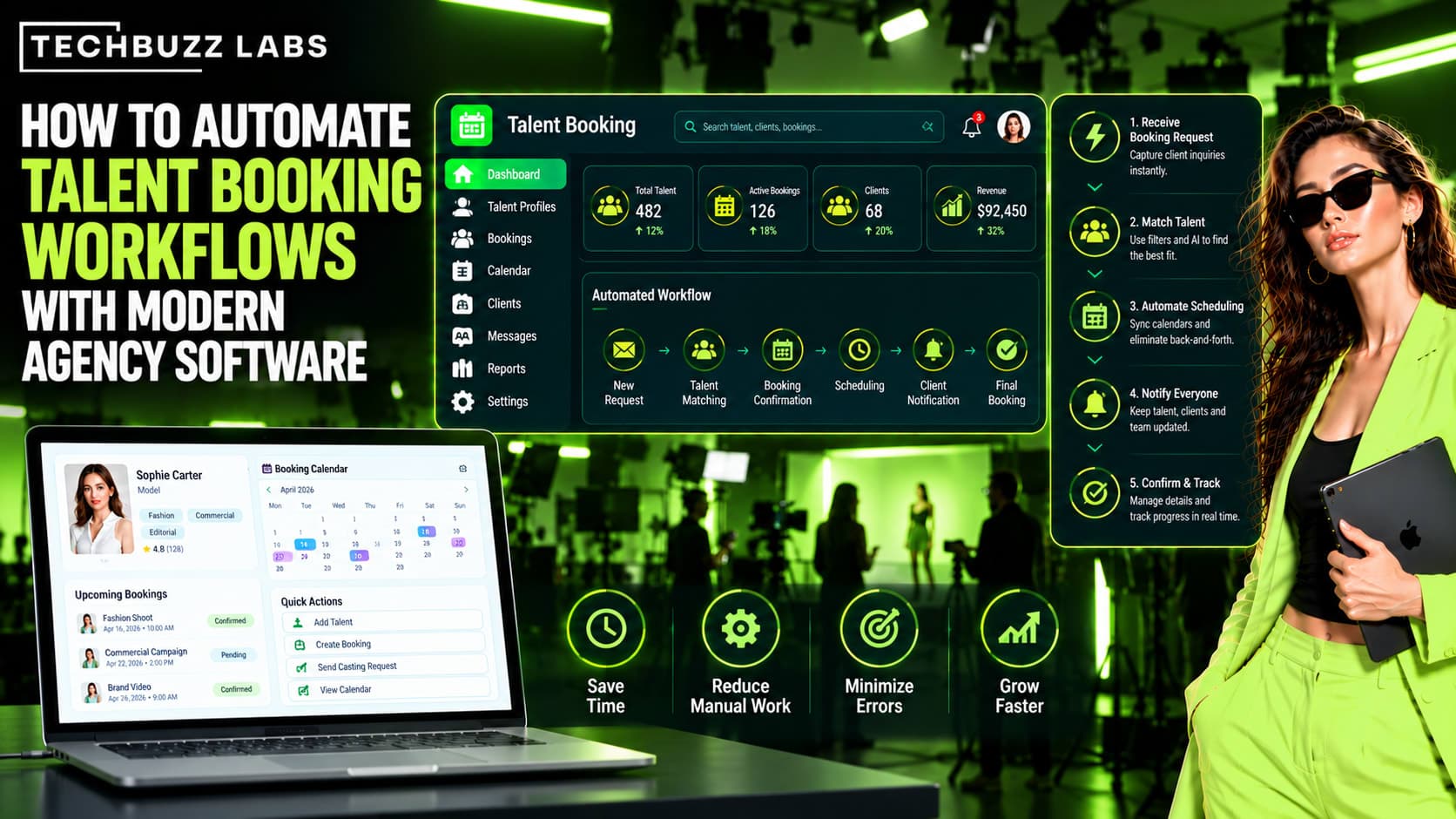
Best CRM for Fashion Model Agency: Custom CRM vs. Generic CRM Software
A generic CRM can help organize client contacts, track conversations, create tasks, and maintain basic relationship information without requiring a lengthy development process.
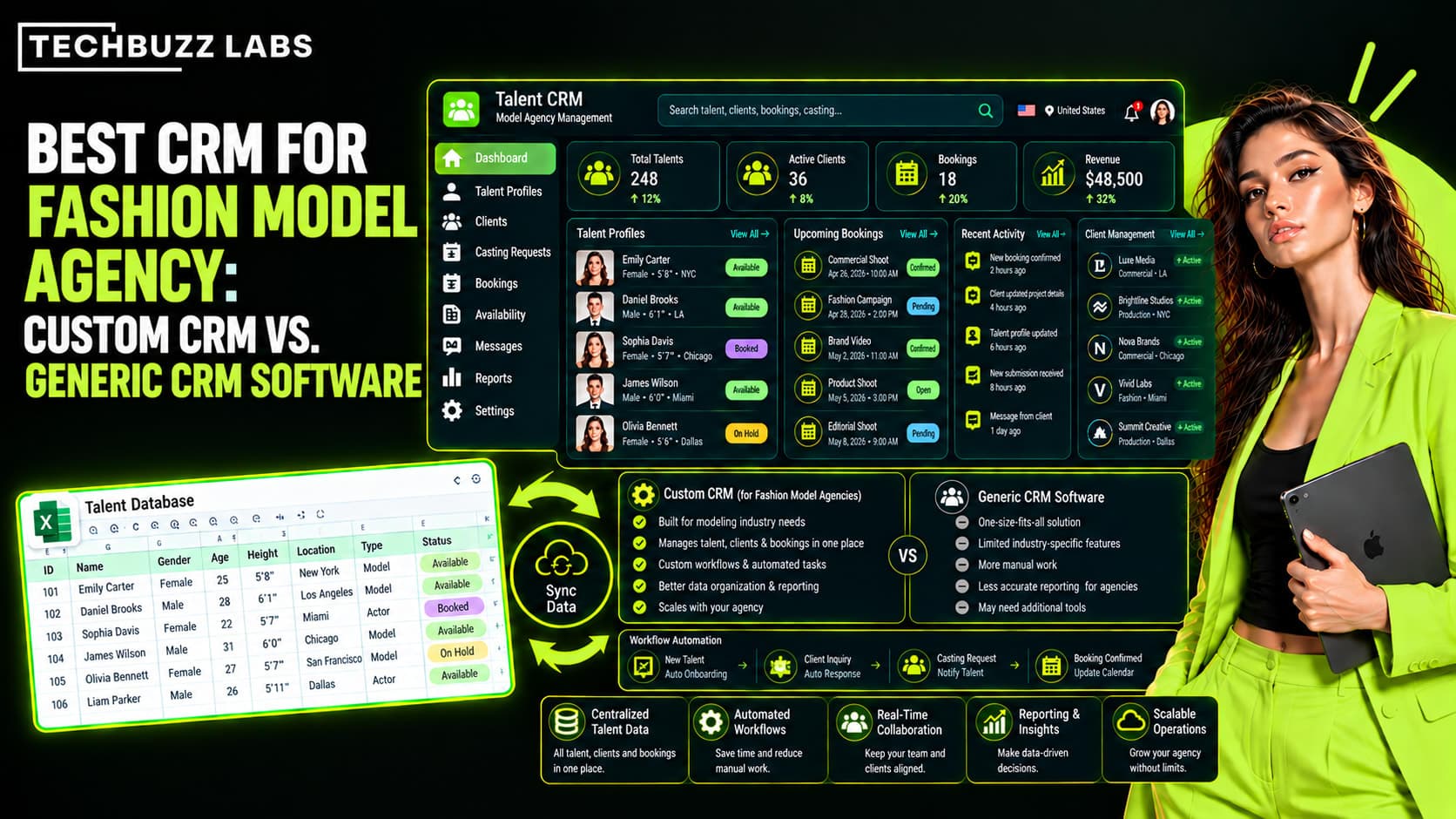
Choosing CRM software is an important decision for a growing fashion modeling agency. Agencies need to manage more than traditional customer relationships. They may have to organize model profiles, portfolios, client requirements, casting opportunities, availability, submissions, bookings, communications, and internal workflows.
Generic CRM software can provide a useful foundation for managing contacts and relationships, but fashion modeling agencies may eventually need functionality that goes beyond conventional sales and customer management.
This creates an important question: should a fashion modeling agency use a generic CRM platform or invest in a custom CRM designed around its specific workflow?
The answer depends on the agency's size, operational complexity, budget, existing systems, and long-term requirements.
What Is a Generic CRM?
A generic CRM is a ready-made software platform designed to serve businesses across different industries.
Its common features may include contact management, sales pipelines, communication tracking, tasks, reporting, and automation.
For a small modeling agency with relatively simple requirements, these features may provide a useful starting point.
However, modeling agencies often manage workflows that are different from traditional sales organizations.
What Is a Custom CRM?
A custom CRM is developed or configured around the specific requirements of an organization.
Instead of starting with a fixed workflow, the agency can define how its CRM should handle talent profiles, casting requests, model availability, submissions, client feedback, bookings, and other operational processes.
For example, a modeling agency could structure its workflow as:
Talent Profile → Casting Opportunity → Talent Shortlist → Availability → Submission → Client Feedback → Selection → Booking
A custom system can be designed to connect these stages within one environment.
TechBuzzLabs describes custom CRM software for modeling agencies as an approach that can connect talent management, casting, client relationships, availability, submissions, and bookings around the agency's specific workflow.
Generic CRM: Where It Can Work Well
Generic CRM software can make sense when an agency has straightforward requirements.
If the primary goal is to organize client contacts, communication, sales opportunities, and basic follow-ups, a ready-made CRM may provide the required functionality.
Another potential advantage is implementation speed.
Because the platform has already been developed, an agency can generally start configuring it without building an entire system from the beginning.
Generic platforms can also be useful when an agency wants to test CRM-based processes before making a larger technology investment.
Generic CRM: Where Limitations May Appear
The challenge can arise when the agency's workflow becomes more specialized.
A generic CRM may not naturally understand the relationship between a model profile, casting brief, availability, submission, client feedback, and booking.
The agency may need to create custom fields, workarounds, integrations, or additional applications to reproduce these processes.
Over time, this can create a system where the agency is adapting its workflow around the software rather than using software that naturally reflects its workflow.
This does not mean every generic CRM is unsuitable. It means agencies should evaluate how much customization is required to make the platform work for their actual operations.
Custom CRM: Connecting Talent and Client Management
One major difference between a generic and custom CRM can be how talent and client information are connected.
A fashion modeling agency manages two important sides of its business.
The first is its talent roster. The second is its client network.
A specialized CRM can connect model profiles with client requests, casting projects, submissions, and bookings.
For example, when a client creates a new casting request, the agency can connect that project to relevant models and track what happens throughout the process.
This creates a more connected operational database.
Custom CRM: Supporting Modeling-Specific Workflows
Fashion modeling agencies often have workflows that generic businesses do not need.
These can include model applications, profile approvals, portfolio management, casting submissions, availability checks, client selections, booking confirmations, and other agency-specific processes.
A custom CRM can be designed around these requirements.
The agency can define which information needs to be collected, how projects should move between stages, which team members should receive notifications, and which actions should be automated.
This can be particularly relevant for agencies whose workflow has become too specialized for a standard platform.
Comparing Casting Management
Casting is one area where the difference between generic and custom CRM software can become clearer.
A generic CRM may allow an agency to create an opportunity or project, but the agency may need additional configuration to manage model submissions, availability, client feedback, and selection stages.
A custom CRM can structure these elements specifically around the agency's casting process.
For example, an agency could have dedicated stages for:
Casting Brief → Talent Search → Shortlist → Availability Check → Submission → Client Review → Selection
This can make project status easier to understand across the team.
Comparing Talent Search and Profile Management
A fashion modeling agency may maintain a large database of models with detailed information.
Generic CRM platforms can often store custom fields, but agencies should evaluate whether those fields and search capabilities are sufficient for their requirements.
A specialized CRM can be structured around the attributes that matter to the agency.
This may include portfolio information, experience, location, skills, measurements, availability, categories, and booking history.
Advanced search and filtering can then help agents identify relevant talent for specific opportunities.
TechBuzzLabs' modeling CRM content also identifies centralized model profiles, search, availability, casting, and booking management as important areas for agency-specific CRM systems.
Comparing Automation
Both generic and custom CRM systems can support automation, but their flexibility may differ.
A generic platform may provide standard automation such as reminders, task creation, email notifications, and workflow updates.
For many agencies, these features may be enough.
A custom CRM can potentially automate processes that are unique to the agency.
For example, an agency could create workflows around model availability requests, casting deadlines, submission status, client feedback, or booking confirmations.
The key consideration is whether the automation matches the agency's actual workflow.
Comparing Reporting and Data
Both approaches can provide reporting, but the type of information available can differ.
A generic CRM may focus on conventional business metrics such as leads, opportunities, contacts, and sales activity.
A modeling agency may need different operational information.
Managers might want to understand active castings, submissions, bookings, client activity, talent availability, conversion between casting stages, and workflow delays.
A custom CRM can be structured around these agency-specific data requirements.
This can also create a foundation for more advanced analytics and future predictive workflows.
Custom CRM vs. Generic CRM: Key Considerations
FactorGeneric CRMCustom CRMInitial setupUsually fasterRequires planning and developmentBasic client managementUsually availableCan be built around agency requirementsTalent profilesMay require configurationCan be designed specifically for talentCasting workflowMay need customizationCan be built around agency workflowAvailability managementDepends on platformCan be purpose-builtBooking workflowUsually configurableCan be designed specificallyAutomationStandard optionsCan support specialized workflowsScalabilityDepends on platformCan evolve around agency requirementsInitial investmentOften lowerUsually higherFlexibilityLimited by platformGreater control over functionality
Neither approach is automatically appropriate for every agency. The relevant choice depends on what the agency actually needs from its technology.
When a Generic CRM May Be Enough
A generic CRM may be sufficient when an agency:
Has a relatively small operation
Mainly needs contact and client management
Has simple workflows
Does not require complex casting functionality
Can work effectively with existing CRM features
Wants to begin using CRM software quickly
In this situation, investing in a highly customized system may provide functionality the agency does not currently need.
When Custom CRM May Be Worth Considering
A custom CRM may become more relevant when an agency:
Has a large or rapidly growing talent database
Manages complex casting workflows
Uses multiple disconnected systems
Needs specialized talent search
Requires detailed availability management
Wants connected submission and booking workflows
Needs specialized automation
Requires custom dashboards or reporting
Has unique integrations or internal processes
TechBuzzLabs notes that the decision between custom and standard CRM approaches should consider factors such as agency size, workflow complexity, budget, operational challenges, and long-term goals.
Consider the Total Cost, Not Just the Starting Price
The initial software price should not be the only financial consideration.
A generic CRM may have a lower starting cost, but an agency may later need additional applications, integrations, custom development, or manual workarounds.
A custom CRM generally requires more planning and development investment at the beginning, but it can potentially consolidate multiple agency processes into one system.
Agencies should therefore consider the total operational cost over time, including software subscriptions, integrations, implementation, training, maintenance, and internal administrative work.
How to Decide Between the Two
A practical way to approach the decision is to document the agency's current workflow first.
Identify how models are managed, how client requests arrive, how castings are organized, how availability is checked, how submissions are tracked, and how bookings are completed.
Then compare these requirements with the capabilities of a generic CRM.
If the standard platform supports the workflow with reasonable configuration, it may be suitable.
If the agency would need extensive workarounds to reproduce its core processes, a custom approach may deserve consideration.
Final Thoughts
The choice between custom CRM and generic CRM software for a fashion model agency depends on the agency's operational requirements.
A generic CRM can provide a practical solution for agencies with straightforward client-management needs and relatively simple workflows. A custom CRM can offer greater flexibility when an agency needs specialized talent management, casting, availability, submission, booking, automation, or reporting capabilities.
The important step is to evaluate the technology against the agency's actual workflow rather than choosing based only on feature count or price.
For fashion modeling agencies, the right CRM is ultimately the system that can organize the information and processes the team depends on while remaining practical to use and capable of supporting future requirements.