Best CRM for Fashion Model Agency: How to Manage Talent, Clients, and Bookings
An agency may represent a large roster of models while managing clients from fashion brands, photographers, production companies, advertising agencies, retailers, and other businesses.
Running a fashion modeling agency involves much more than representing models. Agencies need to maintain detailed talent profiles, respond to client requests, organize casting opportunities, check availability, manage submissions, and keep track of bookings. As the agency grows, handling all of this information through spreadsheets, email threads, and separate tools can become increasingly difficult.
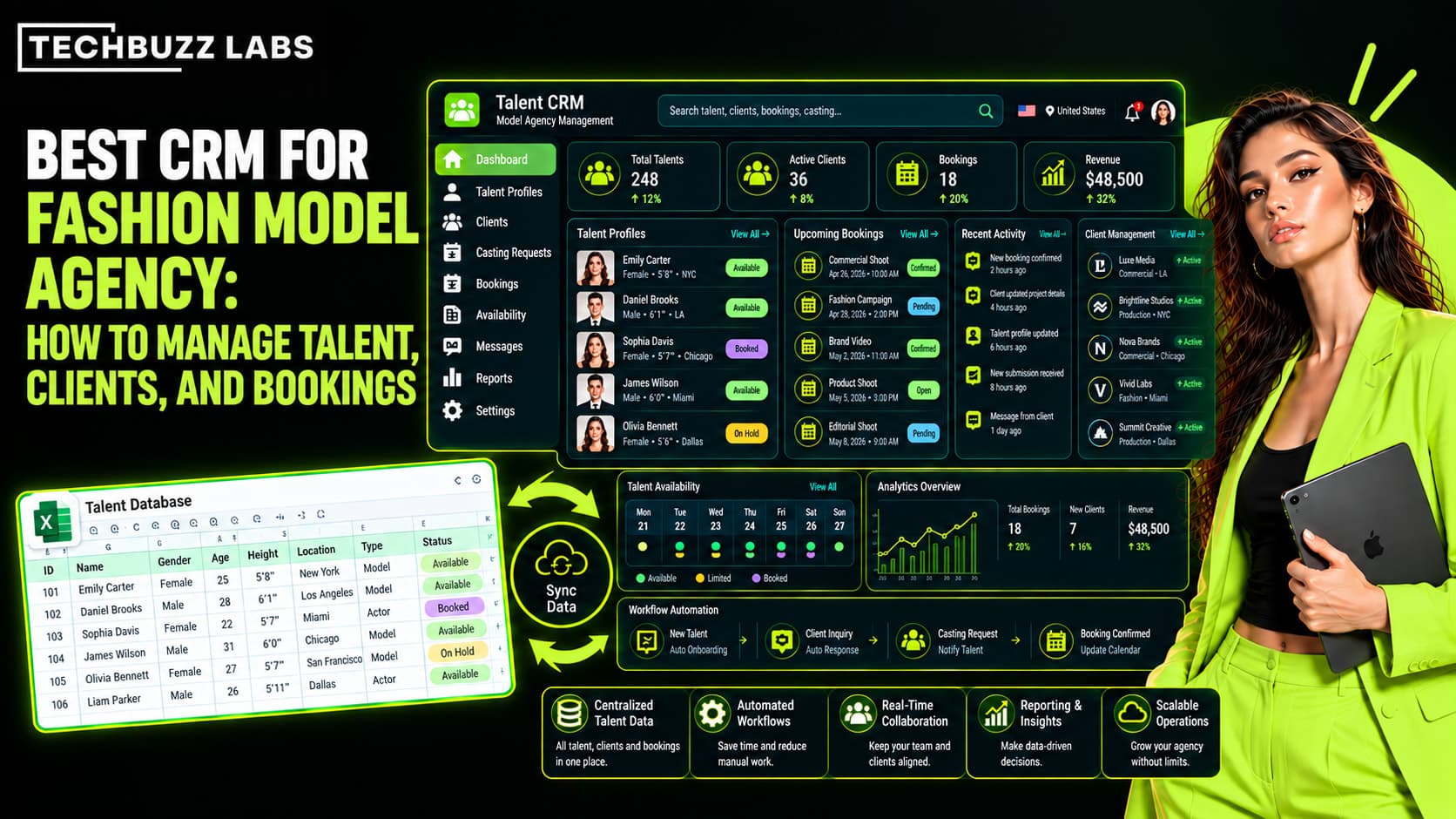
The best CRM for fashion model agency operations can bring these activities into one organized system. Instead of treating talent management, client relationships, and bookings as separate processes, a specialized CRM can connect them within a single workflow.
For fashion modeling agencies, this can create a more structured way to manage the complete journey from talent representation to client booking.
Why Fashion Modeling Agencies Need a Specialized CRM
A general CRM is often designed around sales contacts, leads, and business opportunities. Fashion modeling agencies have a different operational structure.
At the same time, each model can have different characteristics, availability, experience, portfolio information, and booking history.
This creates a large amount of interconnected information.
A specialized modeling CRM can organize these relationships so agents can move more efficiently between talent profiles, client requirements, casting projects, and bookings.
Managing Detailed Model Profiles
The talent database is one of the most important parts of a fashion modeling agency.
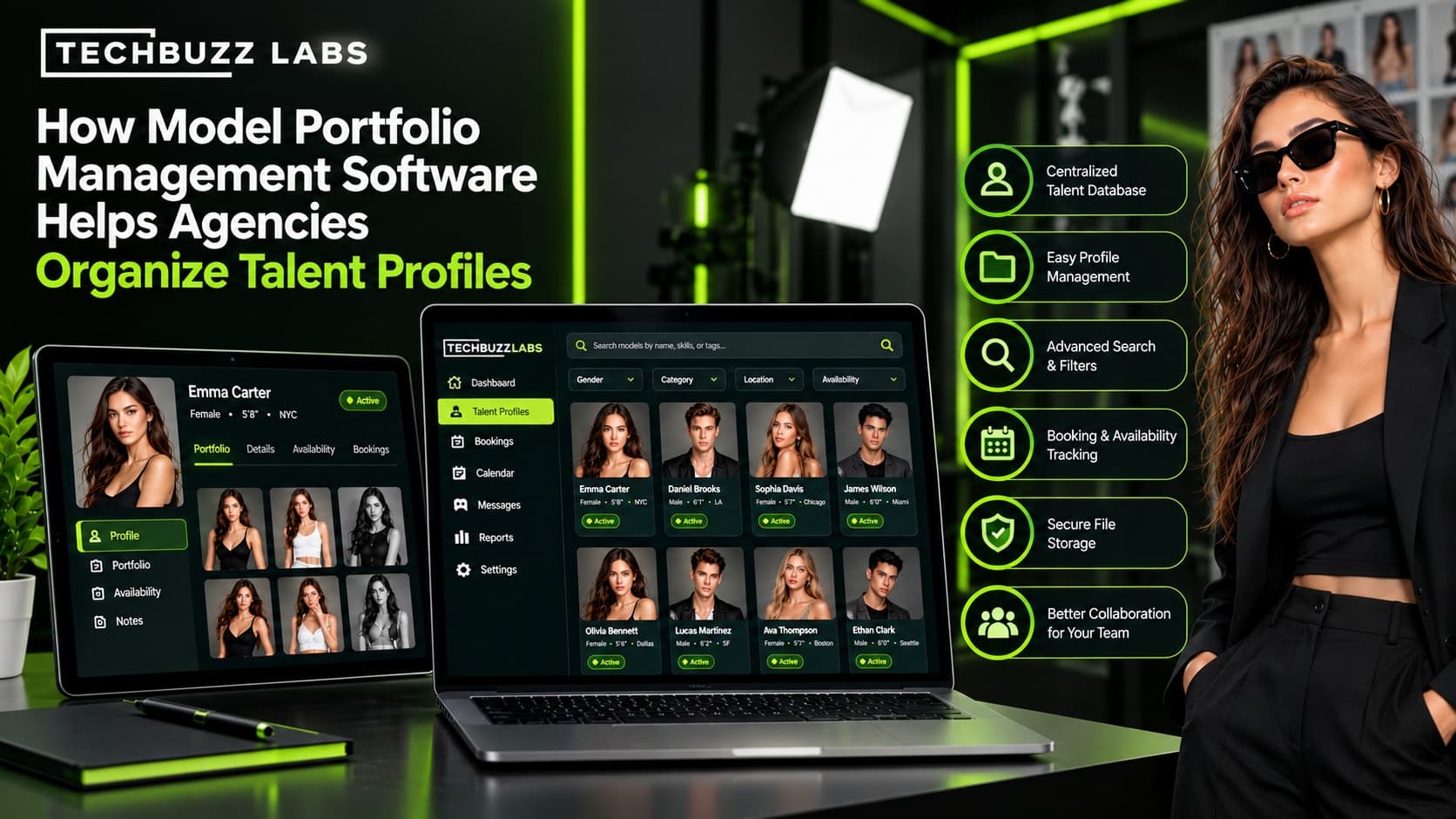
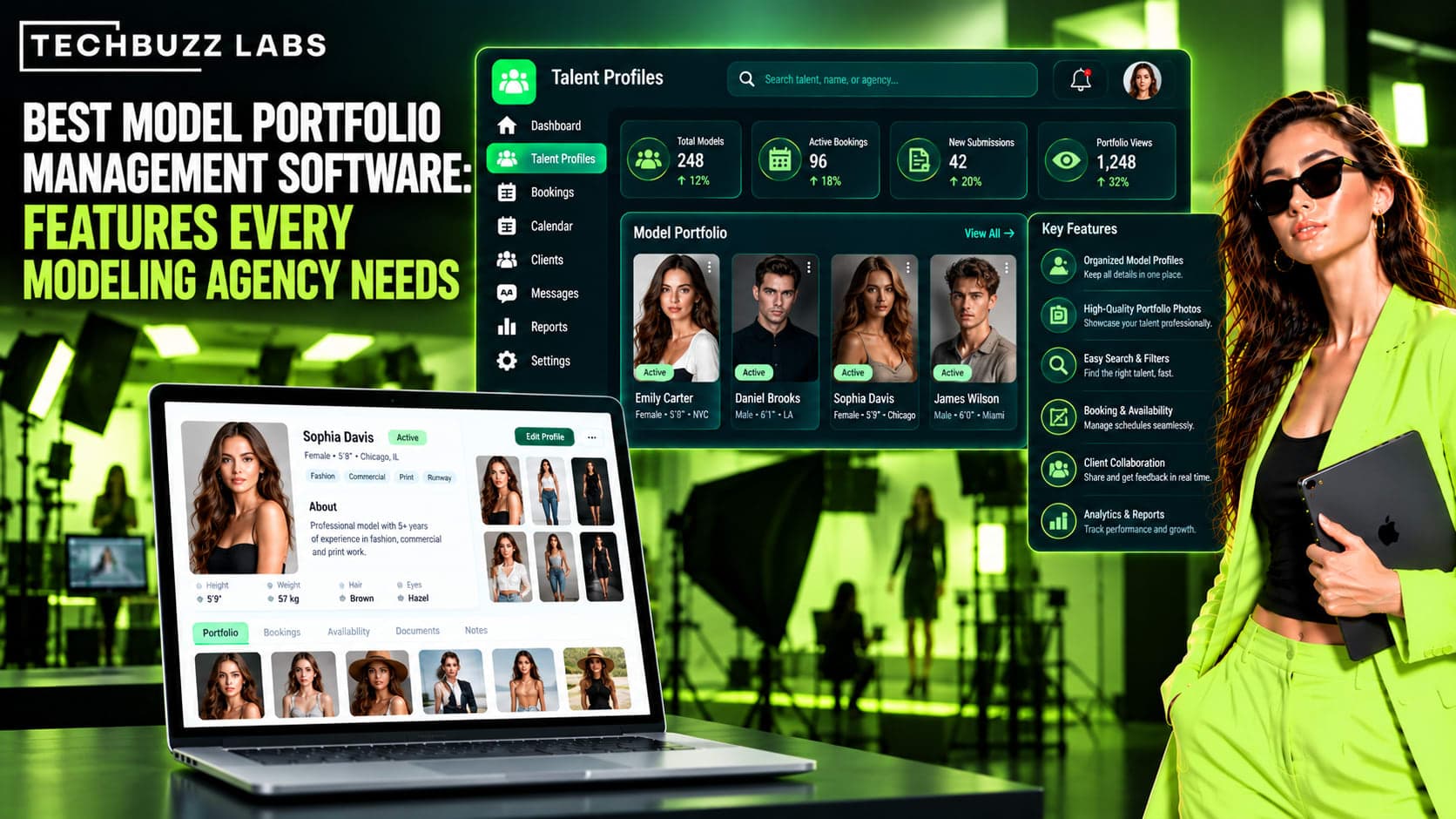
A CRM should allow agencies to create detailed model profiles containing relevant information such as:
Professional photographs and portfolio information
Measurements and physical attributes
Modeling experience
Skills and specialties
Location
Contact information
Availability
Previous bookings
Casting and submission history
Keeping this information centralized makes it easier for agents to maintain accurate profiles.
When a client sends a specific request, agents can search the database instead of manually reviewing separate spreadsheets or folders.
Finding the Right Models Faster
Fashion clients often have specific requirements for a project.
They may need models based on location, experience, appearance, skills, availability, or other campaign requirements.
A CRM with advanced search and filtering can help agents narrow down the talent database according to these requirements.
For example, an agent handling a campaign in Los Angeles may need to identify models who are available on specific dates and meet the client's requirements.
Instead of reviewing the entire roster, structured search tools can help the agent create a more relevant shortlist.
The goal is not simply to store more talent information but to make that information easier to use.
Organizing Client Relationships
Fashion modeling agencies also need strong client management.
A CRM can maintain records for fashion brands, photographers, advertising agencies, production companies, and other clients. Each client record can be connected with inquiries, casting projects, submissions, communication, and previous bookings.
This gives agents a broader view of the relationship.
When an existing client returns with a new campaign, the team can review previous projects and booking history before responding.
Over time, this creates a structured client database rather than leaving important relationship information scattered across individual inboxes.
Connecting Client Requests With Talent
One of the biggest advantages of a specialized modeling CRM is the connection between client requirements and talent profiles.
Suppose a fashion brand sends a brief requiring several models for an upcoming campaign.
The agent can create the project in the CRM, record the requirements, search the talent database, and build a shortlist of suitable models.
The selected talent can then be connected to the project for availability checks and submission.
This creates a workflow such as:
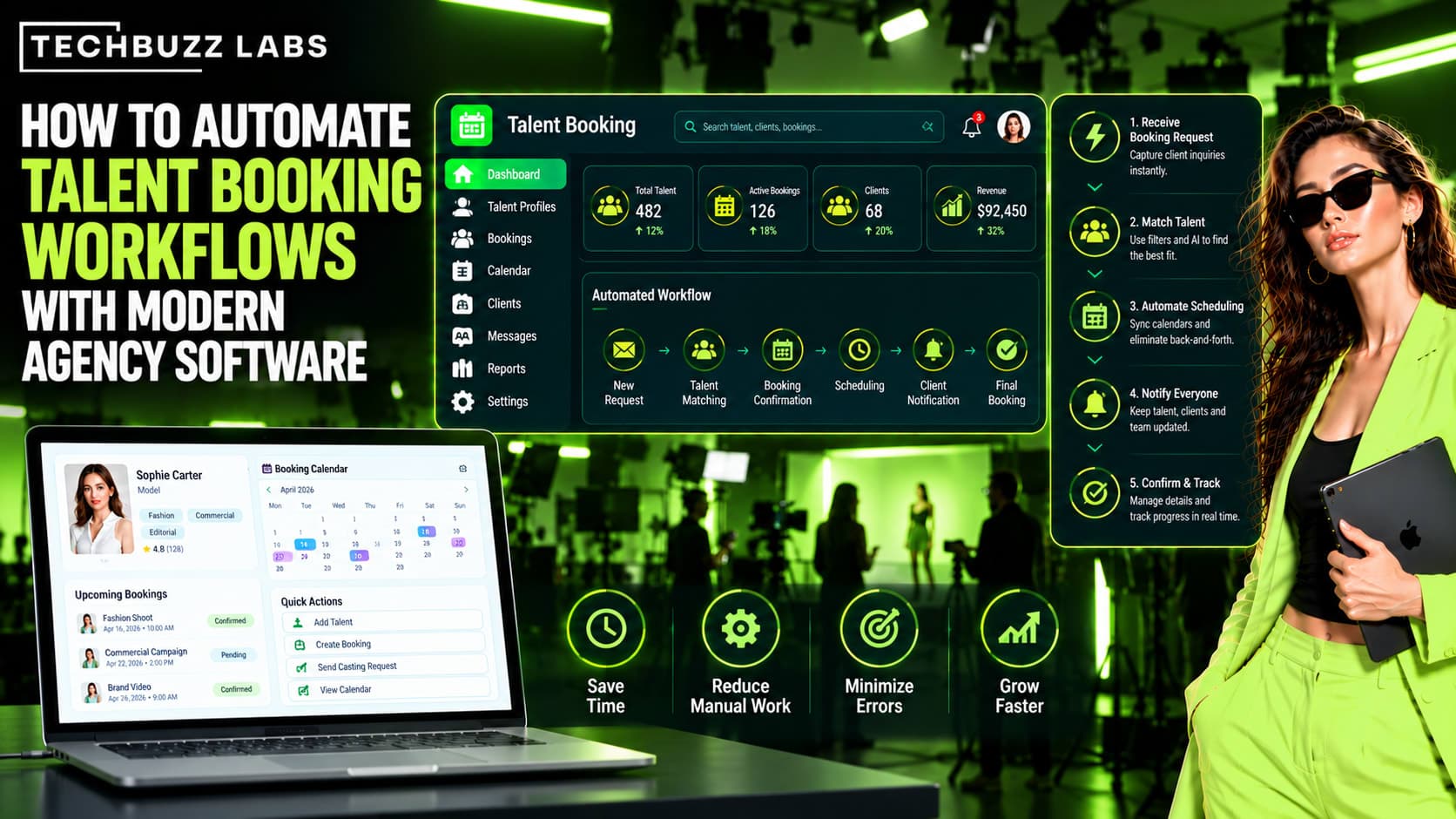
Client Request → Project Brief → Talent Search → Shortlist → Availability → Submission → Client Feedback → Booking
Having these stages connected can make it easier for agents to understand the status of every project.
Managing Model Availability
Availability can be critical in fashion modeling.
A model may fit a client's requirements but already be committed to another project. If availability information is outdated, agents may waste time presenting talent who cannot accept the job.
A CRM can make availability part of the talent-management process.
Agents can record availability information and connect it with casting and booking activity. When new opportunities arrive, availability can be considered alongside other talent requirements.
This can help create a more practical selection process and reduce unnecessary communication.
Tracking Submissions and Client Feedback
After selecting models for a project, the agency may need to submit their profiles to the client.
Without structured tracking, it can become difficult to remember which models were submitted, when they were submitted, and what response the client provided.
A modeling CRM can track submission activity and project status.
For example, a model may be marked as submitted, under client review, shortlisted, rejected, approved, or booked.
This gives agents a clearer record of the casting process and makes follow-ups easier to manage.
Managing Bookings in One Place
Once a client selects a model, the workflow moves from casting to booking.
A CRM can connect the final booking with the original project, client, and model profile.
Agents can maintain booking details such as dates, project information, client details, talent information, and relevant notes within the same system.
This creates continuity between the beginning of the client request and the completed booking.
It can also make historical information easier to access when a client or model works with the agency again.
Reducing Administrative Work
Fashion modeling agencies can spend a significant amount of time performing repetitive administrative tasks.
Updating records, sending reminders, checking availability, following up with clients, changing project statuses, and communicating internal updates can all consume valuable time.
CRM automation can help with selected repetitive activities.
For example, agencies can use automated reminders for follow-ups, notifications for important project updates, or internal alerts when a casting requires attention.
Automation should support agents rather than replace professional judgment. The purpose is to reduce unnecessary administrative work and allow teams to spend more time managing talent and client relationships.
Improving Team Collaboration
As a modeling agency expands, several agents and staff members may work with the same models and clients.
A centralized CRM can provide a shared source of operational information.
Instead of one agent keeping important details in a personal spreadsheet, authorized team members can access relevant talent profiles, client records, casting projects, submissions, and bookings through the same system.
This can make handoffs between team members more organized and reduce duplicated work.
Using Booking History to Understand Client Relationships
Booking history can provide useful context for future client interactions.
An agency may want to know which models a client has previously booked, what types of projects they have worked on, and how frequently they have worked with the agency.
A CRM can connect this information to the client's record.
When another request arrives, agents can use the historical information as context when building recommendations.
This can make client management more informed without requiring agents to search through old emails and files.
Choosing the Best CRM for a Fashion Model Agency
When evaluating CRM software, agencies should look beyond basic contact management.
Important areas include detailed model profiles, advanced talent search, client management, casting workflows, availability tracking, submission management, booking records, communication history, automation, reporting, user permissions, security, integrations, and customization.
The platform should also be easy for agents to use. A system with many features can still create problems if the team struggles to update or access information.
The best solution is one that fits the agency's actual workflow and can support that workflow as the business develops.
When Custom CRM Software Makes Sense
Some fashion modeling agencies may find that standard CRM platforms do not fully match their processes.
For example, an agency may need specialized talent fields, custom casting workflows, unique booking processes, advanced search requirements, or integrations with existing systems.
In these situations, custom CRM development can provide greater flexibility.
TechBuzzLabs works on custom technology solutions for modeling and talent agencies, including CRM, casting management, talent databases, workflow automation, and agency-specific software.
A custom system can be designed around how an agency actually manages its talent, clients, casting opportunities, and bookings instead of requiring the agency to completely change its existing workflow.
Final Thoughts
The best CRM for fashion model agency operations should connect the areas agents manage every day.
From detailed model profiles and talent search to client relationships, casting requests, availability, submissions, and bookings, a centralized CRM can create a more organized agency workflow.
For growing fashion modeling agencies, the goal should not simply be to adopt another software platform. The goal is to create a reliable system where important information is easy to find, workflows are easier to track, and teams can manage talent and clients more efficiently.
Whether an agency chooses an established platform or custom CRM software, the right solution should support its current workflow while providing enough flexibility for future operational needs.