Best Property Management CRM for Managing Multiple Rental Properties
Whether you manage several residential homes, apartment buildings, or a large rental portfolio, choosing the right CRM can improve productivity and support business growth.
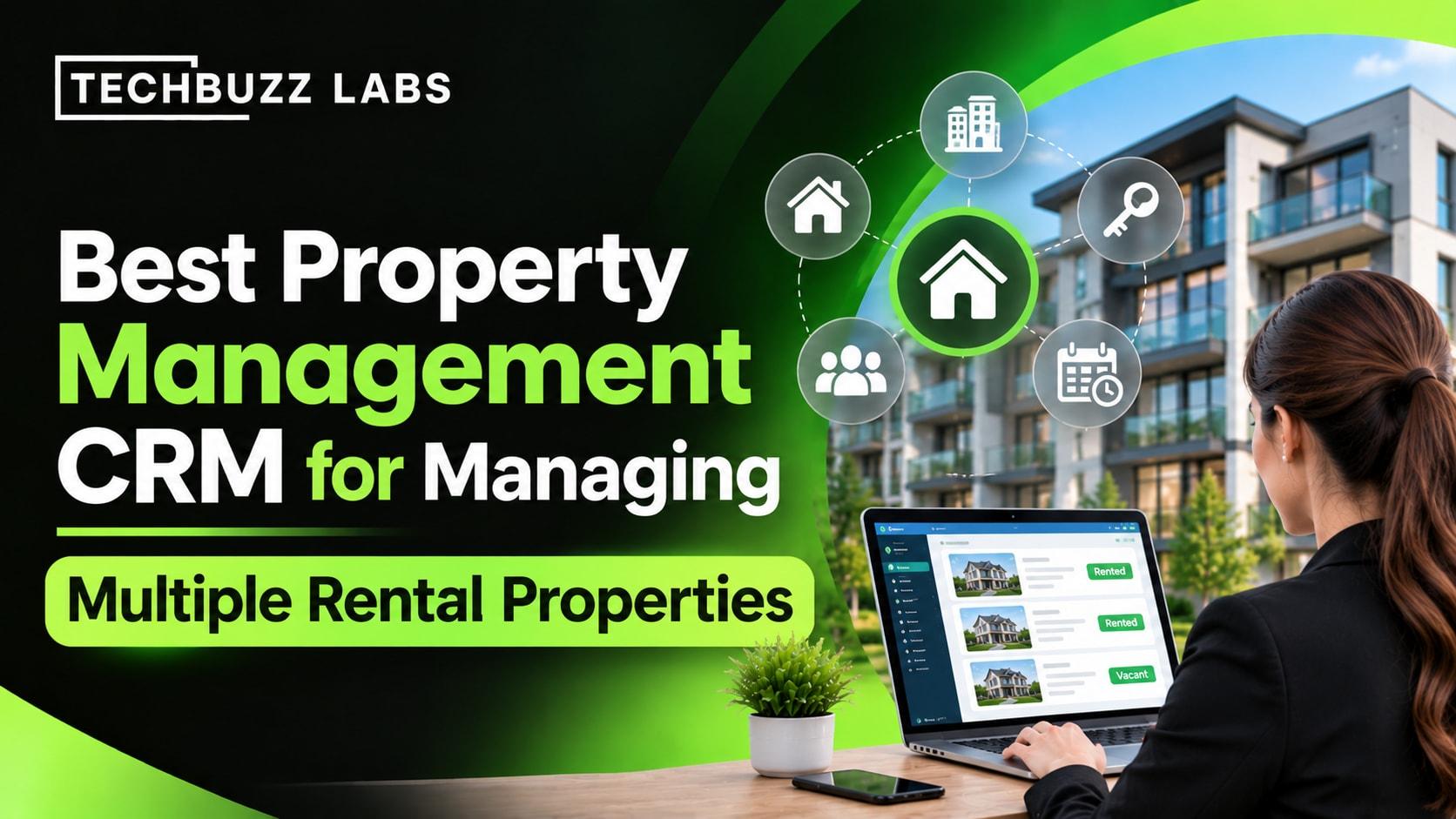
Managing multiple rental properties can become complicated as a real estate business grows. Property managers must coordinate tenant information, rental payments, lease agreements, maintenance requests, property inspections, and owner communication across different locations. When these responsibilities are handled through separate spreadsheets and applications, keeping everything organized becomes difficult.
For property management companies in the United States, property management CRM software provides a centralized way to manage daily operations. It helps businesses organize property records, automate tenant communication, monitor rental payments, and coordinate maintenance activities.
What Is Property Management CRM Software?
Property management CRM software is a digital platform designed to help real estate businesses manage relationships with tenants, landlords, property owners, vendors, and prospective renters.
Unlike basic customer relationship management tools, property management CRM solutions include features specifically designed for rental operations.
These platforms can help businesses manage:
Multiple properties and rental units
Tenant and landlord information
Lease agreements and renewals
Rental payments and financial records
Maintenance requests and work orders
Tenant communication and follow-ups
Property performance reports
A centralized system allows property managers to access important information without switching between multiple applications.
Why Do Property Managers Need CRM Software for Multiple Rental Properties?
Managing one rental property is relatively straightforward. However, overseeing dozens or hundreds of units requires better organization and coordination.
Property managers may need to communicate with tenants in different buildings, track multiple lease expiration dates, monitor outstanding payments, and coordinate maintenance teams.
A property management CRM simplifies these responsibilities by creating standardized workflows.
For US property management businesses, this is particularly useful when managing rental portfolios across different cities, states, and property types.
1. Centralized Management of Multiple Properties
One of the biggest advantages of property management CRM software is centralized property management.
Instead of maintaining separate spreadsheets for every building, managers can organize all property information in one platform.
Important information can include property addresses, unit numbers, occupancy status, rental prices, tenant details, lease agreements, and maintenance histories.
Managers can also filter properties by location, availability, property type, and management status.
This makes it easier to oversee large portfolios and access important records quickly.
2. Automated Rent Collection and Payment Tracking
Tracking monthly rental payments across multiple properties can become time-consuming.
A property management CRM can integrate with online payment systems to simplify rent collection and financial monitoring.
Useful features include:
Automated rent payment reminders
Online payment processing
Late payment notifications
Outstanding balance tracking
Digital payment histories
Property-level financial reports
These capabilities help managers monitor rental income and identify overdue payments without manually reviewing individual records.
3. Efficient Tenant and Lease Management
When managing multiple rental properties, keeping tenant information and lease agreements organized is essential.
CRM software provides a centralized tenant database where managers can access contact information, rental histories, lease documents, and communication records.
Automated lease expiration alerts also help property managers prepare for upcoming renewals.
This improves organization and helps businesses maintain consistent tenant management processes across their entire portfolio.
4. Maintenance Request and Vendor Management
Maintenance coordination becomes more complicated when tenants live across multiple properties.
A centralized CRM allows residents to submit maintenance requests while managers can assign work orders to employees or external contractors.
The platform can track repair progress, scheduling information, vendor details, and maintenance expenses.
For example, if tenants in three different apartment buildings report maintenance issues, managers can organize all requests through one dashboard.
This helps teams prioritize repairs and maintain better visibility into property conditions.
5. Improved Tenant Communication and Follow-Ups
Property managers regularly send rent reminders, lease renewal notifications, inspection updates, and maintenance announcements.
Managing these communications manually can result in delayed responses or missed follow-ups.
Property management CRM software can automate email notifications, SMS reminders, and important tenant updates.
Communication histories also allow employees to review previous conversations and understand the status of unresolved requests.
This helps businesses maintain consistent communication even when managing hundreds of tenants.
Best Property Management CRM Software for Multiple Rental Properties
Several platforms offer features designed to support different property management requirements.
Here are some options worth evaluating:
1. AppFolio Property Manager
AppFolio is designed for professional property management businesses handling residential and multifamily portfolios.
Its capabilities include leasing workflows, resident communication, maintenance management, accounting, and reporting. Its advanced Leasing CRM capabilities are available through higher-tier plans.
It is worth considering for established property management companies that need comprehensive portfolio management.
2. Buildium
Buildium provides property management features for residential rental businesses and growing management companies.
Its capabilities include tenant management, online rent collection, lease administration, maintenance coordination, accounting, and owner communication.
It can be a suitable option for companies seeking an integrated platform for managing residential rental properties.
3. Yardi Breeze
Yardi Breeze supports residential and commercial property management operations.
It offers tools for property accounting, leasing, tenant management, and financial reporting.
It is worth evaluating for businesses managing different property types that want integrated property management capabilities.
4. DoorLoop
DoorLoop provides property management tools for landlords and professional property managers.
Its features include rent collection, tenant communication, lease management, maintenance tracking, and accounting capabilities.
It can be useful for businesses looking for an organized platform to manage multiple rental units.
5. Rent Manager
Rent Manager offers property management and accounting capabilities for different types of real estate portfolios.
Its features include tenant and lease management, financial reporting, maintenance workflows, and integrations.
It is worth considering for property managers who need flexibility when managing diverse rental operations.
The best choice depends on portfolio size, property type, required integrations, and budget. Features and pricing should be confirmed directly with each vendor before purchasing.
How Techbuzz Labs Helps Businesses Build Custom Property Management CRM Software
Every real estate business has different operational requirements. Some companies manage a small collection of residential rental homes, while others oversee hundreds of units across multiple locations.
Standard CRM platforms may not always support specialized workflows or unique business requirements.
Techbuzz Labs helps businesses explore custom software development solutions designed around their property management operations.
A custom property management CRM can combine property databases, tenant records, lease management, rent collection, maintenance coordination, and financial reporting in one centralized platform.
Businesses can also incorporate:
Multi-property management dashboards
Automated tenant communication
Custom lease tracking workflows
Online payment integrations
Vendor and contractor management
Role-based employee permissions
Advanced property performance reporting
With a customized approach, companies can build software that supports their current operations and provides flexibility as their rental portfolios expand.
6. Financial Reporting and Portfolio Performance Tracking
Managing multiple rental properties requires a clear understanding of financial performance.
A property management CRM can provide dashboards that help business owners monitor rental income, operating expenses, maintenance costs, occupancy rates, and outstanding payments.
Property-level reporting makes it easier to compare different buildings and identify areas that require attention.
These insights help property managers make informed decisions about maintenance budgets, rental operations, and future investments.
7. Mobile and Cloud-Based Property Management
Property managers often need to access business information while visiting rental properties or coordinating with maintenance teams.
Cloud-based CRM software allows authorized employees to access property records, tenant information, maintenance requests, and important notifications remotely.
Mobile accessibility is particularly useful for companies managing properties across different US cities and states.
It helps employees stay connected and coordinate operations without constantly returning to the office.
How to Choose the Best Property Management CRM
Before selecting a platform, evaluate your company's requirements and future growth plans.
Consider these factors:
Portfolio size: Make sure the platform supports your current and expected number of rental units.
Automation: Look for automated rent reminders, lease alerts, and maintenance notifications.
Financial management: Evaluate payment tracking, accounting, and reporting capabilities.
Tenant management: Check whether the system provides centralized tenant records and communication tools.
Scalability: Choose software that can support additional properties and employees.
Integrations: Review compatibility with accounting, payment, and rental marketing applications.
Customization: Consider whether the platform supports your specific business workflows.
The right CRM should simplify property management rather than introduce unnecessary complexity.
Conclusion
Managing multiple rental properties requires organized workflows, accurate records, and effective communication. Property management CRM software helps real estate businesses centralize property information, automate rent collection, coordinate maintenance, manage leases, and monitor financial performance.
Platforms such as AppFolio, Buildium, Yardi Breeze, DoorLoop, and Rent Manager offer different capabilities for rental property managers.
For US real estate businesses planning to expand, investing in a scalable CRM solution can improve operational efficiency and support long-term growth.
Whether you choose an existing platform or explore custom software development with Techbuzz Labs, focus on a solution that matches your portfolio requirements and makes managing multiple rental properties easier.