How Property Management CRM Automates Tenant Communication and Follow-Ups
For growing real estate businesses, these capabilities can improve tenant relationships, reduce administrative workloads, and create more efficient property management operations.
Managing tenant communication is one of the most important responsibilities of property management companies. Real estate businesses in the United States regularly communicate with tenants about rent payments, lease renewals, maintenance requests, property inspections, and general inquiries. When a company manages multiple rental properties, keeping track of every conversation and follow-up can become difficult.
Relying on phone calls, spreadsheets, and individual email accounts often leads to delayed responses, missed reminders, and disorganized communication records.
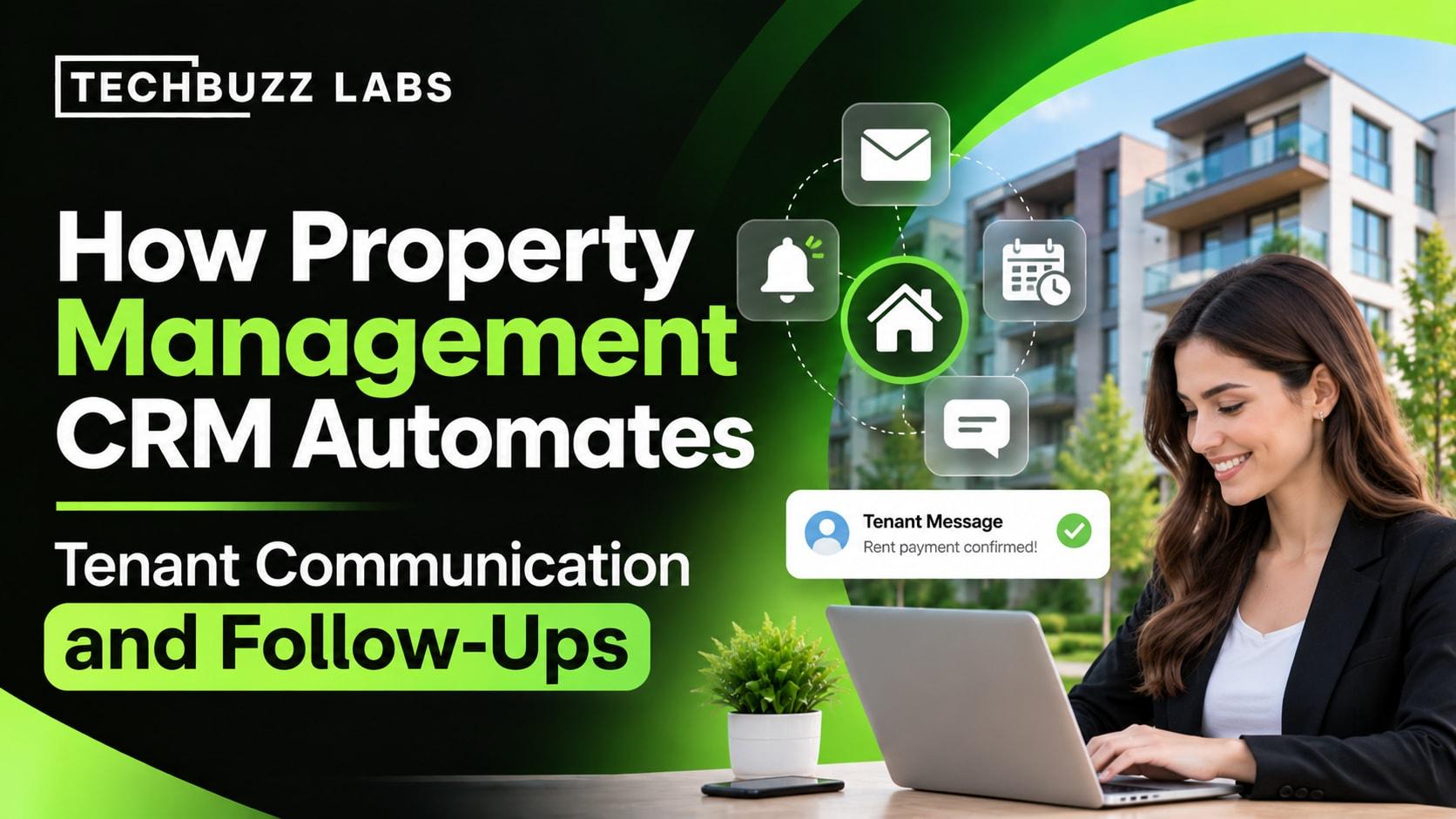
Property management CRM software helps solve these challenges by bringing tenant communication into one centralized platform. It automates repetitive messages, organizes conversations, and reminds property managers about important follow-up activities.
What Is Tenant Communication Automation in Property Management CRM?
Tenant communication automation refers to using software to send scheduled messages, notifications, reminders, and updates without requiring property managers to handle every interaction manually.
A property management CRM stores tenant contact information, communication history, lease details, payment records, and maintenance requests.
Based on predefined rules, the system can automatically send relevant messages when specific events occur.
For example, when a rent payment deadline approaches, the CRM can send an automatic reminder. When a tenant submits a maintenance request, the system can confirm receipt and provide status updates.
This allows property management teams to maintain consistent communication even when managing hundreds of tenants.
1. Automates Monthly Rent Payment Reminders
Rent collection is one of the most frequent reasons property managers communicate with tenants.
Manually sending payment reminders to every resident can consume significant time, particularly for businesses managing large rental portfolios.
Property management CRM software can automate rent notifications based on payment schedules.
Common automated messages include:
Upcoming rent payment reminders
Payment due date notifications
Confirmation of received payments
Overdue payment alerts
Outstanding balance notifications
For example, a property manager can configure the CRM to send a reminder several days before the monthly rent deadline.
Automated notifications help tenants stay informed and allow management teams to monitor payment-related communication more efficiently.
2. Streamlines Lease Renewal Follow-Ups
Lease renewals require timely communication between property managers and tenants.
If managers forget to contact residents before their agreements expire, they may lose valuable opportunities to retain existing tenants or prepare units for new occupants.
A property management CRM can track lease expiration dates and automatically trigger renewal reminders.
The system can notify property managers when a lease is approaching expiration and send tenants messages asking whether they are interested in renewing.
Businesses can also configure follow-up schedules to track responses and organize renewal discussions.
For US property management companies, these automated workflows can help teams plan lease renewals while ensuring that notices and procedures comply with applicable state and local requirements.
3. Sends Automated Maintenance Request Updates
Maintenance issues often require several conversations between tenants, property managers, and service providers.
Without an organized communication system, tenants may repeatedly contact management to ask about repair progress.
A CRM can automate maintenance-related updates throughout the service process.
For example:
A tenant submits a maintenance request.
The CRM sends an automatic confirmation.
The property manager assigns a maintenance technician.
The tenant receives a scheduling notification.
The system sends an update when the request is completed.
These notifications help tenants understand what is happening with their requests and reduce unnecessary follow-up calls.
4. Centralizes Tenant Conversations
Property managers often communicate through emails, phone calls, text messages, and other channels.
When these conversations are stored separately, employees may struggle to find previous discussions or understand the status of an issue.
Property management CRM software provides a centralized communication history.
Employees can review previous messages, tenant inquiries, maintenance discussions, and payment-related conversations from a single dashboard.
This makes it easier for different team members to continue conversations without asking tenants to repeat information.
Centralized communication also improves accountability because managers can review how inquiries and service requests have been handled.
5. Automates Tenant Onboarding Communication
Tenant onboarding involves several important steps, including application approval, lease signing, payment instructions, and move-in coordination.
A CRM can automate communication throughout this process.
Once an application is approved, the platform can trigger a series of notifications containing relevant information.
These may include:
Lease signing instructions
Security deposit information
Initial rent payment details
Move-in dates and instructions
Property access information
Important management contact details
Automated onboarding workflows help property managers provide consistent information and create a more organized experience for new residents.
6. Improves Follow-Ups for Tenant Inquiries
Not every tenant inquiry can be resolved immediately. Some questions require approval from property owners, coordination with vendors, or additional investigation.
Without a reliable follow-up system, these conversations can easily be forgotten.
A CRM can create follow-up reminders based on inquiry status and response deadlines.
For example, if a tenant reports a problem that requires owner approval, the system can remind the property manager to check its progress and update the resident.
Managers can also assign inquiries to specific employees and monitor unresolved conversations through dashboards.
This reduces the chances of missed follow-ups and helps teams manage tenant requests more systematically.
7. Sends Property Announcements and Important Notifications
Property management companies frequently need to communicate updates to multiple tenants.
These announcements may involve scheduled maintenance, building inspections, parking changes, community guidelines, or temporary service interruptions.
A CRM with bulk communication capabilities can send announcements to selected tenant groups.
For example, a manager responsible for an apartment building can notify residents about an upcoming water maintenance schedule.
Instead of sending individual emails, the system can distribute a consistent message to the relevant tenants.
Property managers should ensure that automated announcements comply with applicable communication and privacy requirements.
8. Provides Tenant Self-Service Communication Portals
Modern property management CRM platforms can include self-service portals that allow tenants to manage common activities independently.
Through an online portal, residents may be able to:
Submit maintenance requests
View rental payment information
Access lease agreements
Update contact details
Receive important notifications
Review previous service requests
These portals reduce the need for tenants to contact management for routine information.
They also help property management companies handle higher communication volumes without proportionally increasing administrative workloads.
How Techbuzz Labs Helps Businesses Build Custom Tenant Communication Solutions
Every property management company has different communication requirements. A small rental business may need automated rent reminders and basic tenant notifications, while a larger real estate organization may require advanced communication workflows, multiple user roles, and integrations with payment and maintenance systems.
Techbuzz Labs helps businesses explore custom software development solutions designed around their operational needs.
A custom property management CRM can combine tenant databases, automated email and SMS notifications, lease renewal reminders, maintenance updates, and follow-up tracking in one centralized platform.
Businesses can also incorporate custom dashboards, tenant portals, communication templates, and third-party integrations.
With a tailored development approach, real estate companies can build communication workflows that match their existing management processes and support future business growth.
Benefits of Automated Tenant Communication for US Property Managers
Automating tenant communication can provide several practical benefits for property management companies across the United States.
Reduced administrative workload: Employees spend less time sending repetitive messages and reminders.
Faster communication: Automated notifications help tenants receive important updates without unnecessary delays.
Better tenant relationships: Consistent communication helps residents stay informed about payments, maintenance, and property activities.
Fewer missed follow-ups: Automated reminders help managers track unresolved inquiries and pending requests.
Improved team coordination: Centralized communication records allow employees to access previous conversations and understand ongoing issues.
Greater scalability: Property managers can handle increasing tenant communication volumes through organized workflows.
How to Choose the Right Property Management CRM for Communication Automation
Before selecting a CRM, property managers should evaluate the communication features that support their daily operations.
Consider the following factors:
Automated notifications: Check whether the platform supports scheduled and event-based messages.
Email and SMS integration: Choose a system that supports the communication channels your tenants prefer.
Follow-up tracking: Look for reminders, task assignments, and inquiry status management.
Tenant portals: Consider self-service features that reduce repetitive questions.
Communication history: Ensure conversations are stored in an organized and accessible format.
Customization: Select software that can support your company's specific communication workflows.
Security: Review data protection, access controls, and communication privacy features.
The right solution should make tenant communication easier without creating additional complexity for employees.
Conclusion
Property management CRM software makes tenant communication and follow-ups more efficient by automating rent reminders, lease renewal notifications, maintenance updates, onboarding messages, and routine announcements.
It also centralizes communication histories, organizes pending inquiries, and provides tenant self-service portals.
For real estate businesses in the USA, these capabilities can reduce administrative workloads, improve tenant experiences, and support the management of larger property portfolios.
Whether you choose an existing CRM platform or develop a customized solution with Techbuzz Labs, investing in communication automation can help your property management business deliver more consistent service and build stronger tenant relationships.