Best Talent Booking Software for Modeling Agencies: A Complete Guide
For modeling agencies across the United States, choosing the right software can support better organization, faster communication, and long-term business growth. This guide explains the essential features, benefits, and selection criteria agencies should consider.
Managing a modeling agency involves more than discovering new talent. Agencies must organize model portfolios, respond to client requests, coordinate casting opportunities, check availability, confirm bookings, and maintain accurate records. As the agency grows, handling these responsibilities through spreadsheets, emails, and separate applications can become increasingly difficult.
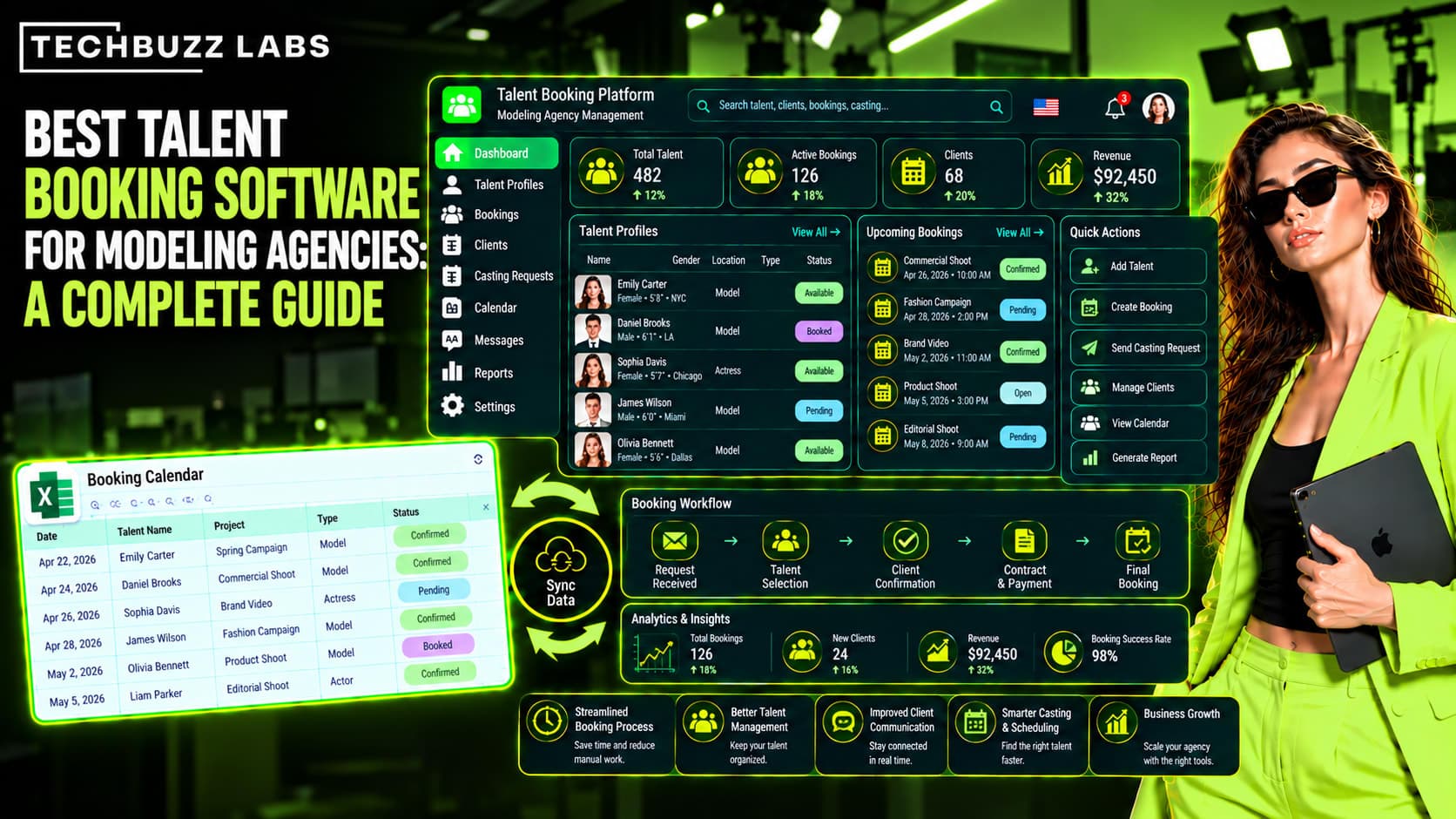
Talent booking software for modeling agencies helps bring these activities into one organized workflow. By connecting talent profiles, client requirements, schedules, and booking information, agencies can reduce repetitive administrative tasks and manage projects more efficiently.
What Is Talent Booking Software for Modeling Agencies?
Talent booking software is a digital platform that helps agencies manage talent, client requests, schedules, and confirmed bookings. For modeling agencies, it can connect model portfolios with casting opportunities and the operational tasks required to complete a booking.
Depending on the platform, features may include:
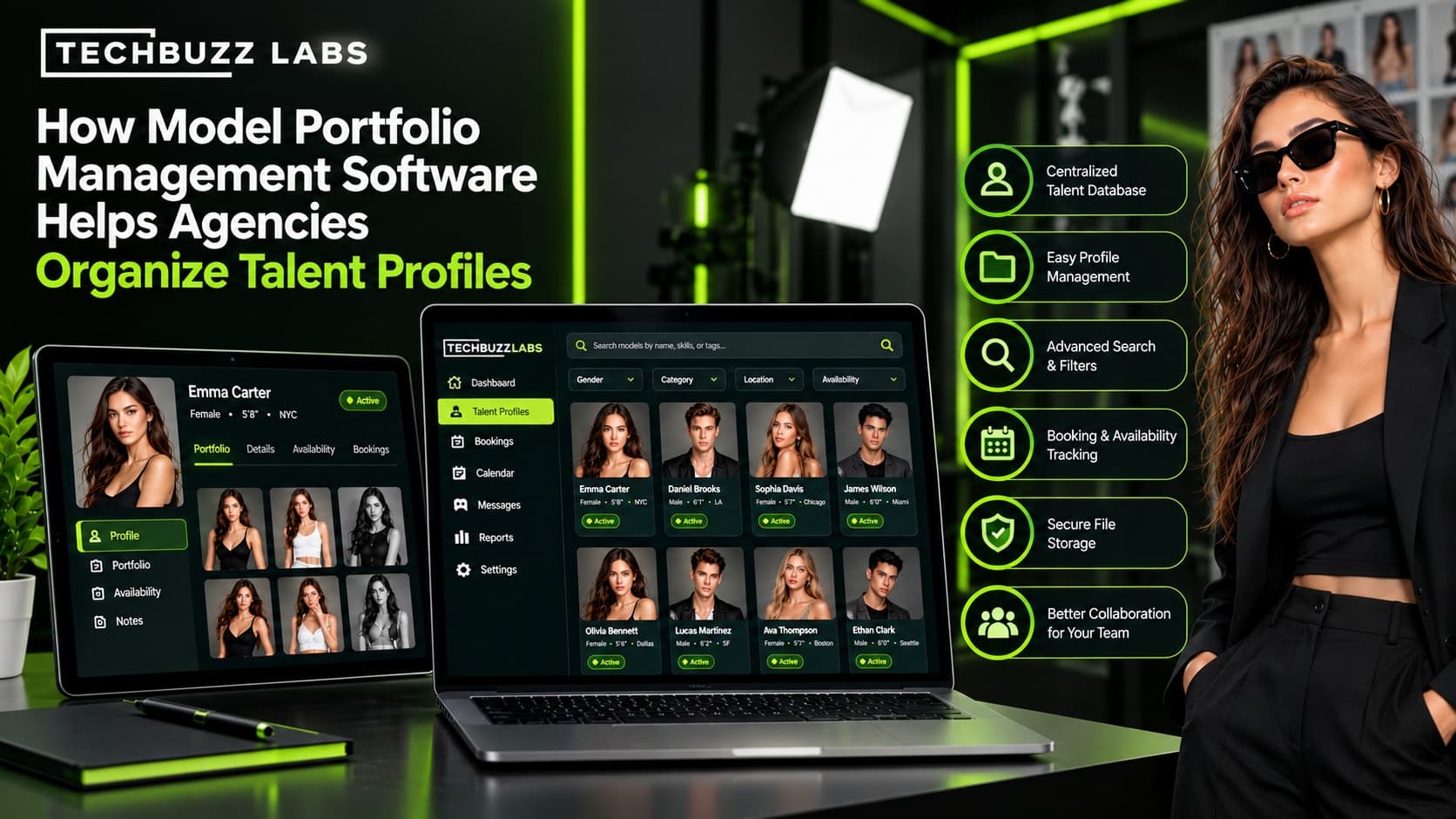
Centralized model profiles and portfolios
Talent search and filtering
Client and contact management
Casting and submission tracking
Availability and calendar management
Booking confirmations and status updates
Contracts, invoices, and payment records
Reporting and workflow automation
Some platforms focus primarily on scheduling, while others offer broader talent management and customer relationship management (CRM) capabilities. Agencies should choose a solution based on their complete workflow rather than a single feature.
Why Modeling Agencies Need Booking Software
As a modeling agency represents more talent and works with more clients, coordination becomes increasingly complex. An agent may need to identify suitable models, check their availability, prepare submissions, communicate rates, and confirm project details within a short timeframe.
When information is scattered across different tools, important details can be missed. Teams may accidentally work with outdated availability records, duplicate information, or spend unnecessary time searching for client conversations.
Talent booking software creates a centralized place to manage these activities. It can help agents understand which opportunities are pending, which models have been submitted, and which bookings require attention.
For agencies serving fashion brands, advertising companies, photographers, retailers, and production teams, a connected workflow can make everyday operations easier to manage.
7 Essential Features to Look For
1. Centralized Model Profiles
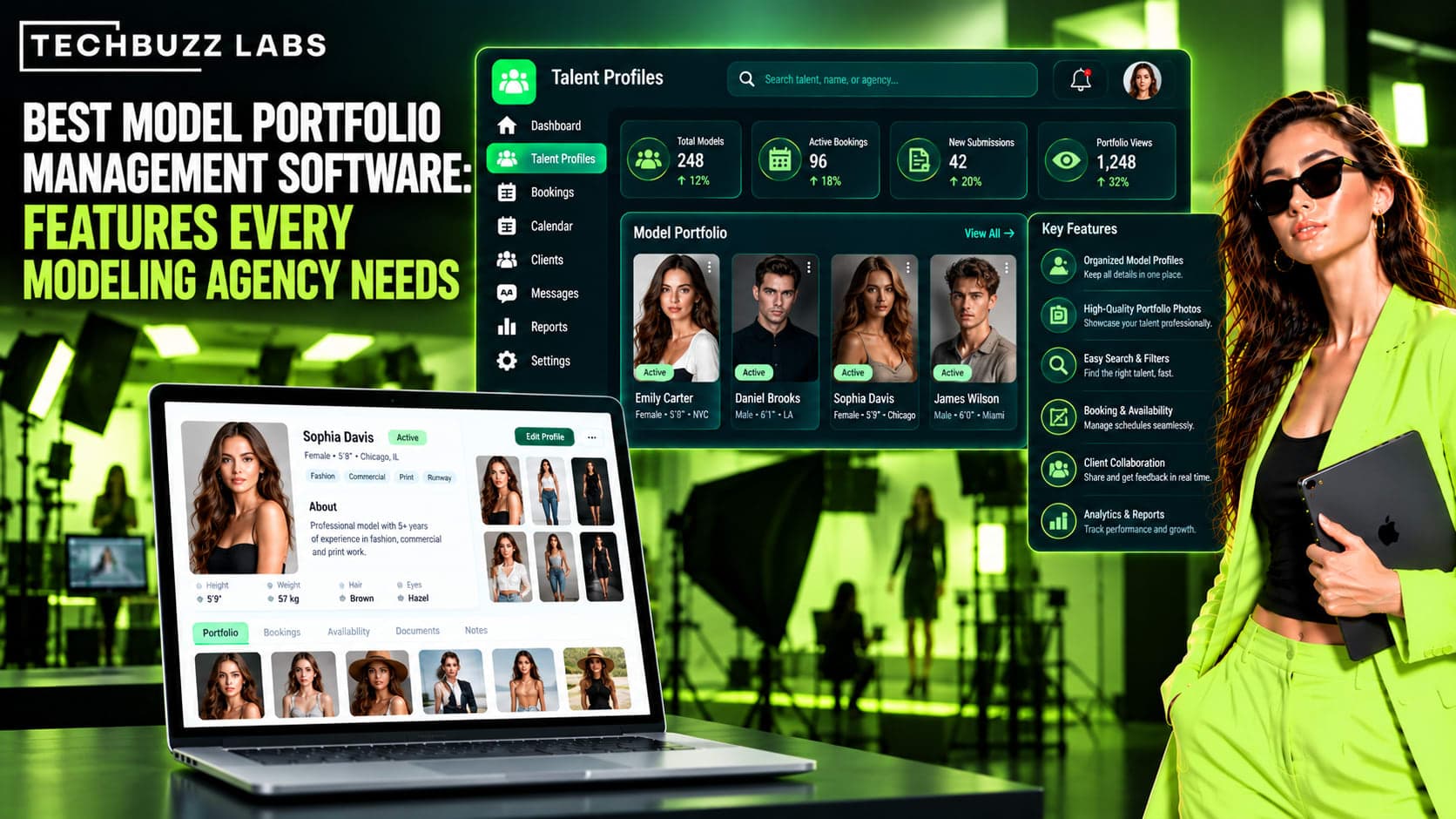
A reliable platform should provide detailed profiles for every model. These profiles may include photographs, measurements, experience, skills, location, portfolio links, contact information, and previous bookings.
Centralized profiles make it easier for agents to identify appropriate talent without searching through multiple folders. Agencies should also be able to update information easily and control who can access sensitive records.
2. Advanced Talent Search and Filtering
Clients often have specific requirements for a project. They may need models with particular experience, skills, availability, location, or portfolio characteristics.
Advanced search and filtering allow agents to narrow a large talent database and create relevant shortlists. This can help teams respond to casting requests more efficiently while leaving final talent selection to professional judgment.
3. Casting and Submission Management
Booking software should connect casting opportunities with the models being considered.
Look for features that allow agents to record client briefs, project deadlines, submission requirements, shortlisted models, and client feedback. Status tracking can help teams monitor each opportunity from the initial request through selection and final booking.
4. Availability and Calendar Management
Scheduling conflicts can create frustration for clients, models, and agency staff. A shared calendar and clear availability records help agents coordinate dates, locations, call times, and project schedules.
Where supported, calendar integrations and reminders can also help staff identify upcoming commitments and follow up on pending confirmations.
5. Client Relationship Management
Strong client relationships are essential for repeat business. CRM functionality can store client contact information, communication history, preferences, project details, and previous bookings.
When a returning client requests talent for a new campaign, agents can review relevant history and make more informed recommendations.
6. Booking, Contracts, and Financial Tracking
Once a client selects a model, the agency needs to manage the practical details of the booking. Depending on the software, these may include agreed rates, usage terms, booking confirmations, contracts, invoices, expenses, and payment status.
Keeping related records connected can improve visibility and reduce the need to enter the same information repeatedly. Agencies should confirm which financial and contract features are included in the platform and which require integrations.
7. Automation and Reporting
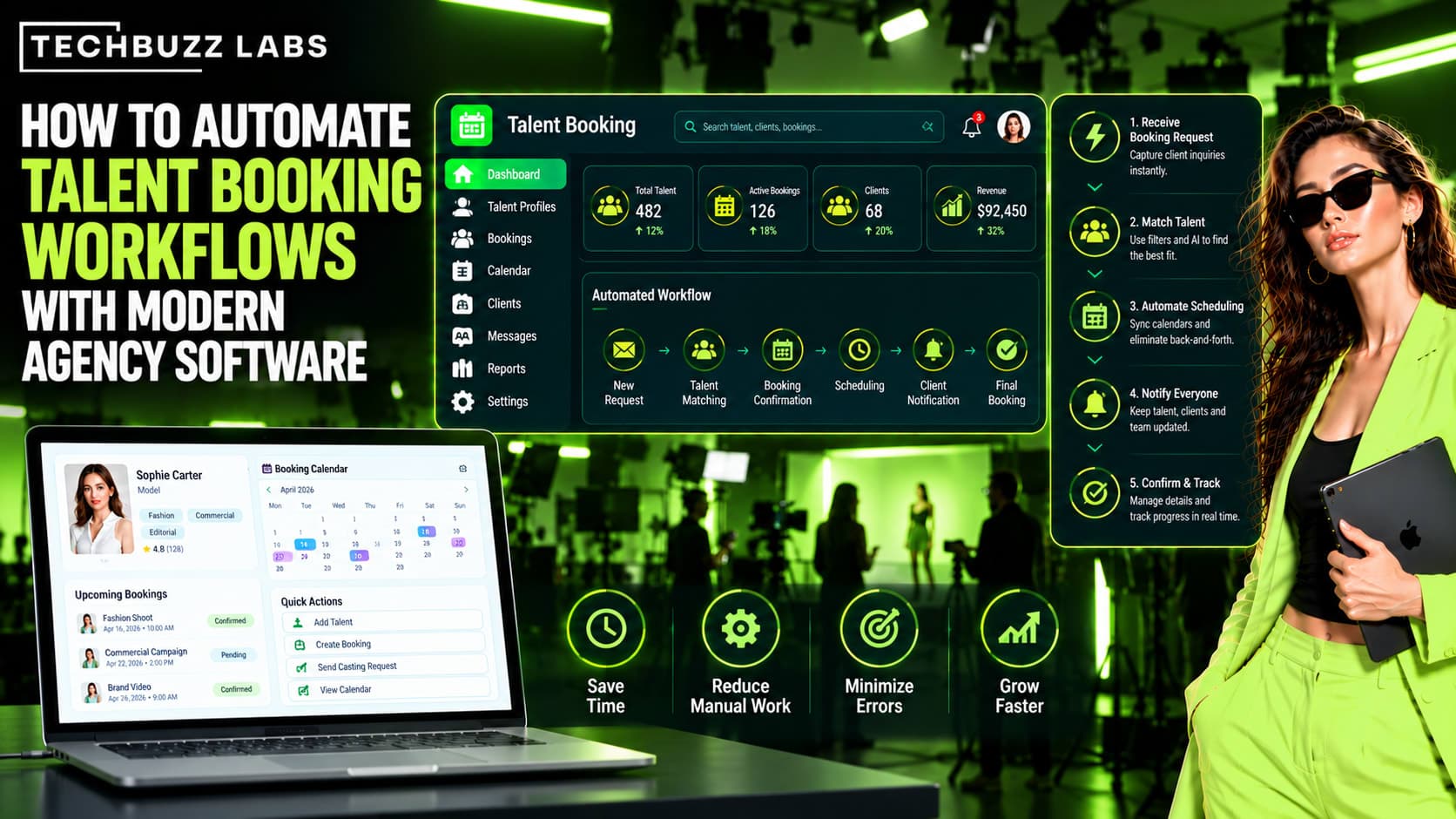
Automation can support routine activities such as sending reminders, updating booking statuses, notifying team members, and prompting agents to follow up with clients.
Reporting features can help agency managers review booking volume, talent activity, client engagement, and outstanding tasks. These insights can support operational planning and help identify areas where the workflow needs improvement.
How to Choose the Best Talent Booking Software
The best solution depends on the agency's size, budget, team structure, and operational requirements. Before selecting a platform, consider the following questions:
Ease of use: Can agents learn the system without extensive training?
Customization: Can the software reflect your agency's specific booking process?
Scalability: Will it support a growing talent database and more client projects?
Integrations: Can it work with your existing calendar, email, accounting, or communication tools?
Security: Does it provide appropriate access controls and safeguards for talent and client information?
Support and maintenance: Is reliable assistance available when issues arise?
Total cost: What are the subscription, setup, integration, training, and ongoing maintenance costs?
Request a demonstration and test the software using a realistic booking workflow before making a decision.
Standard Software vs. Custom Talent Booking Software
Off-the-shelf software can be a practical choice for agencies with straightforward needs. It may offer ready-made features, faster setup, and predictable subscription pricing.
However, agencies with specialized casting stages, complex approval processes, multiple locations, or unique reporting requirements may find standard platforms restrictive.
Custom talent booking software can be designed around an agency's specific workflow. For example, it may connect model profiles, casting requests, submissions, availability, booking confirmations, and reporting within one system.
TechBuzz Labs focuses on technology solutions for modeling and talent agencies, including CRM, talent management, and workflow-related software. Agencies exploring a custom solution can evaluate which processes would benefit most from a tailored system before deciding on the right development approach.
Final Thoughts
The best talent booking software for modeling agencies should do more than store model profiles or display a calendar. It should help connect talent discovery, client communication, casting, scheduling, and booking management in a practical, organized workflow.
By evaluating essential features, usability, integrations, security, and long-term flexibility, agencies can choose software that fits their current operations and future goals.
For agencies looking to modernize their processes, TechBuzz Labs offers a starting point for exploring technology solutions built around talent management, CRM, and agency workflow requirements.