Casting Directors in 2026 Are Going Digital First. Is Your Agency Keeping Up
The casting industry in the United States is evolving at a rapid pace. In 2026, casting directors are no longer relying on traditional workflows built around emails, spreadsheets, and manual coordination.
The casting industry in the United States is evolving at a rapid pace. In 2026, casting directors are no longer relying on traditional workflows built around emails, spreadsheets, and manual coordination. The industry has shifted toward a digital first approach, where speed, organization, and data driven decisions define success.
For agencies, this shift is not optional. It is a competitive requirement.
Casting directors today expect instant access to talent. They want curated shortlists delivered quickly, digital portfolios ready for review, and clear communication throughout the booking process. Agencies that fail to meet these expectations risk losing opportunities to more organized competitors.
The biggest change is how talent is discovered and presented.
Instead of browsing scattered portfolios or waiting for submissions, casting directors now rely on structured talent databases. These systems allow them to filter talent based on specific criteria such as experience, appearance, location, and availability.
For agencies, this means investing in a centralized talent management system.
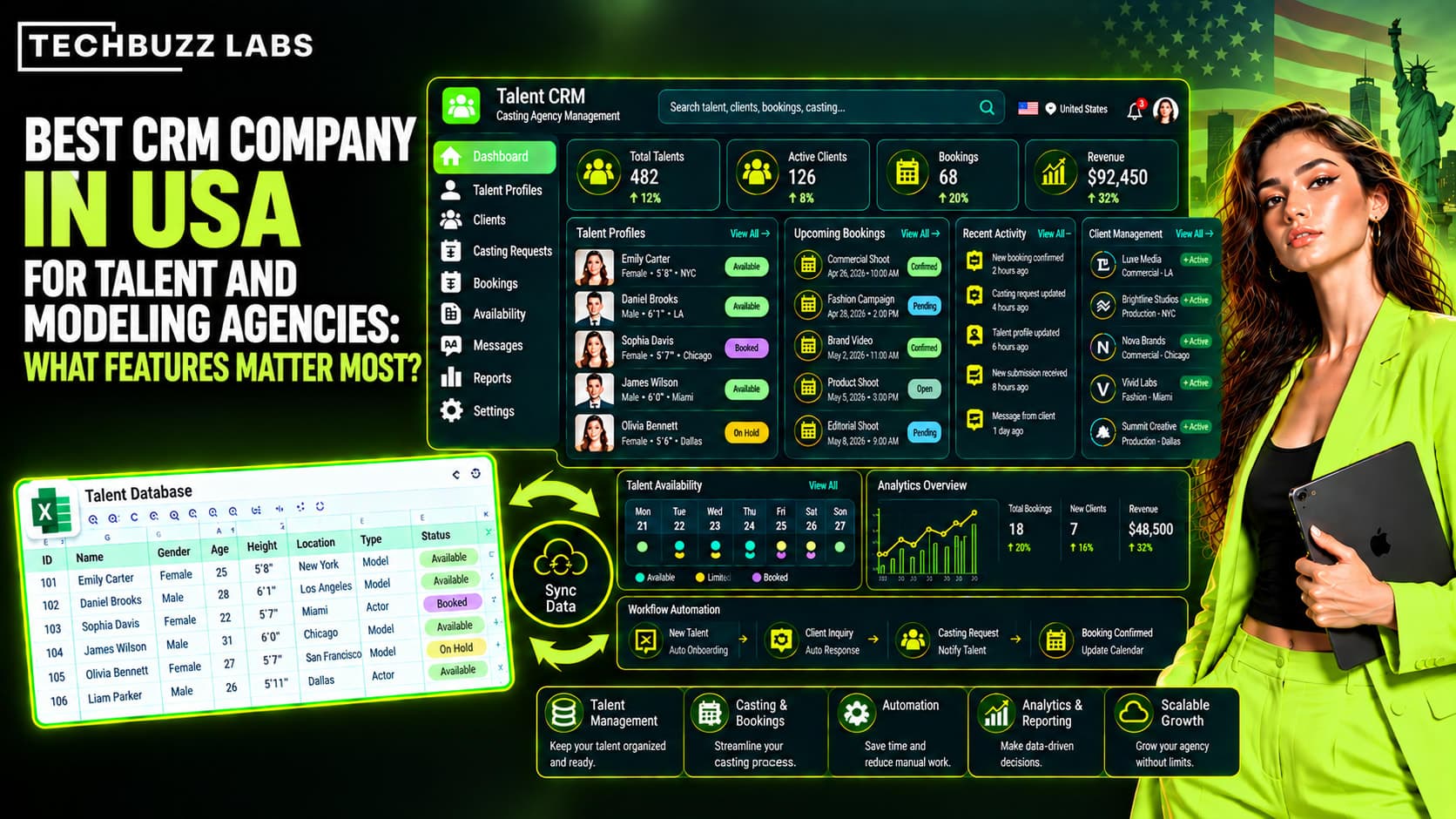
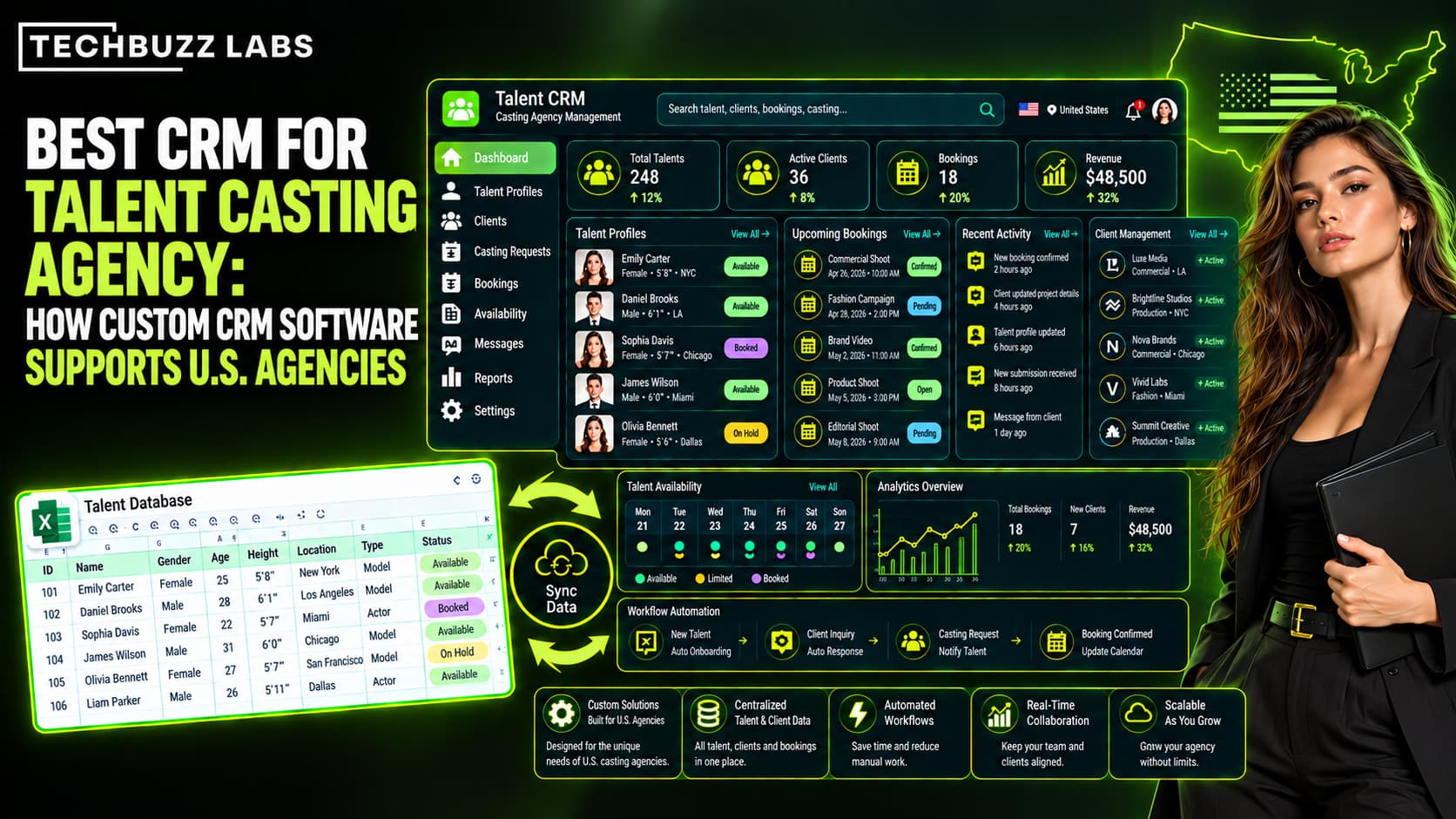
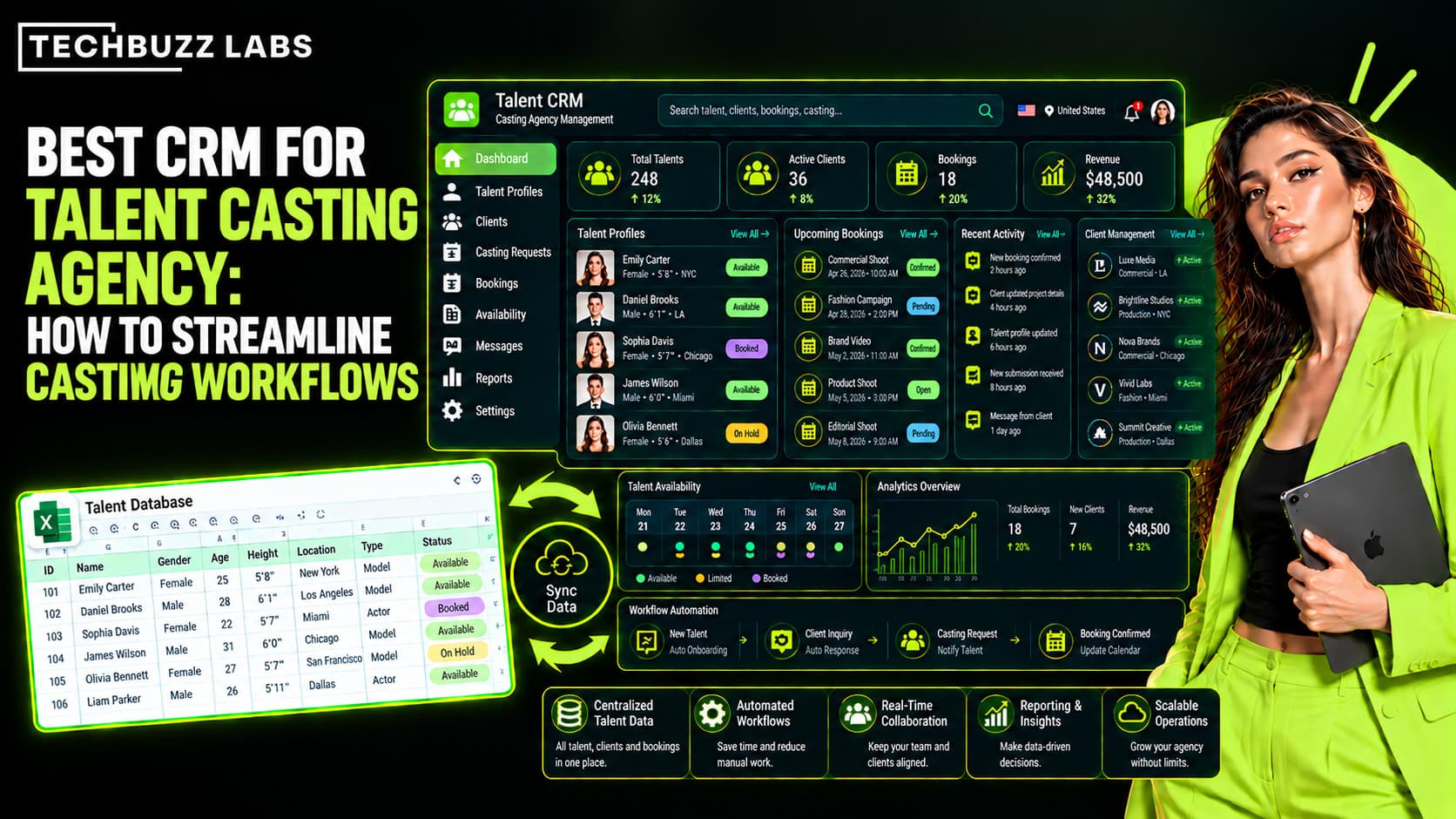
A modern system allows teams to store profiles, update availability, manage bookings, and respond to client requests in real time. It eliminates the delays caused by manual searching and fragmented data.
Another major shift is the rise of virtual auditions.
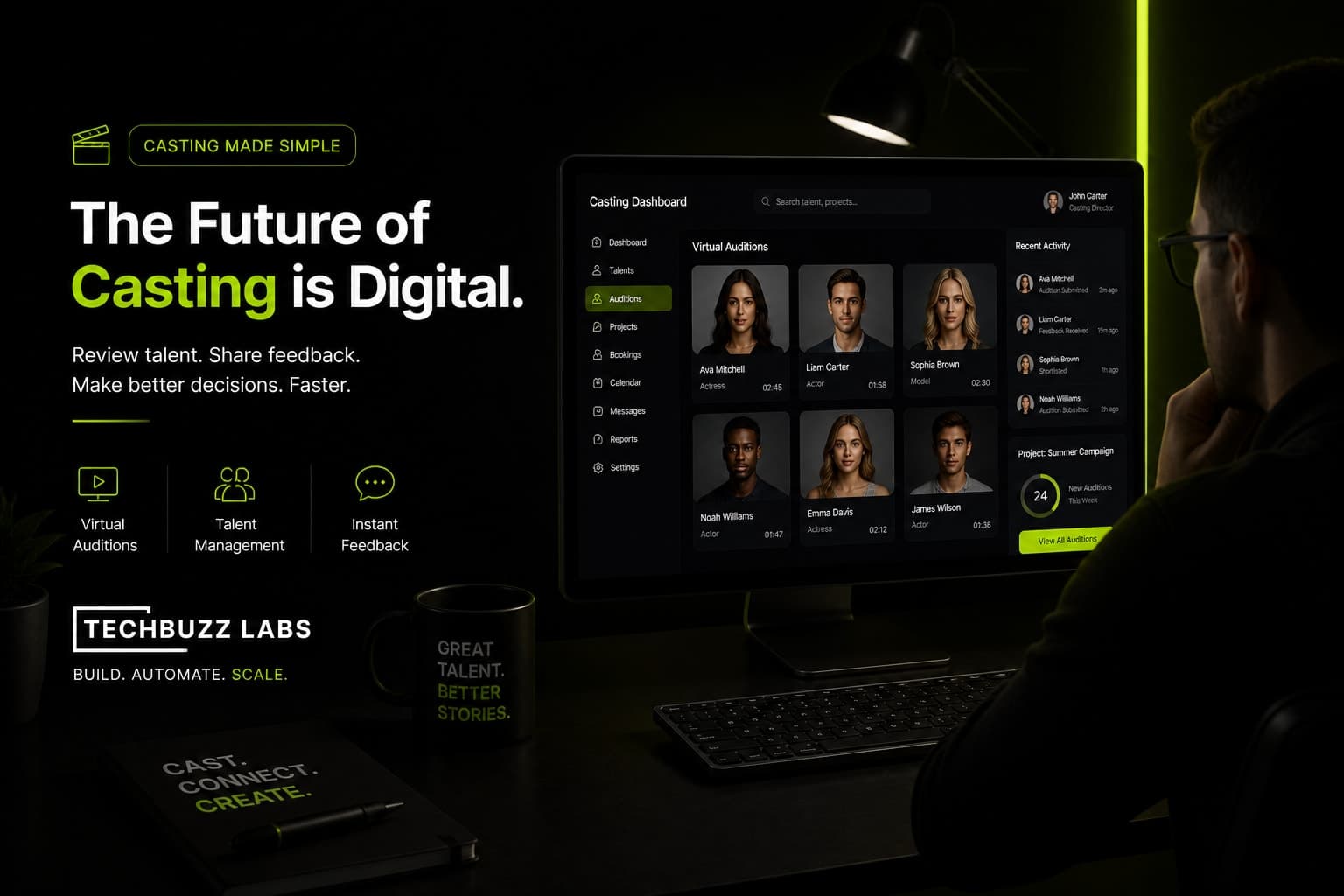
Casting directors now review video submissions, conduct live sessions online, and make decisions faster than ever. Agencies must support this workflow with reliable video tools and organized submission processes.
Client expectations have also increased.
Brands want transparency. They expect updates, clear communication, and easy access to talent information. Agencies that provide client portals and streamlined communication systems build stronger relationships and secure repeat business.
Automation is becoming a key advantage.
Agencies are using automation tools to manage follow ups, organize submissions, and track bookings. This reduces manual work and improves efficiency.
The agencies that succeed in 2026 are those that embrace digital workflows.
The question is no longer whether to upgrade your system.
The real question is how quickly you can adapt before your competitors do.