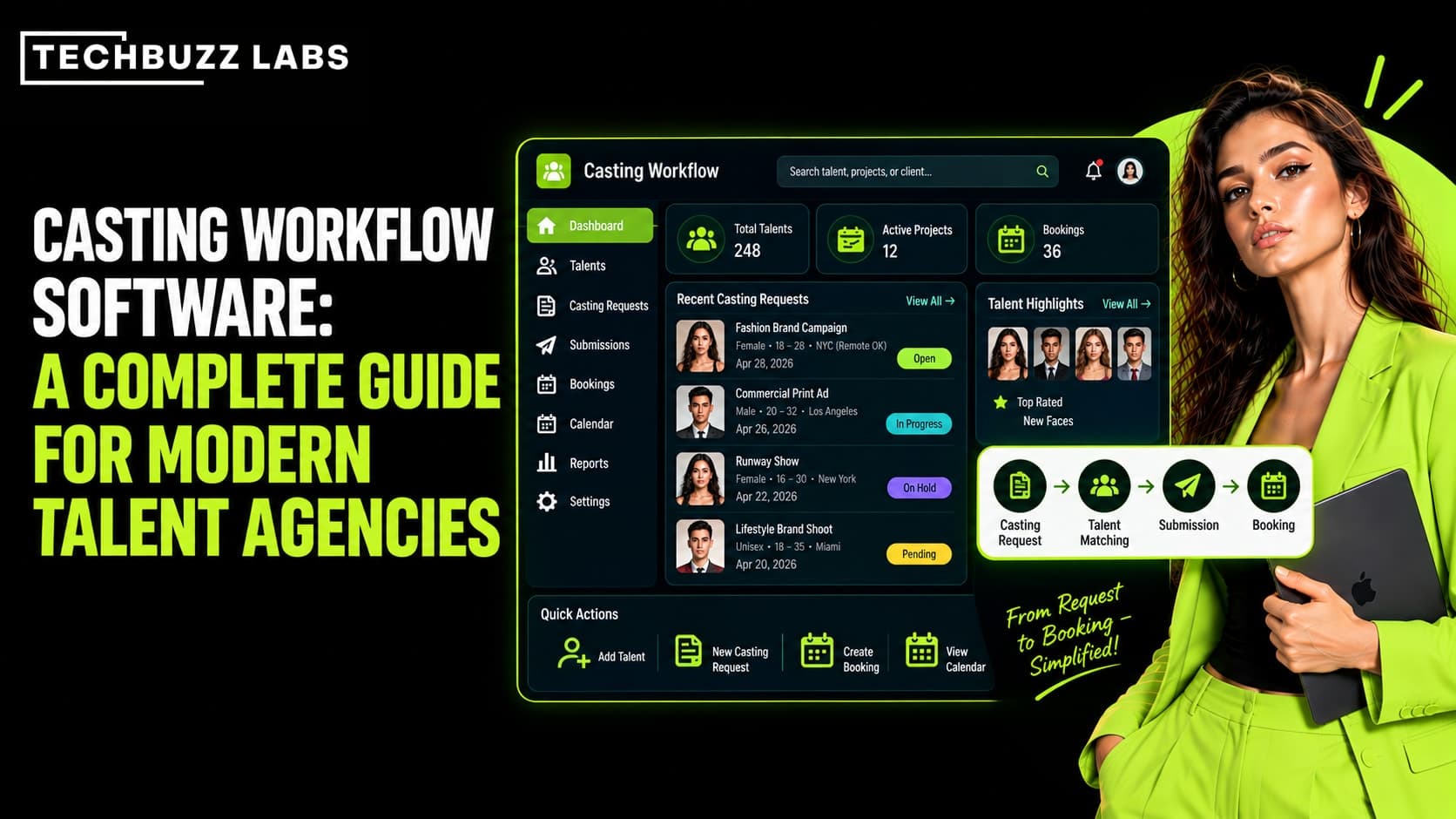
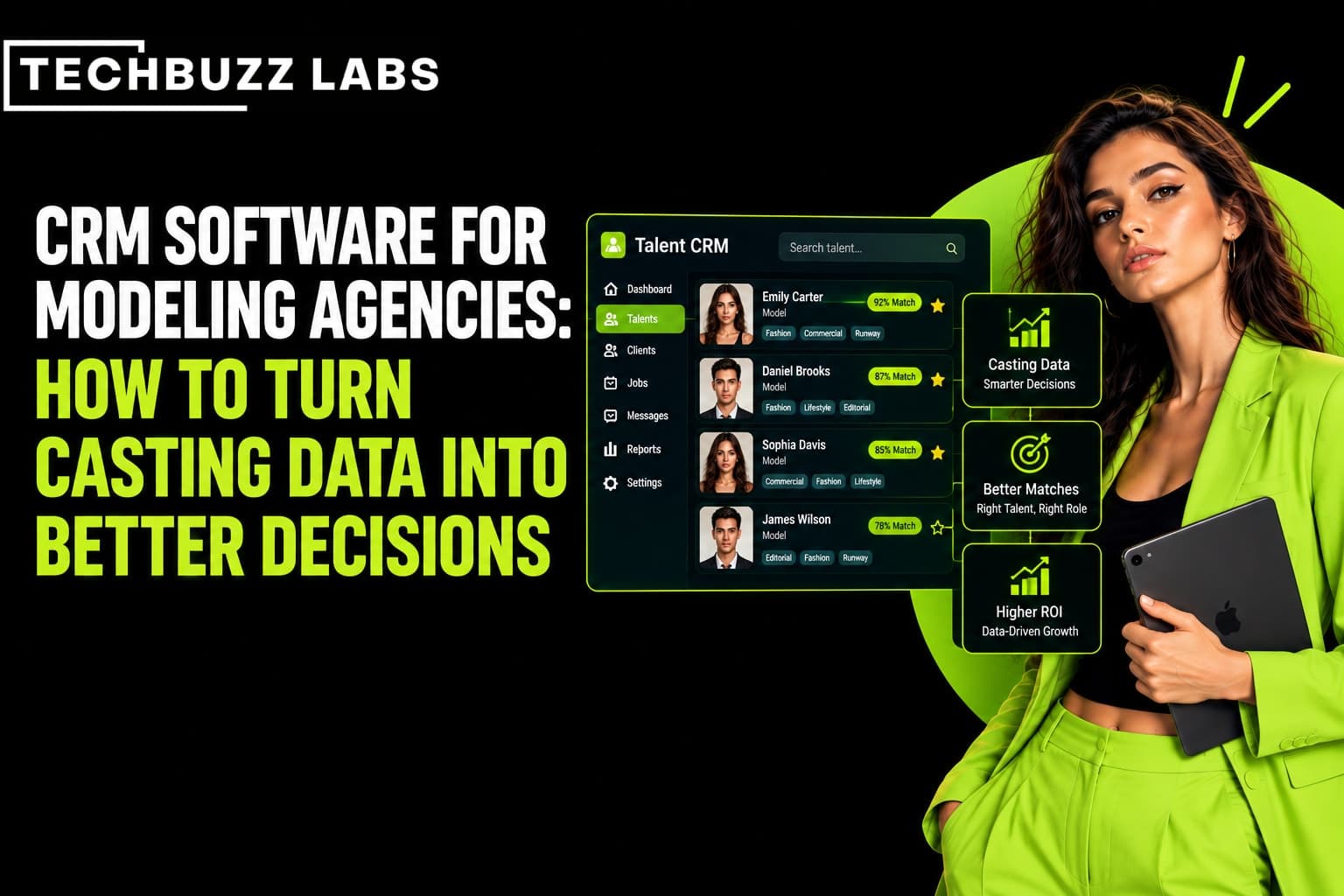
CRM Software for Modeling Agencies: How to Turn Casting Data Into Better Decisions
For example, an agency may discover that certain types of talent receive more client interest for specific campaigns or that particular clients consistently request similar profiles.
Modeling agencies make important decisions every day. Which models should be submitted for a casting? Which talent is available for a particular project? Which clients are generating the most opportunities? Why are some casting submissions turning into bookings while others are not?
As a modeling agency grows, answering these questions becomes more difficult when casting information is scattered across spreadsheets, emails, messaging platforms, and separate databases. CRM Software for Modeling Agencies can bring this information together and help agencies turn everyday casting activity into useful business insights.
For agencies operating in major U.S. markets such as New York, Los Angeles, Miami, Chicago, and Atlanta, better access to casting data can support faster decisions, more organized workflows, and stronger client and talent management.
What Is Casting Data?
Casting data includes the information an agency collects throughout the casting process. This can include client requirements, casting dates, project categories, submitted models, model availability, auditions, client feedback, submission outcomes, and final bookings.
Individually, these records may seem like simple operational details. However, when an agency consistently records them in a centralized CRM, the information can reveal patterns.
The value comes from connecting individual casting records and looking at the bigger picture.
Why Casting Data Matters for Modeling Agencies
Casting decisions are often made under time pressure. A client may send a brief in the morning and expect suitable talent to be presented quickly.
Without organized data, agents may rely heavily on memory, spreadsheets, or manually searching through old conversations. This can make it harder to identify patterns and may cause useful information to be overlooked.
CRM Software for Modeling Agencies provides a centralized environment where agencies can organize casting activity and connect it with talent and client information.
Instead of simply storing records, agencies can use the information to understand what is working and where their processes can improve.
Identify Which Talent Performs Well in Different Castings
One of the most useful applications of casting data is understanding talent performance across different opportunities.
An agency can track which models were submitted for specific casting categories, which progressed to auditions, which were shortlisted, and which eventually booked the project.
Over time, this creates a historical record that can help agents make more informed decisions.
For example, if particular talent consistently receives positive responses for commercial campaigns, an agent may recognize that pattern when a similar casting arrives.
This does not mean historical performance should automatically determine who gets submitted. Instead, it gives agents additional context when evaluating potential candidates.
Understand Client Preferences
Every client can have different expectations.
One client may frequently request commercial talent, while another may look for editorial experience. Some clients may regularly work within specific markets or project categories.
A CRM can help agencies maintain a history of client requests, submissions, feedback, and bookings.
When this information is organized, agents can better understand what individual clients typically need.
This can make future casting decisions more relevant because agents are not starting from zero every time a client sends a new request.
Measure Submission-to-Booking Performance
Sending models to castings is only one part of the process. Agencies also need to understand what happens after submission.
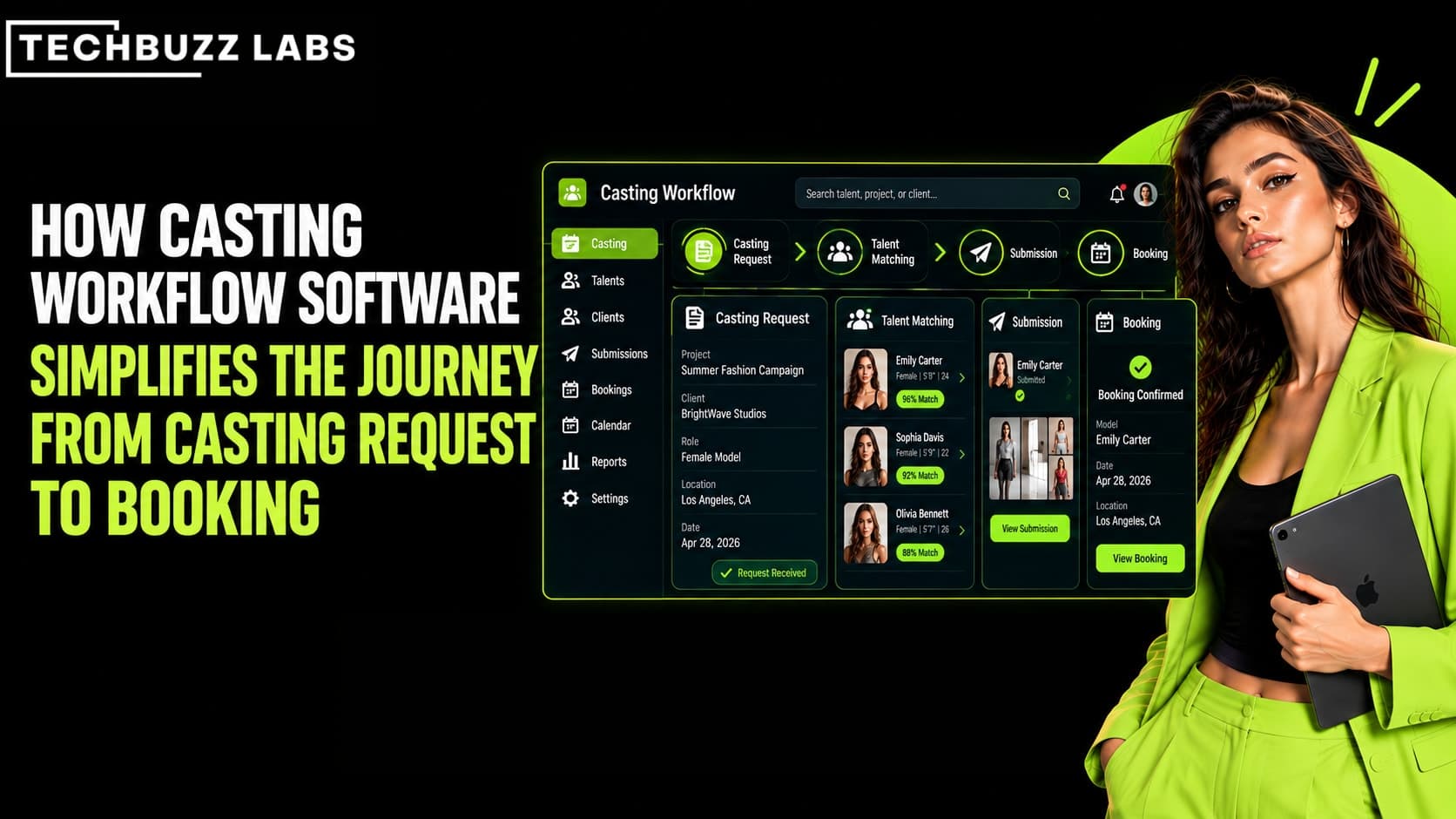
A CRM can help track the journey from casting request to submission, audition, client decision, and final booking.
This allows agencies to examine conversion patterns.
For example, an agency could compare the number of submissions made with the number of auditions received and eventual bookings. If many submissions produce very few positive responses, the agency may want to examine its talent selection process or better understand the client's requirements.
This type of analysis can help transform casting activity into measurable business information.
Discover Which Casting Categories Generate Results
Not every type of casting produces the same outcome.
An agency may receive opportunities across fashion, commercial, beauty, lifestyle, fitness, e-commerce, television, advertising, and other categories.
By organizing casting data, agencies can identify which categories generate the strongest results.
This can help managers understand where their roster performs particularly well and where additional talent development may be useful.
For U.S. agencies working across multiple markets, this type of information can also help identify differences between locations and client segments.
Improve Talent Shortlisting
Better decisions often begin with better shortlists.
When talent information and casting data are connected within CRM Software for Modeling Agencies, agents can use multiple criteria when evaluating potential submissions.
They may consider experience, location, availability, skills, previous work, casting history, and client requirements.
Instead of selecting talent based only on a quick database search, agents can use historical information as additional context.
This can make the shortlisting process more structured while still leaving the final decision with experienced agency professionals.
Use Data to Identify Workflow Bottlenecks
Casting data can also reveal operational problems that are not directly related to talent selection.
For example, an agency may discover that submissions are regularly delayed because availability confirmation takes too long. Another agency may notice that client feedback is not being recorded consistently.
A centralized CRM can make these patterns easier to identify.
Once a bottleneck becomes visible, management can determine whether automation, workflow changes, additional team coordination, or better data collection could solve the problem.
Track Client Response and Follow-Up
Timing can be important in the modeling industry. Clients may be reviewing several agencies and receiving talent options from multiple sources.
A CRM can help agencies track when casting requests arrive, when submissions are sent, and whether client feedback has been received.
This creates a clearer picture of outstanding work.
Instead of relying on individual agents to remember every follow-up, the agency can maintain a centralized workflow and prioritize requests that require attention.
Make Better Decisions With Agency Dashboards
Raw data is not always useful unless it can be understood quickly.
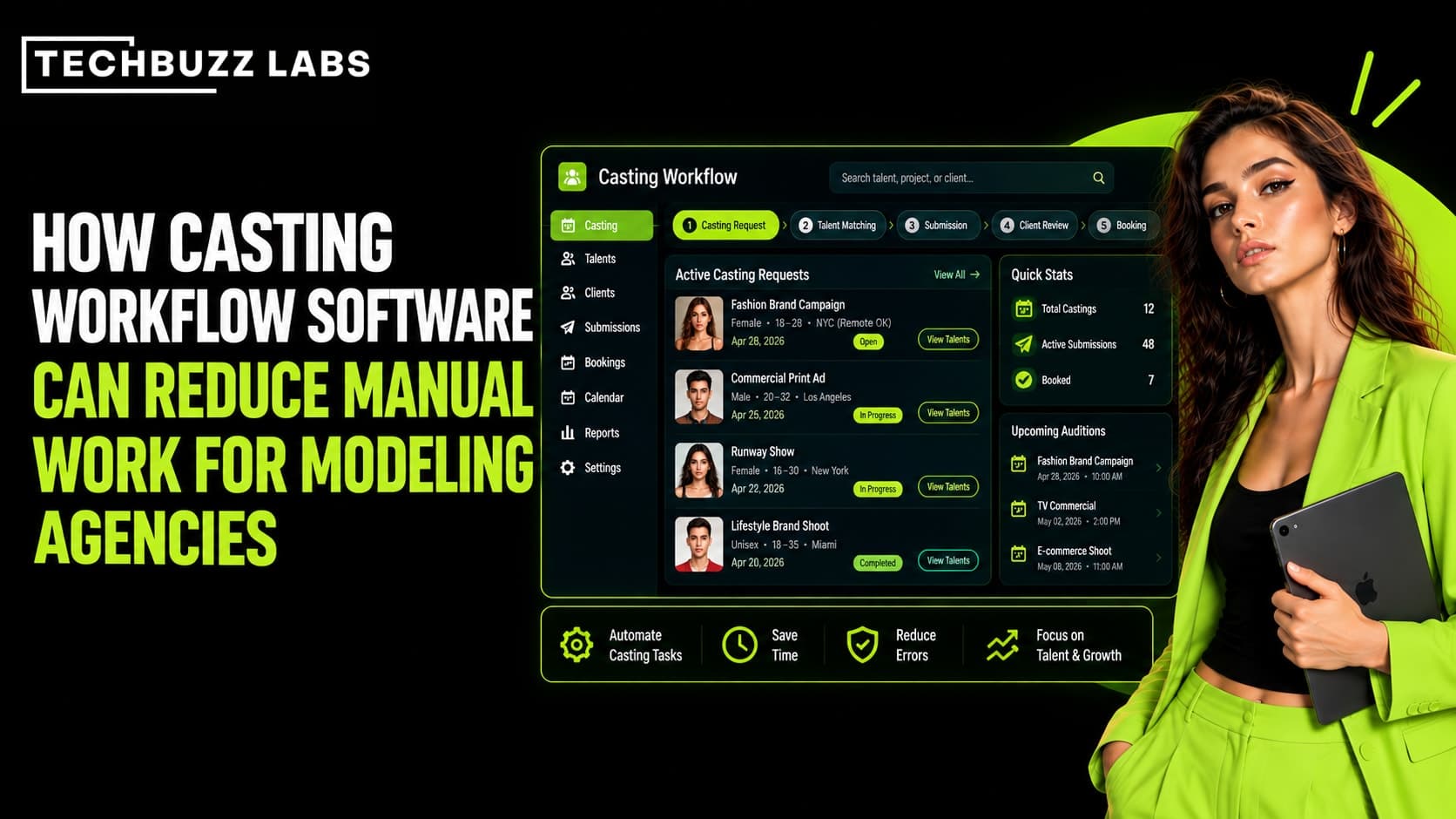
CRM dashboards can convert casting records into visual information that agency managers can review more easily. Depending on the system, dashboards can display active castings, submissions, auditions, bookings, client activity, and other performance indicators.
This gives managers a broader operational view.
Rather than asking team members to manually prepare reports every time management needs an update, important information can already be organized within the CRM.
Combine Casting Data With Talent Availability
Availability is one of the most important factors in deciding whether talent can realistically be submitted.
A model may be an excellent match for a project but unavailable on the required dates.
When availability information is connected to casting and talent records, agents can make decisions using more complete information.
This reduces unnecessary submissions and can help agents focus their attention on talent who are both relevant and potentially available.
Use Historical Data Without Losing Human Judgment
Data can improve decision-making, but it should not replace professional expertise.
Modeling involves factors that may not always be captured in CRM fields. Client relationships, creative direction, personality, presentation, professionalism, and an agent's knowledge of the market can all influence casting decisions.
The strongest approach is therefore to use CRM data as decision support.
Historical casting information can show patterns, while agents continue to evaluate each opportunity individually.
How TechBuzzLabs Can Help Modeling Agencies Use Their Data
TechBuzzLabs focuses on building custom technology around specific business workflows. For modeling and talent agencies, a custom CRM can connect talent profiles, casting opportunities, availability, client requests, submissions, and bookings within a centralized system.
This can make it easier for agencies to collect useful casting data throughout the entire workflow rather than storing information in disconnected tools.
With CRM Software for Modeling Agencies, the objective is not simply to create another database. The system can become a central source of operational information that helps agents understand talent activity, client behavior, casting performance, and workflow efficiency.
A custom approach can also allow agencies to build dashboards, search functions, reports, and workflows around the way their team actually operates.
Building a More Data-Driven Modeling Agency
The amount of data generated by a modeling agency can increase rapidly as its talent roster and client base grow.
Instead of allowing this information to remain scattered across spreadsheets and communication platforms, agencies can create a structured system for collecting and analyzing it.
With consistent data, managers can identify trends, compare casting outcomes, understand client preferences, monitor conversion rates, and recognize workflow problems.
Over time, these insights can support better operational planning and more informed agency decisions.
Conclusion
Casting data can be one of the most valuable resources available to a growing modeling agency. Every casting request, submission, audition, client response, and booking can contribute to a larger picture of how the agency operates.
CRM Software for Modeling Agencies provides a centralized way to organize this information and turn it into actionable insights. Agencies can use casting data to understand talent performance, identify client preferences, measure submission-to-booking results, improve shortlisting, monitor workflows, and make more informed decisions.
For U.S. modeling agencies competing in fast-moving markets, the advantage is not simply having more data. It is having the right data organized in a way that agents and managers can actually use.
With a connected CRM solution and a well-structured data strategy, agencies can move from reactive casting management toward a more organized, measurable, and data-informed approach to talent and client management.