Custom Talent Booking Software: Is It Better Than Ready-Made Solutions?
For agencies in the United States, the right choice depends on business size, workflow requirements, budget, and growth plans. This guide compares both approaches and explains how to decide which option best fits your agency.
As modeling and talent agencies grow, managing casting requests, model portfolios, client relationships, and booking schedules can become increasingly complex. Spreadsheets and disconnected applications may no longer provide the visibility teams need, encouraging agencies to explore dedicated talent booking software.
One important decision is whether to invest in custom talent booking software or choose a ready-made solution. Both options can help agencies organize operations, but they differ in flexibility, cost, implementation time, and long-term maintenance.
What Is Custom Talent Booking Software?
Custom talent booking software is a platform developed or tailored to meet an agency's specific operational requirements. Instead of adapting every process to a standard product, the agency can define how its system should manage talent, casting, scheduling, and client communication.
Depending on the project scope, a custom platform may include:
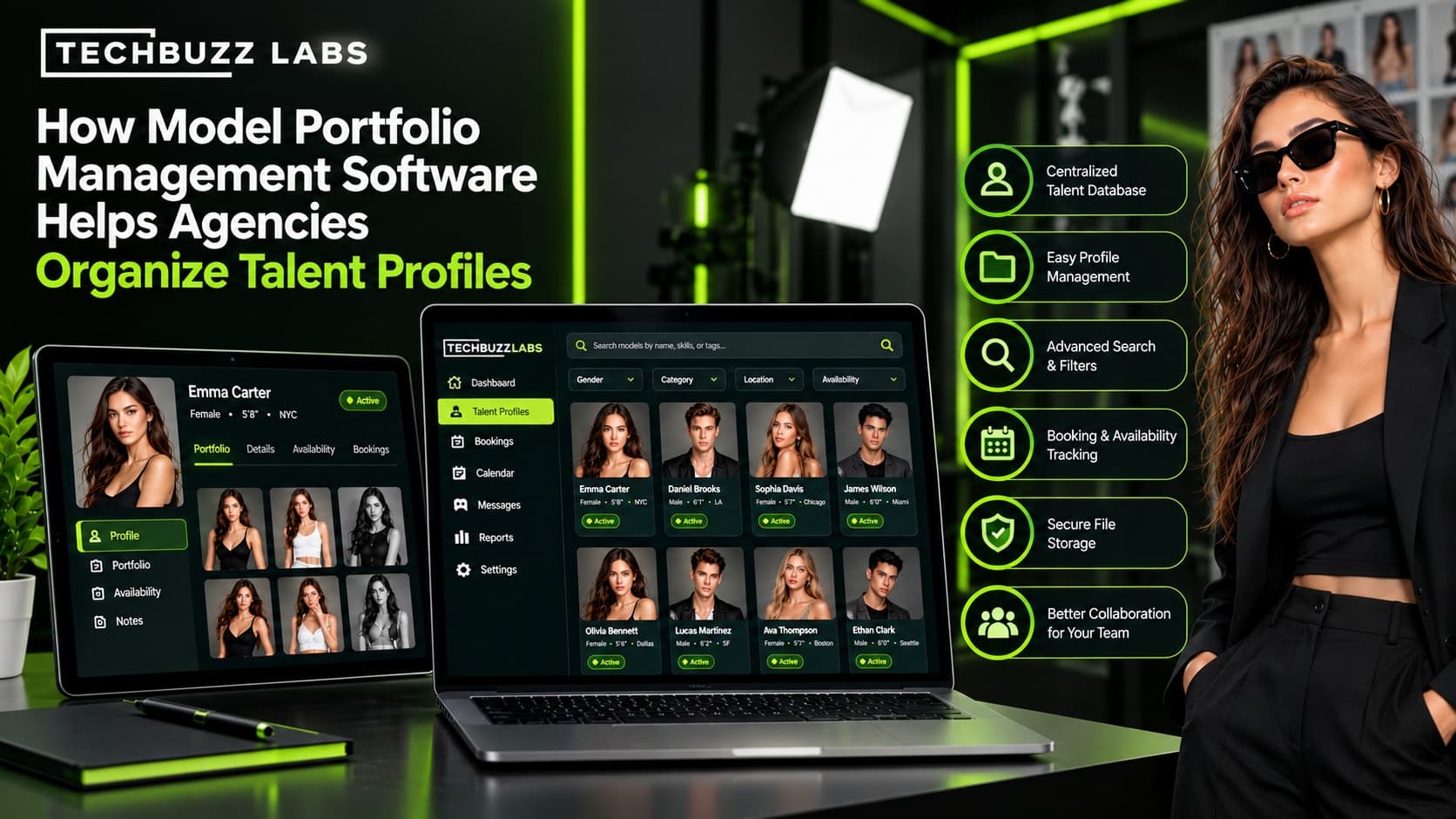
Centralized model and talent profiles
Advanced talent search and filtering
Casting briefs, submissions, and approvals
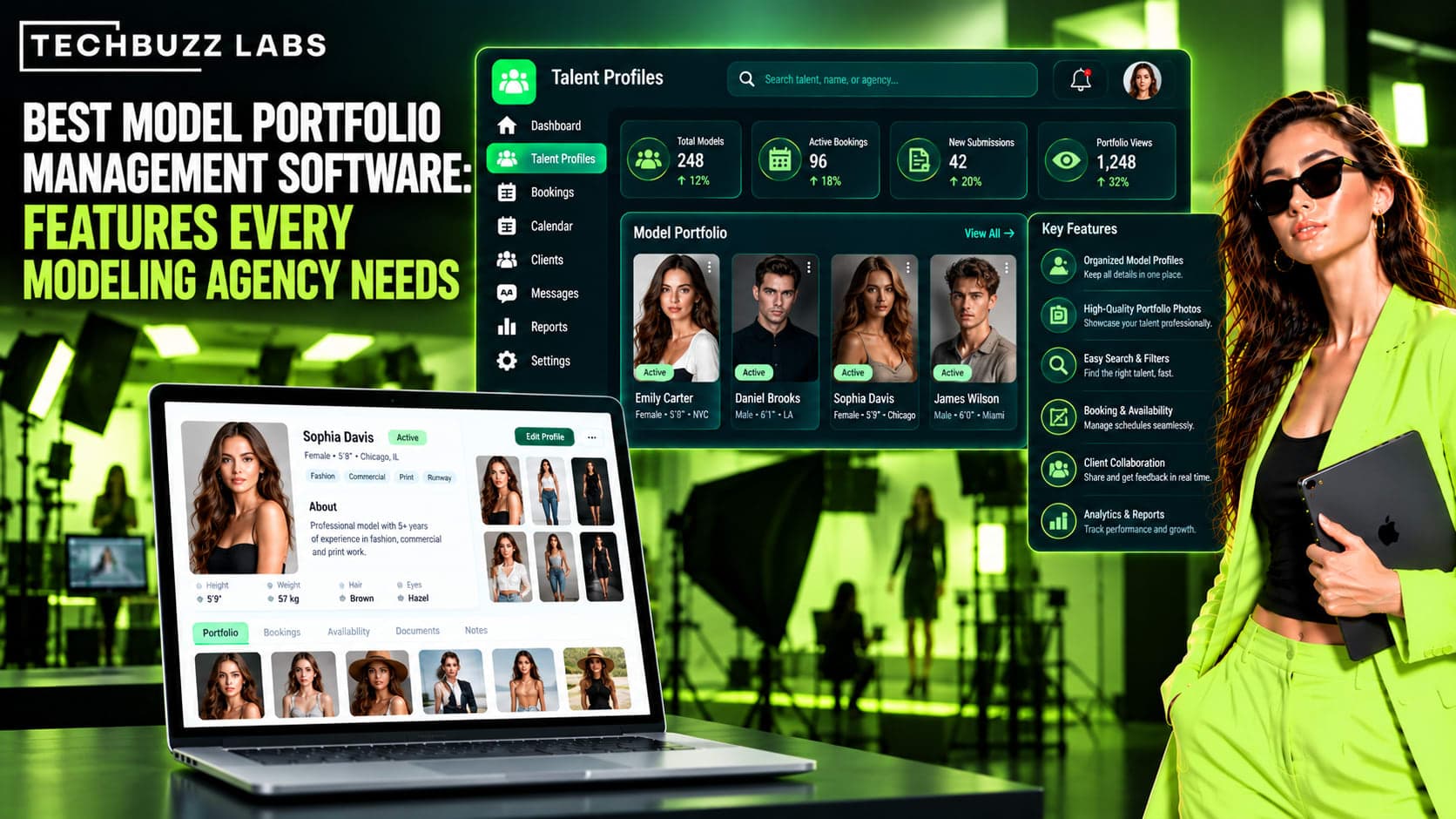
Booking calendars and availability tracking
Client relationship management (CRM)
Automated notifications and follow-up workflows
Contracts, invoices, and payment records
Custom dashboards and business reports
Integrations with existing agency tools
The main advantage is flexibility. Agencies can prioritize the features that support their actual workflow rather than paying for a large collection of features they may never use.
However, custom development requires planning, testing, implementation, and ongoing maintenance.
What Is Ready-Made Talent Booking Software?
Ready-made talent booking software is a commercially available product designed for a broad range of users. Depending on the platform, it may provide standard tools for talent management, scheduling, client communication, casting, and booking administration.
These products typically offer predefined features and subscription plans. Some allow limited configuration, while others support integrations or more extensive customization.
Ready-made software is often suitable for agencies that want to introduce a structured booking process without managing a full software development project.
Its main limitation is that the agency may need to adjust some internal workflows to match the platform's capabilities.
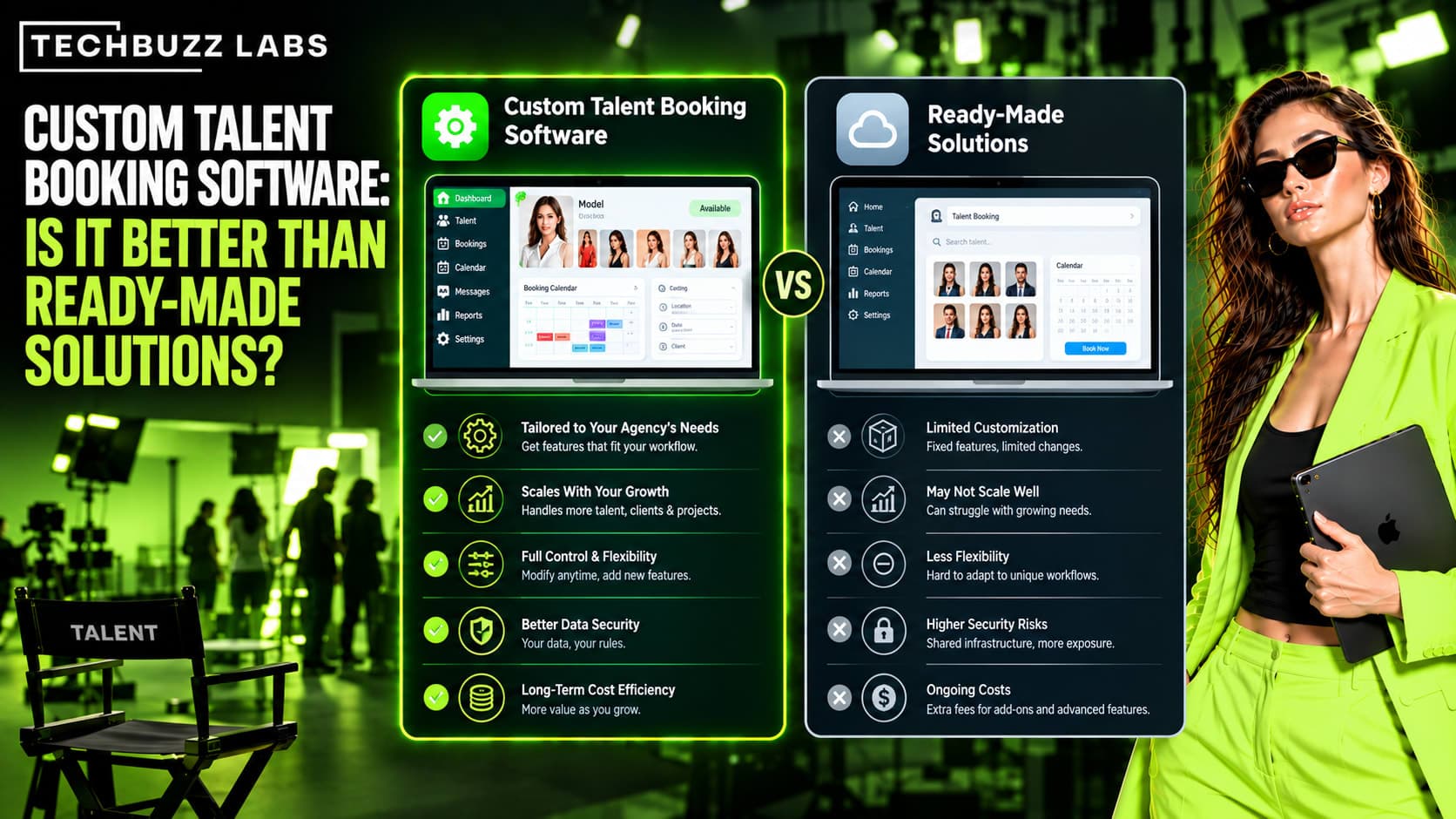
Custom vs. Ready-Made Talent Booking Software
The following comparison highlights the main differences agencies should consider.
FactorCustom softwareReady-made softwareInitial costGenerally higherOften lower upfrontImplementationRequires planning and developmentUsually faster to launchWorkflow flexibilityCan be designed around specific processesDepends on available configurationFeaturesSelected according to project requirementsDefined by the provider's productIntegrationsCan be developed for specific needsDepends on supported integrationsMaintenanceRequires an agreed maintenance planTypically managed by the vendorUpdatesPlanned around the development arrangementReleased according to the provider's roadmapScalabilityCan be designed for anticipated growthDepends on product limits and pricing tiers
Actual costs and capabilities vary significantly between providers. A ready-made platform may offer extensive customization, while a custom project may take longer and cost more than initially expected.
Benefits of Custom Talent Booking Software
1. Designed Around Your Agency's Workflow
Every agency has its own approach to managing casting opportunities and bookings. A fashion modeling agency may prioritize portfolios, measurements, and campaign requirements, while a talent agency may focus more heavily on auditions, contracts, availability, and client approvals.
Custom software can reflect these differences.
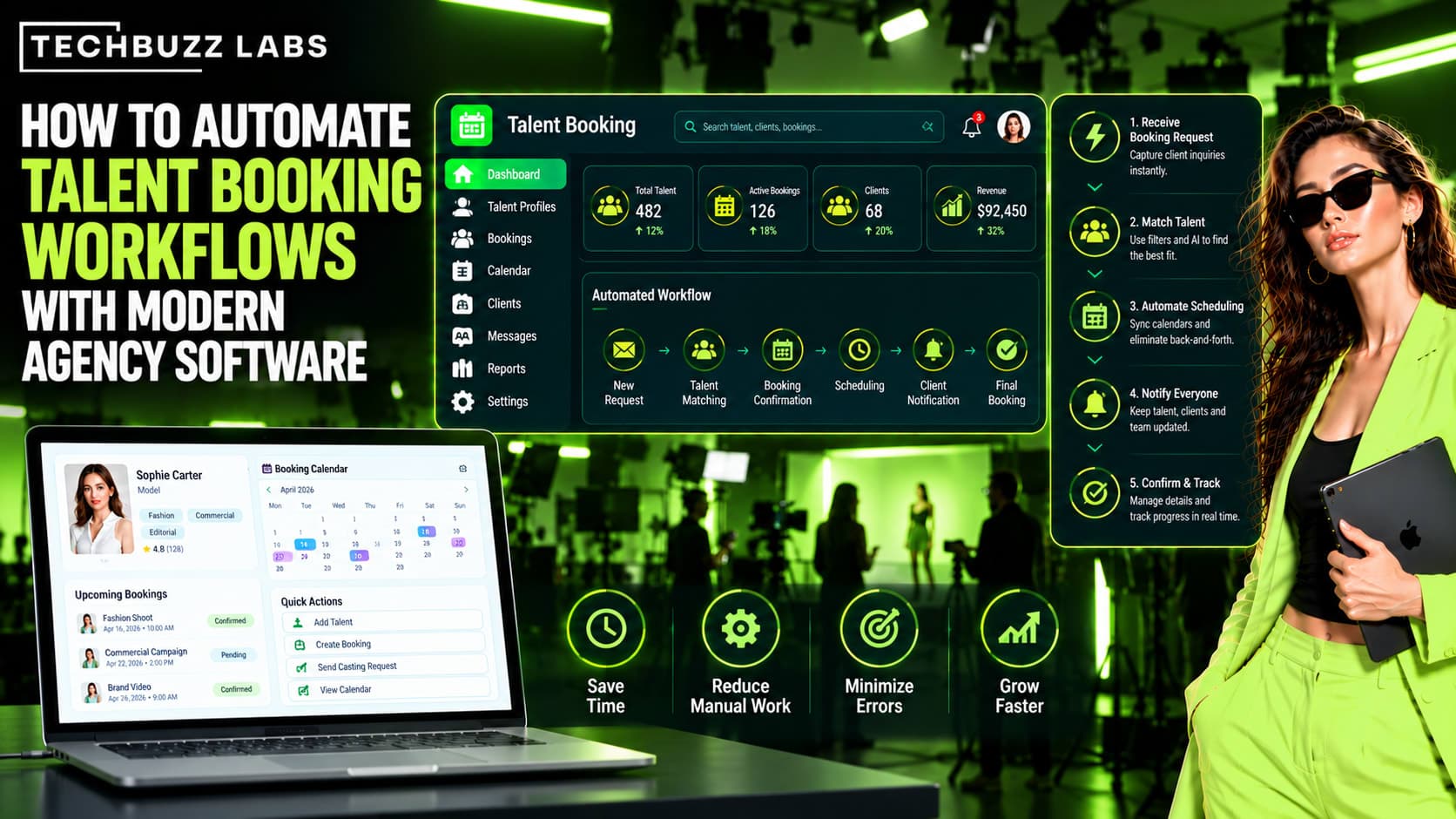
For example, an agency could design a workflow that moves from client inquiry to casting brief, talent shortlist, submission, approval, booking confirmation, and final reporting. Each stage can include the fields and approval steps the team actually needs.
This can reduce unnecessary workarounds and make the system more relevant to daily operations.
2. Greater Control Over Features
With a custom platform, the agency can prioritize the capabilities that deliver the greatest operational value.
It may begin with talent profiles, casting management, and scheduling, then add client portals, automation, or advanced reporting as requirements evolve.
A phased approach can help control complexity and prevent the project from becoming overloaded with unnecessary features.
3. More Tailored Integrations
Agencies may already use accounting software, email platforms, calendars, document management tools, or other business applications.
Custom development can make it possible to connect these systems according to the agency's requirements, subject to the availability of APIs and other technical constraints.
Before developing integrations, agencies should identify which connections are essential and verify the ongoing costs of maintaining them.
4. A Platform Built for Long-Term Goals
Agencies planning to expand their talent roster, introduce new services, or coordinate multiple locations may benefit from a platform designed around their anticipated needs.
However, scalability is not automatic. It depends on the software architecture, hosting arrangements, security practices, technical documentation, and the quality of ongoing maintenance.
A clear development roadmap is essential.
Benefits of Ready-Made Talent Booking Software
1. Faster Implementation
Ready-made software can often be configured and launched more quickly than a fully custom platform. This makes it attractive to agencies that need to improve their booking process without waiting for a development cycle.
2. Lower Initial Investment
Many ready-made platforms operate on monthly or annual subscriptions, avoiding a large upfront development expense.
Agencies should still compare the total cost of ownership, including per-user charges, onboarding, integrations, premium features, and potential subscription increases.
3. Established Features
A mature product may already include scheduling, contact management, reporting, and standard booking workflows. Agencies can test these features before committing to a long-term arrangement.
4. Vendor-Managed Updates
The software provider generally manages product updates and platform maintenance. This can reduce the agency's direct technical workload, although the agency remains responsible for configuring the product appropriately and managing its own data and user access.
Which Option Is Better for Your Agency?
Choose ready-made software if:
Your booking workflow is relatively standard.
You need a solution quickly.
Your budget is limited.
Existing features cover most of your requirements.
You prefer a subscription model with vendor-managed updates.
Consider custom software if:
Your casting or booking process is highly specialized.
Standard products require too many workarounds.
You need specific integrations or approval workflows.
You require tailored reporting across multiple teams or locations.
Your long-term plans justify the development and maintenance investment.
There is also a middle ground: choose an existing platform that supports configuration, integrations, and selective customization. This can deliver flexibility without requiring every component to be developed from scratch.
How TechBuzz Labs Can Help Agencies Evaluate Custom Solutions
TechBuzz Labs focuses on technology and software solutions for business operations, including areas relevant to talent management, CRM, and agency workflows.
For modeling and talent agencies considering a custom booking platform, the first step should be a workflow assessment. Identify where manual tasks create delays, which information needs to be connected, and which features are essential for the initial launch.
A potential system might connect talent profiles, casting submissions, client records, availability, and booking schedules in one place. Additional capabilities can be introduced when they address clearly defined business needs.
Before choosing a development partner, ask about project scope, milestones, security, documentation, ownership of the source code, third-party licensing, maintenance, and post-launch support.
TechBuzz Labs can be considered as part of your evaluation when exploring custom software approaches for agency operations. Compare providers based on demonstrated experience, technical fit, transparent pricing, and the ability to support the platform over time.
Final Thoughts
Custom talent booking software offers flexibility and can be a strong option for agencies with specialized workflows or ambitious growth plans. Ready-made solutions are often a better starting point for agencies that need standard features, faster implementation, and lower initial costs.
Neither option is automatically better. The right decision depends on how well the software solves your operational challenges and whether the total investment makes sense for your business.
Start by documenting your workflow, comparing available products, and calculating both immediate and long-term costs. If ready-made software meets most of your requirements, customization may be unnecessary. If repeated workarounds are slowing your team down, a tailored platform may offer greater value over time.
The objective is to choose a booking system that helps your agency manage talent, clients, casting, and schedules more effectively—without introducing unnecessary complexity.