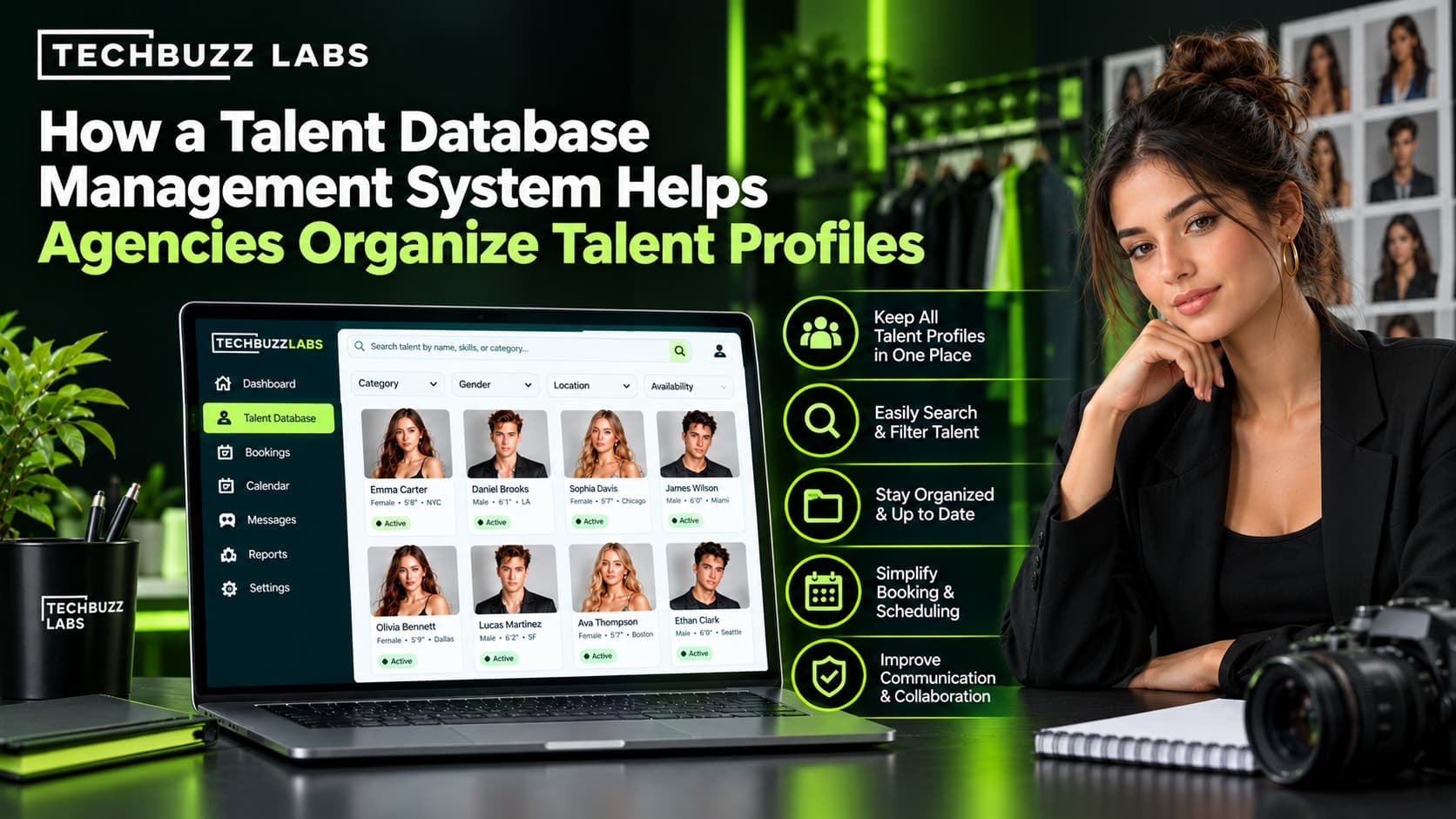
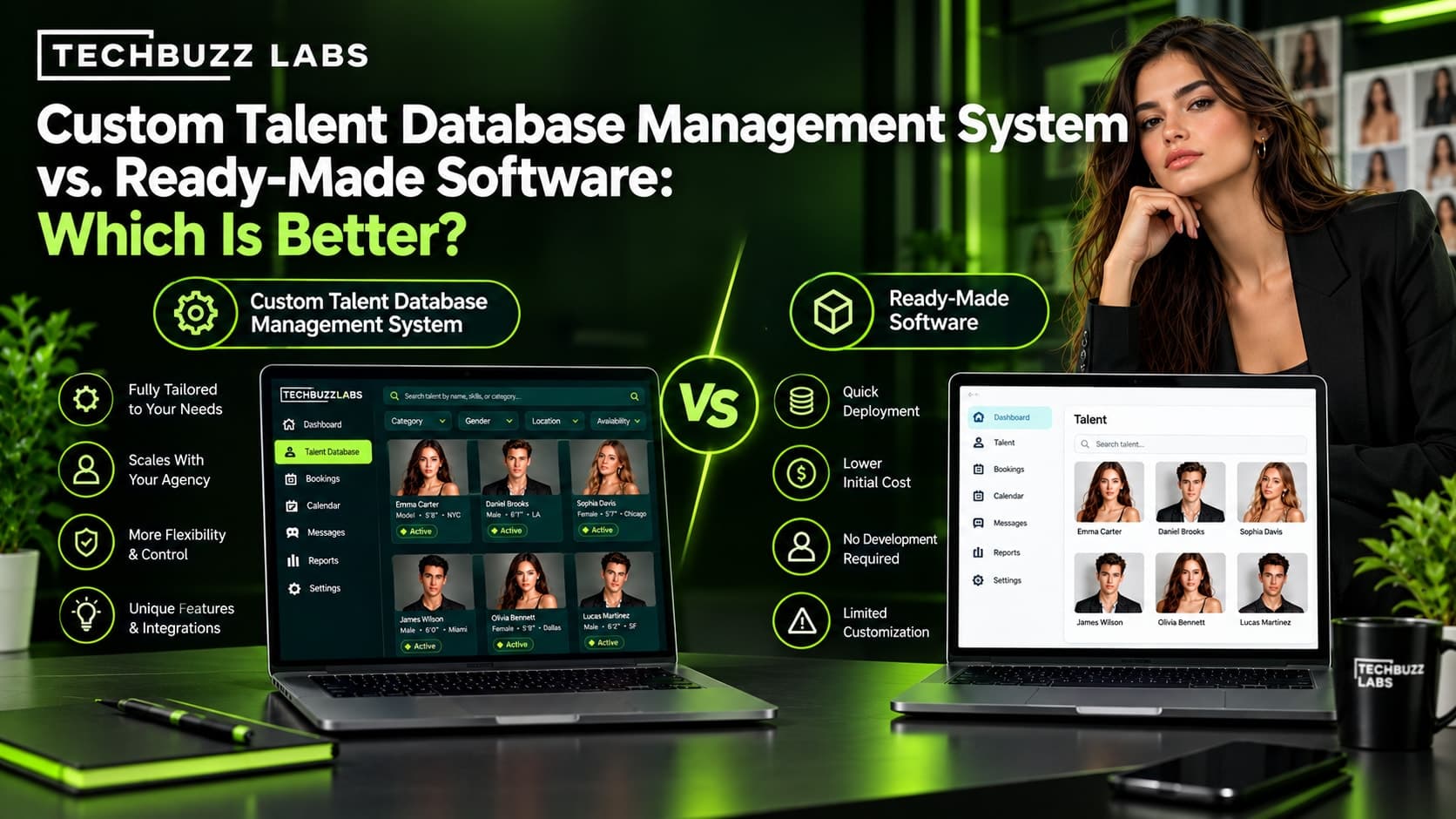
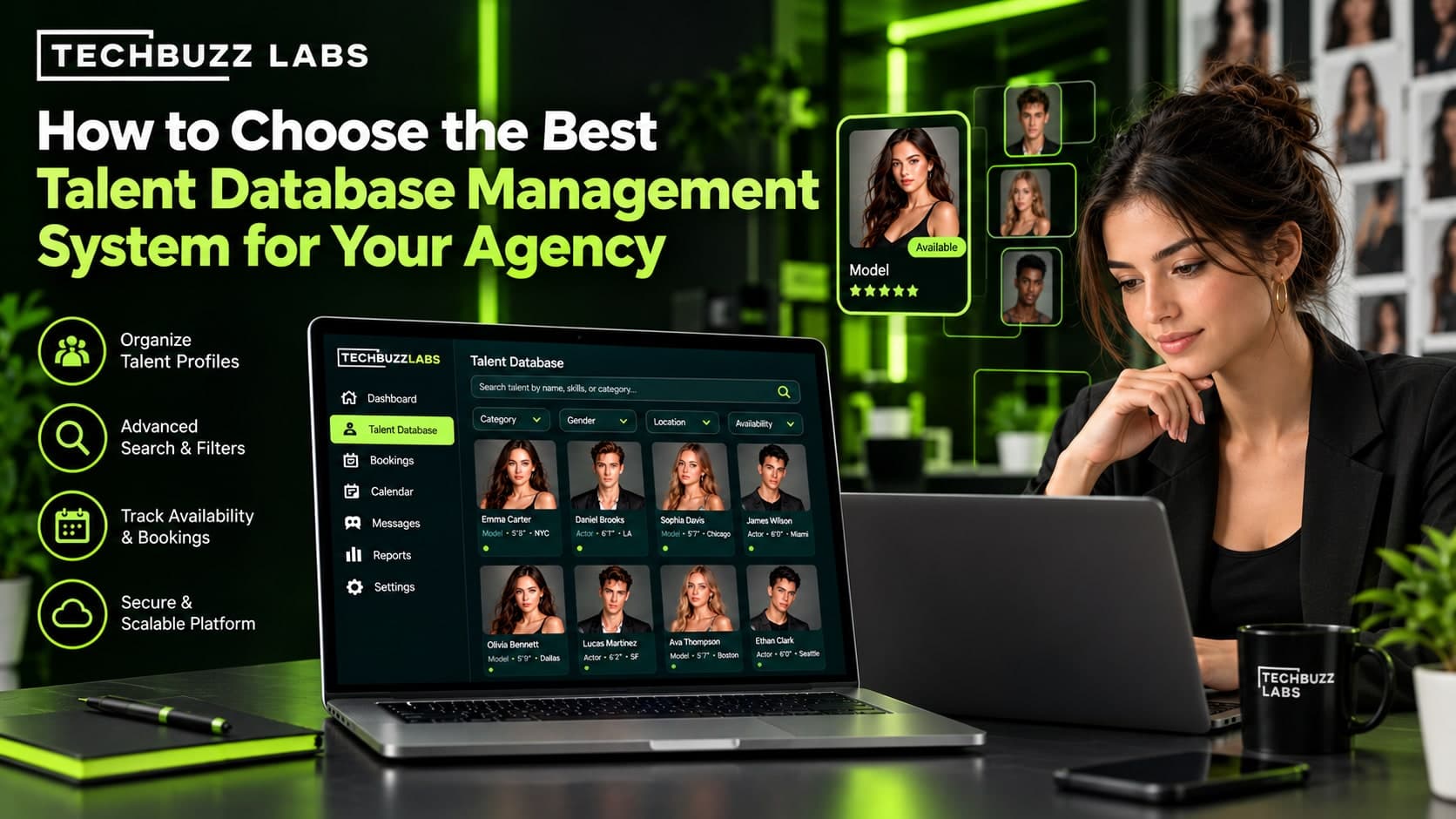
Digital Talent Profiles vs PDF Comp Cards What Forward Thinking Agencies Are Switching To
In 2026, the casting and modeling industry across the United States is becoming increasingly digital. Agencies that once relied heavily on PDF comp cards and static talent packages are now moving toward interactive digital talent profiles.
In 2026, the casting and modeling industry across the United States is becoming increasingly digital. Agencies that once relied heavily on PDF comp cards and static talent packages are now moving toward interactive digital talent profiles.
This shift is happening faster than many agency owners expected.
The reason is simple.
Brands now expect faster workflows, real time updates, better organization, and smoother collaboration.
Traditional PDF comp cards are starting to feel outdated in a world driven by instant digital experiences.
Forward thinking agencies are responding by modernizing how they present talent to clients.
And the agencies adapting fastest are gaining a serious competitive advantage.
Why PDF Comp Cards Are Becoming Less Effective
For years, PDF comp cards were the industry standard.
They allowed agencies to present talent through printable layouts containing photos, measurements, and basic profile information.
But modern casting operations now move too quickly for static files.
One of the biggest problems with PDFs is that they become outdated constantly.
Measurements change.
Availability changes.
Social metrics change.
Portfolio images update frequently.
Every update requires agencies to manually rebuild and resend files.
This creates operational inefficiency.
Another major issue is organization.
As agencies scale, managing hundreds or thousands of PDFs becomes increasingly difficult.
Teams waste time searching folders, renaming files, updating versions, and resending profiles repeatedly.
Brands also expect more interactive experiences now.
Static files no longer feel modern.
What Digital Talent Profiles Actually Are
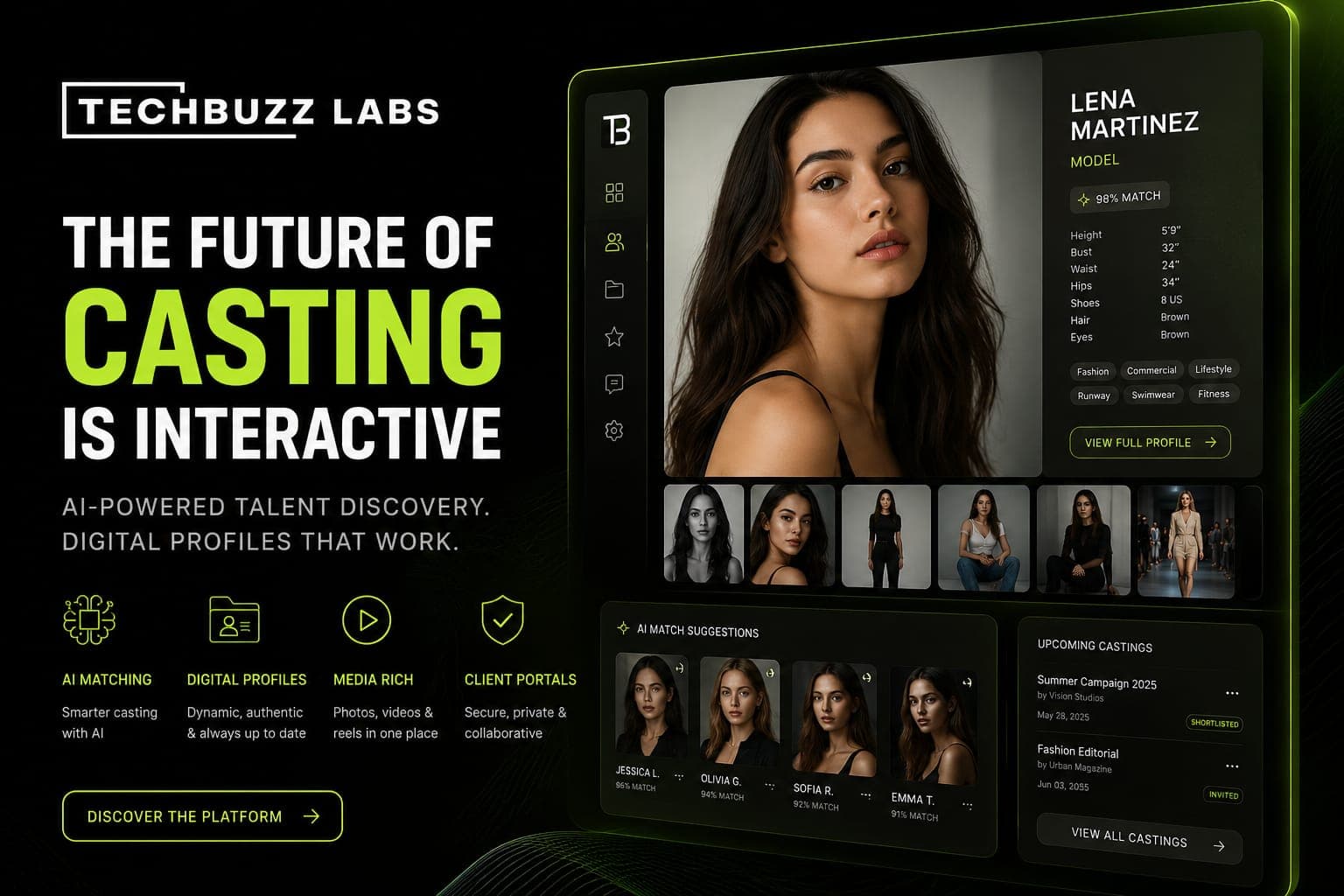
Digital talent profiles are cloud based talent pages or dashboards that agencies can update in real time.
Instead of sending static documents, agencies share dynamic profile links containing:
Portfolio images
Measurements
Videos
Self tapes
Availability
Social following
Campaign history
Booking status
Contact details
Client notes
This creates a much smoother client experience.
Brands can review talent instantly without downloading files or requesting updated versions repeatedly.
Why Agencies Are Switching in 2026
The biggest reason is speed.
Digital profiles dramatically reduce the time required to organize and send submissions.
Agencies can build talent packages much faster using searchable databases and automated workflows.
The second reason is professionalism.
Modern digital presentations feel significantly more advanced compared to static PDFs.
This improves agency perception.
The third reason is scalability.
Agencies managing large talent rosters need operational systems that support fast growth.
Digital profile systems centralize operations and reduce administrative friction.
The fourth reason is client experience.
Brands increasingly prefer digital workflows because they improve collaboration and communication.
How Digital Talent Systems Improve Bookings
One major advantage of digital profiles is operational responsiveness.
When brands request talent, agencies can respond within minutes instead of hours.
This matters heavily in competitive casting environments.
Fast response times often influence booking decisions.