How Modeling Agencies Can Manage Multiple Agency Locations With Custom Software
Duplicate data can also become a problem. Different offices may maintain separate versions of the same talent profile or client record, creating inconsistencies across the organization.
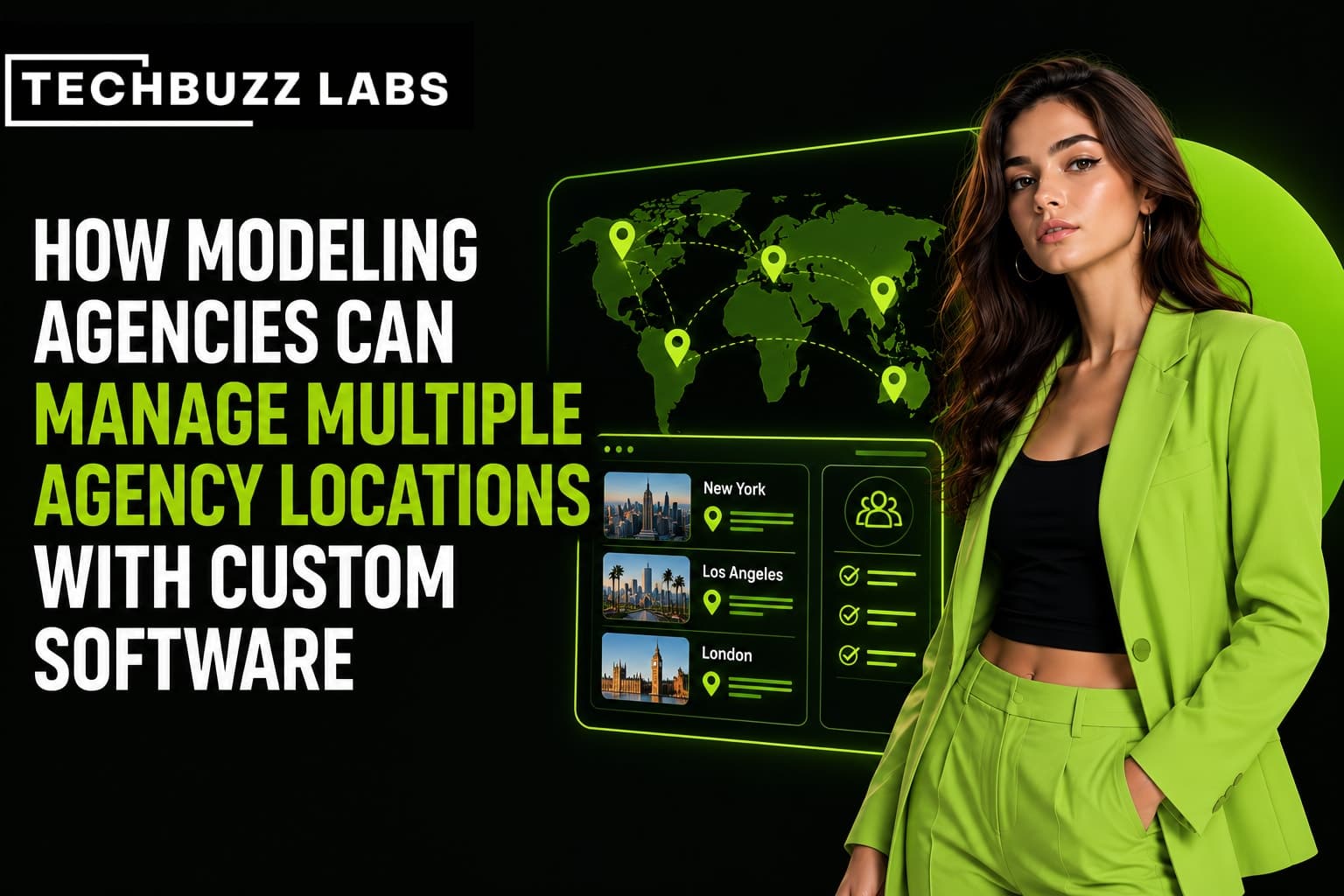
As a modeling agency grows, opening offices in different cities can create new opportunities but also introduce new operational challenges. A single agency may have teams working across New York, Los Angeles, Miami, Chicago, Atlanta, or other major U.S. markets. Each location may work with different clients, models, casting opportunities, and booking schedules while still operating under the same agency brand.
Managing these locations through separate spreadsheets, email accounts, messaging applications, and disconnected systems can make it difficult to maintain consistent information. Custom software can help modeling agencies connect multiple locations through one centralized platform while still allowing each office to manage its own day-to-day operations.
Why Multiple Locations Can Be Difficult to Manage
A multi-location modeling agency needs to coordinate a large amount of information. Talent may be represented by one office but available for projects in another city. Clients may work with several agency branches, while bookings and casting requests can involve teams from different locations.
Without a connected system, employees may have difficulty knowing which office manages a particular model, whether talent is available in another market, or which agent is responsible for a client request.
A centralized custom software platform can provide a shared source of information while giving each location the tools it needs.
Centralizing Talent Profiles Across Locations
One of the most important capabilities for a multi-location agency is a centralized talent database.
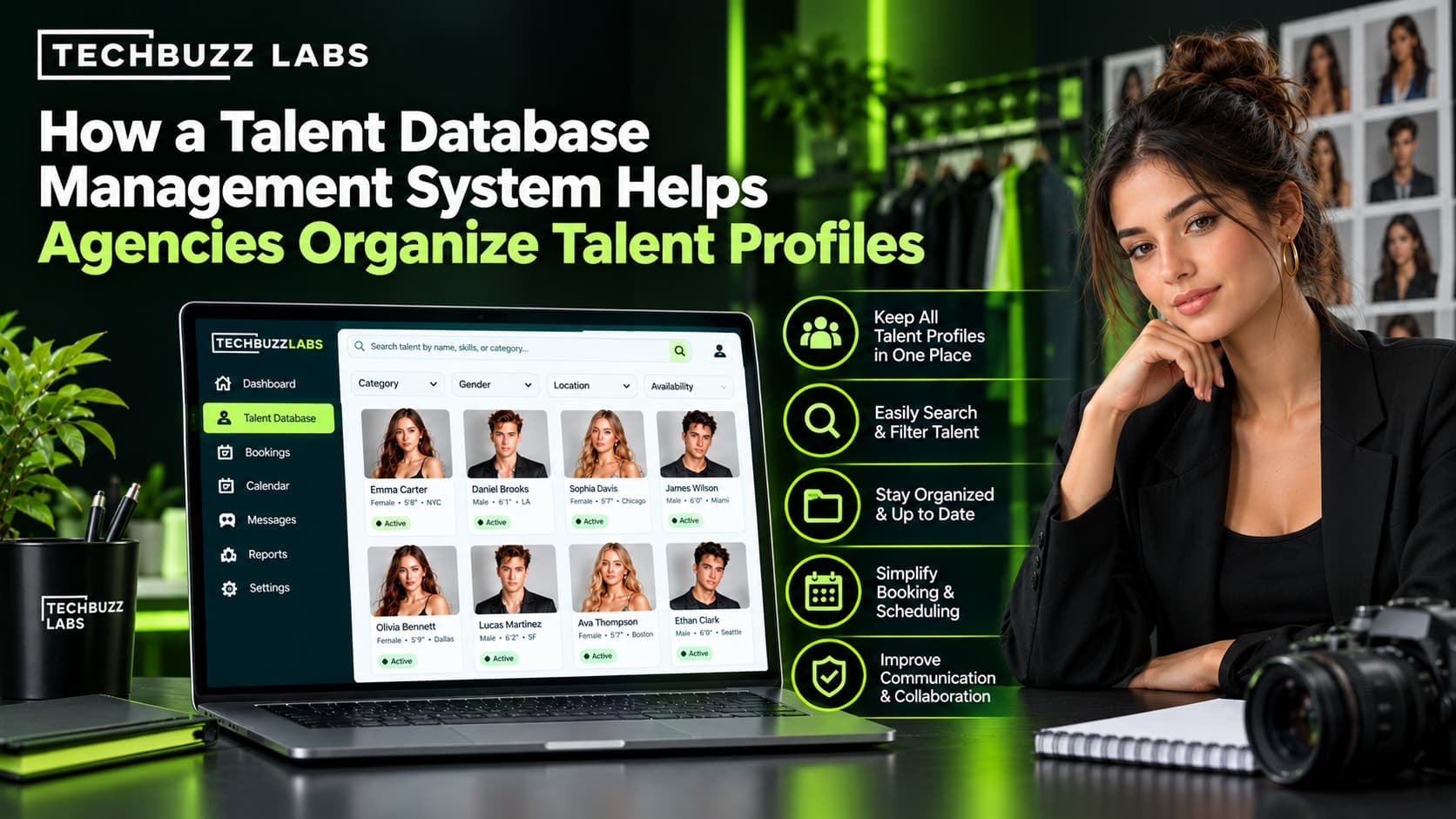
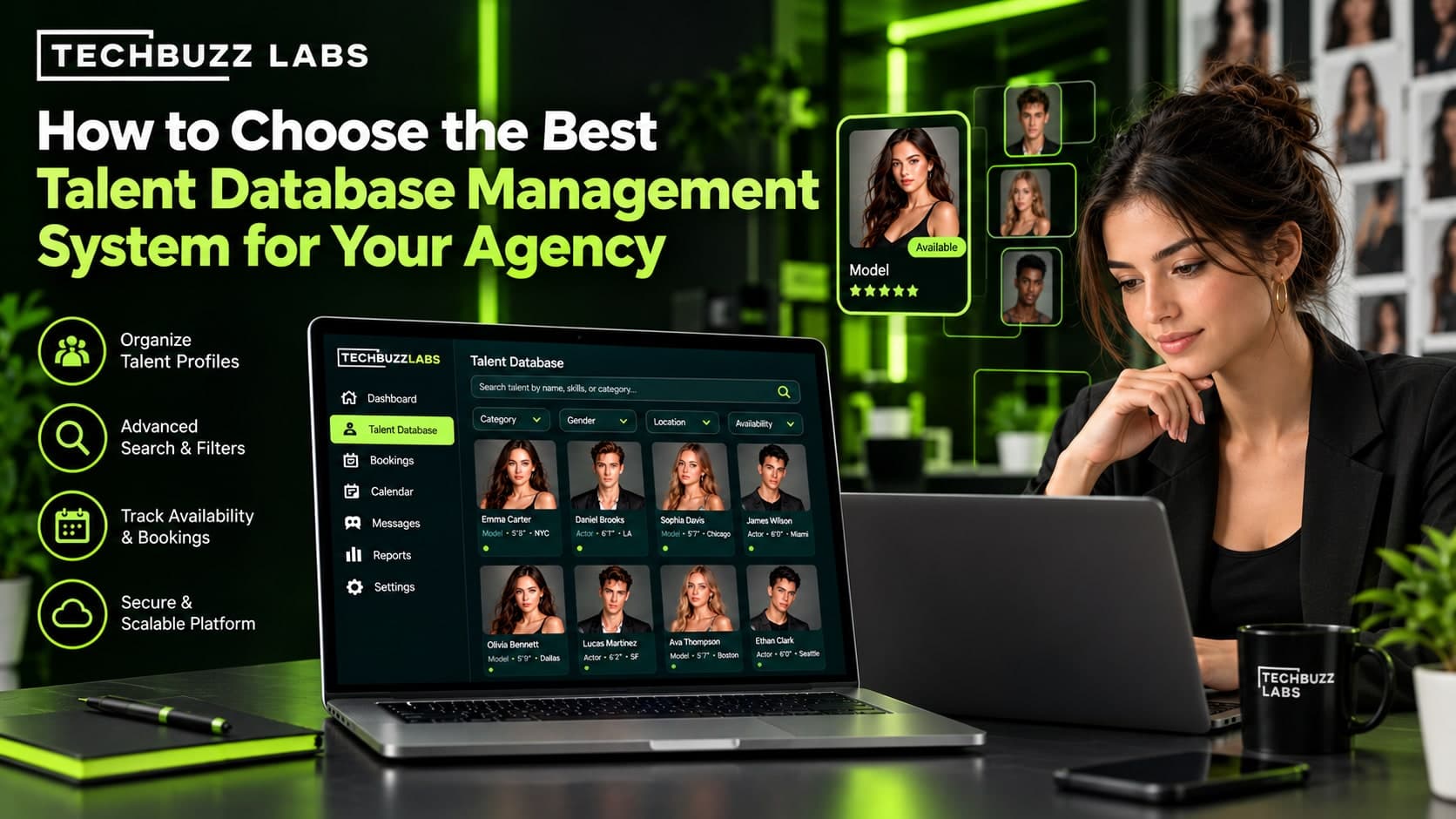
Instead of keeping separate model profiles for every office, an agency can maintain one primary profile for each talent. The profile can include professional information, portfolio details, measurements, skills, location, availability, experience, and booking history.
Authorized teams in different offices can access the information they need without creating duplicate records.
This can be particularly useful when a model is available for assignments in multiple U.S. markets. Agents can see the same core information and coordinate opportunities more efficiently.
Managing Location-Specific Talent
Although centralization is important, every office may have different talent and market requirements.
Custom software can allow agencies to organize talent by location, market, representation status, or other business criteria. An agent in Los Angeles may primarily work with entertainment and commercial clients, while an agent in New York may focus more heavily on fashion and editorial opportunities.
The system can support these differences without requiring every location to operate completely independently.
This creates a balance between centralized management and local flexibility.
Connecting Client Requests Across Offices
Clients may sometimes need talent in multiple cities.
For example, a national advertising campaign could require models in New York, Los Angeles, Miami, and Chicago. If each office uses a separate system, coordinating the request can take significant time.
A connected agency management platform can allow teams to view client requirements and identify suitable talent across different locations.
Agents can collaborate on the same project while maintaining visibility into which office or team member is handling each part of the request.
Tracking Model Availability
Availability becomes more complicated when an agency operates across multiple markets.
A model may be available in Los Angeles one week and traveling to New York the next. If offices do not share current availability information, agents may accidentally submit talent who cannot participate in a project.
Custom software can connect availability with talent profiles and bookings. Agents can review relevant dates and locations before recommending talent to clients.
This helps reduce scheduling conflicts and unnecessary communication.
Managing Casting and Bookings
Casting workflows can also benefit from centralized management.
A client request can be created within the system and assigned to the appropriate office or team. Agents can search for talent, manage submissions, track client feedback, and move selected models toward booking.
Once a booking is confirmed, the relevant office and team members can access the project information.
This creates a connected workflow from casting to booking instead of requiring employees to transfer information manually between different platforms.
Improving Communication Between Offices
Communication is another major consideration for multi-location agencies.
Agents need to know what other offices are doing, especially when clients or talent overlap between markets.
Custom software can provide internal notes, task assignments, notifications, project statuses, and communication records. Team members can see important updates without relying entirely on long email chains or separate messaging applications.
Better internal visibility can help offices coordinate their work while maintaining clear responsibilities.
Managing Different User Permissions
Not every employee needs access to every piece of agency information.
A custom platform can include role-based permissions that determine what different users can view or modify. For example, an agent may have access to talent and client records relevant to their location, while management may have broader access across the organization.
This allows agencies to maintain centralized information while controlling access according to employee responsibilities.
Creating Consistent Processes Across Locations
Different offices may naturally develop their own ways of working. While some flexibility is useful, too many differences can make it difficult for management to maintain consistent standards.
Custom software can establish common workflows for activities such as talent onboarding, profile updates, casting submissions, client follow-ups, and booking management.
Each location can follow the same core process while still having room for market-specific requirements.
Using Reporting to Understand Agency Performance
Multi-location agencies also need visibility into performance.
Custom software can organize operational data so management can review information across offices. Depending on the system, agencies may be able to analyze casting activity, bookings, client activity, talent utilization, and other operational metrics.
Comparing information across locations can help agency leadership identify successful processes and areas that may need improvement.
How TechBuzzLabs Can Help
TechBuzzLabs focuses on developing custom technology solutions for talent and casting agencies. For a modeling agency operating across multiple U.S. locations, a customized platform can connect talent profiles, client management, casting, availability, bookings, and internal workflows.
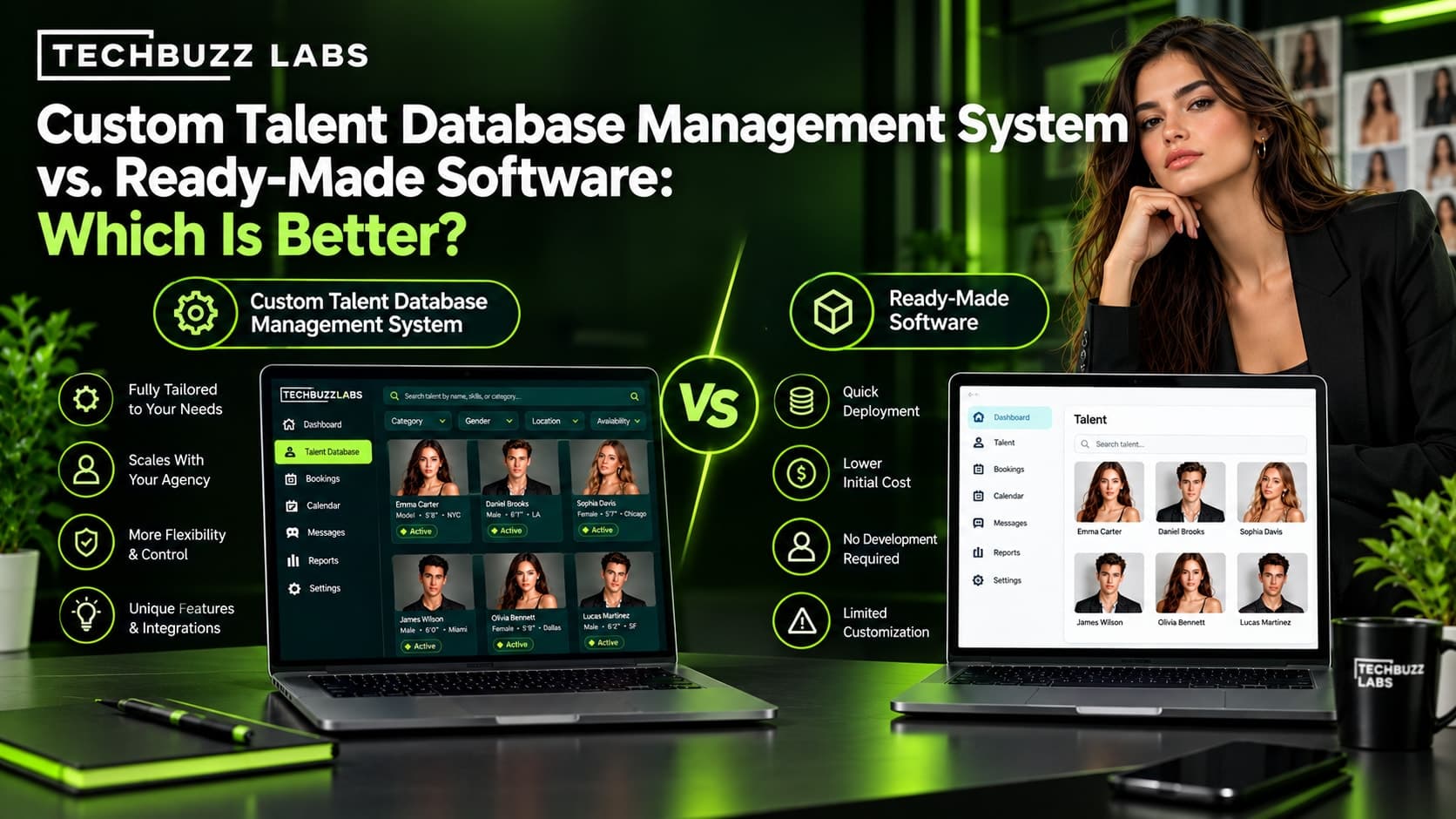
Instead of forcing every office to use separate tools, an agency can build a centralized system around its specific organizational structure.
TechBuzzLabs can also incorporate automation and AI applications where they provide practical value. This gives agencies the flexibility to create workflows that support both current operations and future growth.
Preparing for Future Expansion
A custom system should not only solve today's multi-location challenges. It should also be able to support future expansion.
An agency that currently operates in three cities may eventually open offices in additional markets. Building a scalable platform from the beginning can make it easier to add new locations, users, talent, clients, and workflows without completely rebuilding the system.
This makes scalability an important consideration when selecting or developing agency management software.
Conclusion
Managing multiple modeling agency locations requires more than simply giving each office its own software. Agencies need a way to maintain centralized information while allowing individual teams to manage their local operations.
Custom software can connect talent profiles, client requests, availability, casting, bookings, communication, permissions, and reporting across multiple offices.
For U.S. modeling agencies planning to expand into new markets, a centralized custom platform can provide the structure needed to coordinate teams and talent more efficiently. With a solution built around the agency's specific workflow, companies such as TechBuzzLabs can help agencies create a connected technology foundation that supports both multi-location operations and long-term growth.