How Modeling Agencies Can Replace Multiple Tools With One Agency Management System
The goal is not simply to replace software. It is to create a connected workflow where information can move from one stage of the agency process to another without unnecessary manual work.
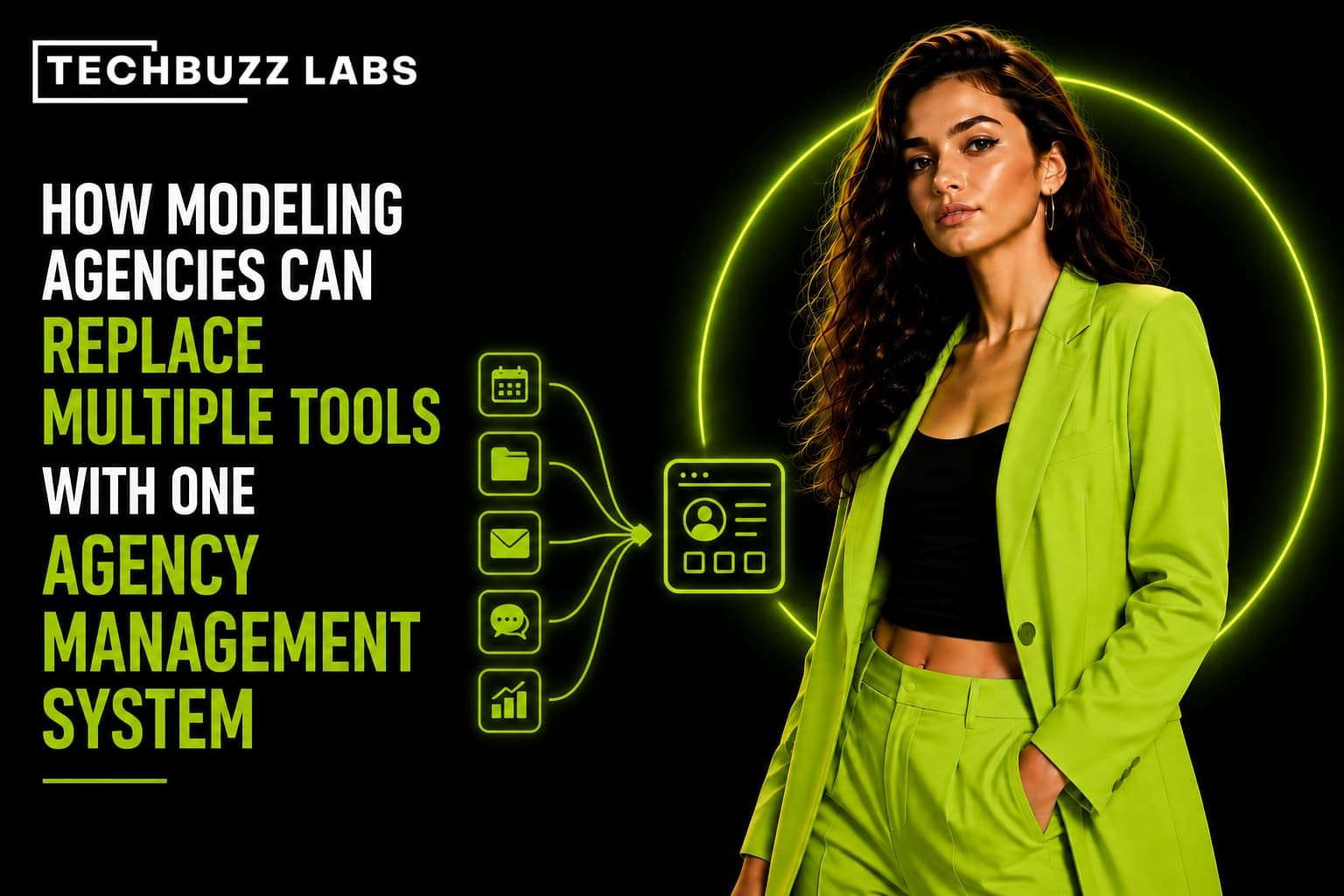
Modern modeling agencies often use several different tools to manage their daily operations. One platform may be used for model profiles, another for client communication, spreadsheets for availability, email for casting requests, and separate tools for bookings, schedules, and reporting. While this approach may work for a small agency, managing multiple disconnected systems can quickly become inefficient as the talent roster and client base grow.
For modeling agencies in the USA, especially those operating in competitive markets such as New York, Los Angeles, Miami, Chicago, and San Francisco, having an organized workflow is essential. An agency management system can bring these different processes together and give teams one centralized place to manage talent, clients, castings, and bookings.
The Problem With Using Multiple Tools
Using multiple software platforms creates more than just inconvenience. When information is spread across different systems, agency teams may have to repeatedly enter the same data or switch between applications to find important details.
For example, a model's updated availability might be stored in a spreadsheet while their portfolio is saved somewhere else. Client requests may arrive through email or messaging apps, while booking information is maintained in another system. This fragmented workflow can make it harder for agents to get a complete picture of a project.
It can also increase the risk of outdated information, missed follow-ups, scheduling conflicts, and communication gaps.
What Is an Agency Management System?
An agency management system is a centralized platform designed to connect the core operations of a modeling or talent agency. Instead of relying on several disconnected tools, agencies can manage important information and workflows through one system.
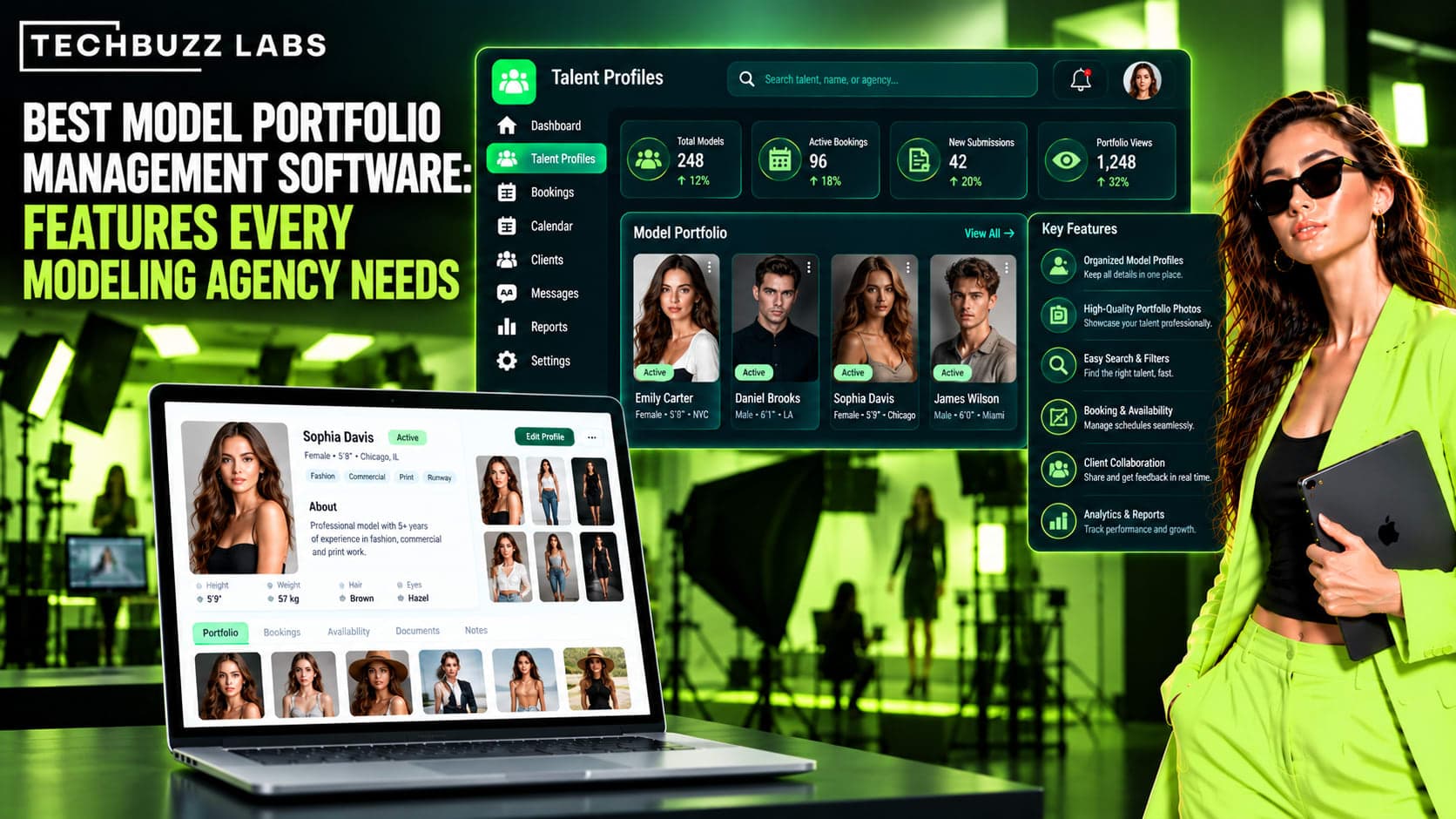
A well-designed platform can bring together model profiles, client information, casting opportunities, submissions, availability, bookings, schedules, and communication history.
Centralizing Model Profiles and Talent Data
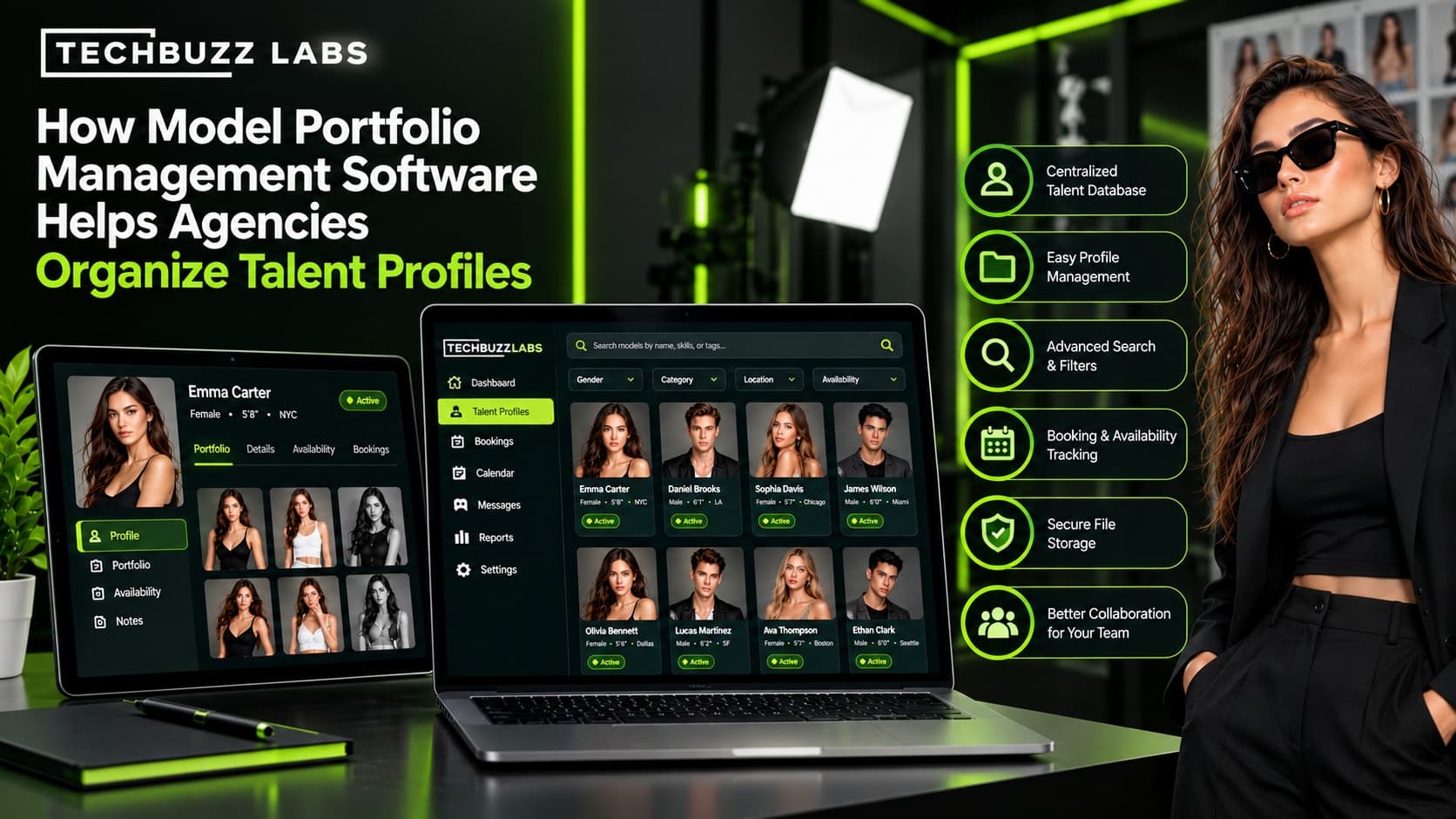
One of the biggest advantages of using an agency management system is having a centralized talent database.
Agents can maintain model profiles containing professional information, measurements, portfolio images, experience, skills, availability, and other relevant details. Instead of searching through different files or platforms, team members can access updated talent information from one location.
Advanced search and filtering can also help agents quickly identify models based on specific requirements. This becomes particularly valuable when agencies manage hundreds or thousands of talent profiles.
Connecting Casting and Submissions
Casting is another area where multiple tools can create unnecessary complexity.
An agency management system can connect casting requests with relevant talent profiles. Agents can review project requirements, search for suitable models, manage submissions, and monitor the progress of a casting from a centralized workflow.
This can help reduce the time spent moving information between spreadsheets, emails, messaging applications, and separate casting tools.
For agencies working with multiple clients and simultaneous projects, having a connected casting workflow can make it easier to track what has been submitted, which models are available, and what actions still need to be completed.
Managing Client Relationships in One Place
Client communication is a major part of modeling agency operations. Agencies may work with photographers, advertising agencies, fashion brands, production companies, retailers, and other businesses.
When client information is spread across different applications, it can be difficult for agents to understand the full history of a relationship.
A centralized agency management system can keep client profiles, requests, project information, communication records, and booking history connected. This allows agency teams to respond to client requests with better context and fewer delays.
Simplifying Availability and Bookings
Model availability can change frequently. A talent management system can make it easier for agencies to track availability and connect it with casting and booking workflows.
When a client requests a model for a specific date, agents can quickly check relevant availability before presenting suitable talent. Once a booking is confirmed, the information can remain connected to the model and project.
This reduces the need to update several separate systems every time a booking changes.
Automating Repetitive Agency Tasks
Not every agency task needs to be handled manually.
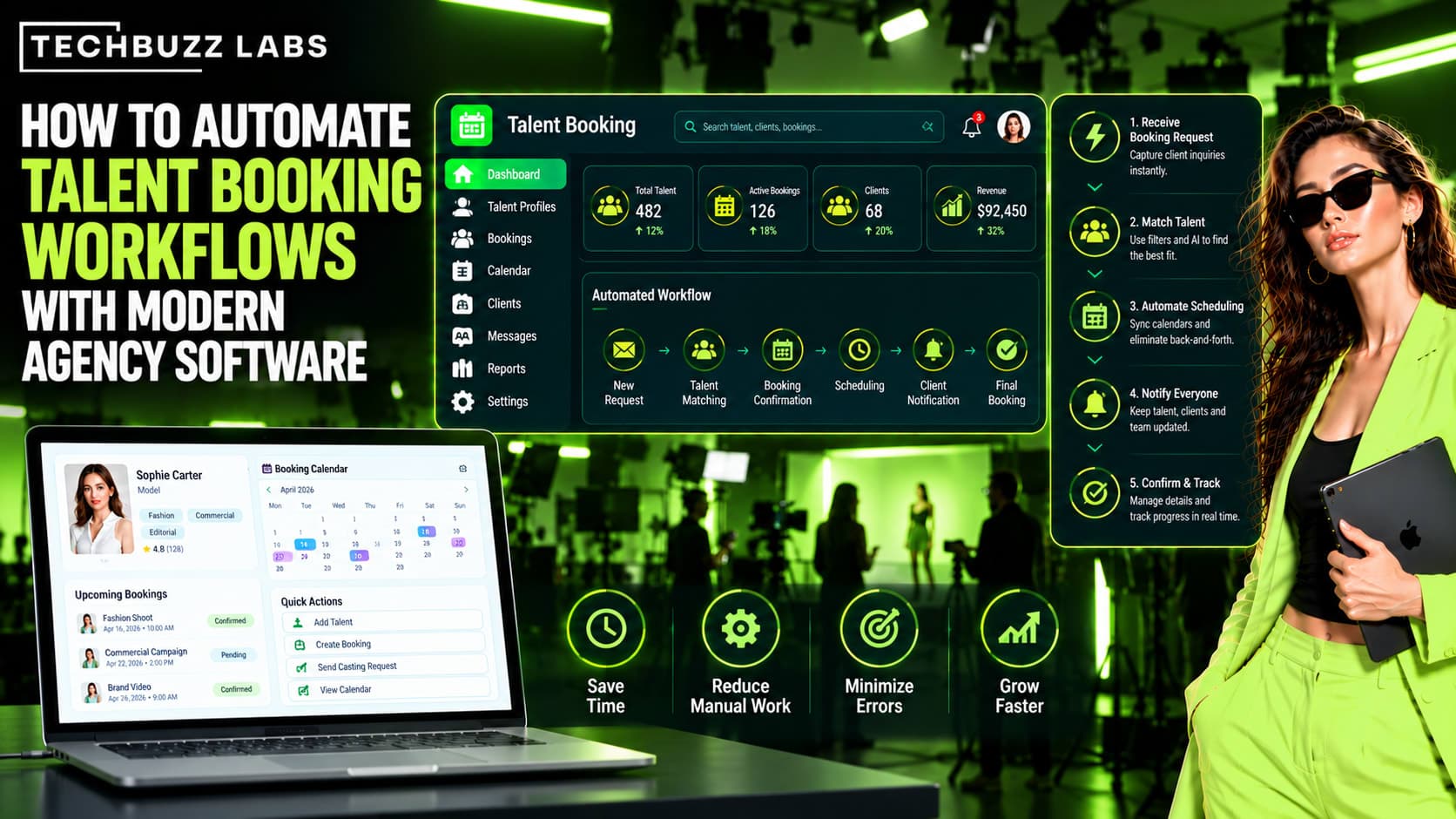
An agency management system can automate repetitive activities such as notifications, follow-ups, status updates, internal alerts, and workflow transitions. Automation allows agents to spend less time performing administrative tasks and more time working with talent and clients.
For growing agencies, even small workflow improvements can make a significant difference when repeated across hundreds of projects.
Why Customization Matters
Every modeling agency has its own way of working. A generic software platform may provide useful features, but it may not match an agency's exact workflow.
This is where custom agency management software can become valuable.
A custom system can be designed around an agency's existing processes, including its talent database, casting workflow, client management process, booking requirements, internal approvals, and reporting needs.
Instead of forcing the agency to adapt its operations to the software, the technology can be built around the agency's workflow.
How TechBuzzLabs Can Help Modeling Agencies
TechBuzzLabs focuses on building custom systems for talent and casting agencies. Rather than requiring agencies to manage separate tools for different processes, the platform approach can connect areas such as talent profiles, availability, bookings, client requests, and casting workflows within one centralized system.
For a U.S. modeling agency experiencing rapid growth, this type of customized solution can provide a more organized foundation for managing increasing amounts of talent and client data.
TechBuzzLabs can also incorporate automation and AI applications where they make sense for a specific workflow, helping agencies create technology that supports their actual business processes rather than adding another disconnected tool.
When Should a Modeling Agency Consider One Management System?
Replacing multiple tools does not necessarily mean an agency should change everything immediately. The right time to consider an agency management system is usually when existing tools begin creating operational problems.
If agents regularly switch between several platforms, duplicate information, struggle to find updated model data, miss follow-ups, or spend too much time on administrative work, a centralized system may be worth considering.
The same applies when an agency is expanding its talent roster, adding team members, working with more clients, or handling more casting and booking requests.
Conclusion
Managing a modeling agency with multiple disconnected tools can become increasingly difficult as the business grows. Separate platforms for talent profiles, casting, client communication, availability, and bookings can create unnecessary administrative work and make it harder for teams to maintain accurate information.
A centralized agency management system can connect these processes into one organized workflow. For U.S. modeling agencies looking to improve efficiency and scale their operations, replacing fragmented tools with a customized platform can provide a more practical and connected approach to agency management.
The objective is not simply to have fewer software subscriptions. It is to create one reliable system where talent, clients, castings, availability, and bookings can work together.