How Modeling Agencies Can Track Client Requests From Inquiry to Booking
Once the request arrives, an agent may need to collect project details, identify suitable talent, check availability, prepare a shortlist, send profiles to the client, and coordinate the booking.
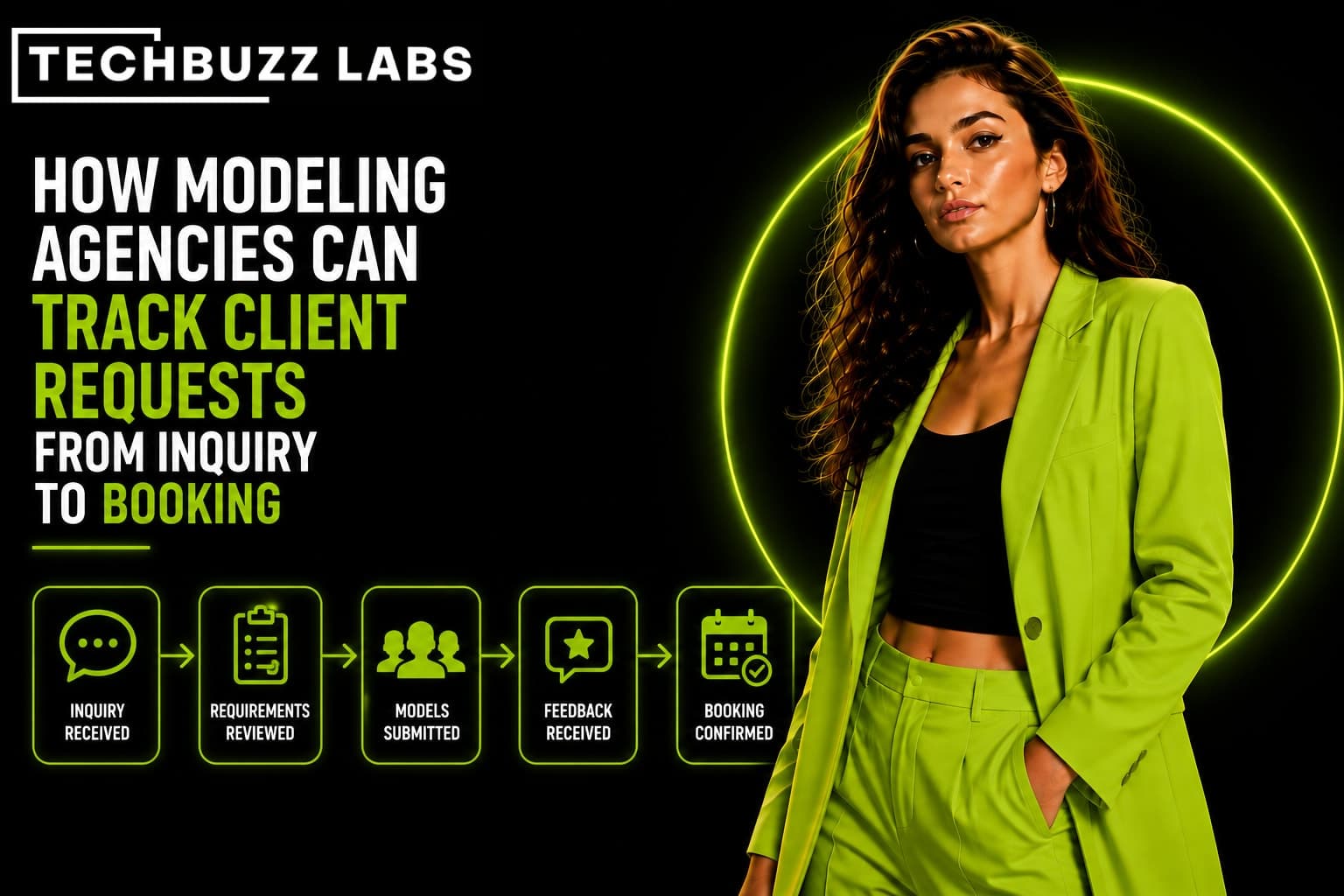
For a modeling agency, receiving a client inquiry is only the beginning of the process. A simple request can turn into model searches, availability checks, submissions, client feedback, revisions, and eventually a confirmed booking. When agencies manage these steps through scattered emails, spreadsheets, messaging apps, and separate software, it can become difficult to know exactly where each client request stands.
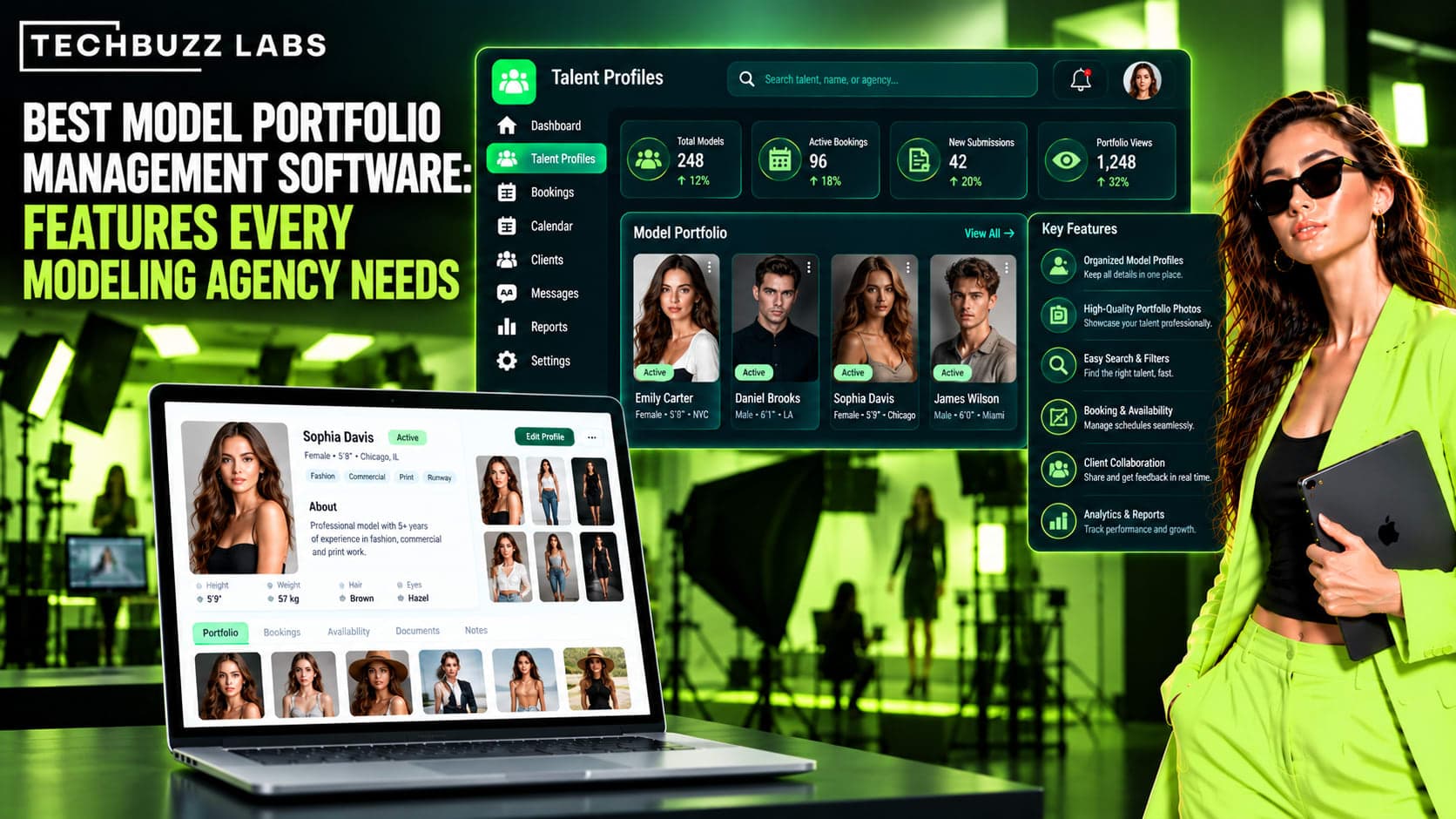
For modeling agencies in the USA, where agencies may handle multiple clients, campaigns, and talent bookings at the same time, having a structured way to track client requests can make daily operations more efficient. A centralized agency management system can help teams follow every request from the first inquiry through the final booking.
Why Tracking Client Requests Matters
Client inquiries can arrive through different channels. A fashion brand might send an email requesting models for a campaign, while an advertising agency may contact an agent about a commercial project.
Once the request arrives, an agent may need to collect project details, identify suitable talent, check availability, prepare a shortlist, send profiles to the client, and coordinate the booking.
Without a clear tracking process, requests can easily become difficult to manage. An agent may forget to follow up, another team member may not know the current status, or outdated information may be shared with the client.
Tracking each request through a defined workflow gives the agency greater visibility over its active opportunities.
Step 1: Capture the Initial Client Inquiry
The process begins by recording the client's request.
Important information may include the client name, project type, required number of models, dates, location, model requirements, usage details, budget, and other project specifications.
Instead of keeping these details only inside an email inbox, an agency management system can organize the information within a client or project record.
This gives agents a central reference point when they begin working on the request.
Step 2: Create a Casting or Project Record
Once the requirements are understood, the inquiry can be converted into a casting or project within the agency's workflow.
The project record can contain the client's requirements, deadlines, selected talent, communication history, and booking information.
This creates a connection between the client and the casting process. Agents do not have to recreate project details every time they move to another stage.
Step 3: Search for Suitable Models
After the project requirements are recorded, agents need to identify suitable talent.
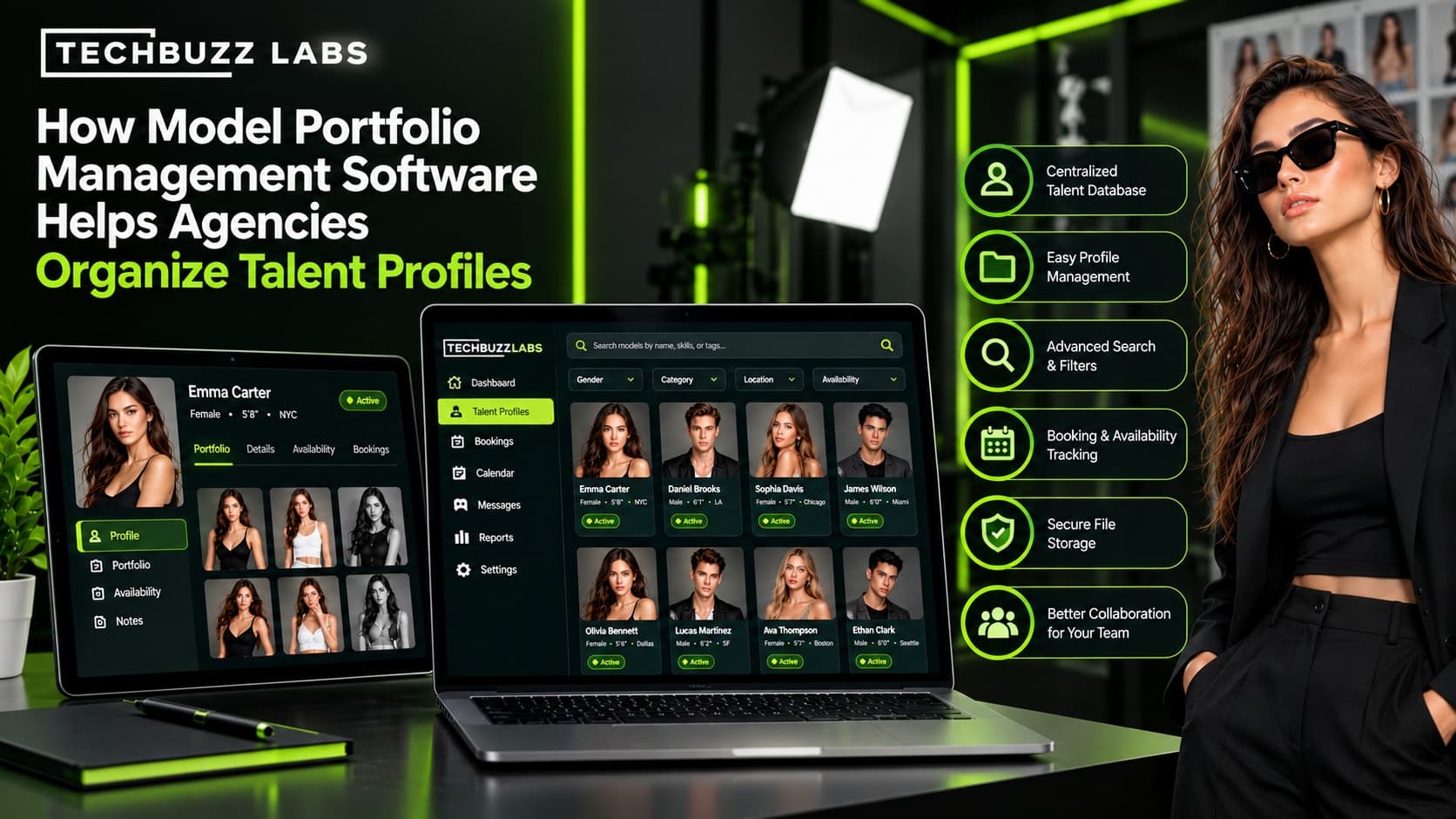
A centralized talent database can make this process easier by allowing agents to search and filter models according to relevant criteria such as experience, location, measurements, skills, portfolio information, and availability.
For agencies with large talent rosters, efficient searching can significantly reduce the time required to build a shortlist.
Step 4: Check Model Availability
Finding a suitable model is not enough. The model also needs to be available for the project.
Availability information can be connected to talent profiles and project records, allowing agents to check potential conflicts before submitting talent to the client.
Keeping availability connected to the wider workflow can reduce unnecessary communication and help prevent avoidable scheduling problems.
Step 5: Manage Client Submissions
Once suitable models have been identified, the agency can prepare a shortlist or submission for the client.
The system can track which models were submitted, when they were submitted, and the client's response.
This becomes particularly useful when several models are being considered for the same campaign. Agents can see which talent has been approved, rejected, shortlisted, or is still awaiting feedback.
Step 6: Track Client Feedback
Client feedback is an important part of the journey from inquiry to booking.
A client may request additional models, ask for updated portfolios, reject some candidates, or select specific talent for the next stage.
Keeping this information connected to the project allows agents and other team members to understand what has already happened and what needs to happen next.
It also reduces the need to search through long email conversations to understand a project's history.
Step 7: Move Approved Talent Toward Booking
When the client selects a model, the request moves from casting into the booking stage.
At this point, the agency may need to confirm dates, rates, usage requirements, location, call times, contracts, and other booking details.
A connected agency management system can help keep these details associated with the original client request and selected model.
This creates a continuous workflow instead of treating casting and booking as completely separate processes.
Step 8: Monitor the Final Booking
The final stage is the confirmed booking.
Agents should be able to see which client made the request, which talent was selected, project dates, booking status, and relevant details from the same system.
Having this information centralized can make it easier to manage changes and maintain accurate records for future reference.
Automating Follow-Ups and Status Updates
Not every part of client request management needs to be manual.
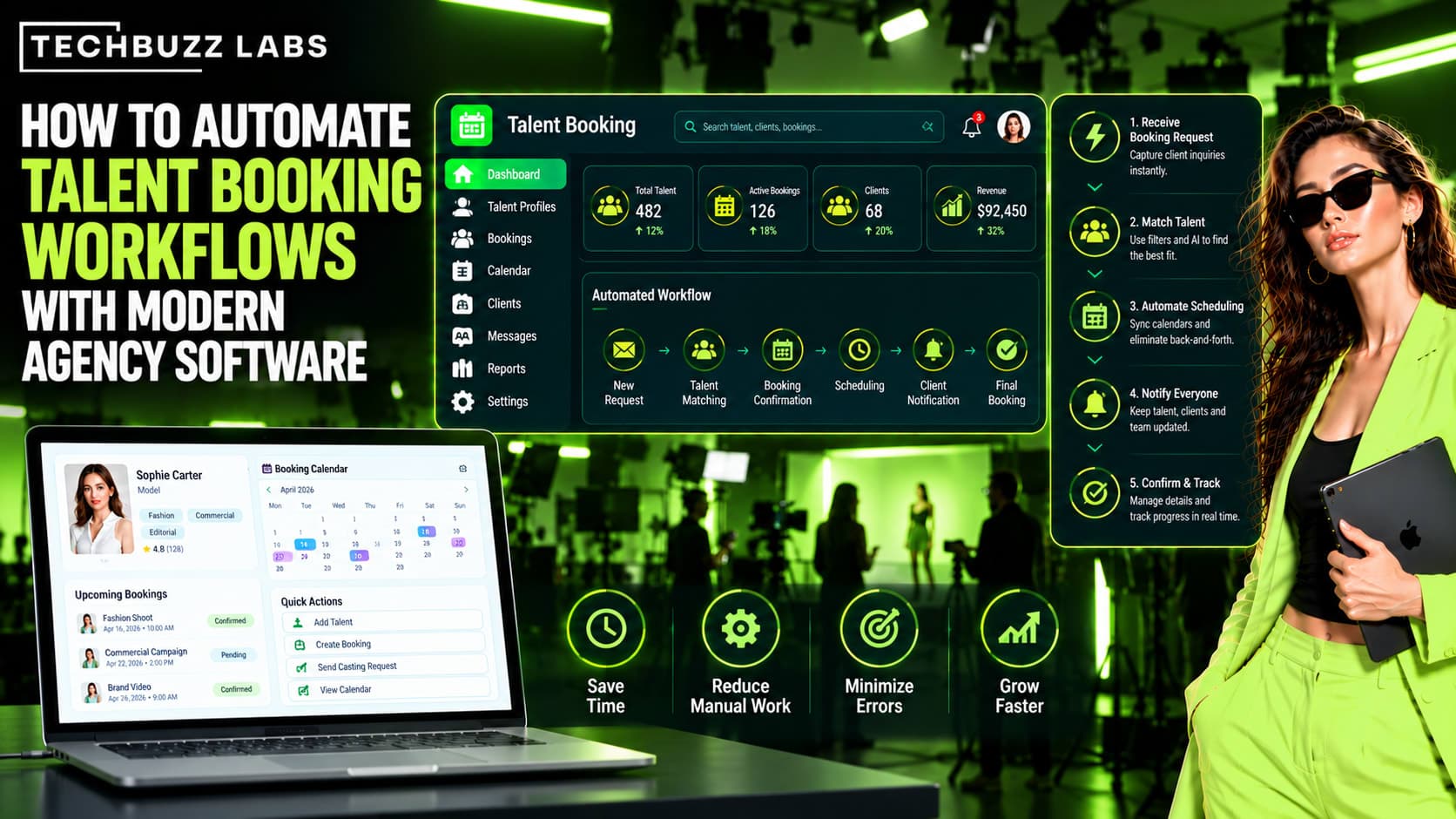
Agencies can use automation for repetitive activities such as follow-up reminders, notifications, status changes, and internal alerts.
For example, if a client has not responded to a submission after a certain period, the system could remind the responsible agent to follow up.
These small automations can help prevent opportunities from being forgotten while allowing agents to focus more on client and talent relationships.
How TechBuzzLabs Can Support the Workflow
TechBuzzLabs develops custom systems for talent and casting agencies that can connect different parts of the agency workflow.
Instead of managing client inquiries, talent profiles, availability, casting submissions, and bookings through disconnected tools, agencies can build a centralized system around their specific processes.
For U.S. modeling agencies managing growing numbers of clients and talent, this type of connected workflow can make it easier to track requests from the initial inquiry to the final booking.
The advantage of a custom system is that the workflow can be designed around how the agency actually operates. Agencies can determine which information needs to be captured, how projects move between stages, and which tasks should be automated.
Conclusion
Tracking client requests from inquiry to booking is an important part of running an organized modeling agency. Each request can involve multiple steps, team members, models, and client interactions, making visibility essential.
A centralized agency management system can connect the entire process, from capturing the initial inquiry and searching for talent to managing submissions, client feedback, availability, and final bookings.
For growing modeling agencies in the USA, replacing disconnected processes with a connected workflow can help teams respond faster, stay organized, and manage more opportunities without adding unnecessary administrative complexity.