How Small Modeling Agencies Are Losing Bookings by Managing Talent in Spreadsheets
For many small modeling and casting agencies, spreadsheets still feel like the easiest way to manage daily operations. They are familiar, simple to use, and easy to share across teams. In the beginning, this setup may seem practical.

How Small Modeling Agencies Are Losing Bookings by Managing Talent in Spreadsheets
For many small modeling and casting agencies, spreadsheets still feel like the easiest way to manage daily operations. They are familiar, simple to use, and easy to share across teams. In the beginning, this setup may seem practical.
But as agencies start growing and taking on more clients, this system quickly becomes a hidden reason behind lost bookings.
Across the USA, especially in growing creative markets like Dallas Texas, boutique agencies are facing a major challenge: outdated workflows are slowing down their ability to respond, book, and scale.
The problem is not always obvious at first.
A spreadsheet may contain talent names, contact details, measurements, availability, and client notes. On paper, that sounds organized. In reality, it often creates delays and mistakes that directly affect revenue.
One of the biggest reasons agencies lose bookings is outdated availability.
Talent schedules change quickly. A model who was free in the morning may already be booked by the afternoon. If your booking manager is relying on manually updated spreadsheets, there is always a risk that the information is no longer accurate.
Clients expect immediate responses.
Whether it is a fashion shoot, commercial ad, or brand campaign, agencies that reply first with the right talent options usually win the booking.
When your team has to open multiple sheets, check several tabs, and confirm availability manually, you lose valuable time.
That delay can send clients directly to competing agencies.
Another major issue is poor portfolio organization.
Modern clients do not just ask for names. They want quick access to headshots, previous campaigns, niche categories, measurements, and social reach.
For example, a client may specifically ask for lifestyle models, fitness influencers, or commercial faces for a Dallas based campaign.
If your team has to dig through folders and spreadsheets to find the right match, the booking process becomes inefficient.
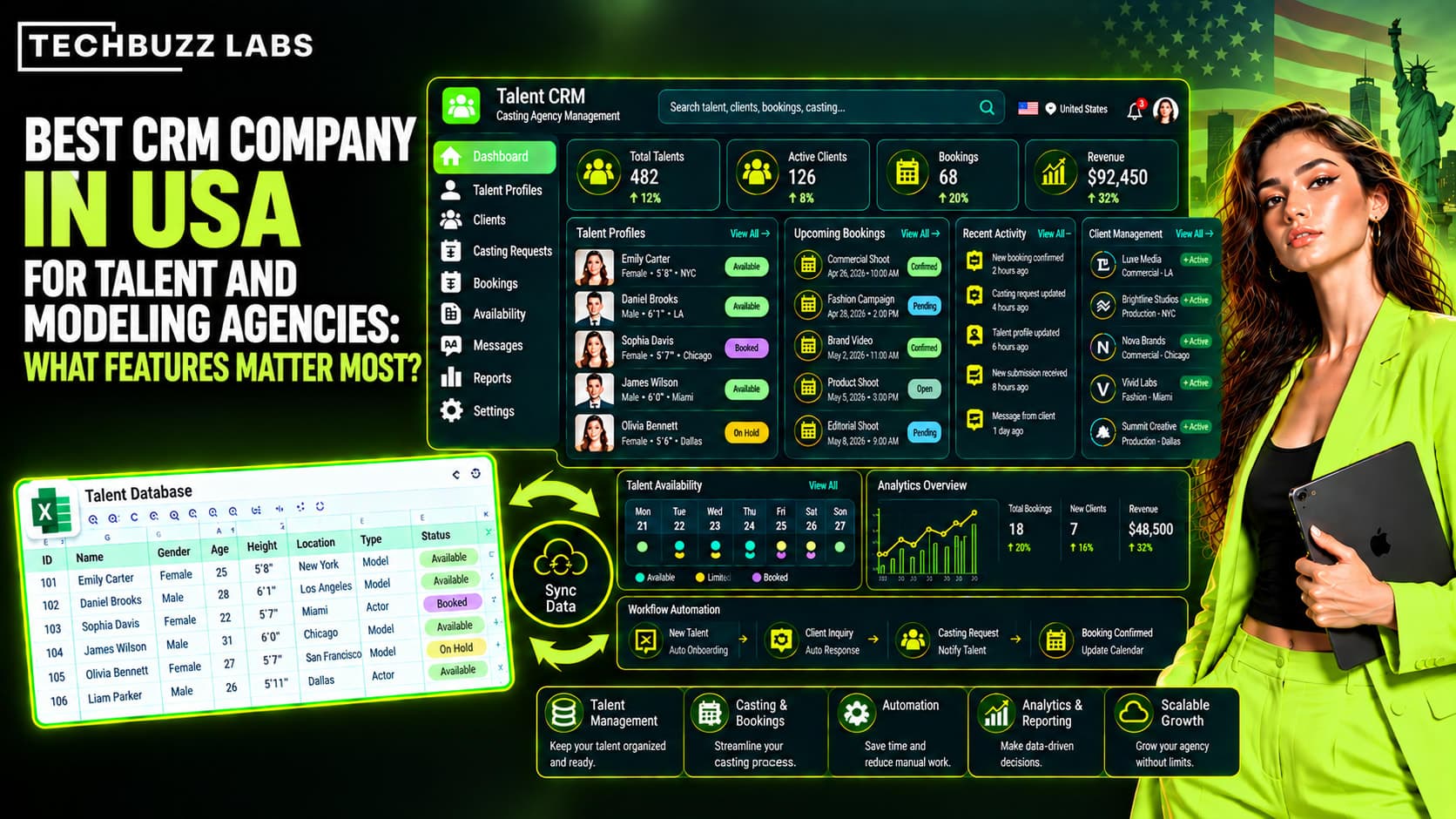
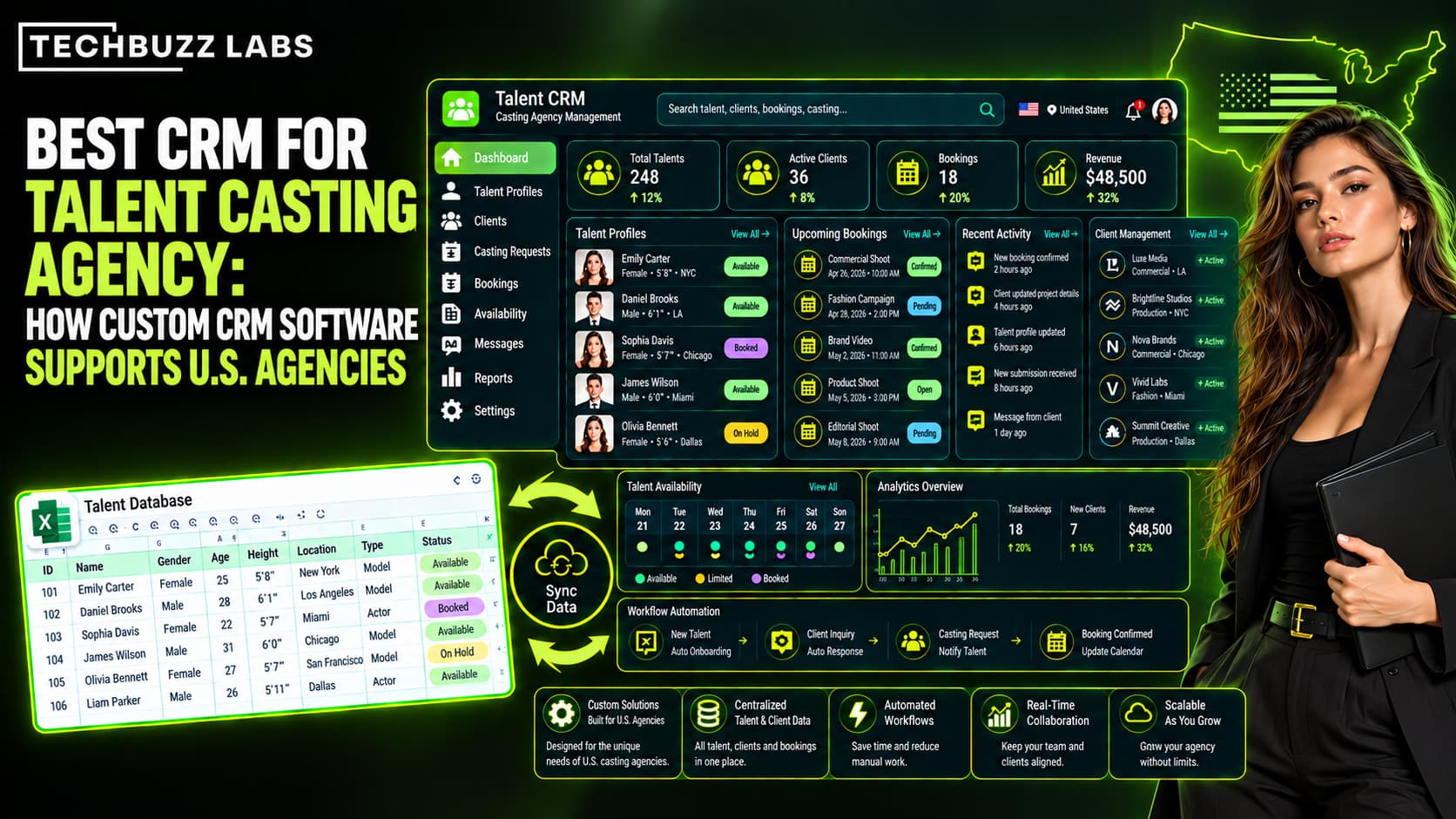
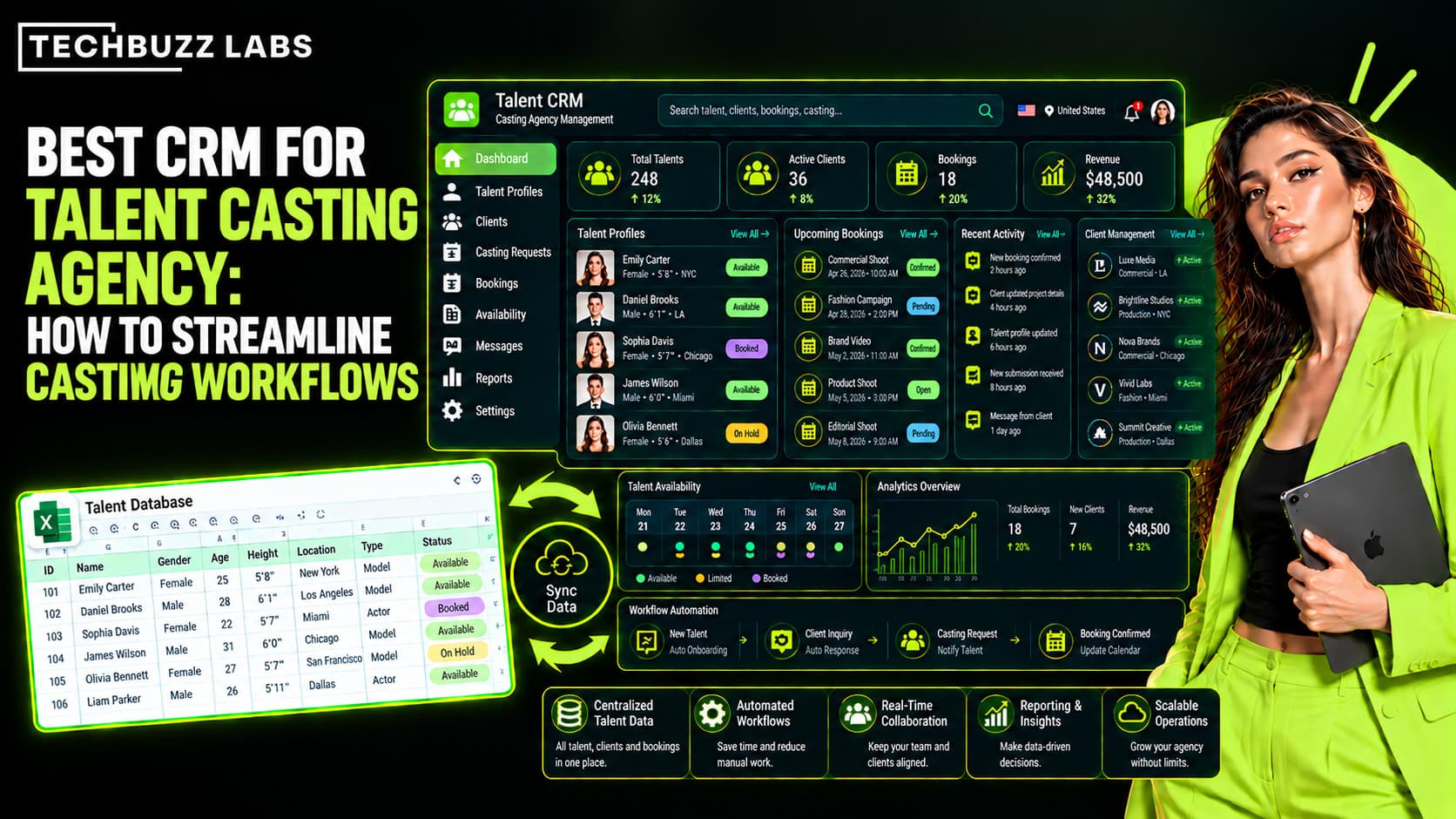
A proper talent management system allows fast search, smart filters, and centralized digital portfolios.
This makes the agency look more professional and dramatically improves response speed.
Spreadsheets also increase the risk of double bookings.
This is one of the most expensive operational mistakes for small agencies.
When multiple team members are updating data manually, scheduling conflicts become common. A model may get booked twice for overlapping time slots, or a client callback may be missed completely.
In the casting and modeling industry, reputation matters.
One bad scheduling mistake can damage trust and reduce repeat business.
Another hidden cost is poor follow up management.
Clients often require quick revisions, alternative talent suggestions, or updated availability within a short time frame.
If those conversations are being tracked across spreadsheets, email threads, and messaging apps, it becomes easy for things to slip through the cracks.
The result is simple: missed opportunities.
In 2026, agencies across the USA are moving toward talent CRM systems, casting dashboards, and workflow automation.
These tools help agencies centralize talent data, track bookings in real time, and improve client communication.
The agencies still relying on spreadsheets may believe they are saving money.
In reality, they are paying for it through lost bookings, slower operations, and lower client satisfaction.
The real cost is not the software you have not bought.
The real cost is every booking your competitor closes faster than you.