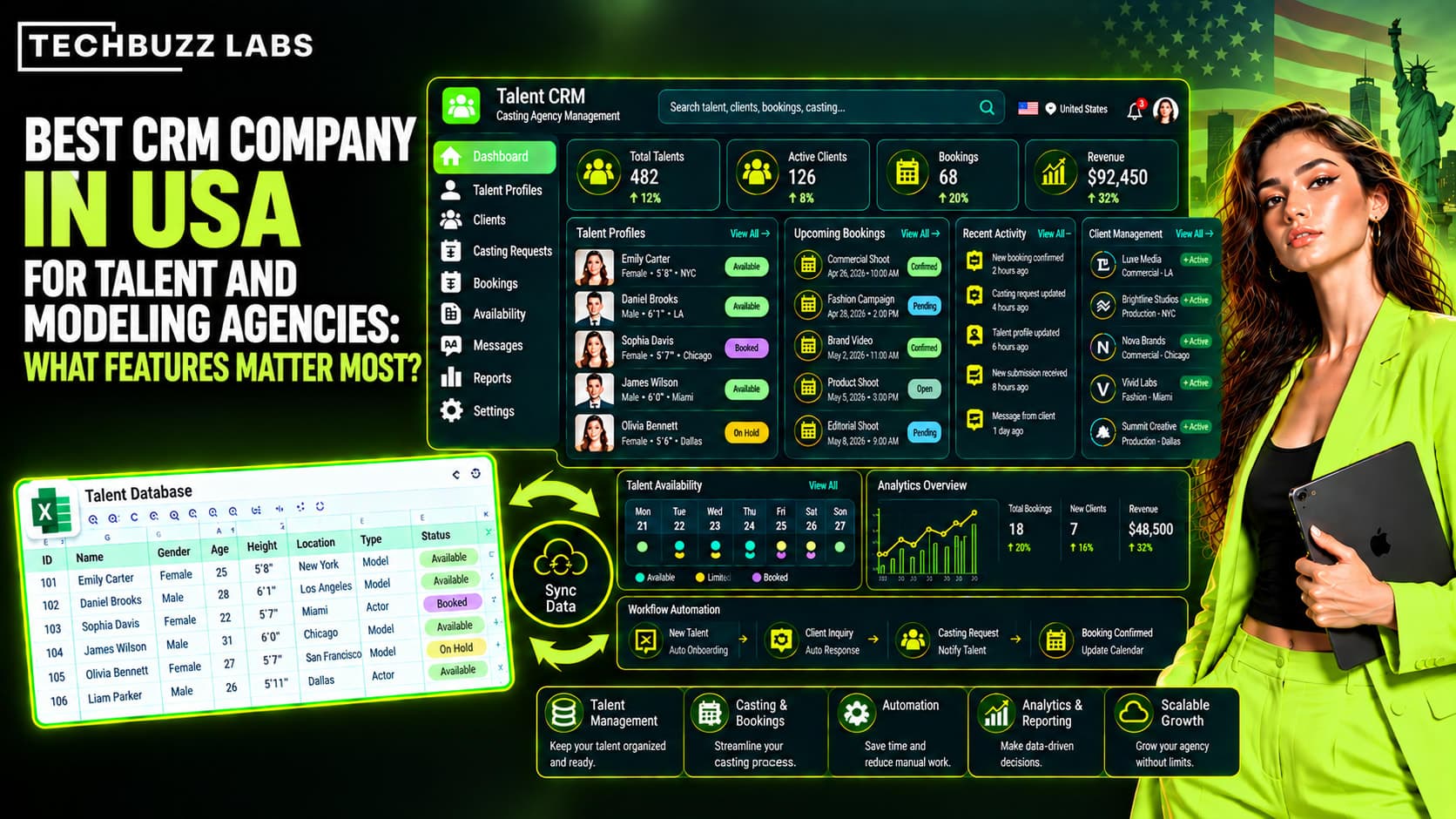
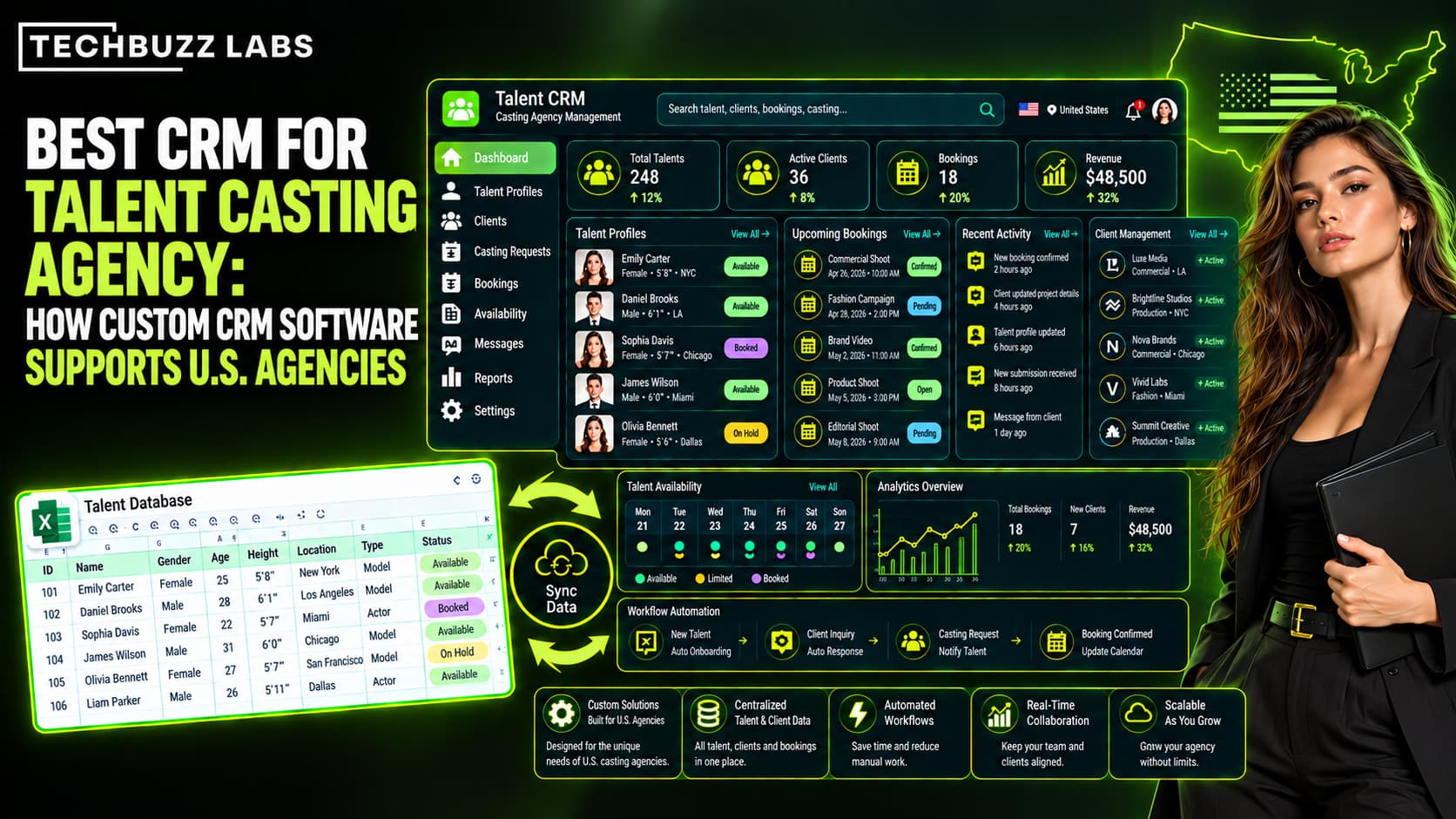
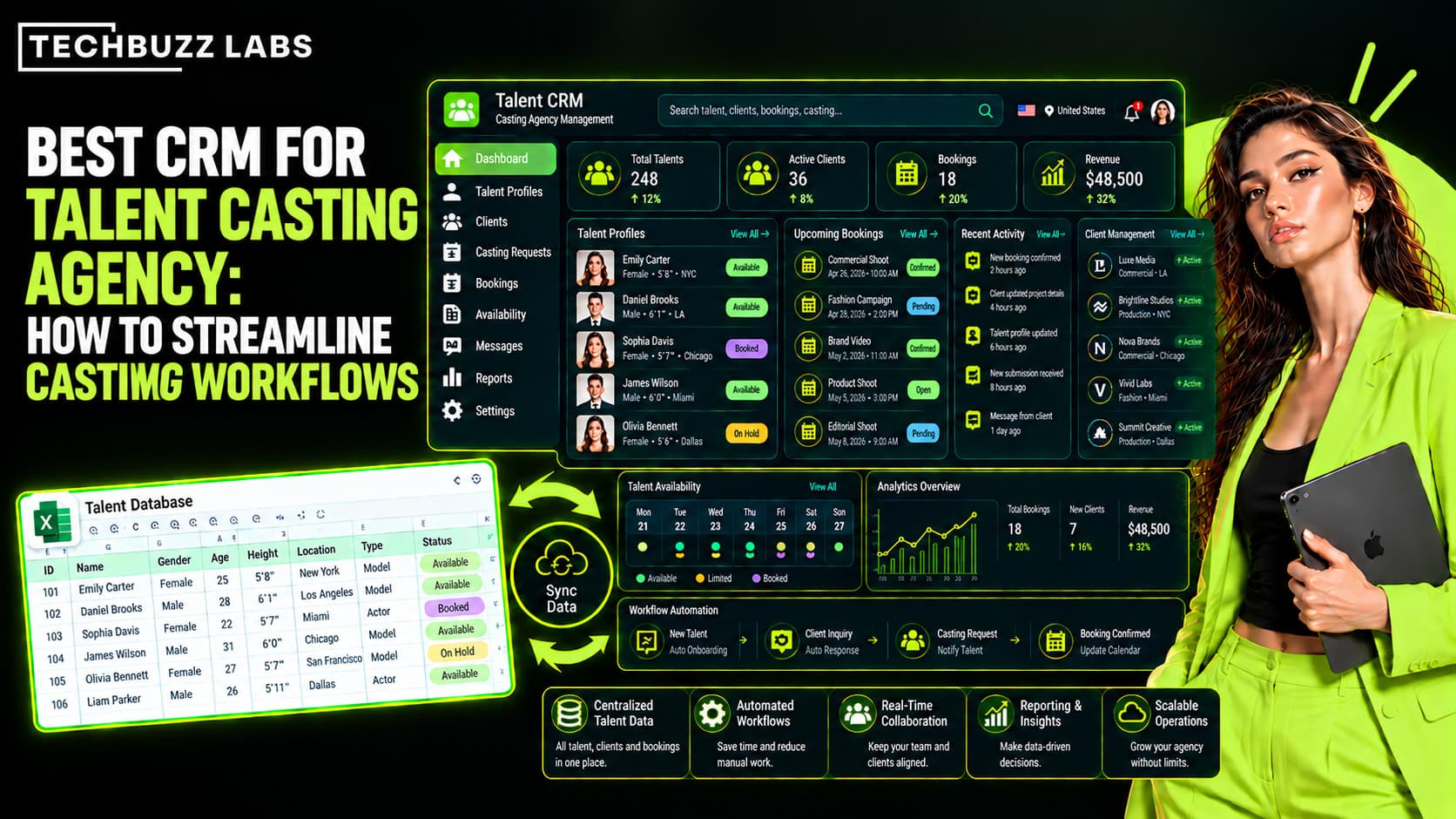
How Technology Is Changing Model Casting in 2026
Traditionally, casting could involve physical portfolios, in-person appointments, phone calls, printed documents, and large amounts of administrative work. Today, much of this process can happen digitally.
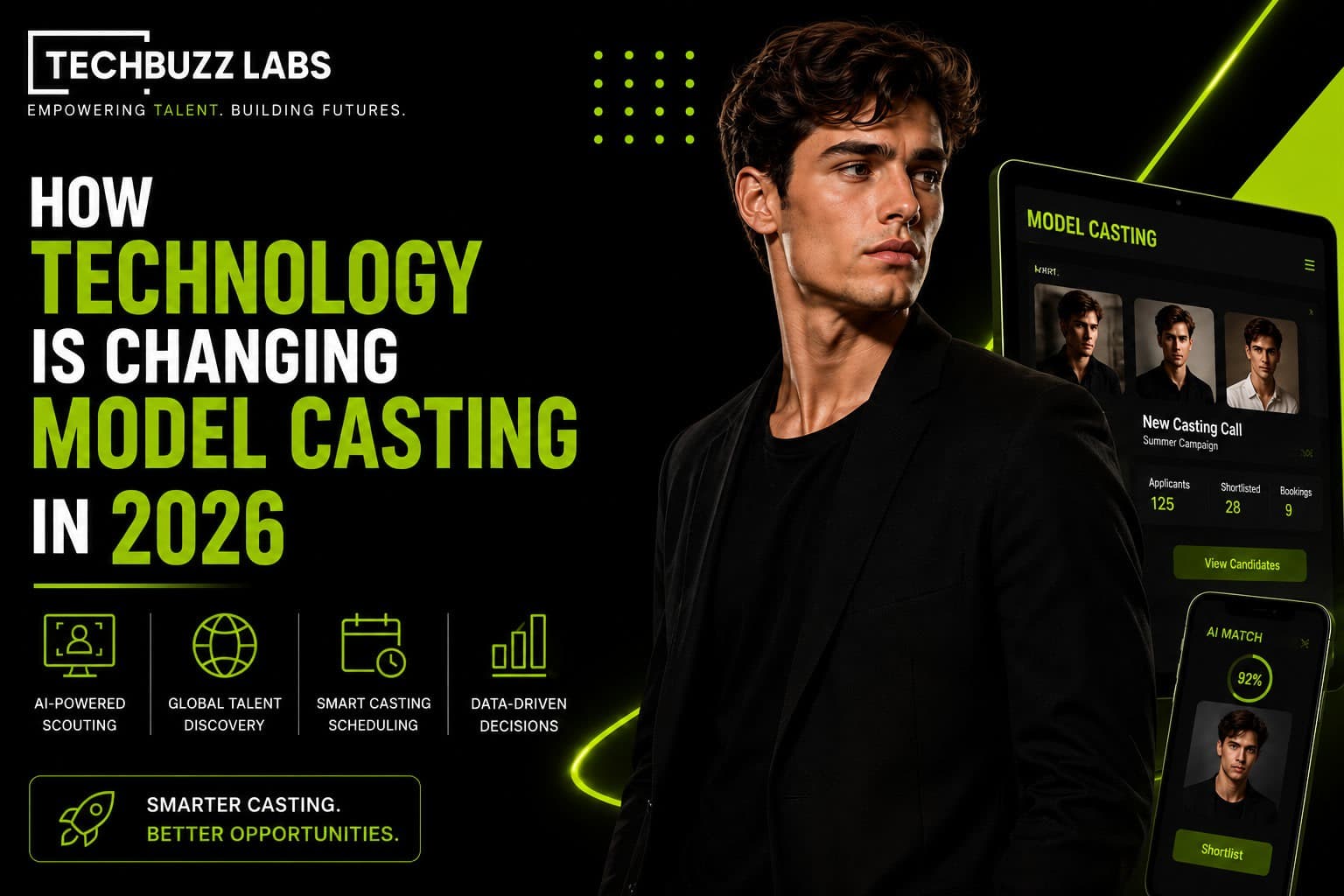
Technology is transforming the modeling industry in ways that were difficult to imagine just a few years ago. In 2026, modeling agencies, casting directors, brands, and talent are increasingly using digital tools to make the casting process faster, more organized, and accessible. From digital portfolios and online submissions to artificial intelligence and casting management platforms, technology is changing how models are discovered and selected.
For modeling agencies in the USA, these changes are particularly important. Major markets such as New York, Los Angeles, Miami, Chicago, and San Francisco handle large numbers of models and casting opportunities, making efficient technology increasingly valuable. TechBuzzLabs recognizes the growing role of technology in modern modeling operations and how digital solutions can help agencies improve their workflows.
What Is Model Casting?
Model casting is the process of finding and selecting models for a specific project. A casting may be organized for a fashion campaign, runway show, magazine editorial, e-commerce shoot, beauty advertisement, lifestyle campaign, or commercial production.
Technology allows agencies and casting teams to review talent, communicate with models, organize requirements, and manage selections from centralized platforms.
Digital Model Portfolios
One of the biggest changes in model casting is the move from physical portfolios to digital portfolios.
Models can now maintain online profiles containing professional photographs, measurements, experience, skills, locations, and other relevant information. Agencies and clients can access these profiles quickly when searching for talent.
Digital portfolios also make it easier for models to update their information. New photographs or experience can be added without having to recreate an entire physical portfolio.
For agencies, this means talent information can remain more organized and accessible during fast-moving casting projects.
Online Casting Submissions
Online submissions have made it easier for models to apply for opportunities without always attending an initial in-person casting.
Agencies and brands can create digital casting forms where models submit photographs, measurements, contact information, social media profiles, and other required details.
This can be particularly useful for projects involving talent from multiple cities or states. A brand in Los Angeles, for example, can potentially review submissions from models across the United States without requiring everyone to travel for an initial screening.
Casting Management Software
As agencies handle more digital submissions, organizing the information becomes increasingly important. This is where casting management software can help.
A dedicated platform can allow agencies to create casting calls, organize model profiles, filter talent, track submissions, communicate with models, and monitor casting progress.
Instead of maintaining separate spreadsheets and email threads, agencies can manage important casting information through a centralized system.
For growing modeling agencies, this can reduce administrative work and make it easier to handle multiple projects simultaneously.
Artificial Intelligence and Model Discovery
Artificial intelligence is also becoming part of the broader digital transformation of talent management. AI-powered tools can assist with organizing large databases, searching records, categorizing information, and identifying models based on predefined requirements.
For example, an agency may need talent in a particular location with specific experience and availability. Technology can help narrow a large database to profiles that match those criteria.
However, AI should generally be viewed as a support tool rather than a replacement for professional casting judgment. Human casting directors still play an important role in evaluating personality, presence, suitability, and the creative requirements of a project.
Virtual Castings and Video Auditions
Video technology has made remote casting more practical. Models can participate in virtual interviews, video auditions, and digital meetings without traveling to a casting location.
This can benefit both agencies and models. Agencies can save time when conducting initial evaluations, while models can potentially access opportunities outside their immediate geographic area.
Virtual casting does not necessarily replace physical auditions. Instead, it can provide an additional stage in the selection process before an in-person meeting is required.
Better Model-Client Matching
Technology can also improve how agencies match models with clients.
Modern databases can organize information such as location, measurements, experience, modeling category, availability, portfolio images, and previous bookings.
Agents can use filters to identify suitable candidates based on the requirements of a particular project.
This can make the process more efficient while allowing agencies to respond to client requests more quickly.
Automated Communication
Casting often involves communication with dozens or hundreds of models. Sending individual emails and updates manually can take considerable time.
Modern platforms can help automate certain communications, such as casting invitations, reminders, status updates, and scheduling notifications.
Automation can reduce repetitive administrative work while helping models receive important information on time.
However, personalized communication remains important for maintaining strong relationships between agencies and talent.
Data and Analytics
Another advantage of technology is access to better data.
Agencies can use digital systems to track casting activity, booking rates, client relationships, and talent performance. These insights can help agency managers understand which types of projects generate the most opportunities and where improvements may be needed.
Data-driven decision-making can be especially useful for growing U.S. agencies that manage large talent databases.
Technology Is Not Replacing Human Creativity
Although technology is changing model casting, the human element remains essential.
Modeling involves more than matching measurements or photographs to a project. Casting teams consider personality, confidence, expressions, movement, professionalism, and whether a model fits the creative vision of a campaign.
Technology can make information easier to access and processes easier to manage, but experienced professionals still provide the creative judgment necessary for successful casting.
The Role of TechBuzzLabs in a Digital Modeling Industry
As modeling agencies continue adopting digital solutions, businesses need to understand how technology can improve everyday operations.
TechBuzzLabs focuses on the intersection of technology and the modeling industry, where tools such as CRM platforms, casting management software, and model management systems can help agencies organize their workflows.
For agencies looking to modernize their operations, understanding these technologies can be an important step toward building a more efficient and scalable business.
Conclusion
Technology is changing model casting in 2026 by making talent discovery, submissions, communication, scheduling, and model management more digital and efficient.
Digital portfolios, online submissions, virtual castings, AI-assisted organization, casting management software, and automated communication are helping modeling agencies manage increasingly complex workflows.
For modeling agencies in the USA, adopting the right technology can reduce administrative work and make it easier to connect models with suitable opportunities. However, technology works best when combined with human creativity, professional judgment, and strong relationships.
As the modeling industry continues to evolve, agencies that successfully combine technology with experienced casting expertise can create faster, smarter, and more organized casting processes.