How We Built a Talent CRM for a Modeling Agency in 4 Weeks on Bubble.io
In 2026, modeling and casting agencies across the United States are shifting away from spreadsheets and manual workflows toward centralized digital systems.
In 2026, modeling and casting agencies across the United States are shifting away from spreadsheets and manual workflows toward centralized digital systems. The need for speed, organization, and client satisfaction has made talent CRM platforms essential for agencies that want to compete at a higher level.
This case study explains how we built a fully functional talent CRM for a boutique modeling agency in just four weeks using Bubble.io.
The client came to us with a common problem. Their entire operation was spread across spreadsheets, messaging apps, and email threads. Talent data was difficult to manage. Booking coordination was slow. Client communication lacked structure. As the agency started growing, these issues became more visible and more costly.
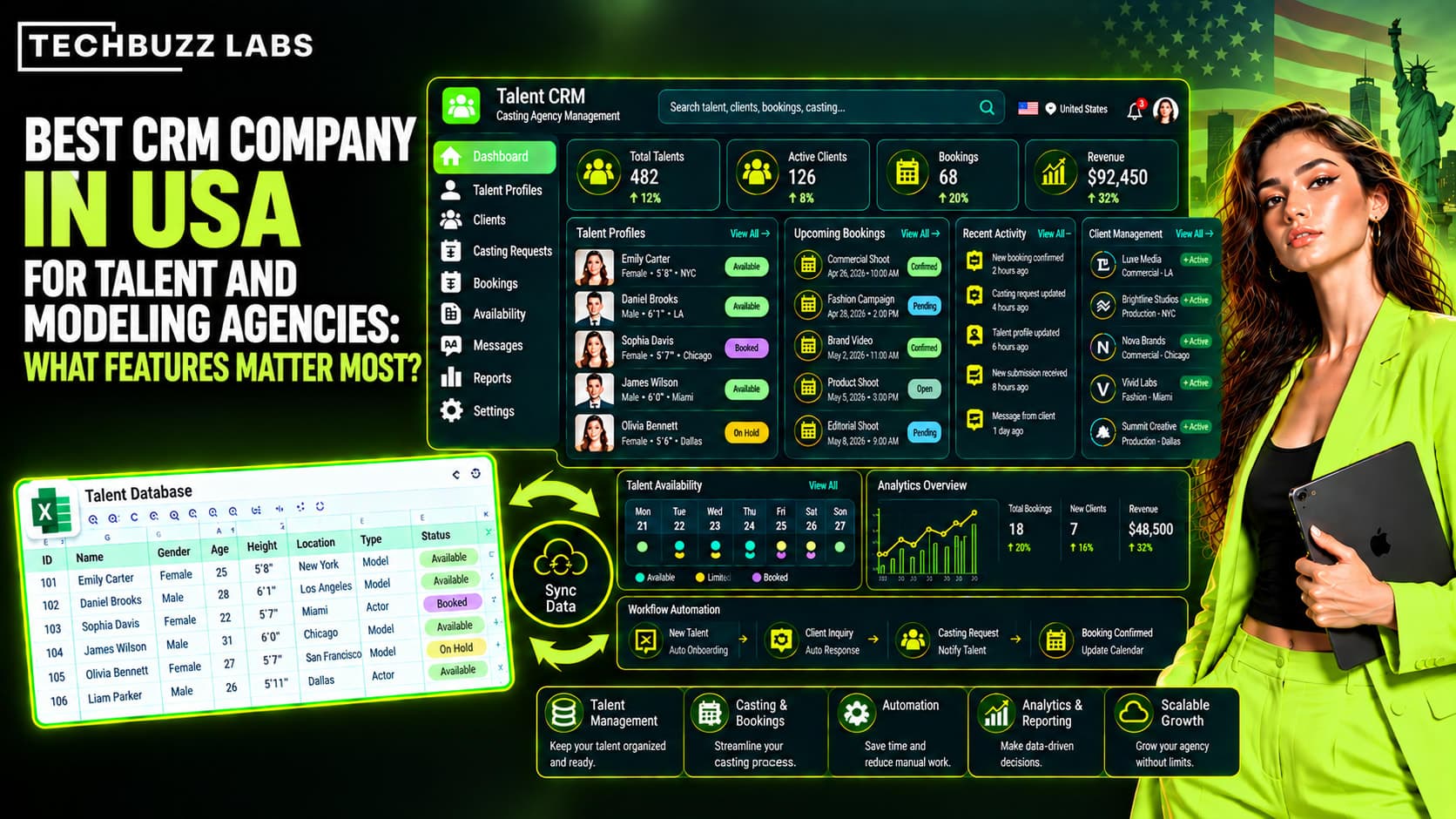
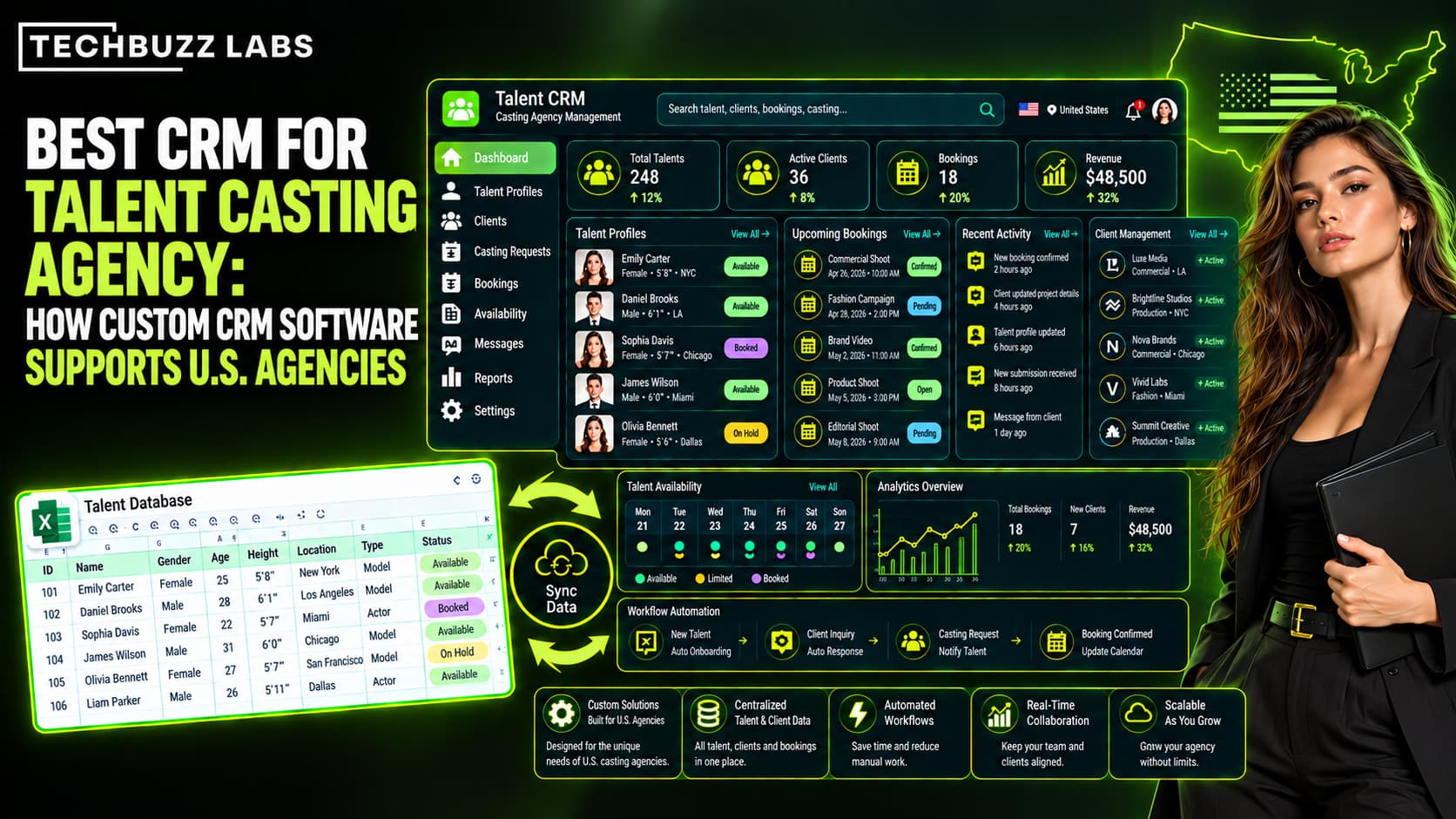
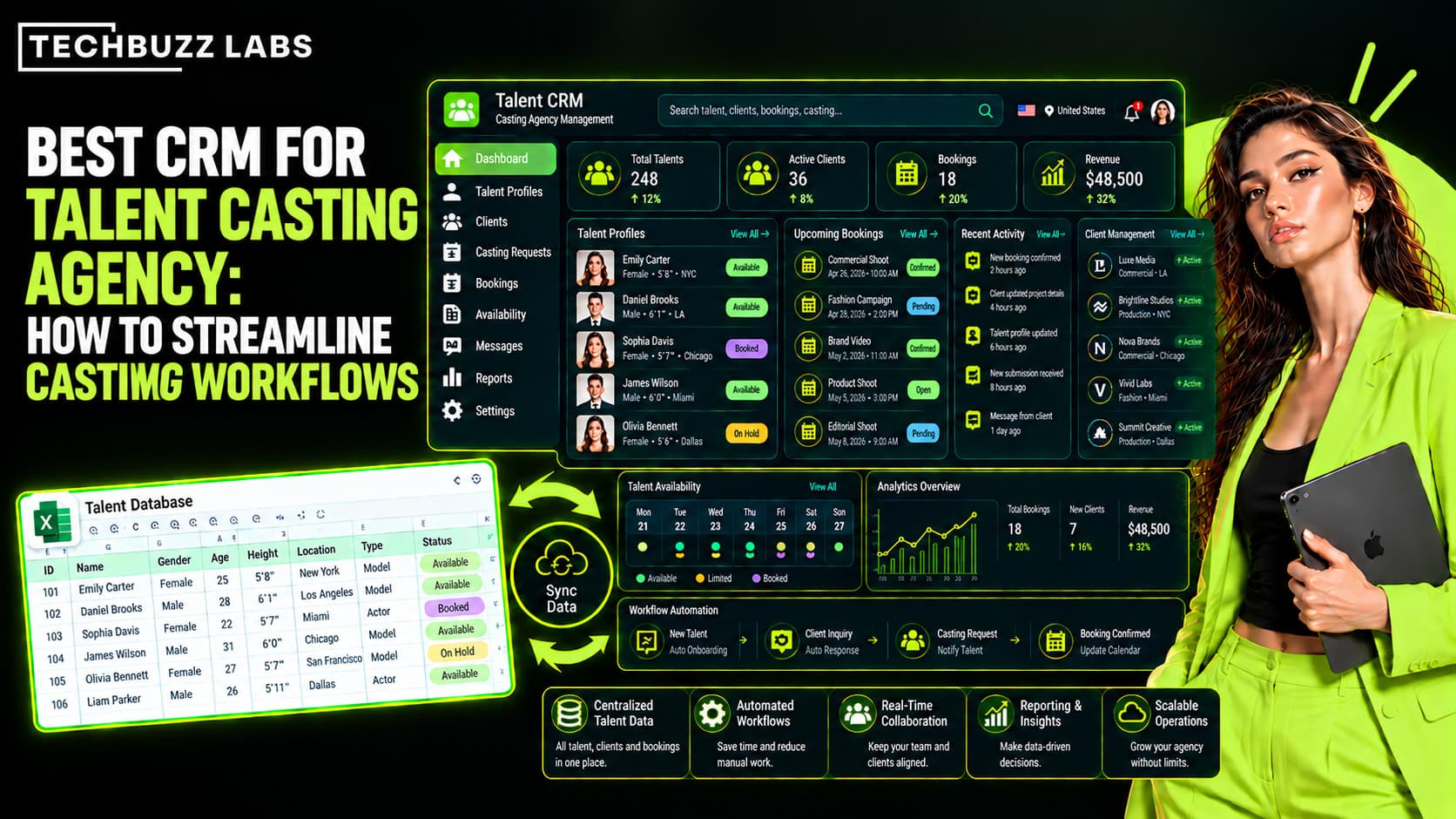
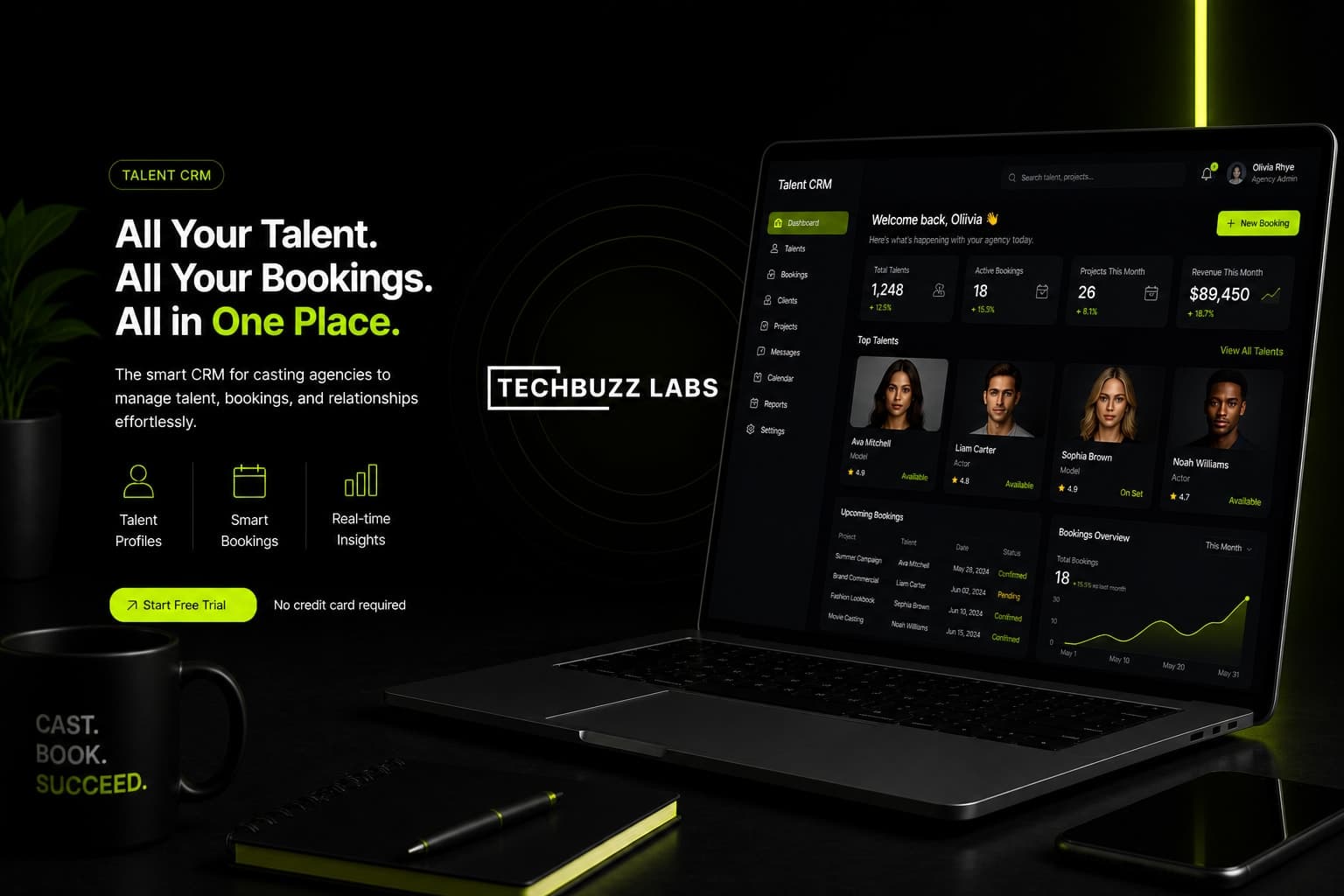
The goal was clear. Build a centralized system that could store talent profiles, track availability, manage bookings, and improve internal workflow.
Week one focused on planning and system design. We mapped out user roles, including admin, booking managers, and internal team members. We defined how talent profiles would be stored, how availability would be updated, and how bookings would move through different stages.
Week two was dedicated to building the core database and interface. Using Bubble, we created structured talent profiles with fields for measurements, experience, portfolio links, and availability. We also built search filters that allowed the team to quickly find the right talent based on client requirements.
Week three focused on workflow automation. We added booking request forms, status tracking, and notification systems. This allowed the agency to manage casting requests more efficiently and reduce manual communication.
Week four was testing and optimization. The team used the system in real scenarios, and we refined the interface based on feedback. We improved usability, speed, and data visibility.
By the end of the fourth week, the agency had a working talent CRM that replaced multiple tools with one platform.
The impact was immediate. Response time improved. Booking errors decreased. Client experience became more professional.
This case study highlights an important trend in the USA agency market. No code platforms like Bubble are enabling agencies to build custom systems quickly without large development budgets.
The real advantage is not just speed. It is control. Agencies can build tools that match their exact workflow instead of adjusting to generic software.
In 2026, agencies that invest in custom workflow systems are the ones that scale faster and serve clients better.