What a Modern Talent Agency CRM Should Actually Do (Most Do Not Have Half of This)
In 2026, talent agencies across the United States are operating in a faster and more competitive environment than ever before.
In 2026, talent agencies across the United States are operating in a faster and more competitive environment than ever before. Clients expect quick responses, accurate shortlists, and seamless communication. Models expect organized bookings, transparency, and professional management.
Yet many agencies are still using outdated CRM systems that were never designed for modern talent operations.
A true talent agency CRM should do much more than store contact information.
It should function as the operational center of the entire agency.
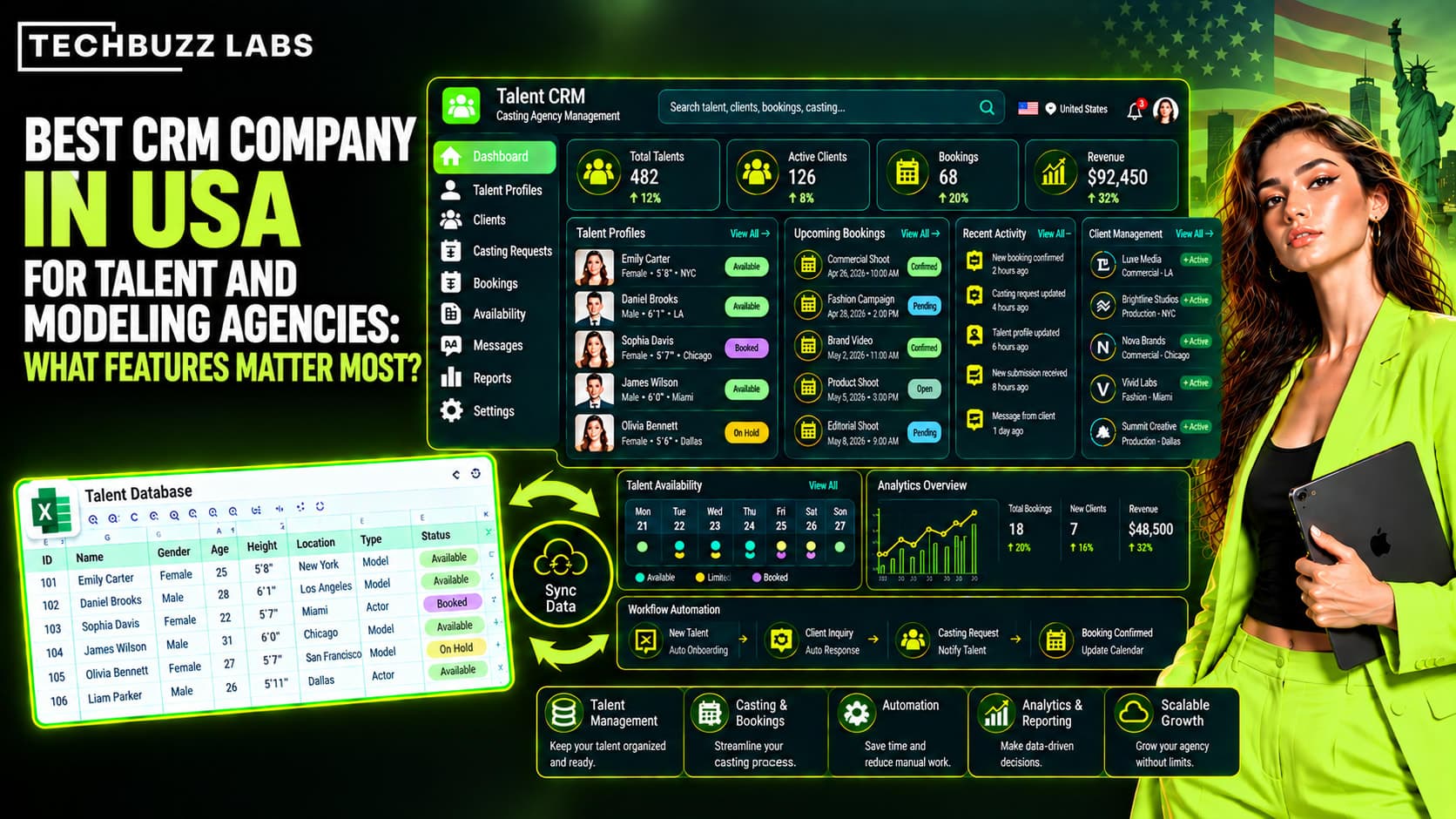
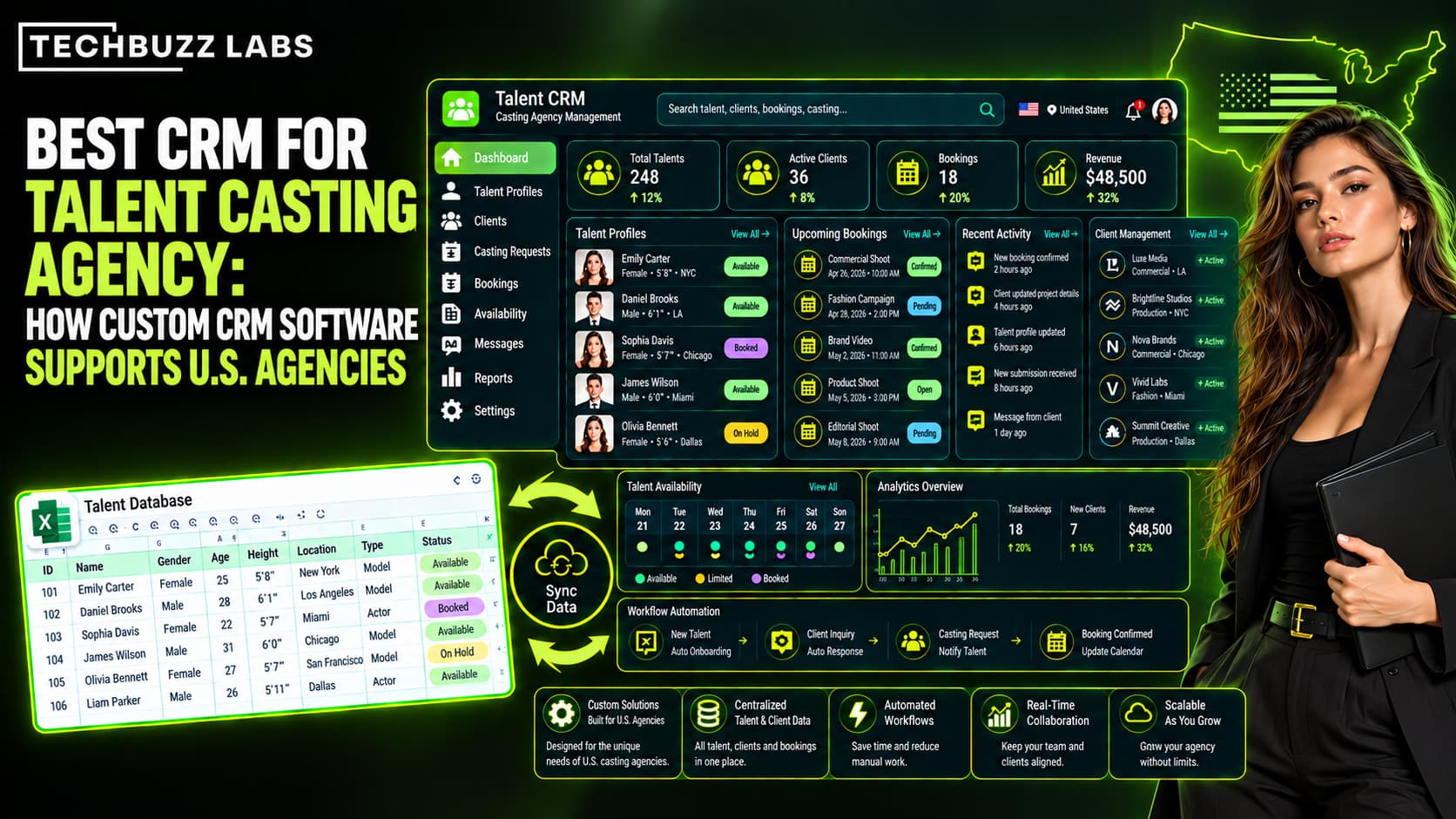
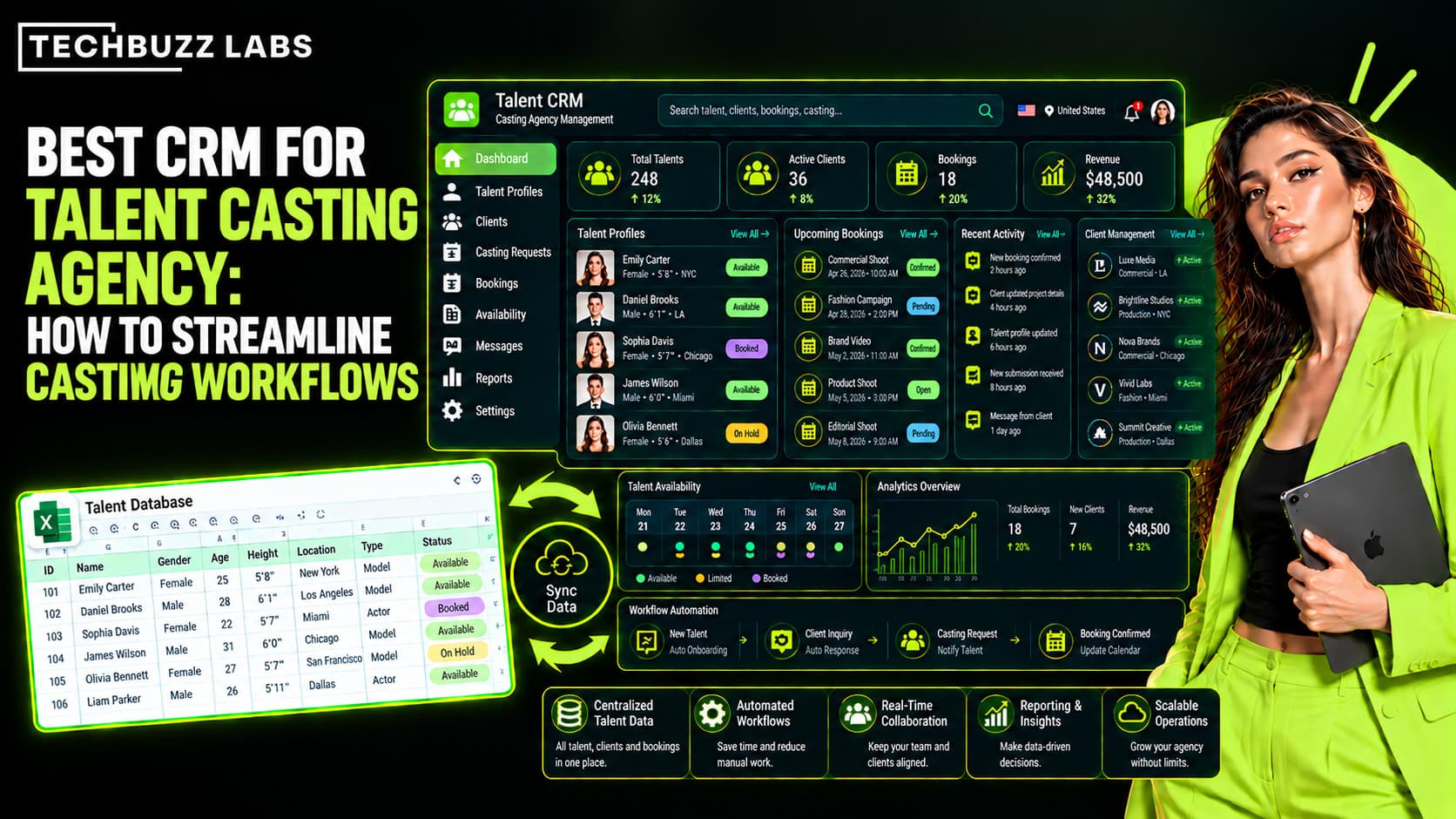
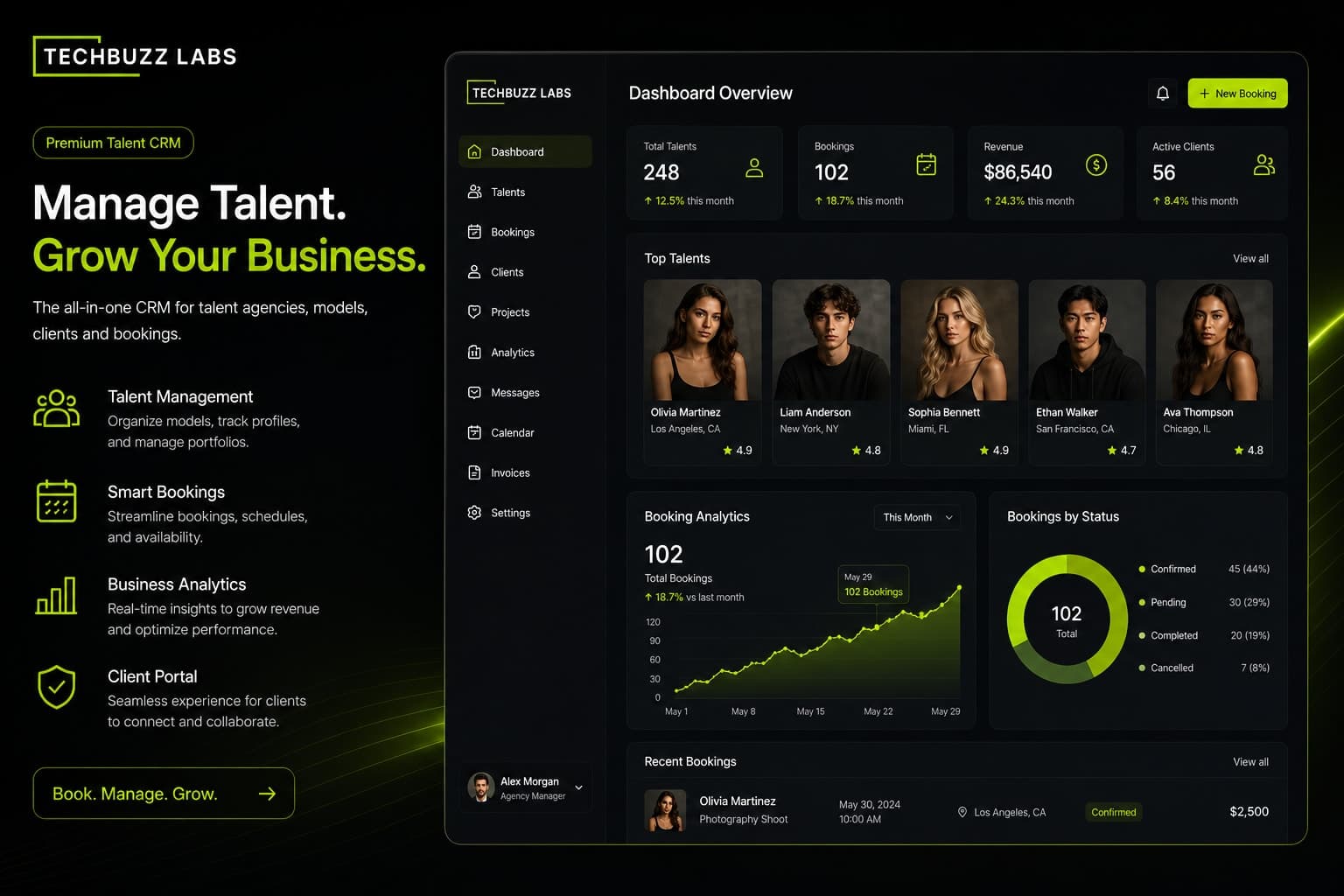
The first feature every modern CRM needs is advanced talent management.
Agencies should be able to organize profiles using measurements, experience, portfolio links, social media metrics, location, availability, and booking history. Search functionality should allow teams to filter talent instantly based on client requirements.
The second feature is workflow automation.
Most agencies waste hours manually sending updates, confirming bookings, and tracking submissions. A modern CRM automates repetitive tasks and keeps workflows moving efficiently.
The third feature is client collaboration.
Clients today expect speed and transparency. A strong CRM should include client portals where brands and casting directors can review talent, approve shortlists, and track project progress.
The fourth feature is self tape management.
With self tape submissions now standard across the USA casting industry, agencies need systems that organize videos, tag submissions, and allow quick review.
The fifth feature is analytics.
Modern agencies rely on data. A CRM should provide insights into booking trends, talent performance, and client activity.
Another critical feature is mobile accessibility.
Agency teams work remotely, attend shoots, and manage bookings on the move. Accessing the system from any device is now essential.
The biggest problem with generic CRMs is that they are not built for the talent industry.
Agencies often end up adjusting their workflow to fit the software instead of the other way around.
In 2026, the agencies that grow fastest are using systems designed around their real operations.
A CRM is no longer just a database.
It is the engine behind modern talent management.