What Is Vibe Coding and Does It Actually Replace Developers in 2026?
One of the biggest trending terms in tech and startup communities in 2026 is vibe coding. Across the USA founder ecosystem, this phrase is rapidly gaining attention. But what does it actually mean?
One of the biggest trending terms in tech and startup communities in 2026 is vibe coding.
Across the USA founder ecosystem, this phrase is rapidly gaining attention.
But what does it actually mean?
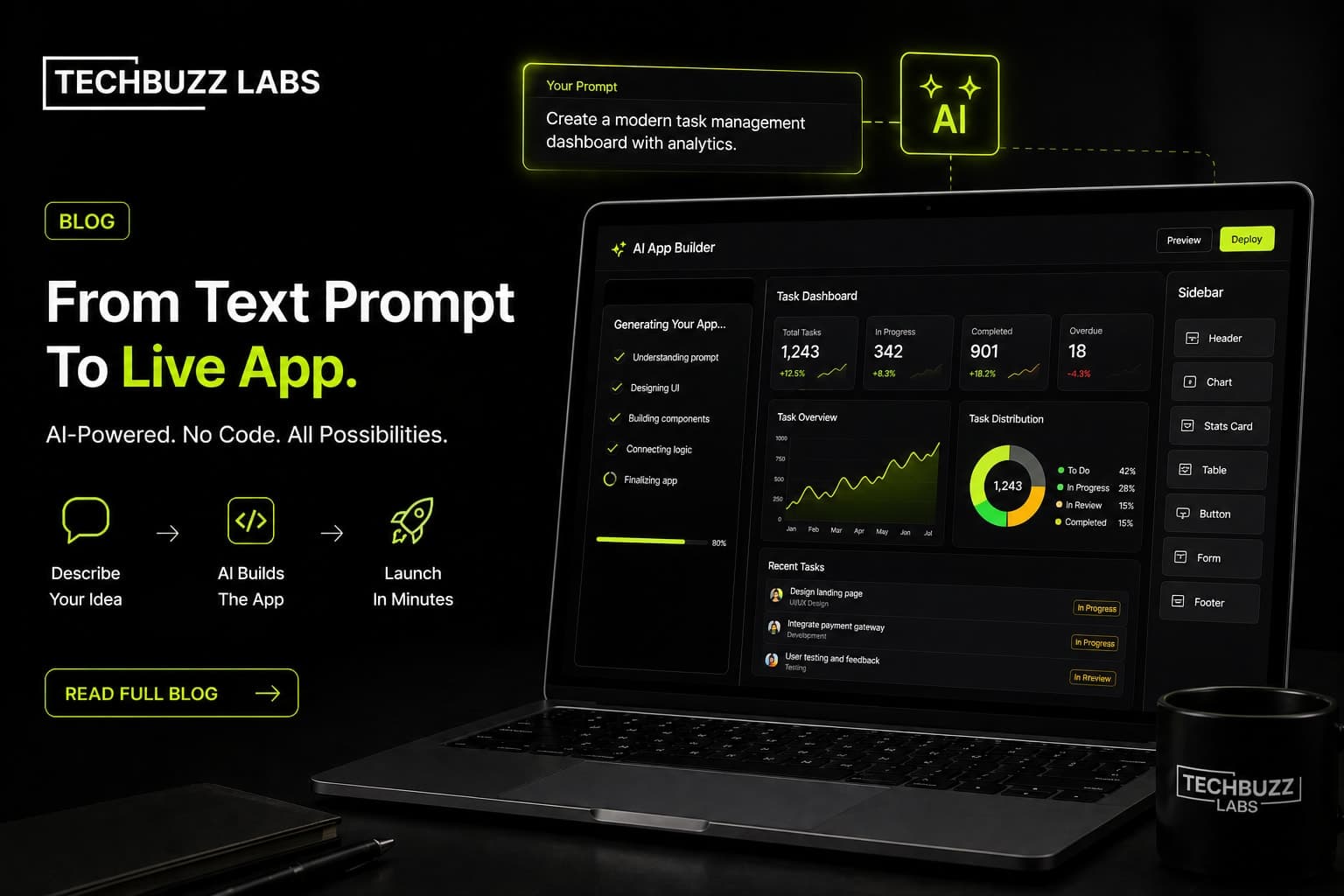
Vibe coding refers to building software products through natural language prompts, AI assisted interfaces, and no code development tools rather than traditional hand written programming.
Instead of writing long code files manually, founders and product builders describe what they want.
The AI then helps generate the interface, logic, workflows, and app structure.
This trend has accelerated because AI development platforms and no code tools have become significantly more advanced in 2026.
For startup founders, vibe coding offers one major advantage.
Speed.
An idea can move from concept to prototype in days.
This is especially powerful for MVP development, SaaS validation, internal tools, and startup pitch products.
The real question is whether this replaces developers.
The short answer is no.
It changes the role of developers rather than eliminating them.
AI and vibe coding tools are excellent for prototypes, dashboards, landing pages, business apps, and early product validation.
But complex backend architecture, security systems, enterprise workflows, and scalable infrastructure still require experienced engineers.
The future is collaboration.
Founders use vibe coding to validate ideas faster.
Developers focus on scaling, optimization, integrations, and advanced systems.
In 2026, vibe coding is not replacing developers.
It is reshaping how products are built.