How to Choose the Best Talent Booking Software for Your Agency in 2026
Many agencies still depend on spreadsheets, email threads, and separate scheduling tools. While these methods may work for a small roster, they can become difficult to manage as the number of talents, clients, and projects increases.
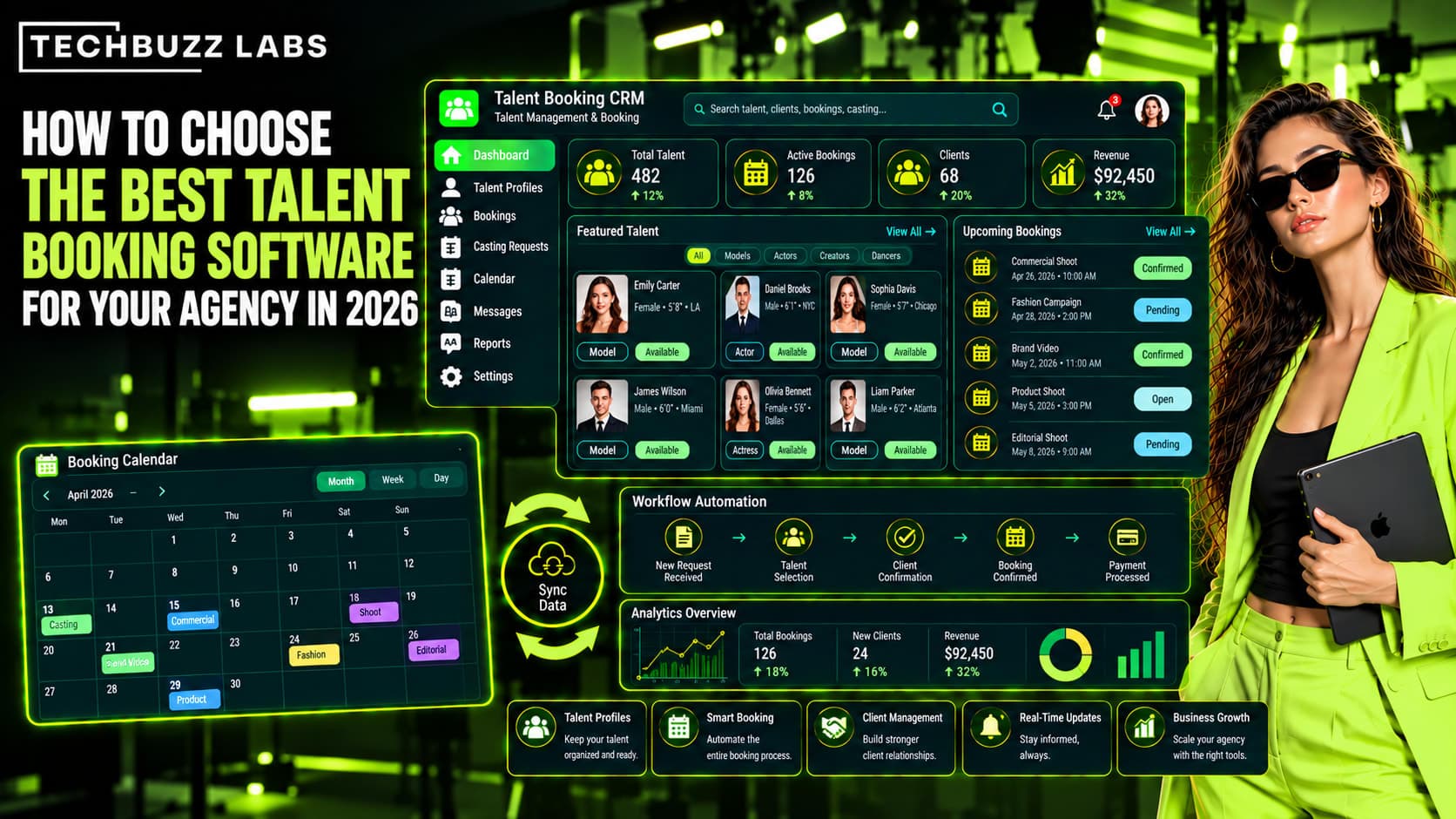
Choosing the right talent booking software is an important decision for modeling and talent agencies looking to improve their operations in 2026. From managing model portfolios and client relationships to coordinating casting requests and confirming bookings, agencies need a reliable way to keep their daily activities organized.
Many agencies still depend on spreadsheets, email threads, and separate scheduling tools. While these methods may work for a small roster, they can become difficult to manage as the number of talents, clients, and projects increases.
The best talent booking software should match your agency's workflow, simplify repetitive tasks, and support future growth. This guide explains how to evaluate your options and choose a platform that meets your business needs.
1. Identify Your Agency's Biggest Challenges
Before comparing software providers, review how your agency currently manages its operations. The right solution should address real problems instead of adding features your team rarely uses.
For example, your agency may struggle with:
Organizing model profiles and portfolio photographs
Finding suitable talent for client requests
Tracking casting submissions and client feedback
Checking model availability before confirming jobs
Managing booking schedules and project details
Following up with clients and tracking outstanding payments
Sharing information between agents and agency managers
Create a list of your most time-consuming tasks and prioritize the problems that have the greatest effect on your team. This will give you a practical checklist for evaluating software.
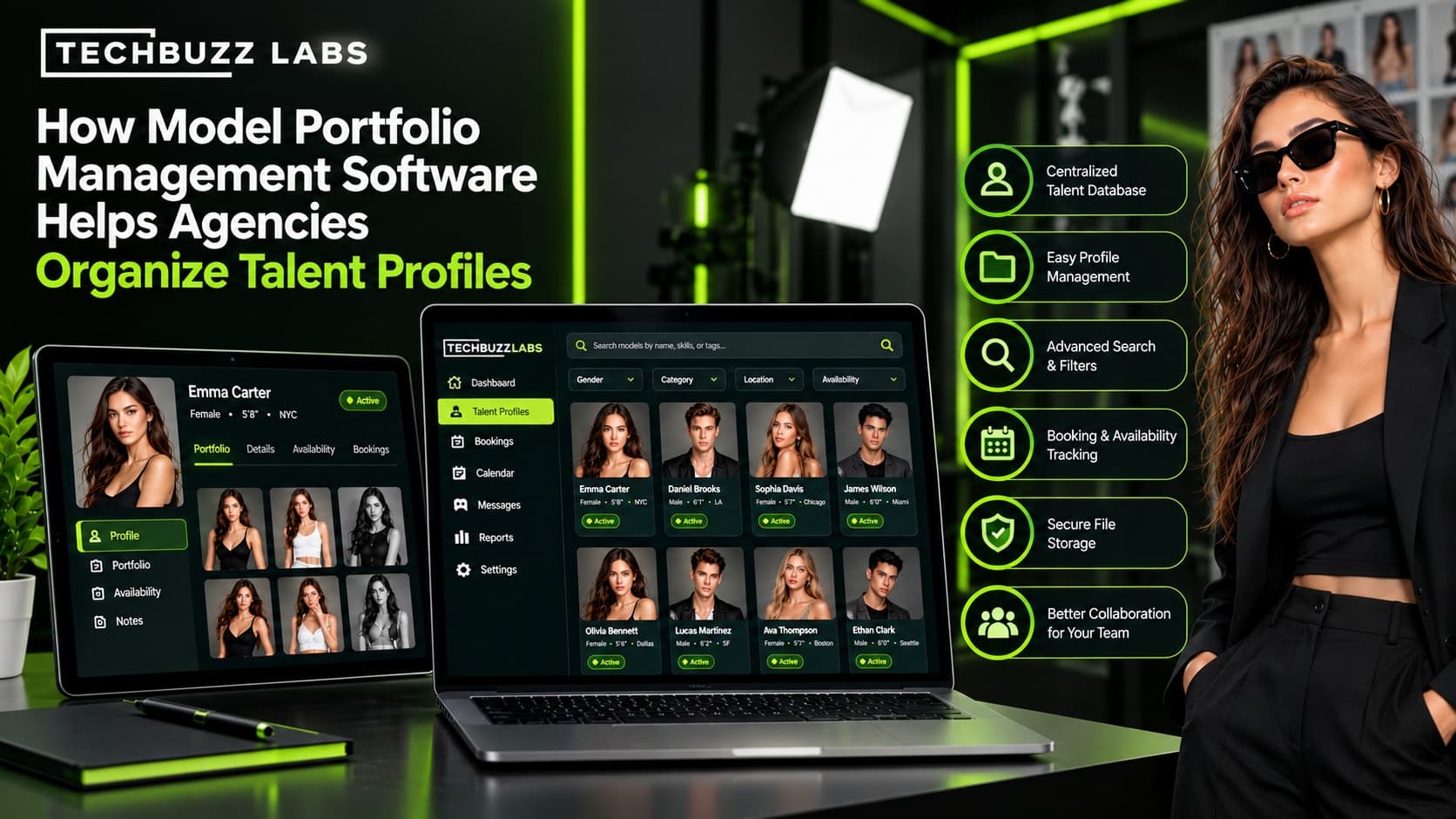
2. Look for a Centralized Talent Database
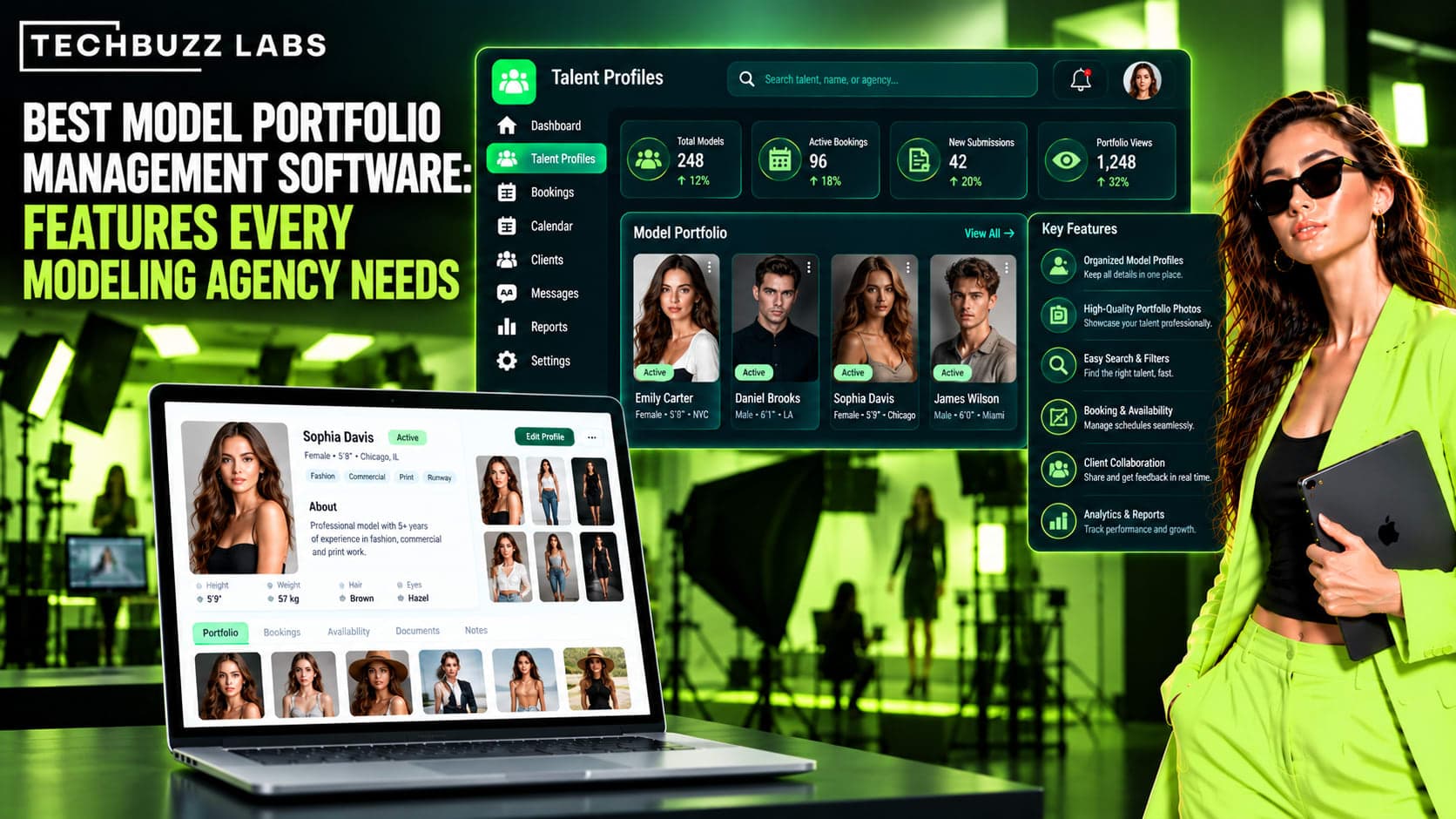
A well-organized talent database is one of the most important features of booking software for modeling agencies.
Your platform should allow agents to store and update model profiles, photographs, measurements, experience, skills, locations, contact details, and booking history in one place.
Advanced search and filtering are also valuable. When a client needs models for a fashion campaign, commercial photoshoot, or promotional event, agents should be able to narrow their options according to relevant project requirements.
A centralized database can reduce duplicate records, improve access to information, and help agents prepare suitable talent selections more efficiently.
3. Evaluate Casting and Booking Management Features
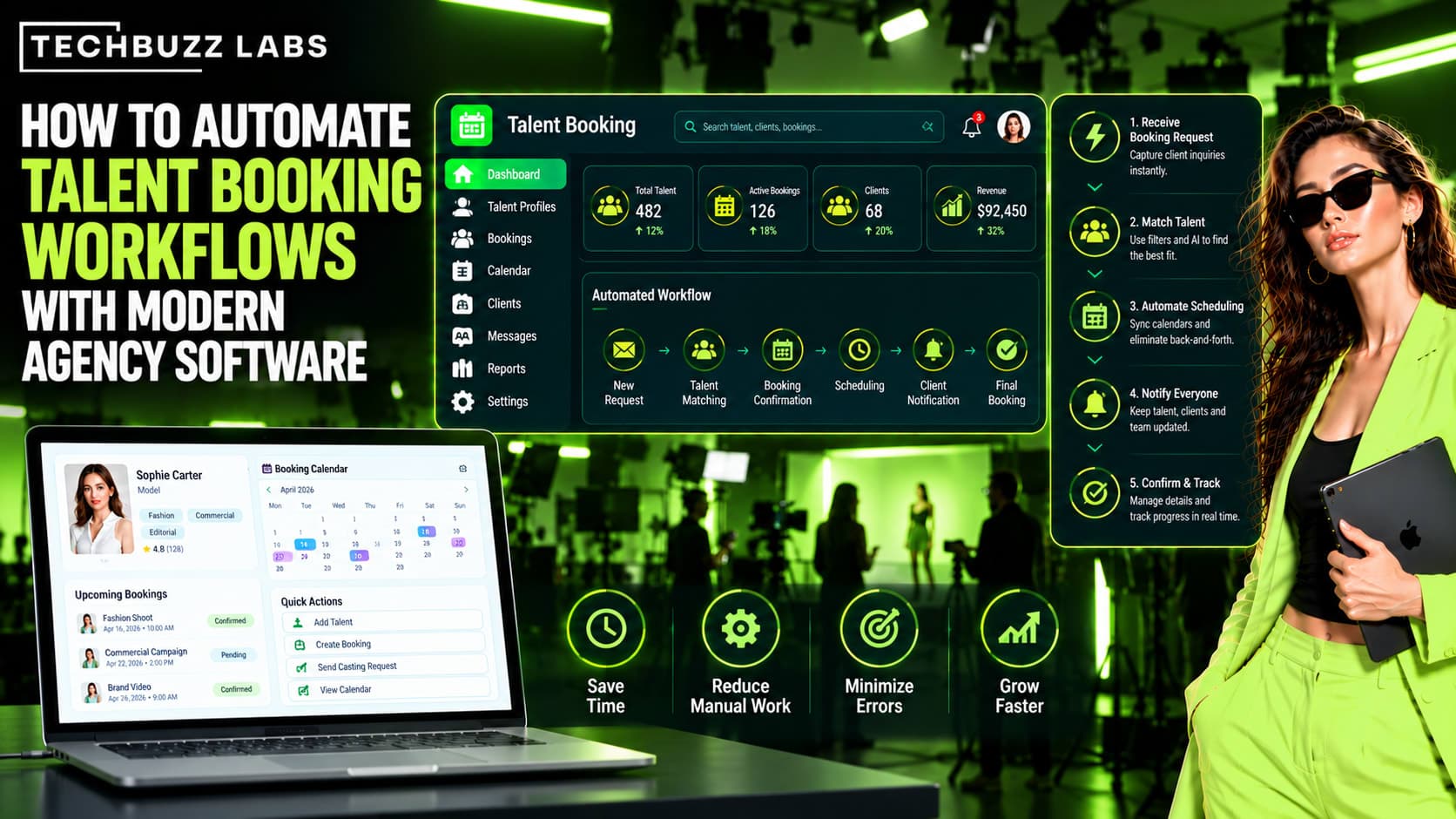
Talent booking involves several connected stages. An agency receives a client brief, identifies suitable talent, sends submissions, collects feedback, checks availability, and confirms the final booking.
The software you choose should support this process from beginning to end.
Look for features such as:
Casting project creation and deadline tracking
Talent shortlists and submission management
Client review and approval workflows
Booking confirmations and status updates
Shared calendars and availability tracking
Notifications for schedule changes and upcoming deadlines
Ideally, your team should be able to follow each project without switching between multiple disconnected systems.
4. Choose Software With Useful Automation
Workflow automation is an important consideration for agencies in 2026. Repetitive tasks can consume valuable time that agents could otherwise spend building client relationships and developing new booking opportunities.
Depending on the platform, automation may support follow-up reminders, booking notifications, availability alerts, status updates, and routine administrative workflows.
Some systems also offer AI-assisted talent matching, which can help identify profiles that align with a casting brief. However, agencies should assess how recommendations are generated and retain professional judgment over final selections.
When evaluating automation, ask vendors to demonstrate how a real project moves through the system. A feature is valuable when it solves an actual workflow problem, not simply because it uses advanced technology.
5. Compare Custom Software With Ready-Made Platforms
Not every agency needs the same type of booking system.
Ready-made software may suit agencies that need standard talent databases, scheduling, and booking tools without extensive customization. It can offer a quicker starting point, although some workflows may require workarounds.
Custom talent booking software may be a better fit for agencies with specialized casting processes, unique reporting needs, multiple teams, or specific client approval requirements.
A custom solution can connect talent profiles, submissions, client portals, availability, bookings, and reporting according to the agency's processes. The trade-off is that development requires planning, testing, implementation, and ongoing maintenance.
TechBuzz Labs works with modeling and talent agencies on custom talent management software, casting workflows, CRM functionality, and booking systems. Agencies considering a tailored platform can explore its custom talent management software for casting and modeling agencies to understand the available approach.
6. Check Integrations, Security, and Scalability
Software should fit into your existing business environment and remain useful as your agency grows.
Before signing a contract, check whether the platform integrates with the tools your team already uses, such as email, calendars, accounting applications, or communication systems.
Security deserves equal attention. Talent profiles may contain personal details, photographs, contracts, and other confidential information. Review user permissions, backup procedures, data export options, security practices, and the provider's approach to data protection.
Scalability is also essential. Consider whether the system can support additional models, agents, office locations, clients, and booking volume without requiring an expensive replacement.
For agencies operating across the United States, make sure the platform can accommodate your scheduling needs, time zones, and business processes.
7. Understand the Total Cost of Ownership
The cheapest subscription does not always represent the best value. Compare the complete cost of using each platform, including:
Monthly or annual licensing fees
Per-user or per-talent charges
Setup and onboarding
Data migration from spreadsheets or existing software
Customization and integrations
Staff training and ongoing support
Maintenance and future upgrades
Ask each provider to explain which features are included in the quoted price and which require additional payments.
For custom software, request a clearly defined scope, delivery timeline, payment schedule, support terms, and explanation of ownership rights.
8. Test the Software Before Making a Decision
A product demonstration can look impressive without showing how the system performs in everyday agency operations.
Whenever possible, request a trial or structured demonstration using a realistic booking scenario. Test how easily your team can search for models, create a shortlist, send submissions, check availability, confirm a booking, and retrieve project information.
Ask agents who will use the system daily to participate in the evaluation. Their feedback can reveal usability issues that managers might overlook.
You should also establish measurable goals, such as reducing time spent preparing talent packages, improving follow-up consistency, or reducing scheduling conflicts.
For further guidance, read TechBuzz Labs' guide to choosing the best CRM for talent agents in the USA.
Final Thoughts
The best talent booking software for your agency in 2026 is the platform that fits your workflow, supports your team, and offers room to grow. Rather than choosing based on popularity or the longest feature list, evaluate talent management, casting, scheduling, automation, integrations, security, and total cost.
Start by identifying your biggest operational challenges, compare a shortlist of suitable platforms, and test each option against real booking scenarios.
With the right technology and a clear implementation plan, your agency can build more organized workflows, improve coordination between agents and clients, and spend more time developing valuable talent and booking relationships.