Deep dives, product updates, and the no-code playbook — fresh stories from our team to yours.
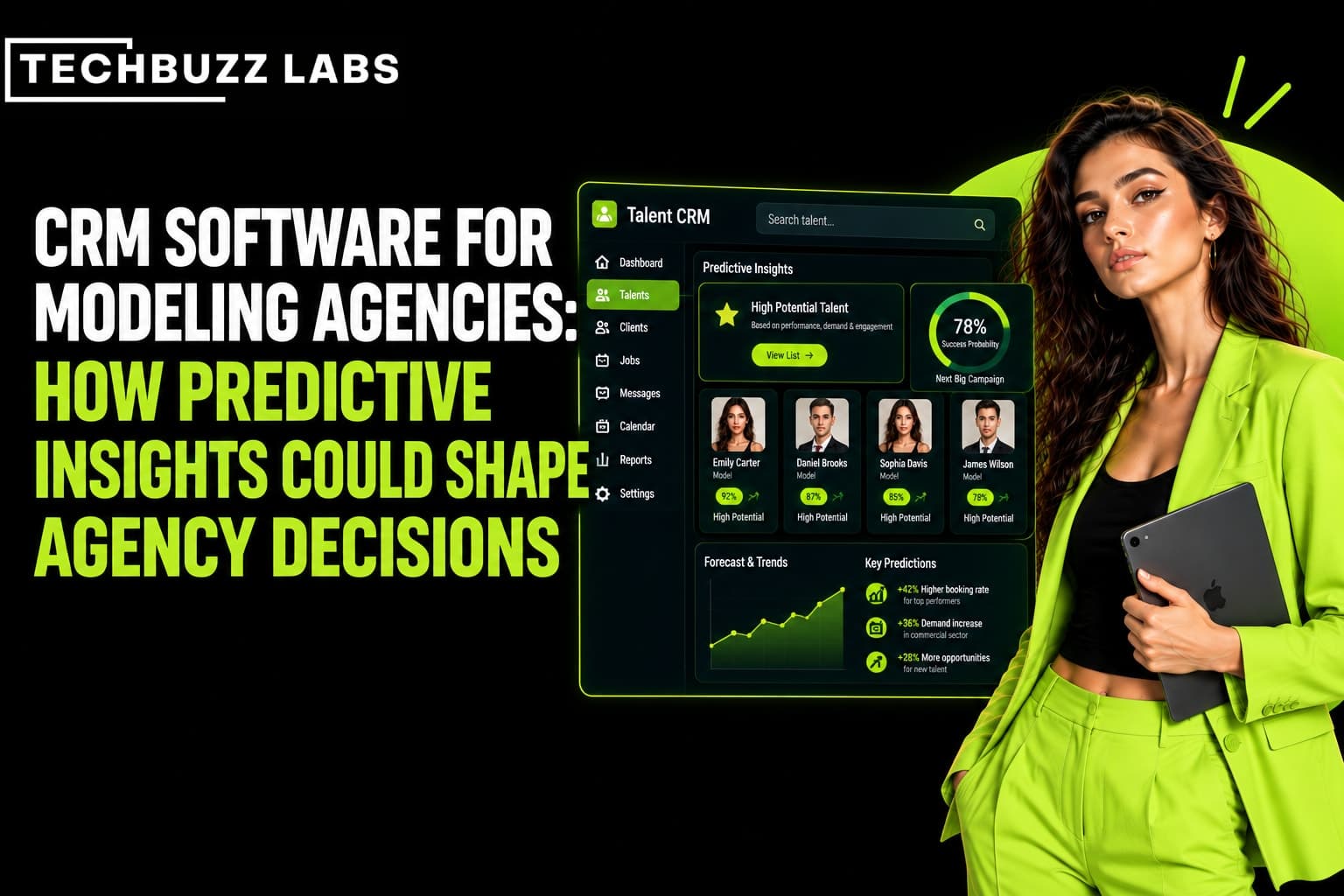
In a modeling agency, this could involve analyzing information such as previous casting submissions, booking history, client preferences, talent availability, project categories, and response patterns.
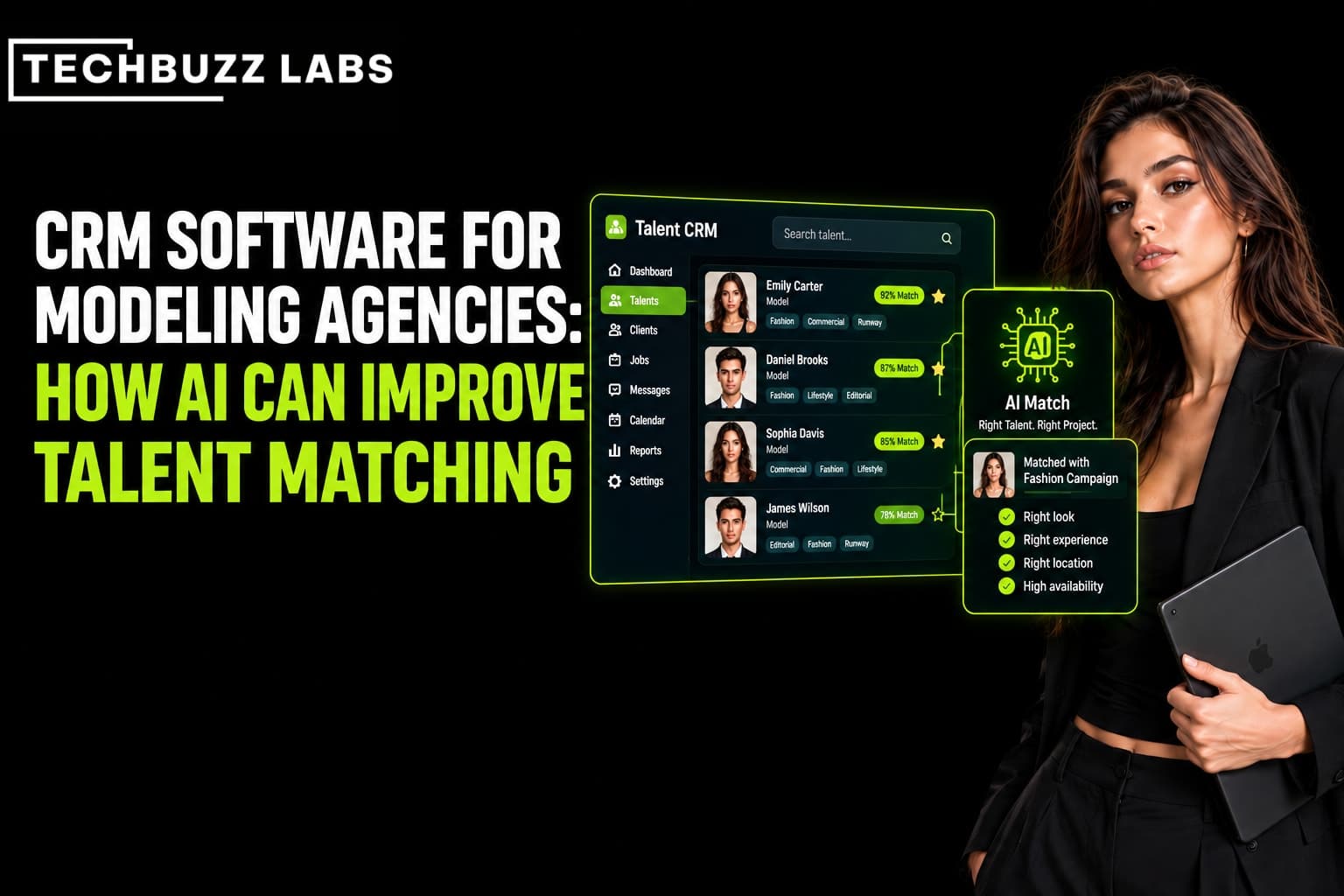
For modeling agencies across the USA, including markets such as New York, Los Angeles, Miami, Chicago, and Atlanta, AI-assisted talent matching can help reduce repetitive searching while keeping human judgment at the center of the casting process.
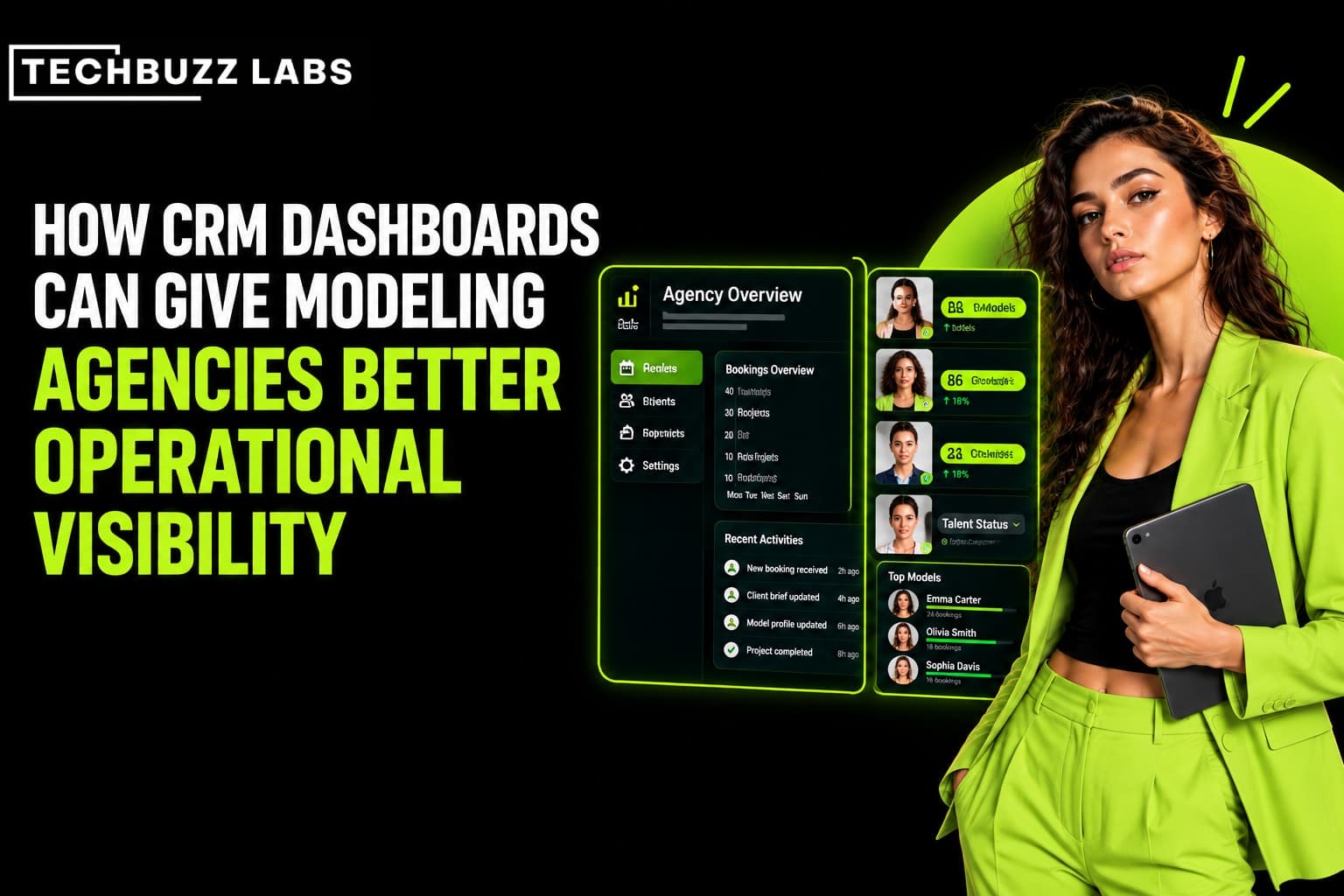
This makes the dashboard more than a reporting tool. It can become a central workspace for understanding the agency's daily activity.
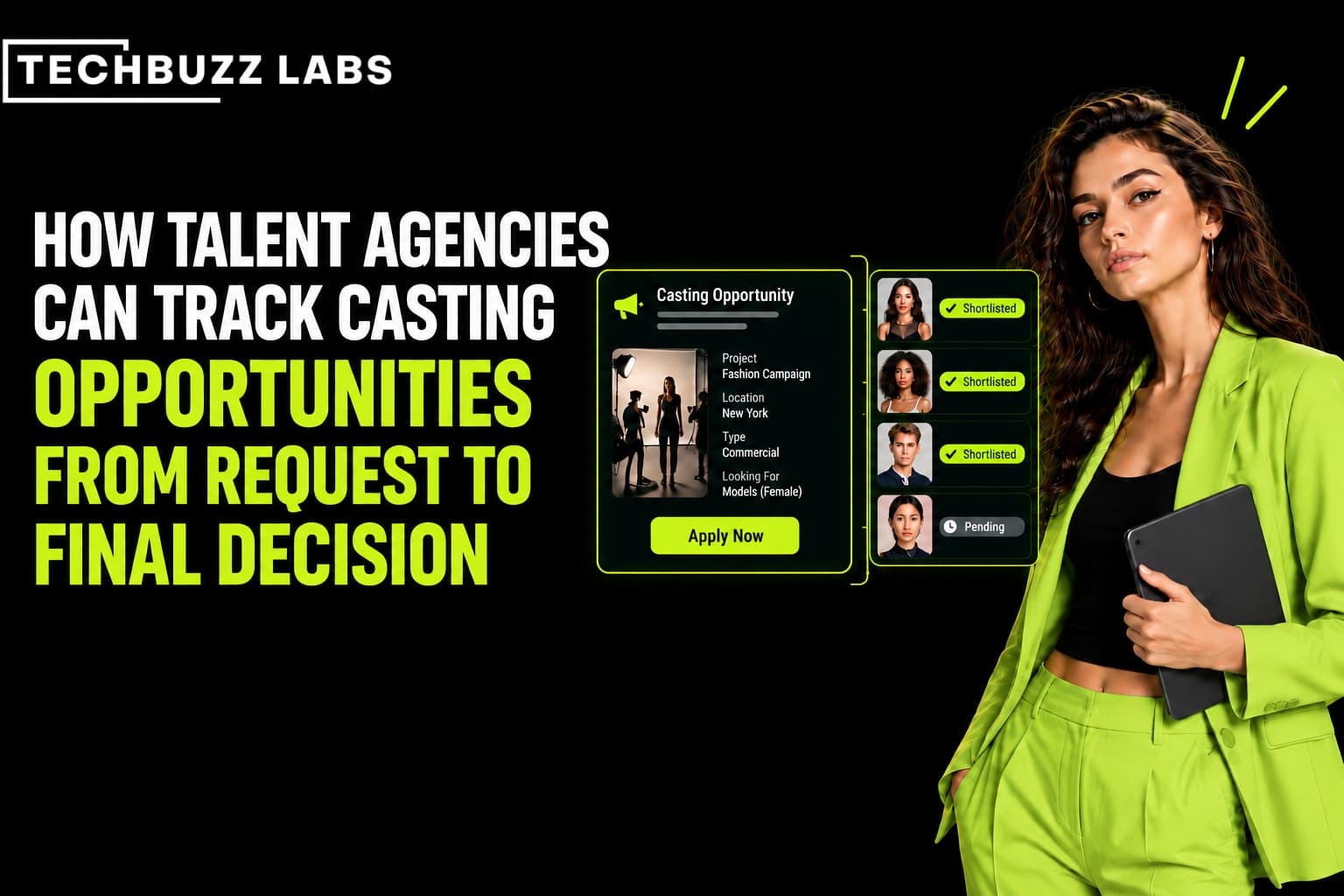
Without a centralized system, opportunities can easily become difficult to monitor. An agent may forget to follow up, a client response may be overlooked, or team members may not know whether a casting is still active.
A typical brief may include the project type, shoot dates, location, number of talent required, preferred characteristics, experience, skills, availability, rates, and other specifications.
Instead of selecting from a fixed list of features, the agency can define how talent profiles should work, how casting requests should be processed, how availability should be managed, and how bookings should move through different stages.
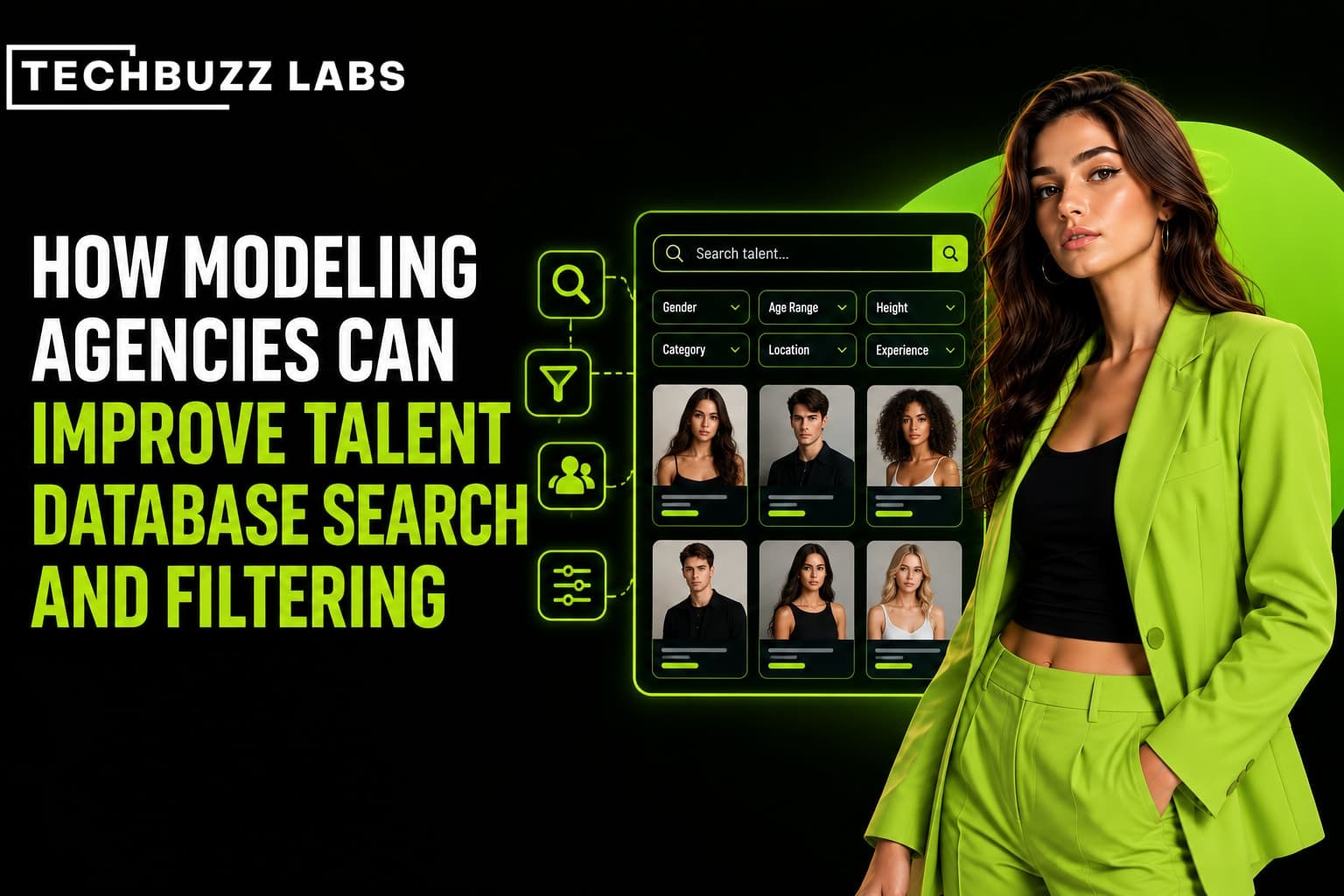
If an agency's database is not properly organized, finding suitable candidates can become a manual process. Agents may need to search through spreadsheets, folders, emails, or separate systems before creating a shortlist.
Duplicate data can also become a problem. Different offices may maintain separate versions of the same talent profile or client record, creating inconsistencies across the organization.
A custom CRM should solve these operational problems rather than simply reproduce existing processes in a new software system.
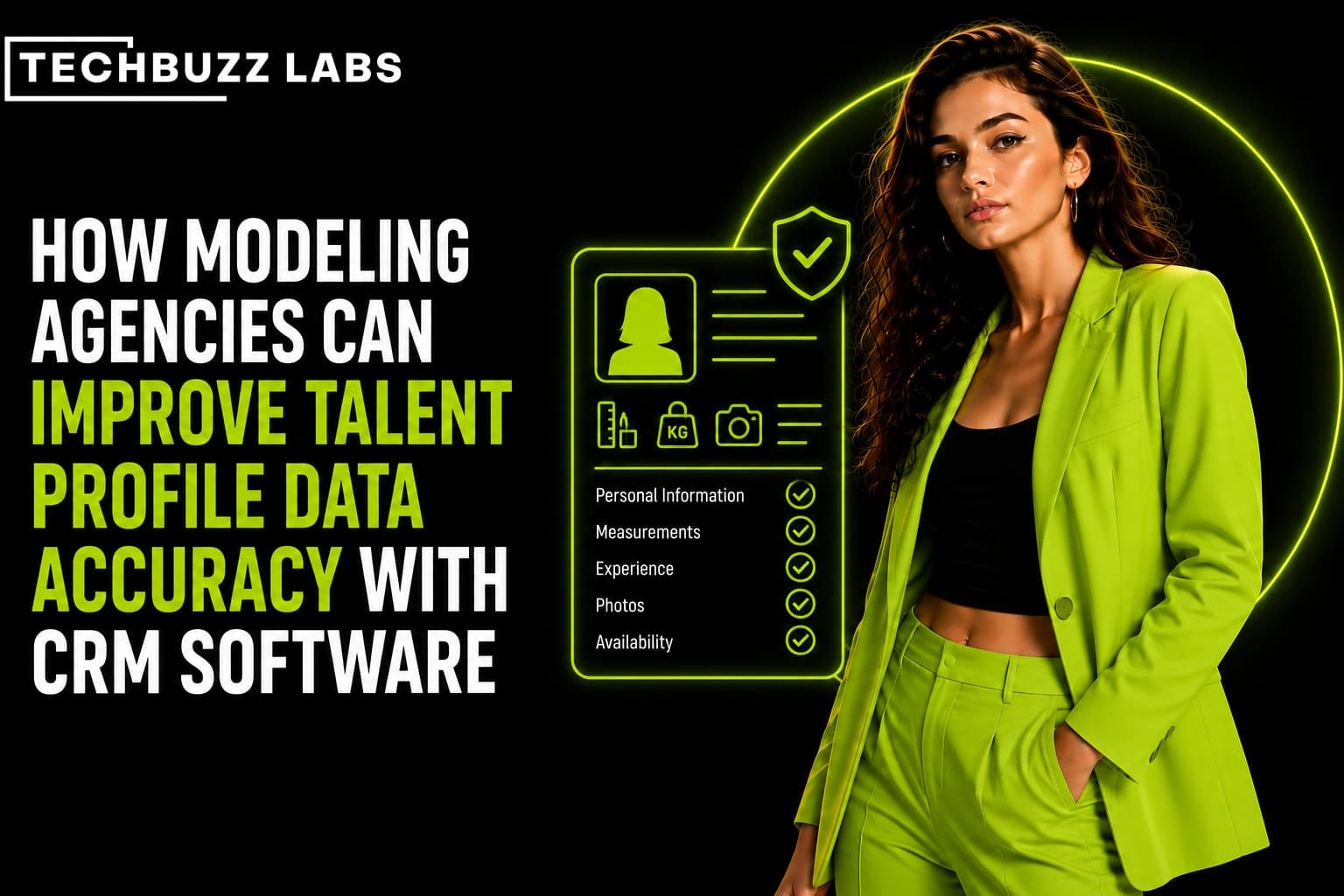
Accurate data helps agents make better decisions and allows agencies to present reliable information to clients. It can also reduce the need to repeatedly contact models or search through different files to confirm basic details.
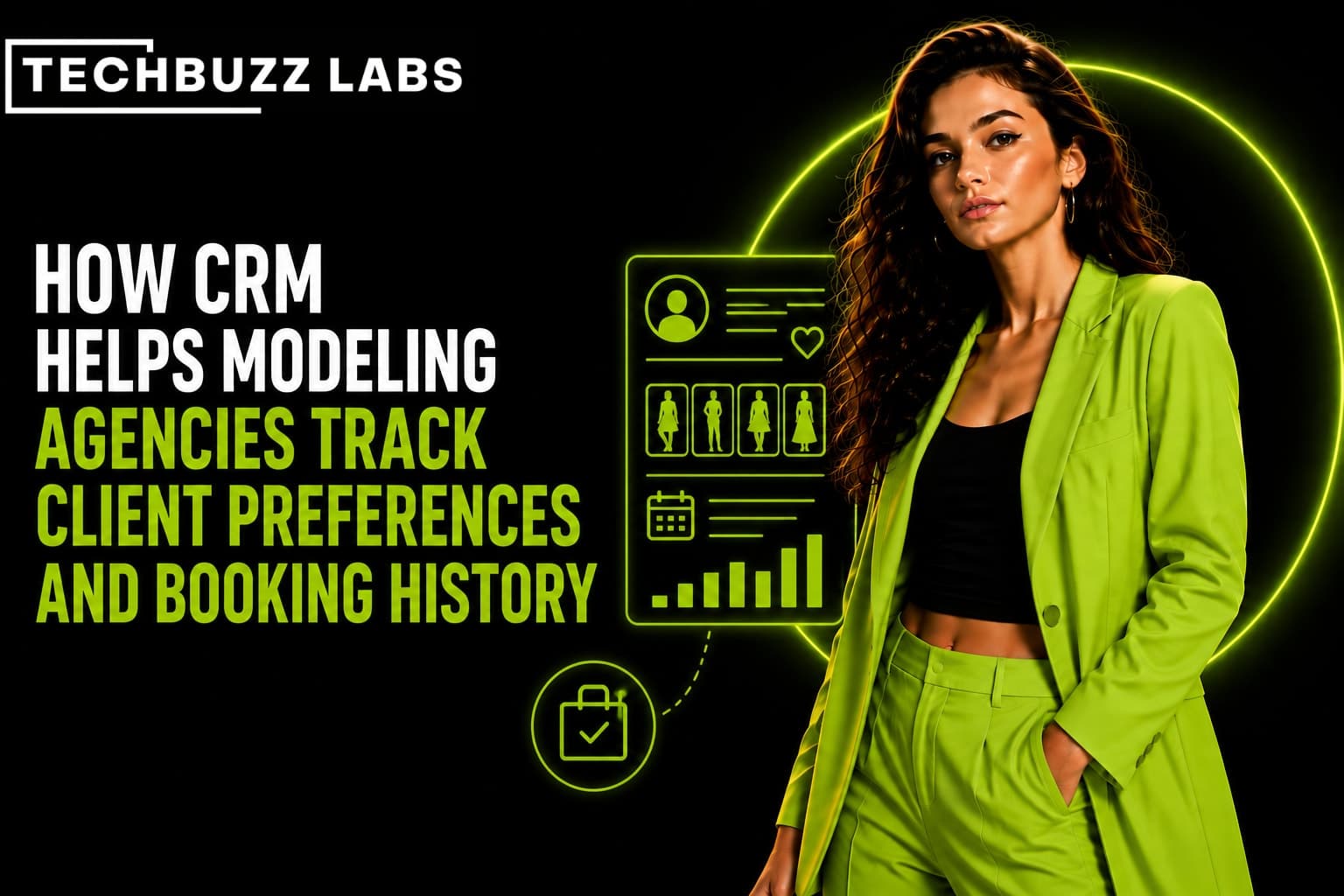
A CRM allows agencies to record relevant information about a client's previous projects and requirements. Over time, this information can help agents understand patterns and provide more relevant talent recommendations.
A client that regularly books models may also have established preferences. They may prefer certain types of talent, specific locations, particular experience levels, or certain booking arrangements. Remembering these details can help an agency provide a more personalized experience.
Page 5 of 21 · 248 articles