Deep dives, product updates, and the no-code playbook — fresh stories from our team to yours.
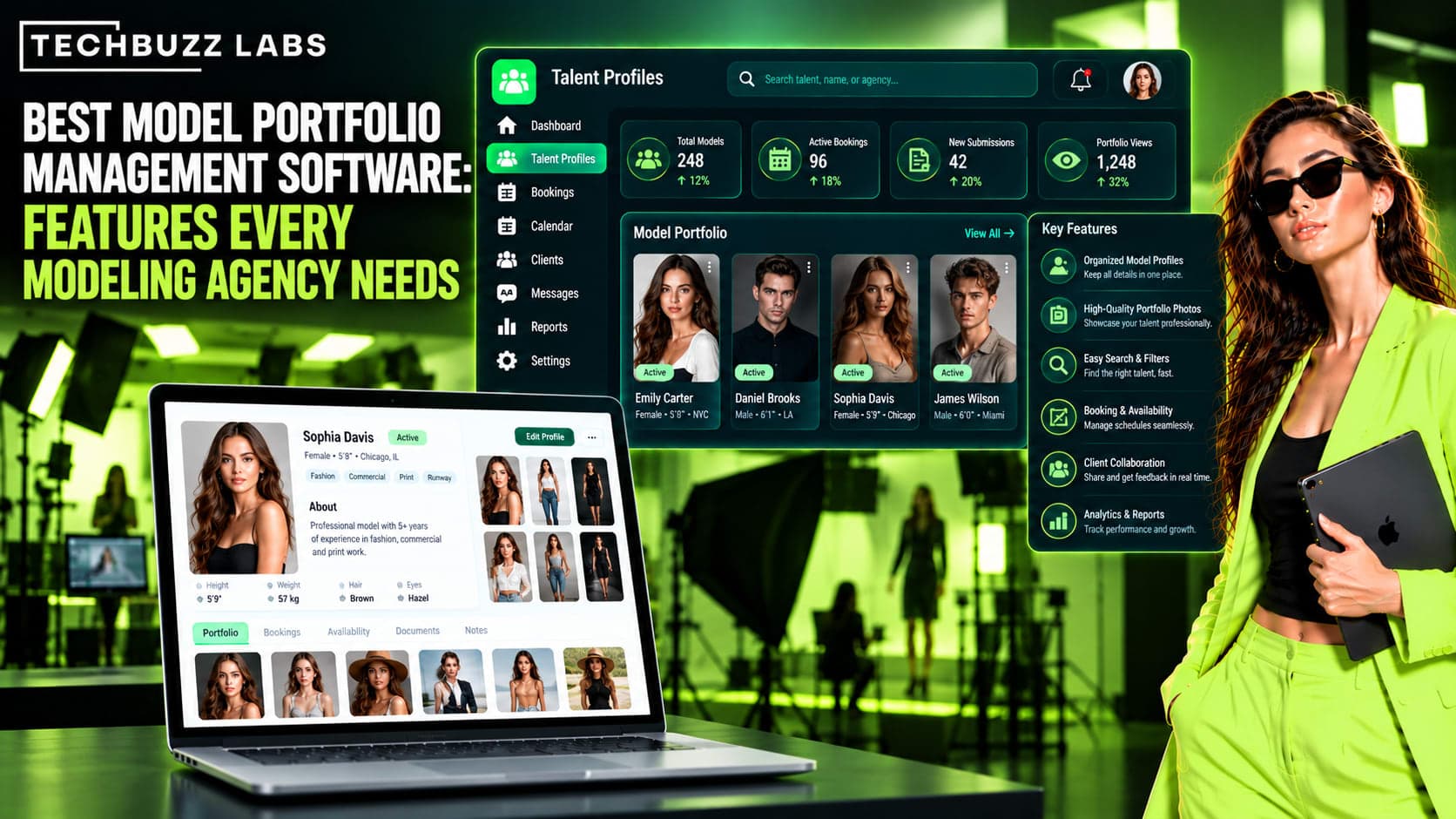
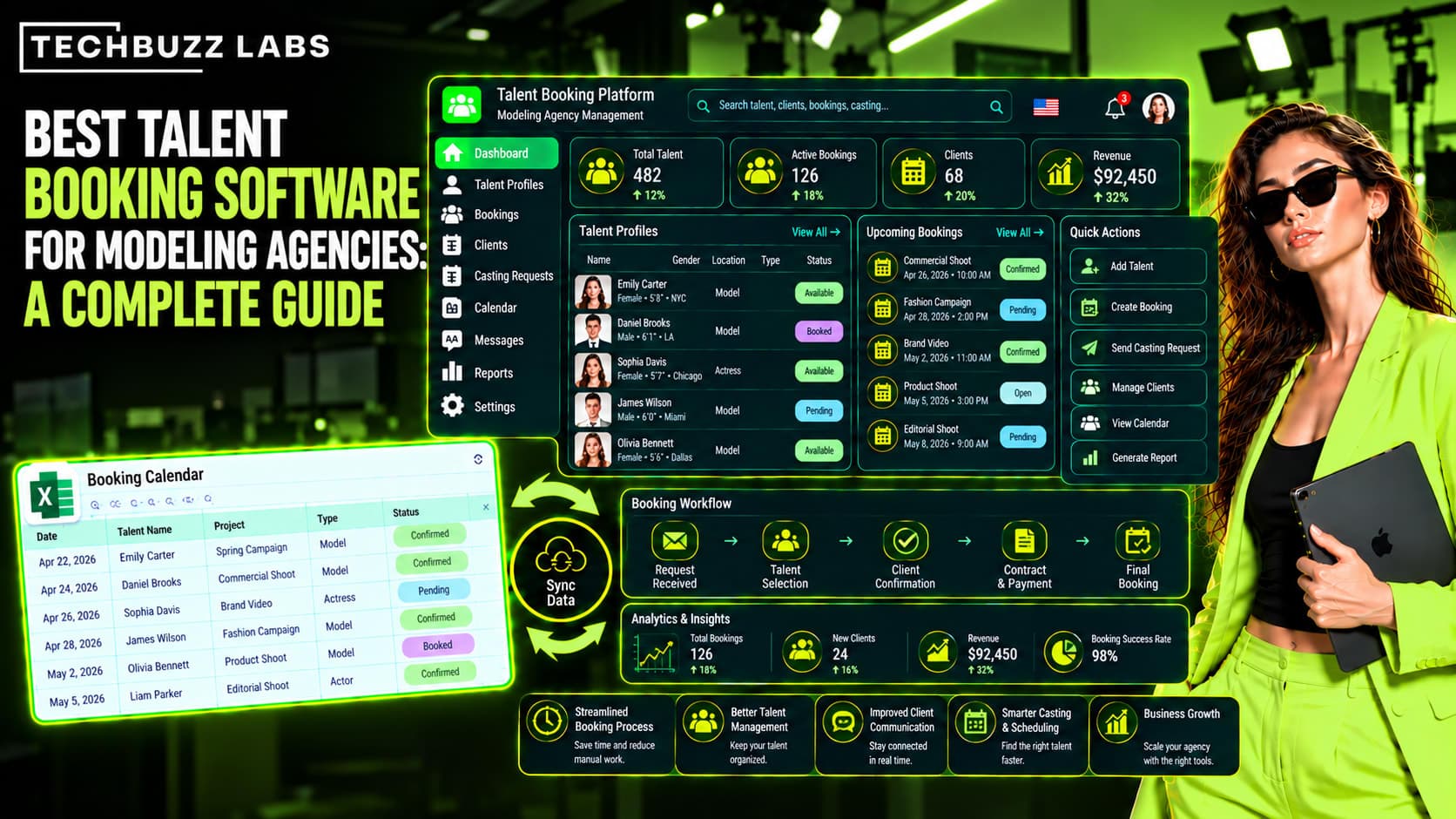
For modeling agencies in the United States, choosing the right software can improve daily organization and support growth. This guide explains the essential features agencies should evaluate when selecting a portfolio management solution.
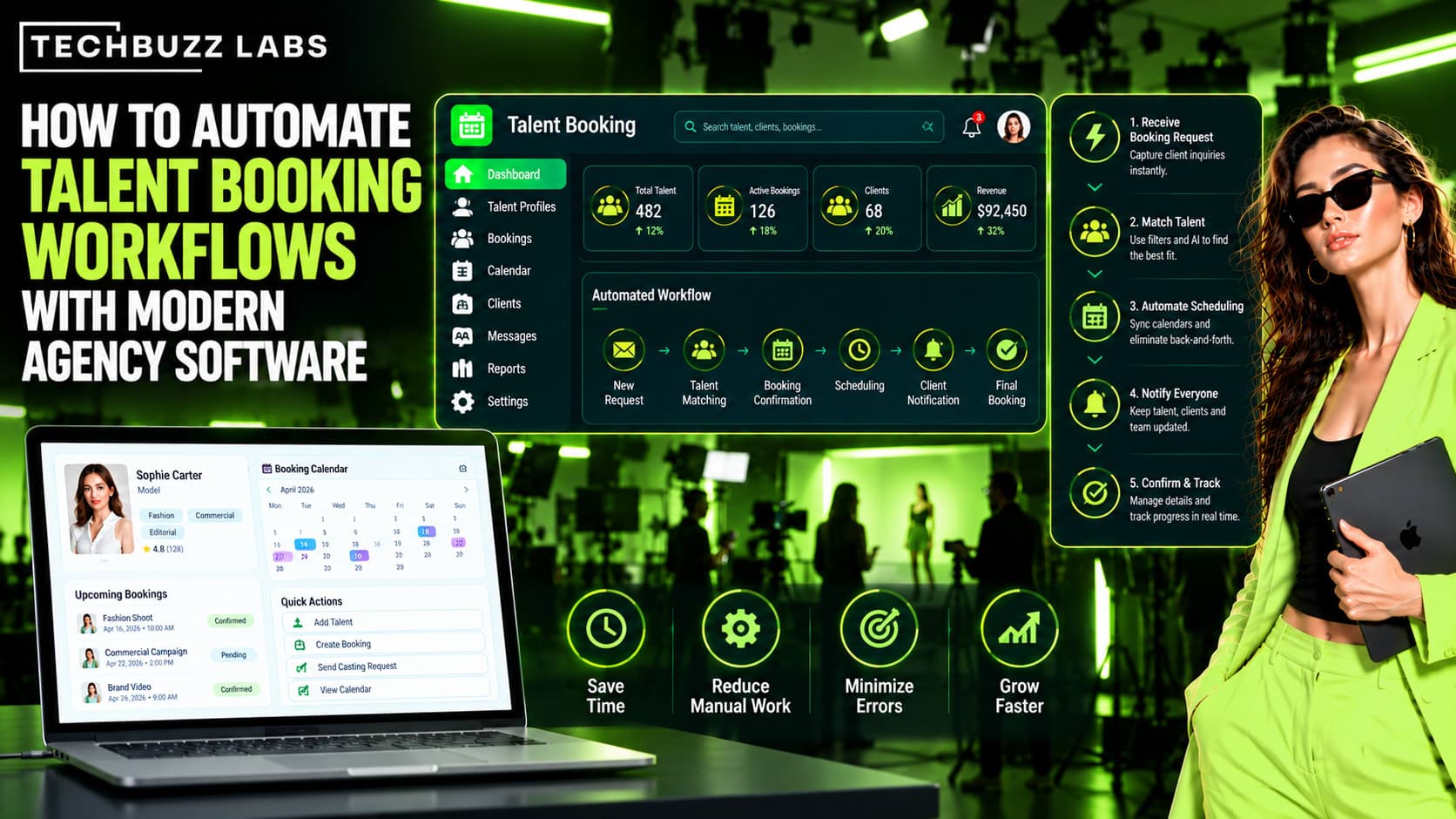
For modeling and talent agencies across the United States, the right software can provide a more consistent process from the first client inquiry to the final booking.
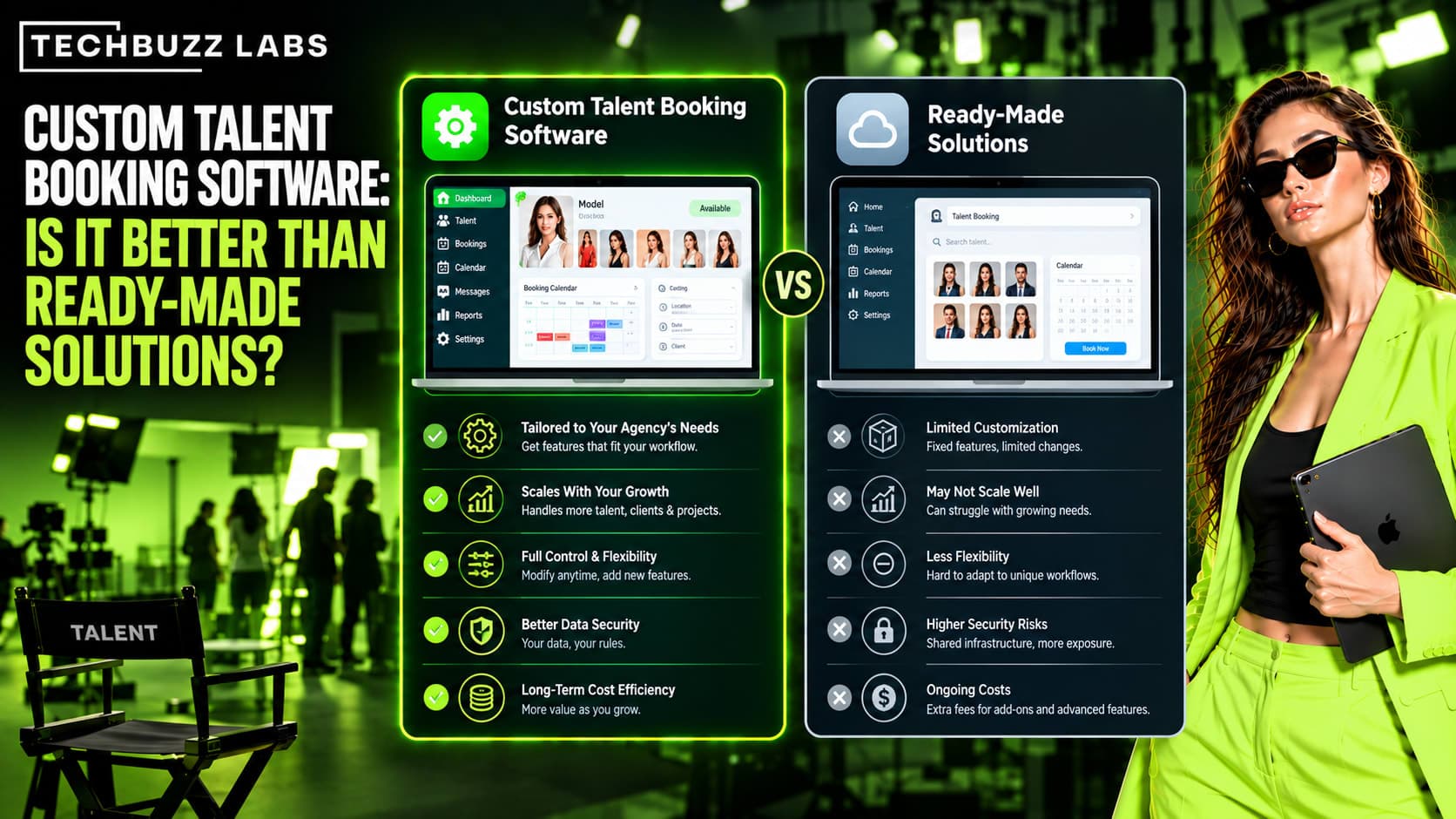
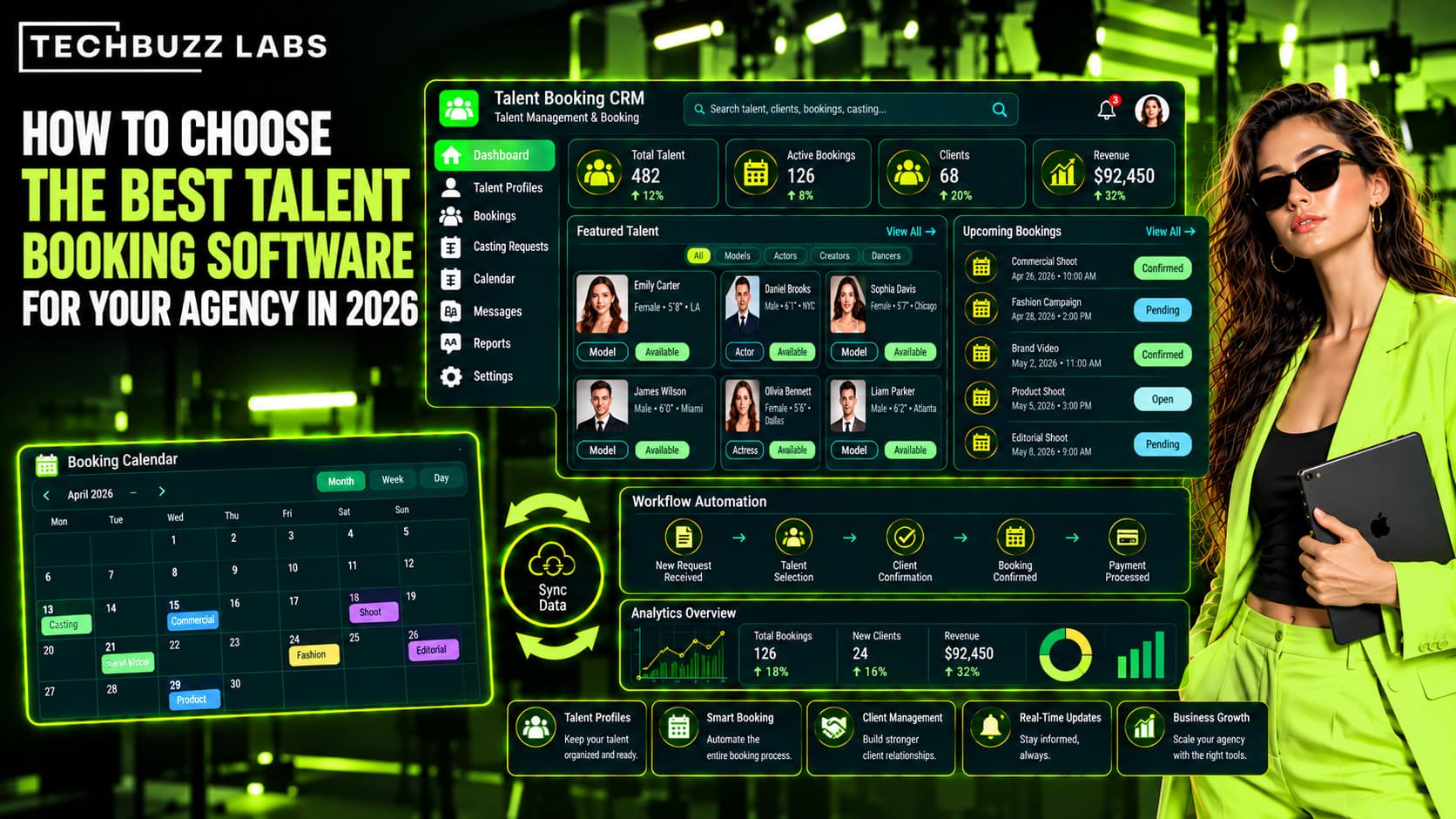
For agencies in the United States, the right choice depends on business size, workflow requirements, budget, and growth plans. This guide compares both approaches and explains how to decide which option best fits your agency.
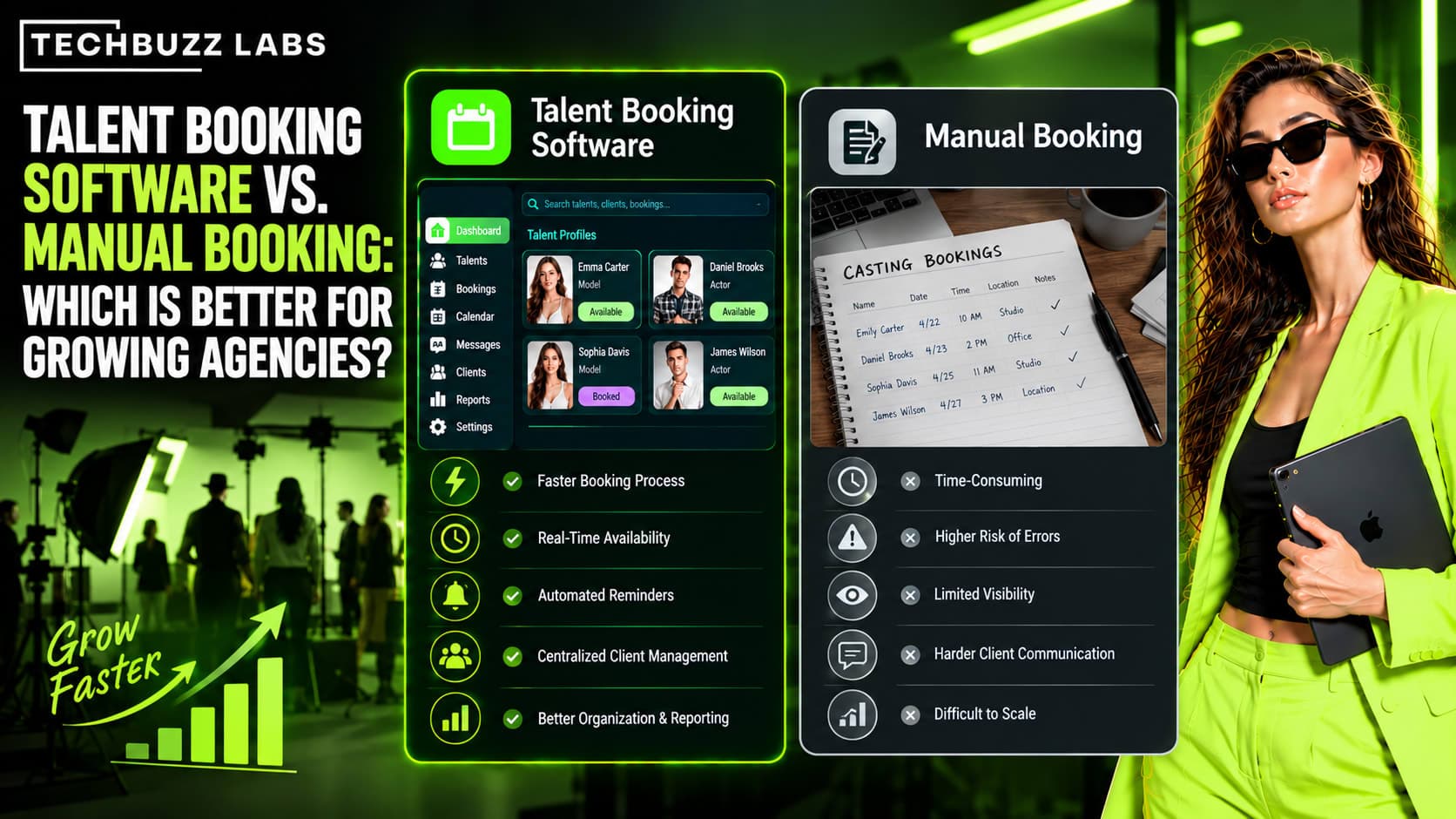
In this guide, we'll compare talent booking software with manual booking, explore their advantages and limitations, and explain how agencies can choose the right approach.
For modeling and talent agencies in the United States, selecting the right platform can support a more efficient booking process and provide a foundation for future growth.
Many agencies still depend on spreadsheets, email threads, and separate scheduling tools. While these methods may work for a small roster, they can become difficult to manage as the number of talents, clients, and projects increases.
For modeling agencies across the United States, choosing the right software can support better organization, faster communication, and long-term business growth. This guide explains the essential features, benefits, and selection criteria agencies should consider.
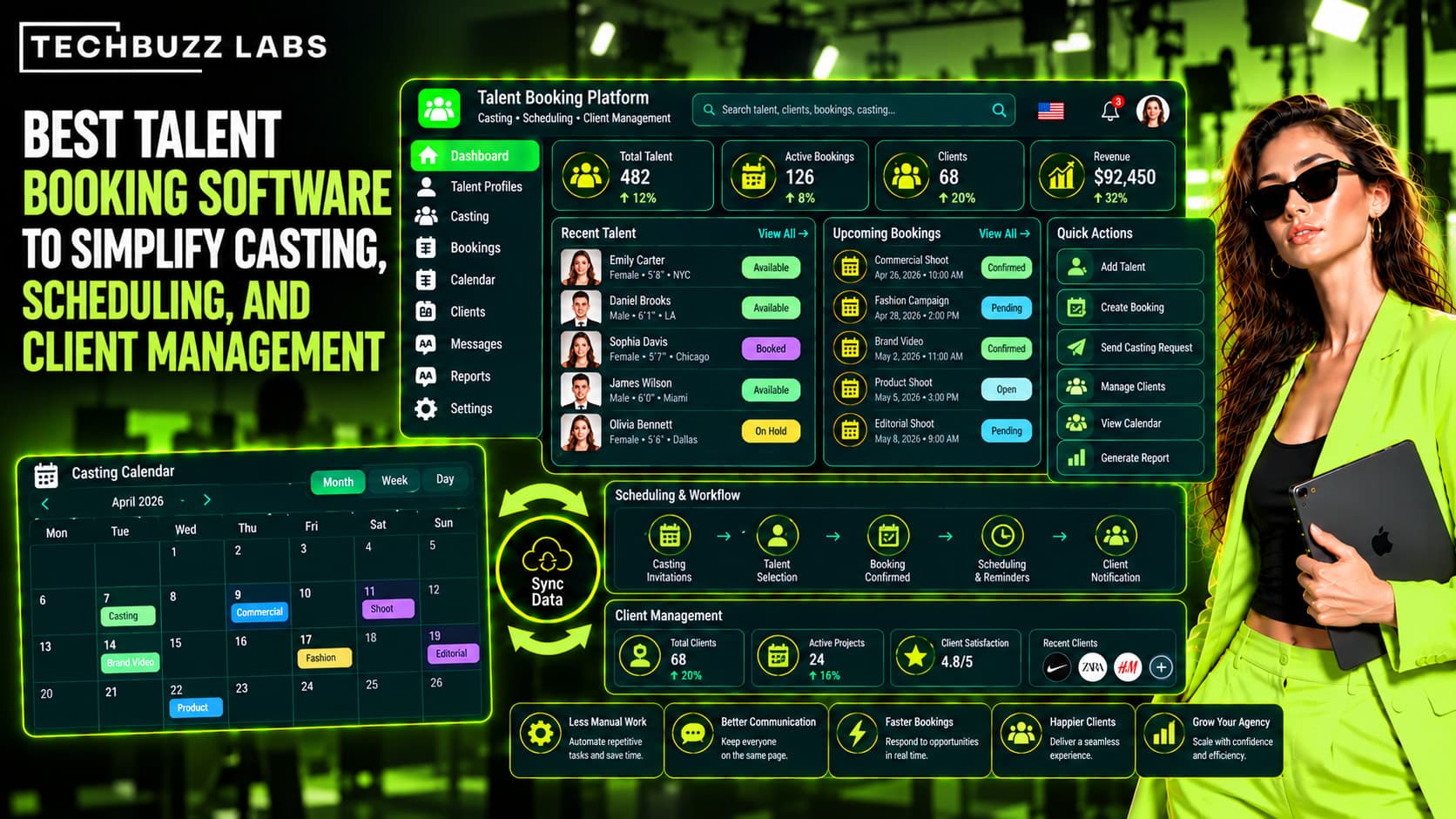
Depending on the platform, it may include talent databases, client relationship management (CRM), booking calendars, casting management, availability tracking, contract administration, invoicing, and reporting.
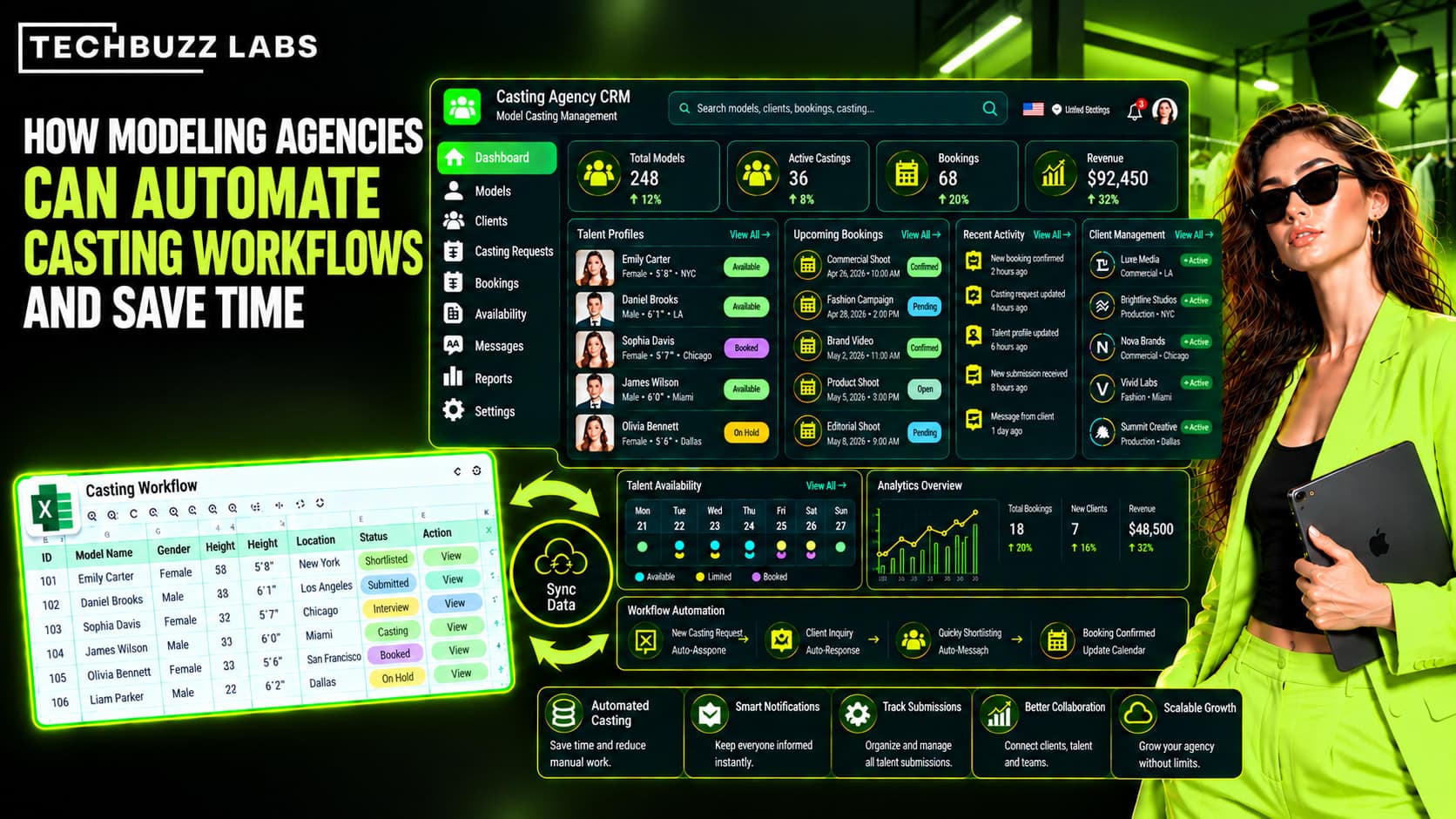
For growing modeling agencies across the USA, building an efficient casting workflow is an important step toward sustainable growth.
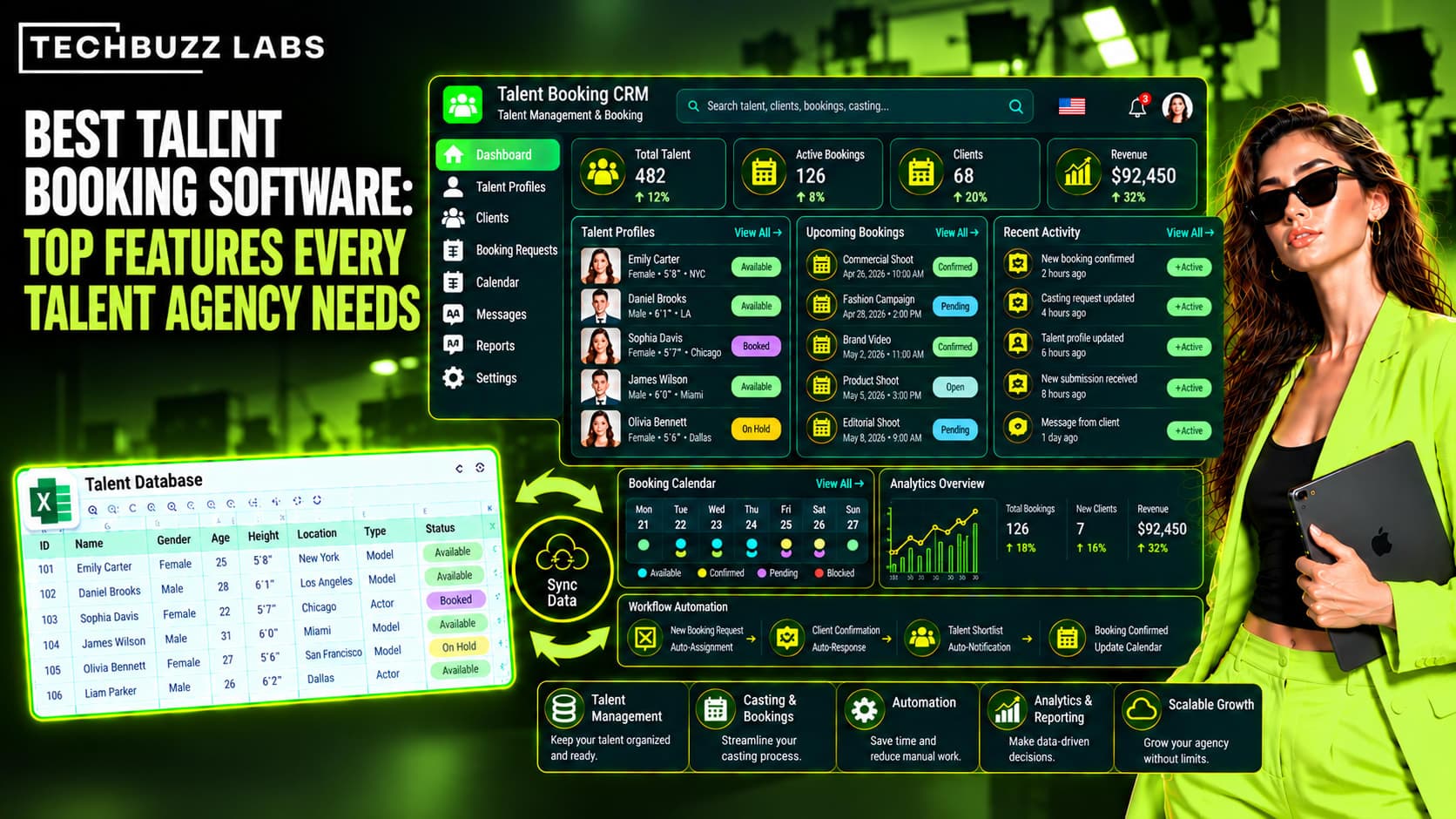
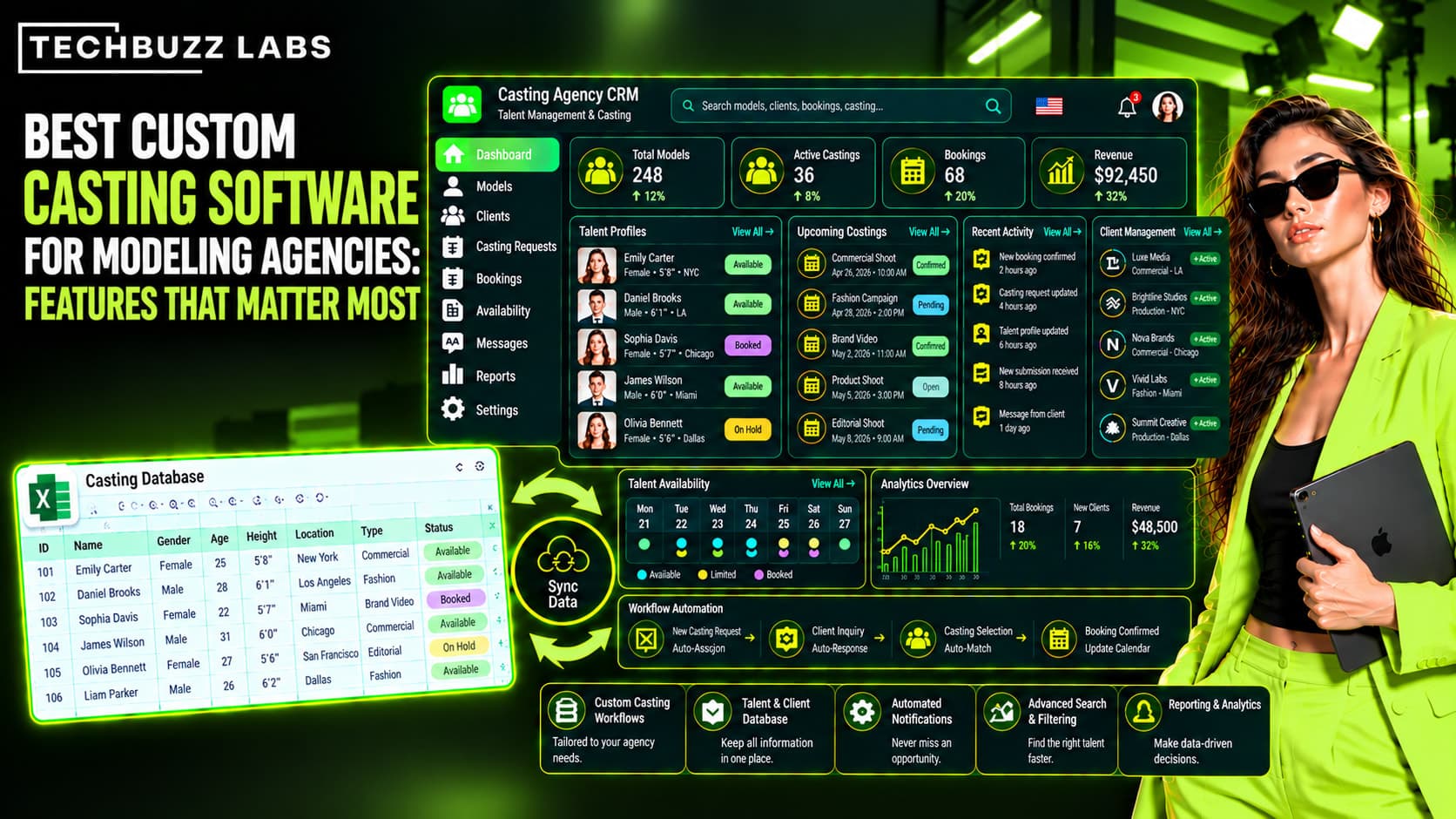
For growing modeling agencies across the USA, choosing the right features can improve team productivity, strengthen client communication, and support long-term business growth.
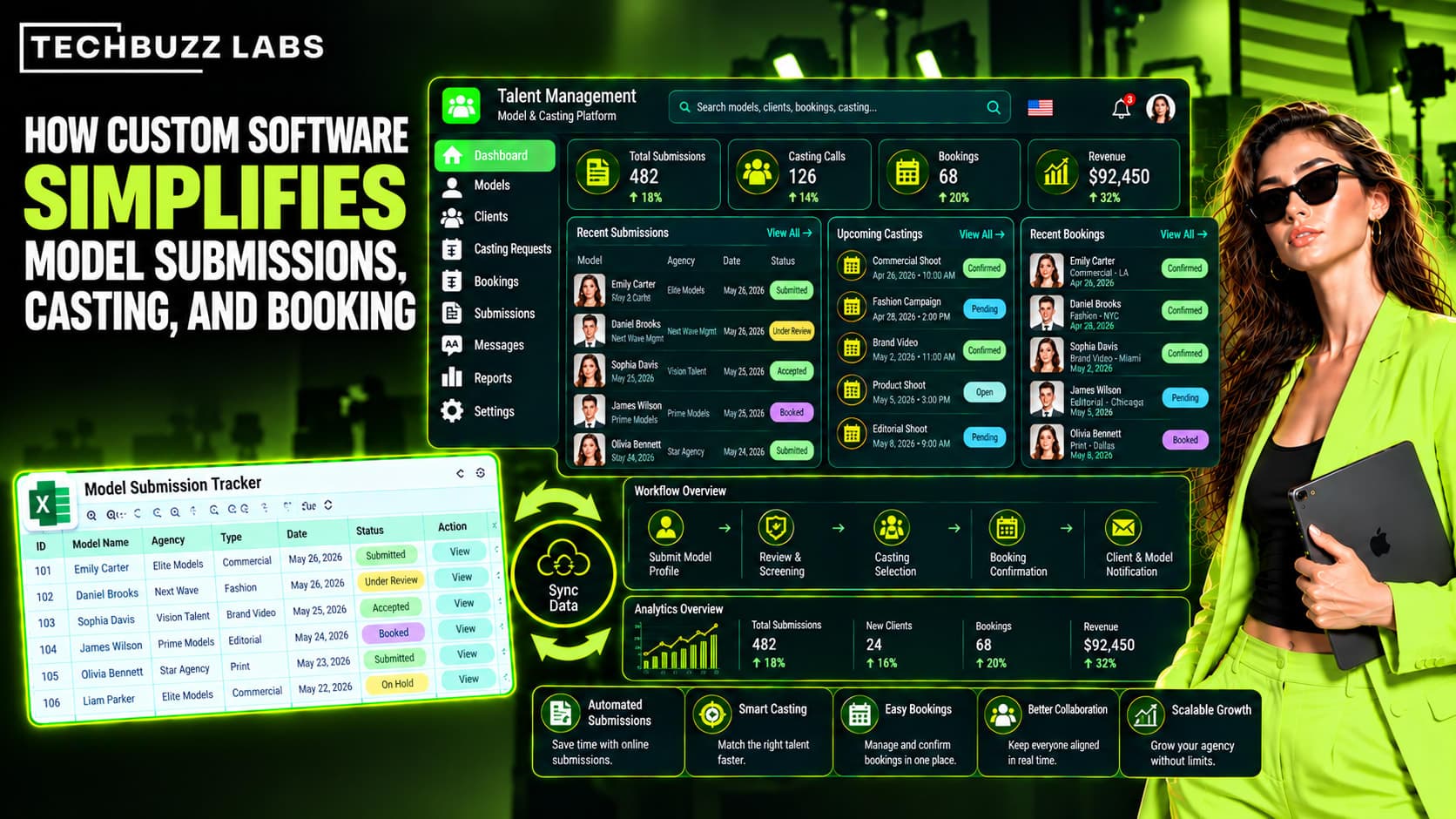
Depending on the project scope, the system may include talent databases, digital portfolios, casting management, client relationship management (CRM), submission tracking, availability calendars, booking records, and automated notifications.
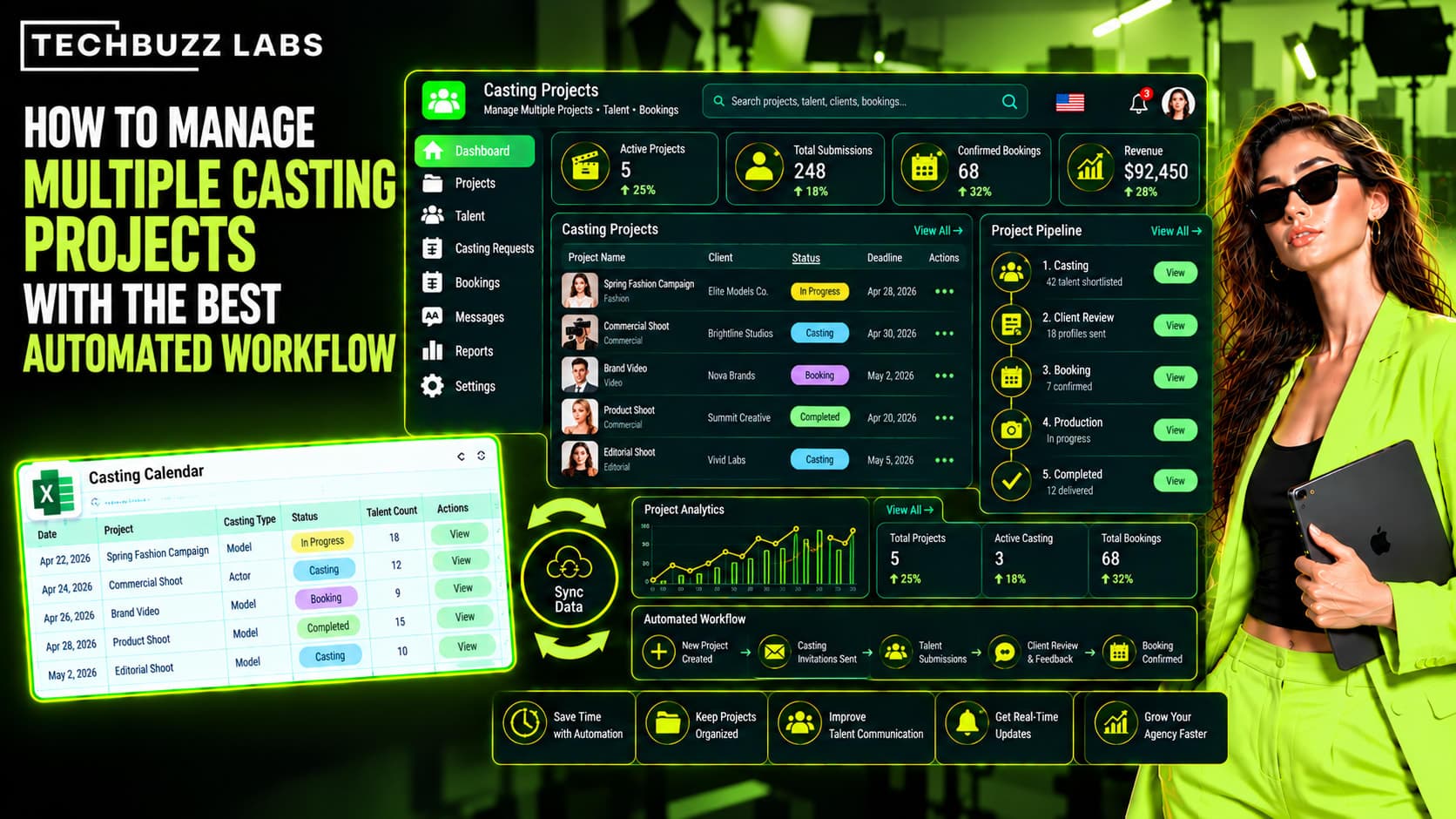
Instead of coordinating every step manually, agencies can use a centralized platform to monitor projects and trigger routine actions automatically.
Page 2 of 21 · 248 articles