Deep dives, product updates, and the no-code playbook — fresh stories from our team to yours.
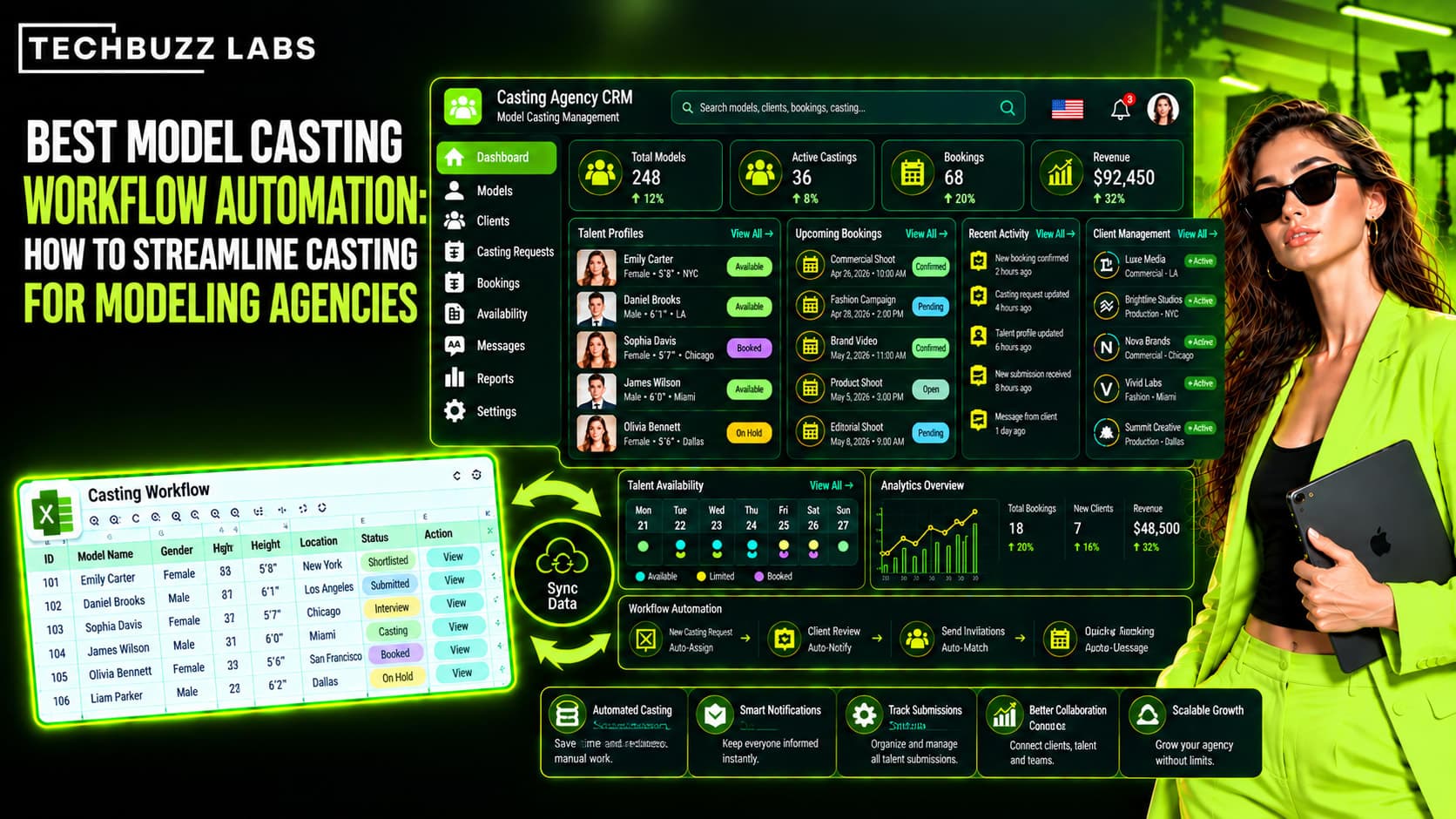
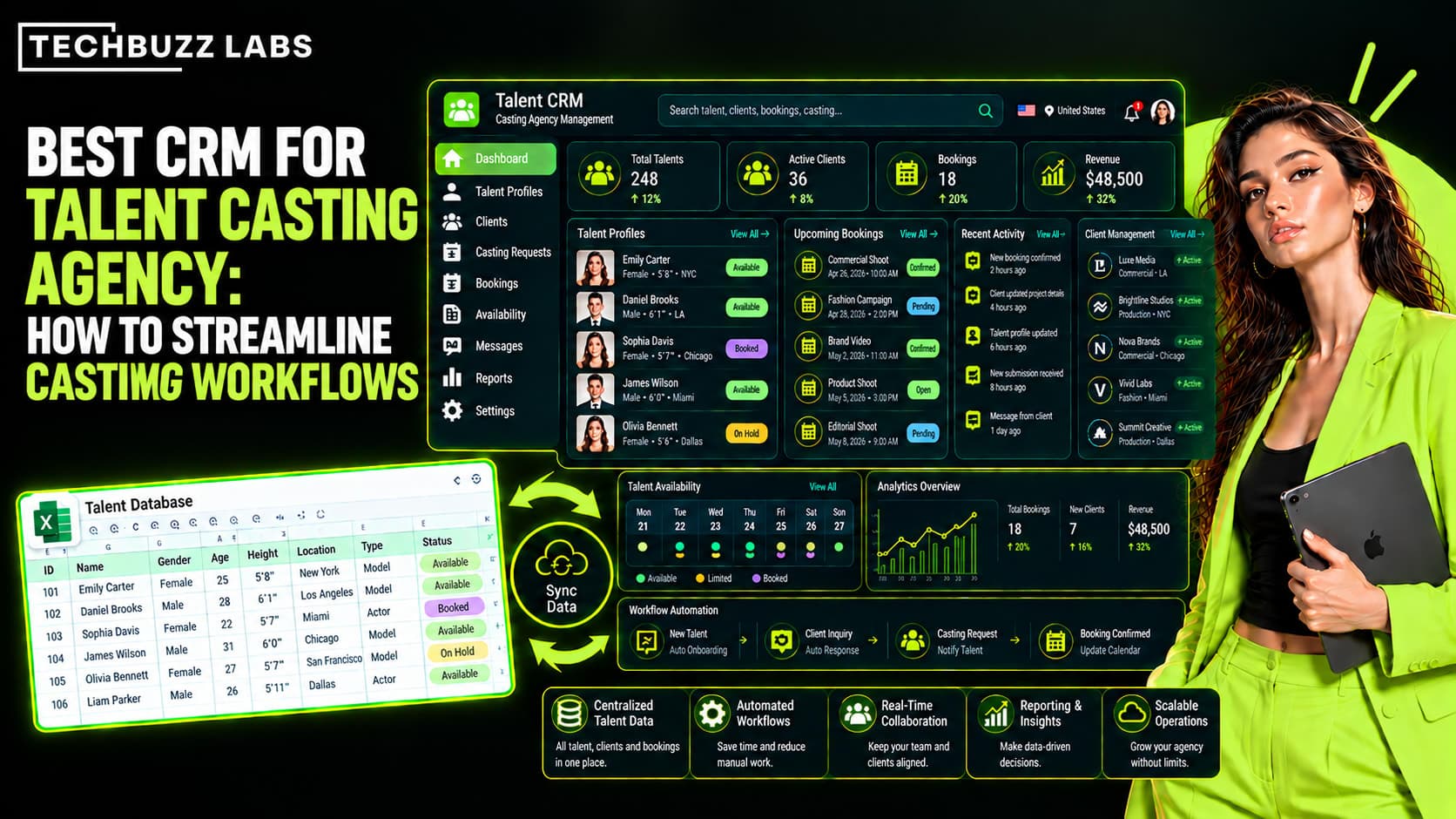
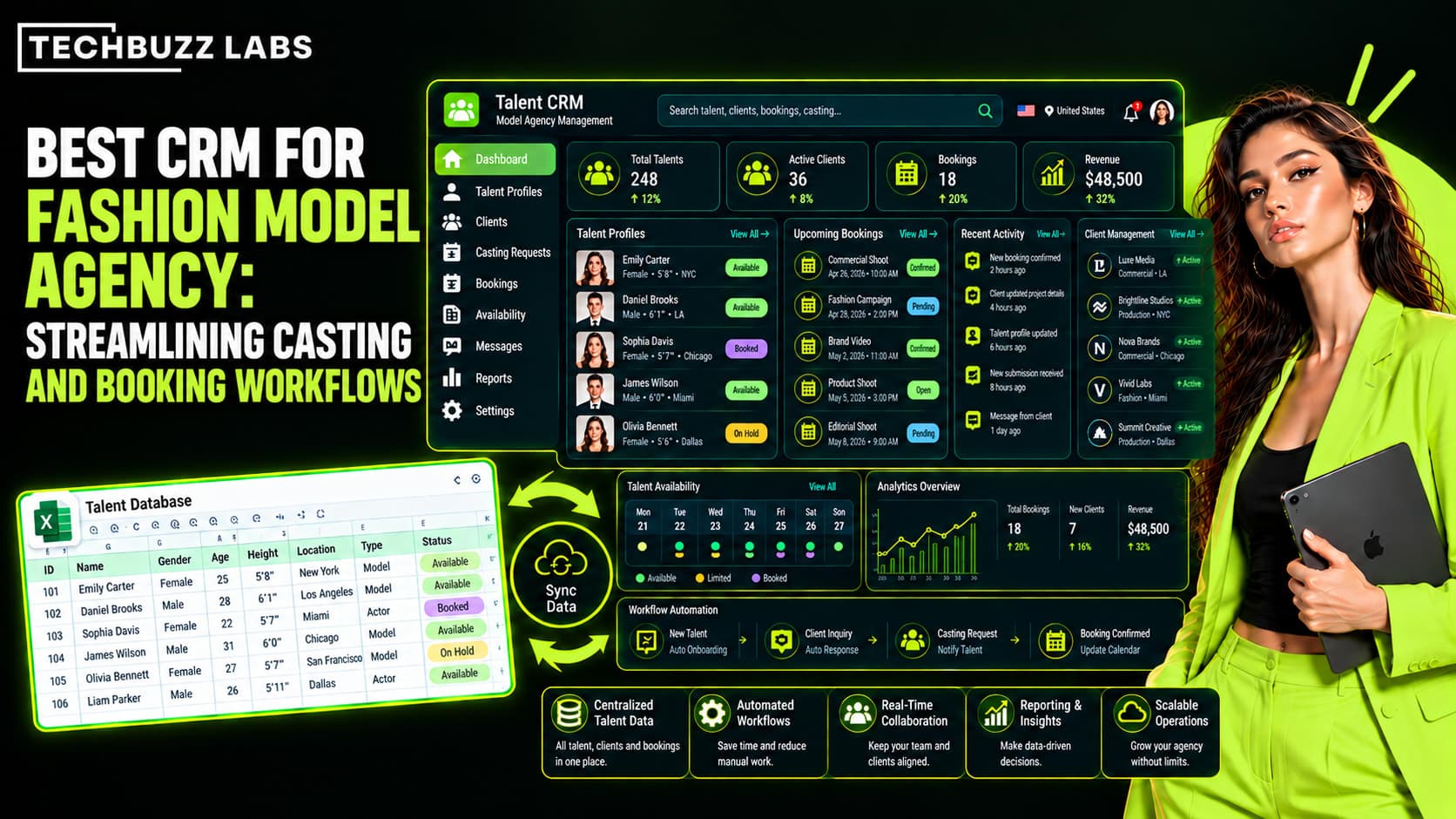
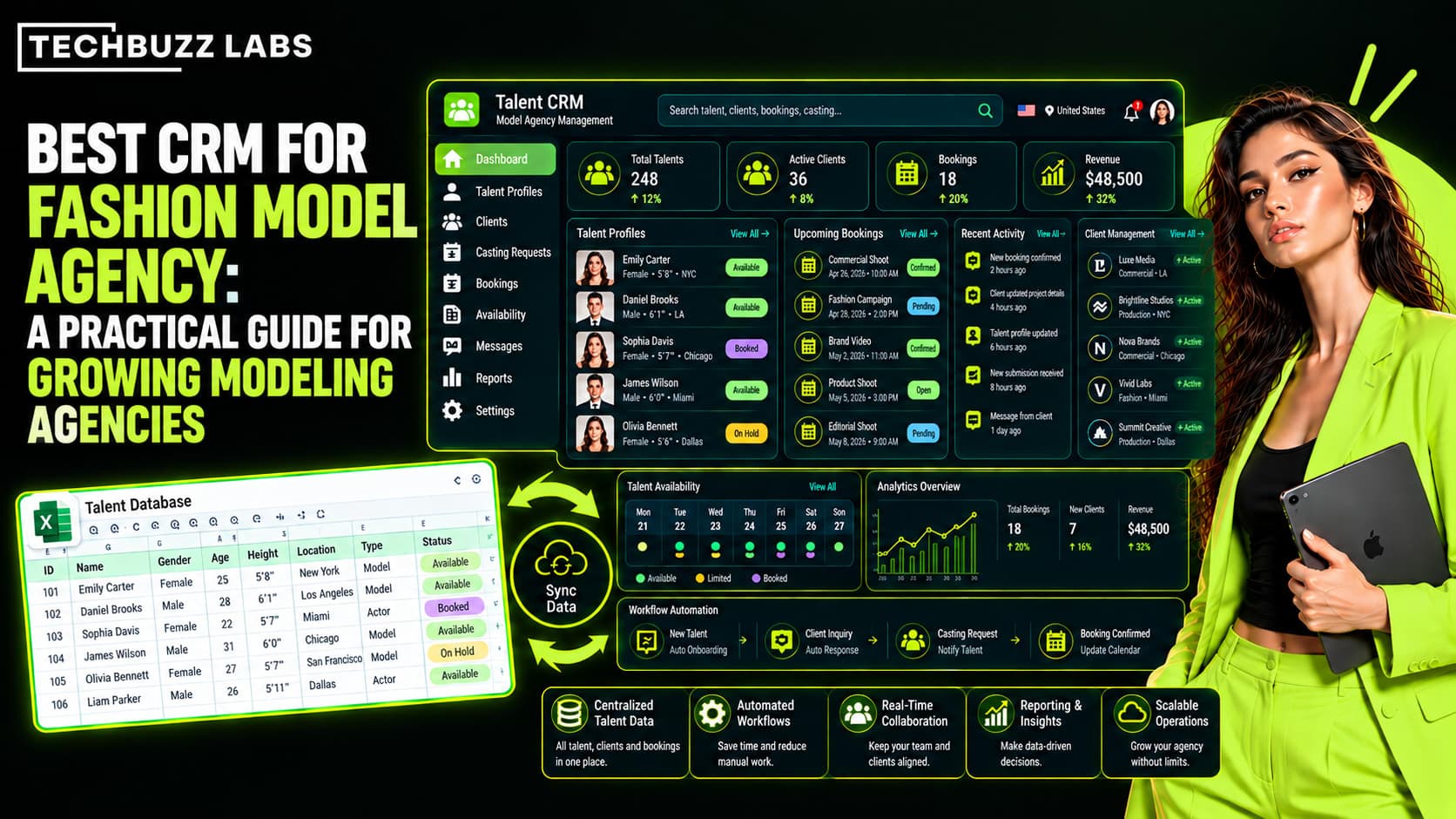
In this guide, we explore how casting workflow automation works, which features matter most, and how technology can support growing modeling agencies across the USA.
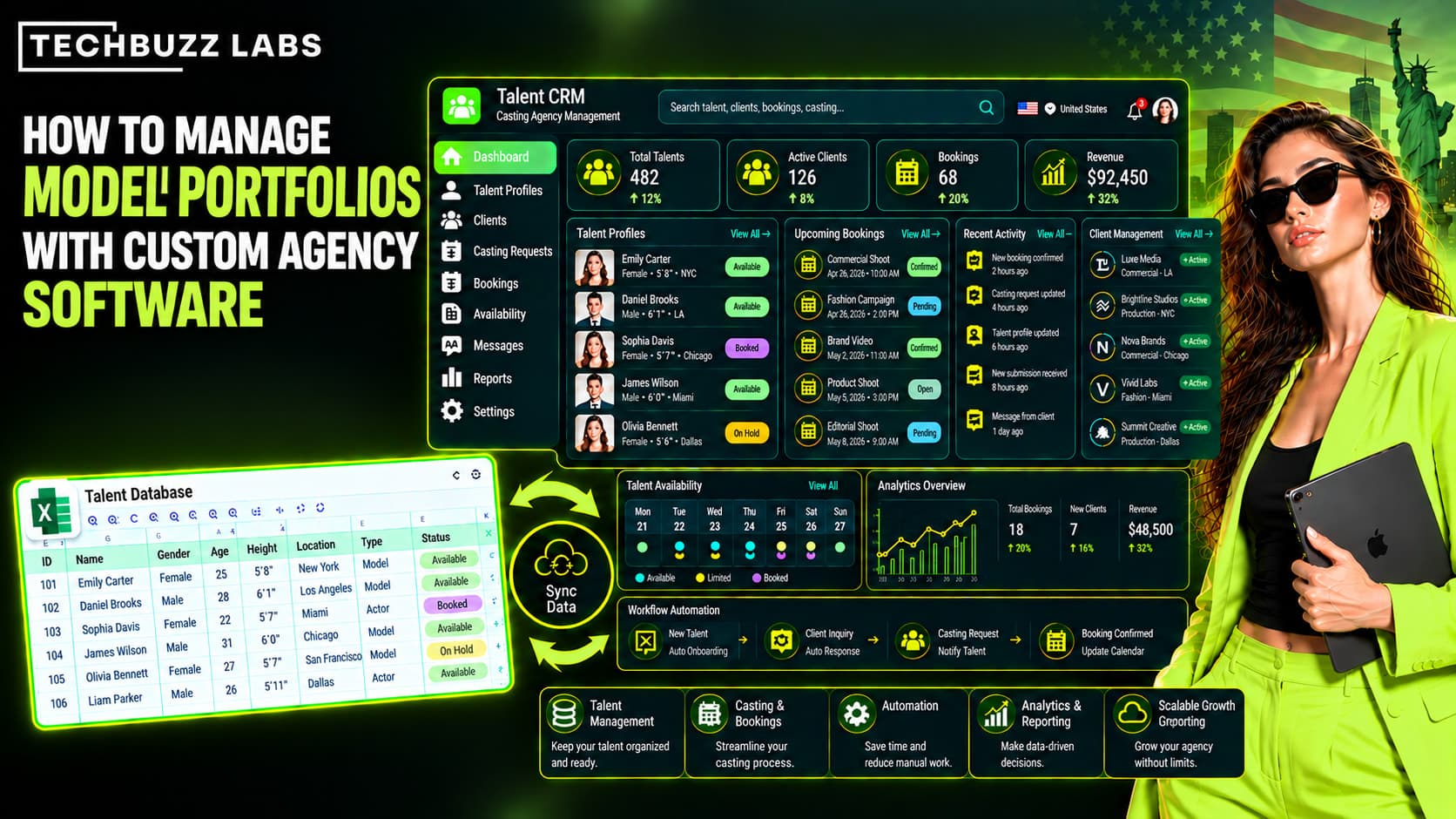
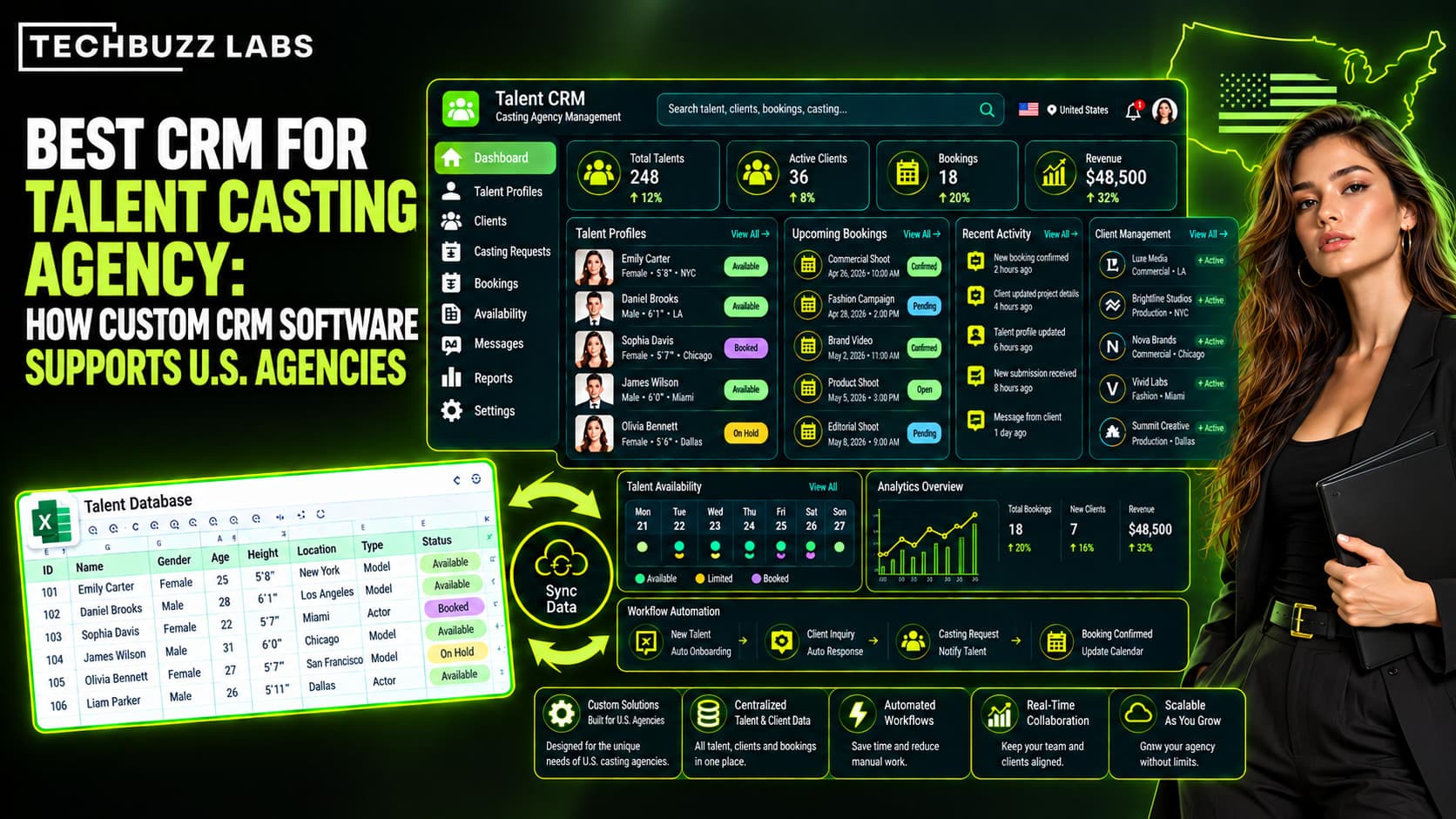
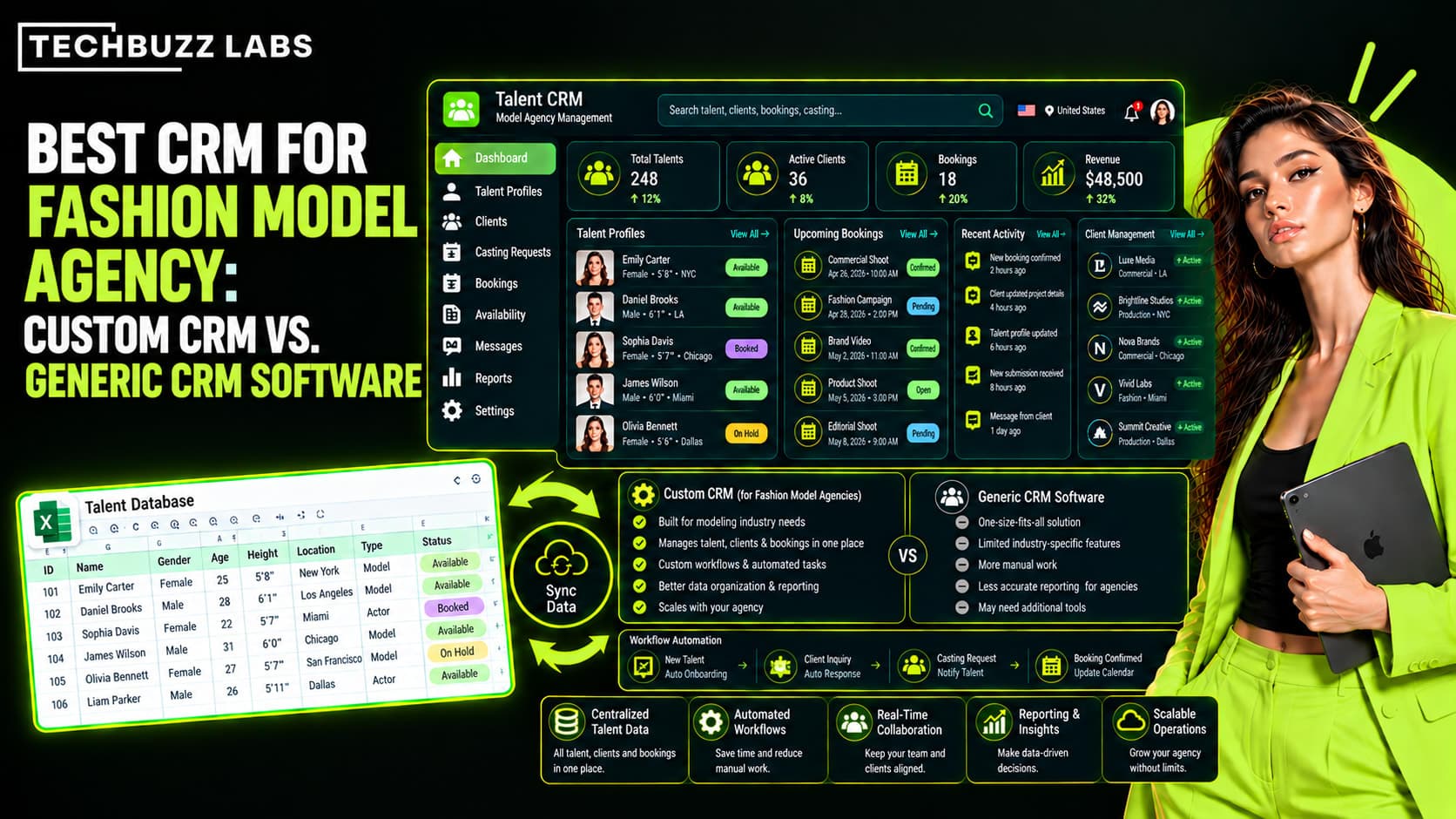
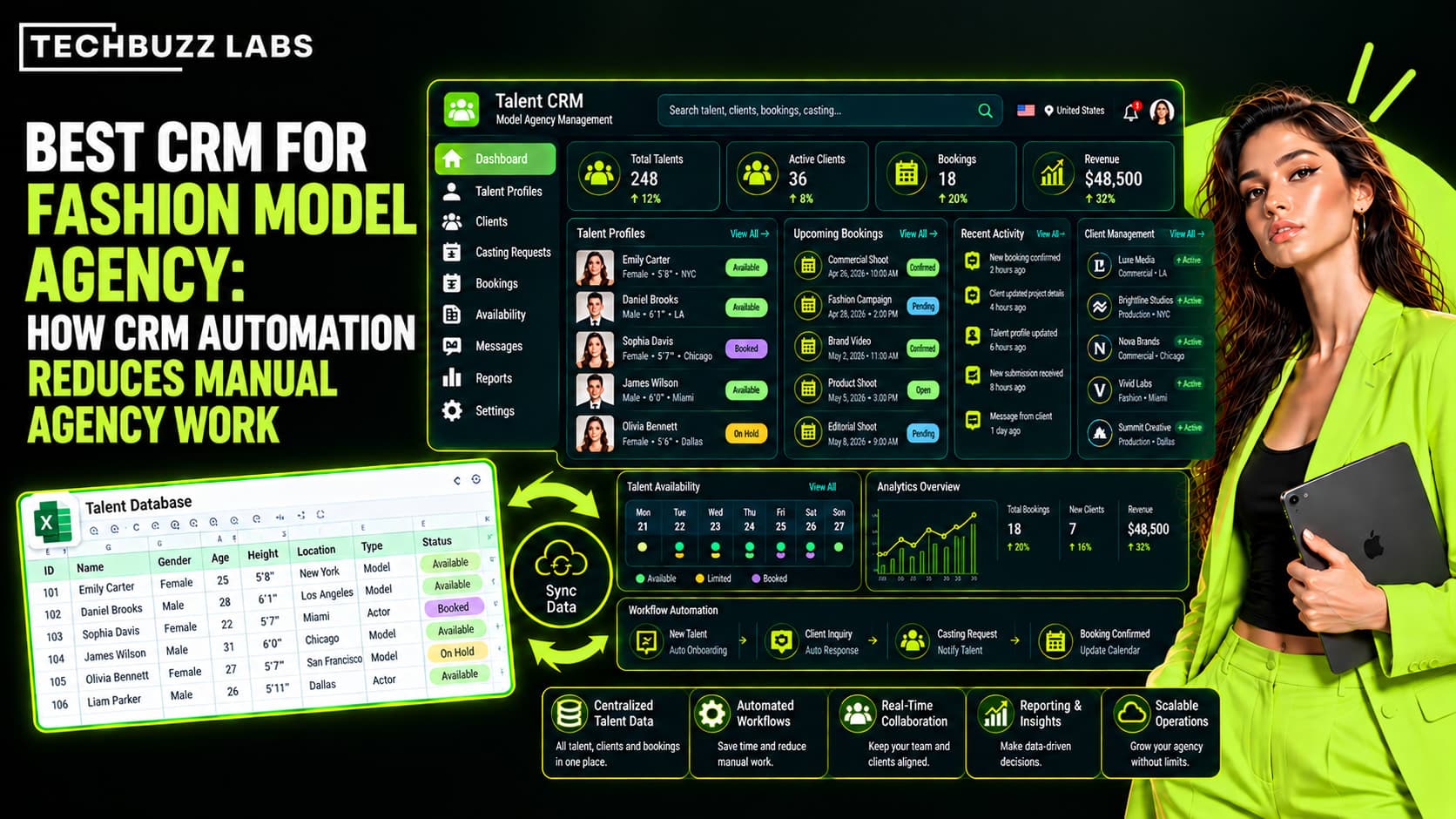
Unlike basic file storage, custom agency software can connect model portfolios with other business processes, including client inquiries, casting submissions, availability, and booking records.
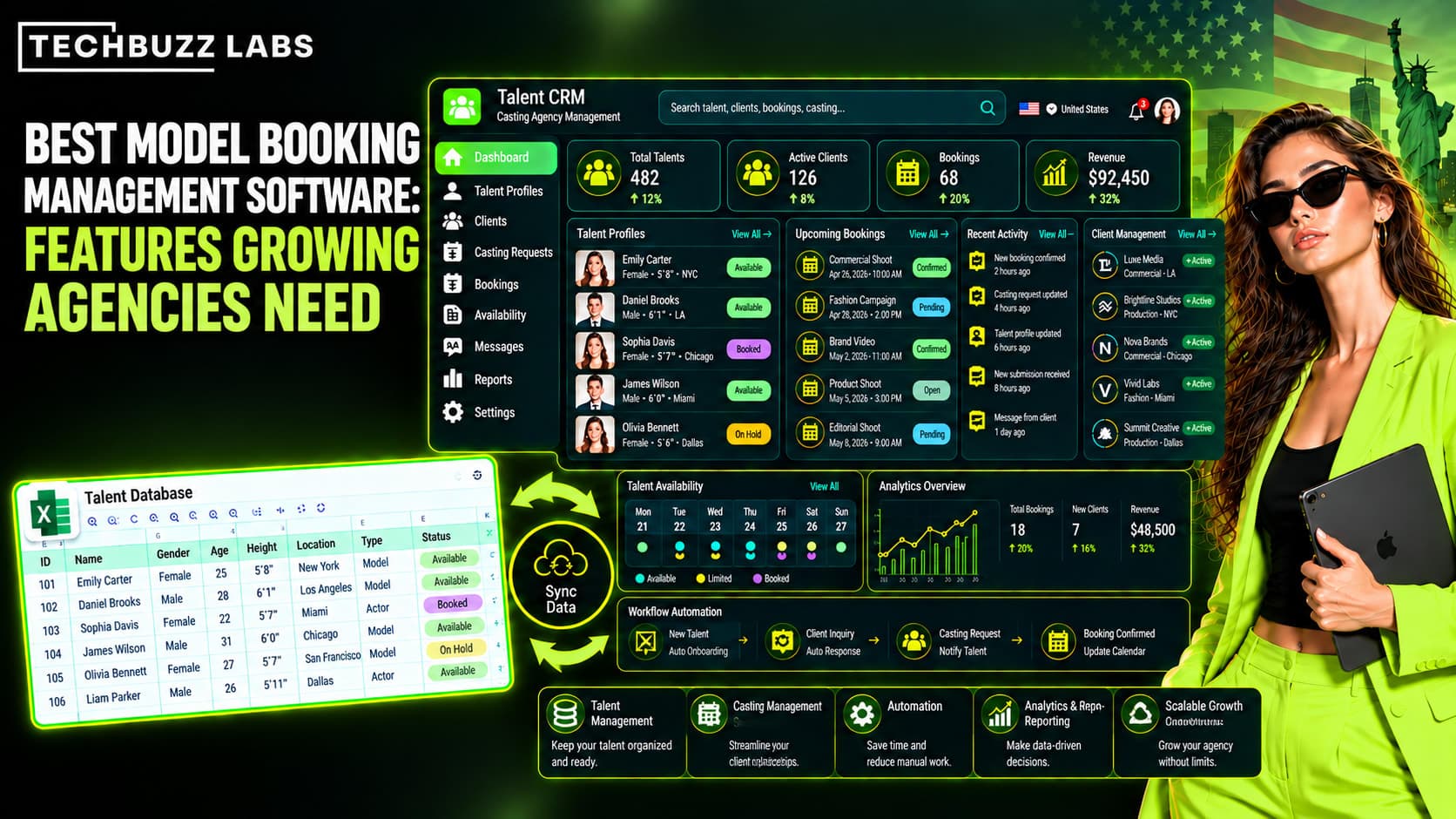
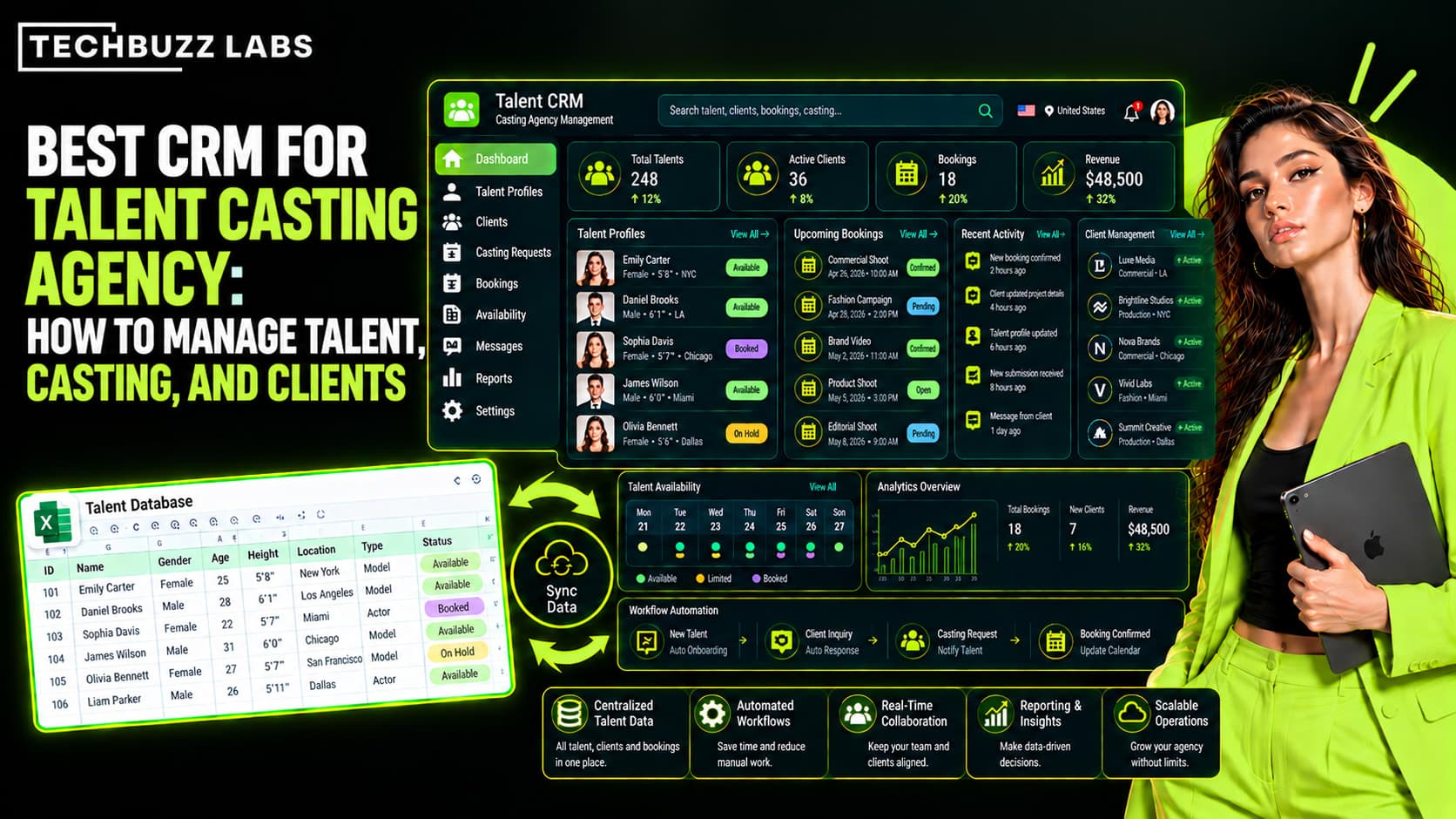
Instead of switching between multiple tools, agency teams can access important booking information in one place. This makes it easier to coordinate fashion shoots, advertising campaigns, commercial projects, runway shows, and other modeling assignments.
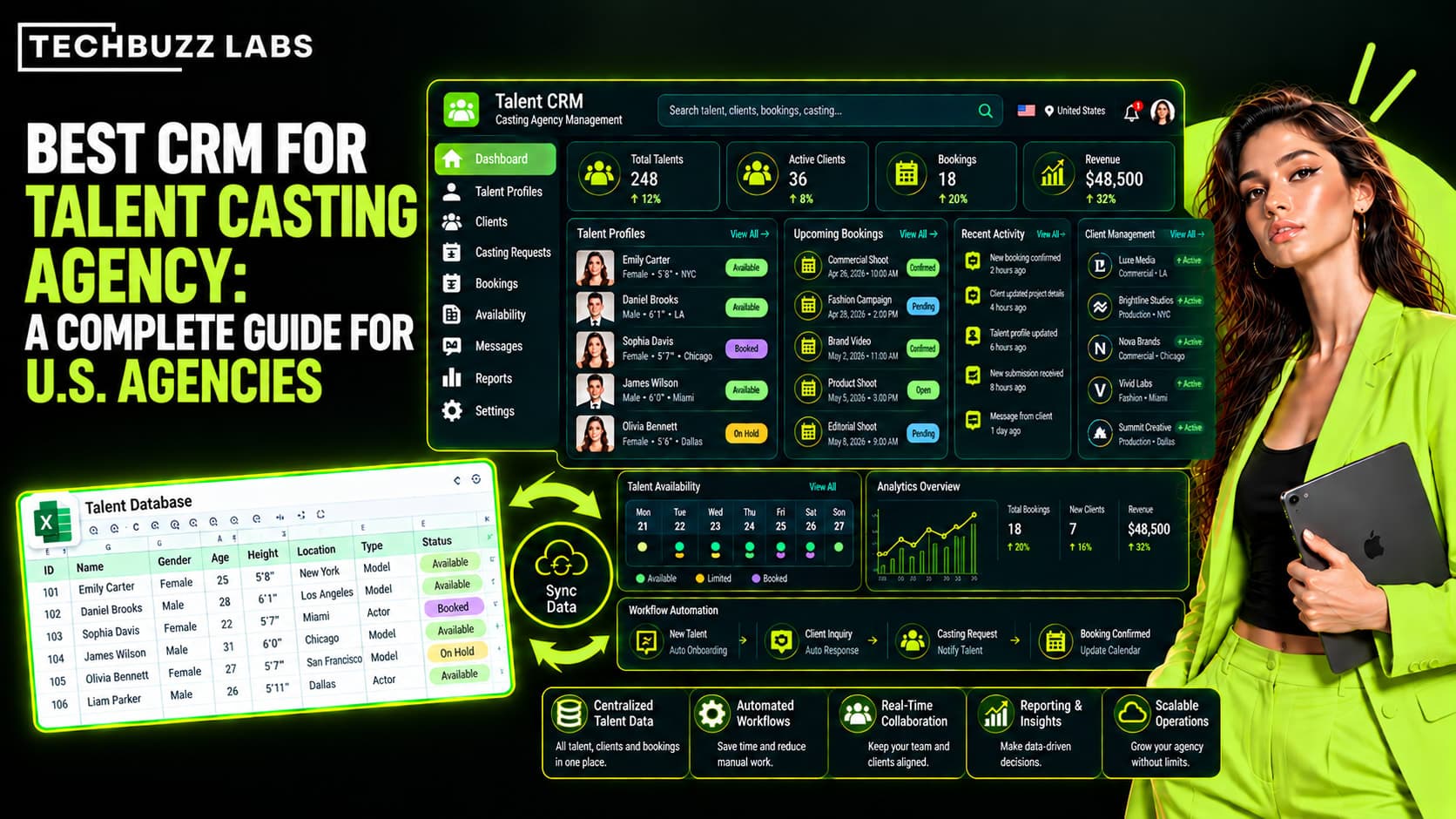
Instead of keeping information across spreadsheets, emails, folders, and messaging platforms, agents can work from a centralized database. This can make information easier to find and help teams maintain a more organized workflow.
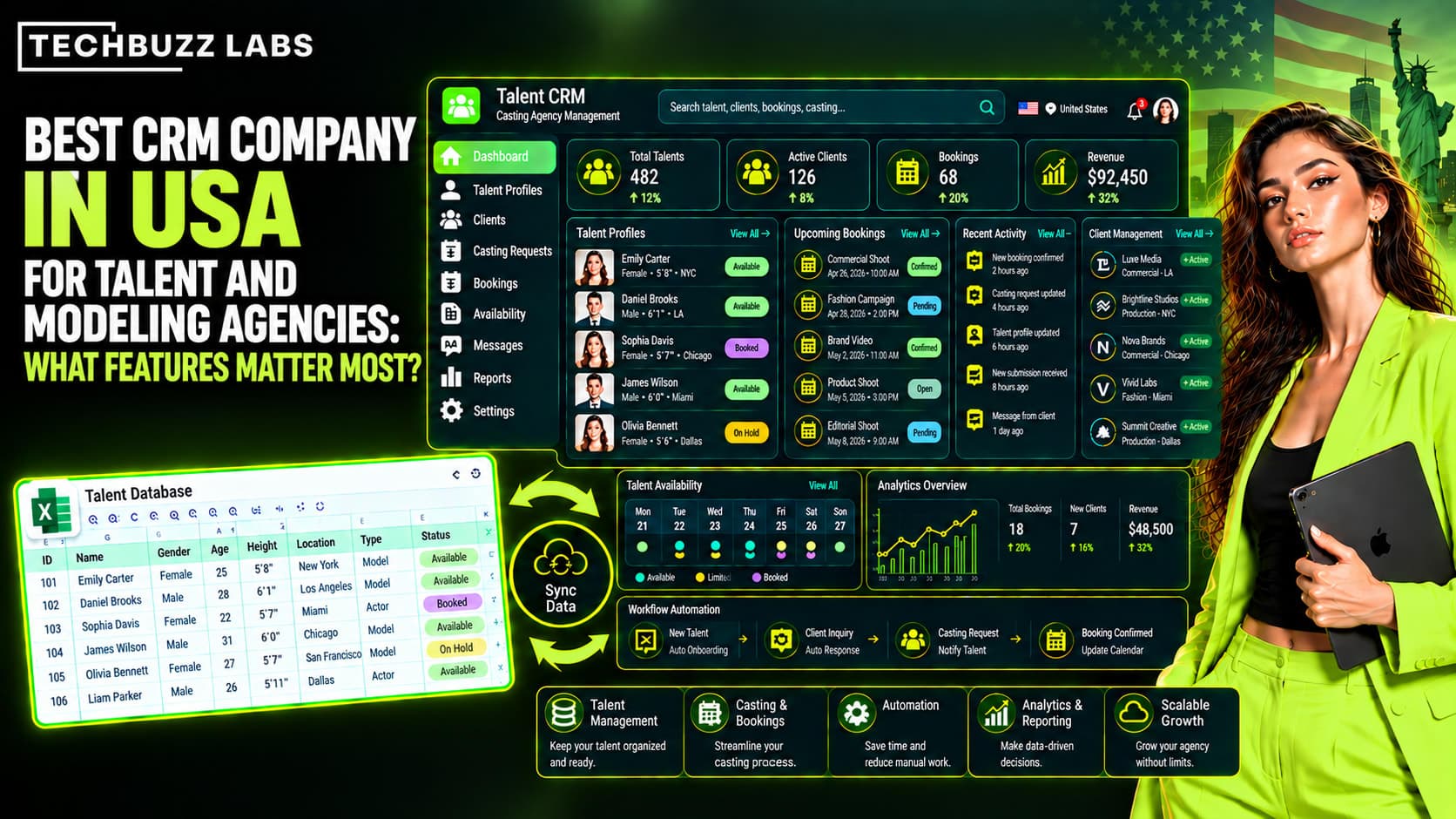
For U.S. agencies managing growing talent databases and increasingly complex casting activity, customization can provide a way to create a connected system without forcing the entire team to work around the limitations of a standard platform.
Without a centralized system, agents may have to search different files for talent information, check availability separately, look through emails for client feedback, and manually update project statuses.
Depending on the agency's requirements, profiles may include professional photographs, portfolio information, location, experience, skills, measurements, categories, availability, previous work, and booking history.
A specialized CRM can connect these different areas so agents can move between talent, clients, and casting projects without constantly switching between systems.
A generic CRM can help organize client contacts, track conversations, create tasks, and maintain basic relationship information without requiring a lengthy development process.
An agent might enter the same model information into multiple files, send similar availability requests, update casting statuses, create follow-up reminders, and communicate project updates to different team members.
A specialized CRM can connect these stages so that a casting opportunity, selected models, client information, availability, submissions, feedback, and booking remain associated with the same project.
Spreadsheets, email conversations, folders, and disconnected applications can make it difficult to keep information organized.
Page 3 of 21 · 248 articles